

After finishing a porch chair makeover, I realized that, as frequent DIYers, John and I are exposed to quite a few household chemicals. I felt woozy and nauseous after only ten minutes of spray painting, which made me wonder how harmful these substances really are. Are the effects only temporary, or could repeated exposure lead to long-term health problems? A few scary mental images of us in our freshly painted home on ventilators convinced me: health comes before home improvement.
So I started looking into simple changes we could make to reduce unnecessary chemicals in our home and in our air. I wanted safer choices for us, our dog, and any future children. Here’s what we switched and why:
Nail polish and nail polish remover are among the most toxic products in the house (assuming you store paint, varnish, and stain in a detached garage or use low- or no-VOC paints). If you can’t give up manicures, consider water-based, toxin-free options from reputable brands. Avoid formulas with formaldehyde and similar carcinogens. For removers, choose acetone-free formulas and remove polish outdoors when possible to keep chemical vapors out of the home.

Topical flea and tick products for pets (such as Advantage or Advantix) can be dangerous for children, adults, and even pets. Those treatments often contain potent pesticides and carry warnings to wash hands thoroughly after handling. We realized that applying our dog Burger’s monthly medication left residue on his fur, the couch, and our clothes—distributing those chemicals around the house. We stopped using those pesticides on him and switched to less harsh alternatives when needed, such as flea shampoos. Burger spends most of his time indoors and has never had a flea problem, so this felt like a safe change for our family and home.
Bleach- and ammonia-based cleaners are another toxic source. They pollute indoor air when used and can off-gas while stored under the sink. We stopped using bleach for our laundry and replaced harsh bathroom cleaners with gentler, plant-based options. We now use a non-toxic shower cleaner and an all-purpose surface cleaner that remove mildew and grime without the fumes—safer for our lungs and better if our dog happens to lick surfaces.
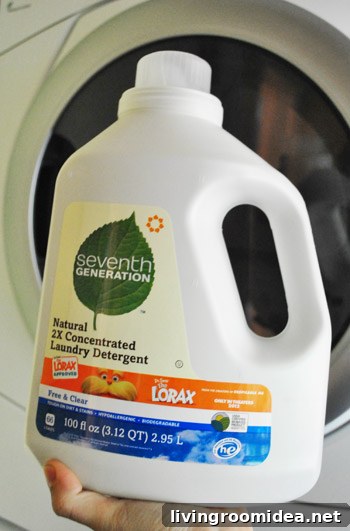
Switching to milder laundry detergent helped, too. Many people report skin irritation when returning to strong detergents after using gentler ones. We switched to a concentrated, hypoallergenic detergent and eliminated fabric softener, which reduced chemical exposure from clothing and linens. Our clothes still come out clean and soft, and we prefer avoiding unnecessary additives that we wear and breathe every day.
We also replaced conventional toothpaste and deodorant with natural alternatives. We chose a natural toothpaste with fluoride and peppermint oil, which felt a bit gritty at first but quickly became our preference; the natural flavor left our mouths feeling fresher longer. We switched to aluminum- and phosphate-free deodorant as well. Small swaps like these are easy to maintain and set a healthier example for kids who tend to swallow toothpaste in early years.
Other practical tips we adopted:
Eliminate household and garden pesticides where possible—bug bombs, lawn treatments, and many pet pesticides increase health risks, especially for young children. Studies link pesticide exposure to higher rates of childhood cancers, so reducing their use is prudent.
Air out dry-cleaned garments before bringing them into the house by removing plastic covers and letting clothes breathe outside or in a sunroom for 24 hours.
Prefer floss and natural toothpaste over mouthwash—mouthwash contains many chemicals you shouldn’t swallow, and daily flossing with a good toothpaste is often more beneficial.
Explore non-toxic household brands for cleaning, personal care, and baby products. Many companies now offer dish soaps, hand soaps, diapers, and feminine-care products made with fewer synthetic chemicals, making it easier to reduce exposure across the home.
Limit unnecessary radiation exposure by avoiding nonessential X-rays—use them for suspected fractures but discuss routine imaging with your provider before accepting it.
Never heat plastics in the microwave. Use microwave-safe glass or ceramic containers instead, since heating plastics can cause chemicals to leach into food.
You don’t have to adopt every suggestion above, and not every swap will be appealing to everyone. For us, replacing everyday products with safer options felt worthwhile because we use them daily on the one body we have. If you remove hazardous household chemicals, dispose of them responsibly by taking them to a designated hazardous-waste or recycling drop-off location in your community.
Making these changes has been an informative process for our household—small swaps, better indoor air, and fewer toxic residues around the home. Here’s to living healthier and longer.