Woo-hoo! Our bedroom horse art finally arrived, so here’s the condensed how-to on attaching posters to canvases. It took two tries for a durable result, so I’ll walk through both methods and what worked best.
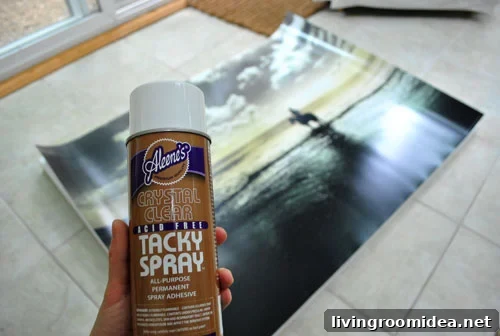
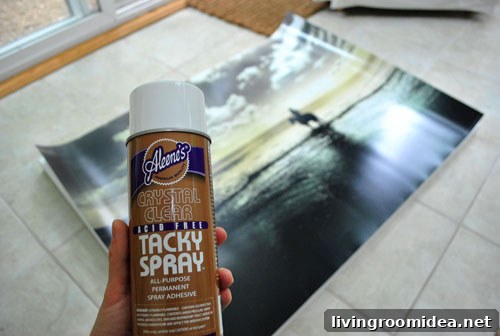
My first attempt used spray adhesive from JoAnn (a cheap option that’s often labeled “all purpose” and “permanent” and is usually acid-free). I sprayed the back of the poster and the canvas, lined up one edge, and slowly smoothed the print down across the surface. This can be done solo, and I worked outside in the sunroom with windows and a fan for ventilation since spray adhesive can be pretty smelly. If you try this route, do it outdoors or in a well-ventilated area and consider a mask.
To flatten the poster I gently smoothed with a plastic card (I used my grocery card). Being gentle helps avoid scratches or dents while working out bubbles.
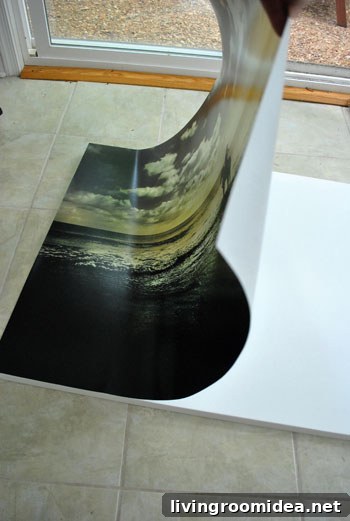
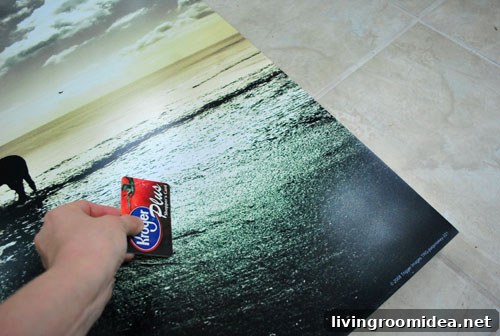
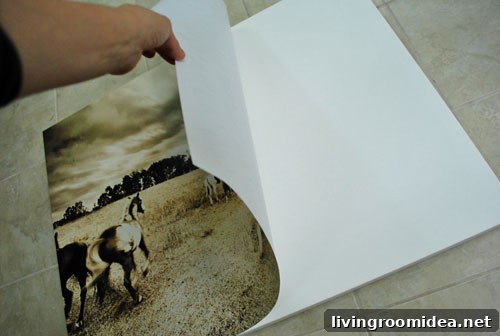
At first I was thrilled — the prints looked great and the process only took about twenty minutes. But within about 12 hours the prints began to separate from the canvas in places, forming visible air pockets and loose areas. I was able to peel the prints off easily and start over, which was lucky.
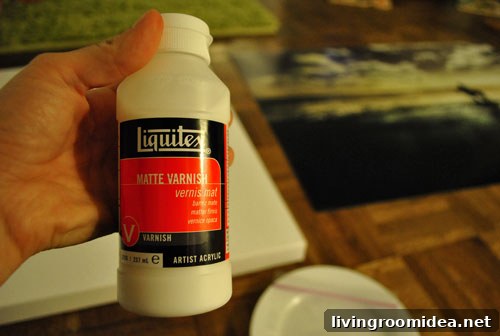
For method two I researched more heavy-duty options and found recommendations to use acrylic medium as an adhesive. I used Liquitex Matte Varnish (available at craft stores), brushing a thin even coat onto the canvas surface and the back of the poster before laying them together. This step benefitted from a second pair of hands: one person holds two corners while the other lowers the print, easing it down to prevent crinkles and large bubbles.
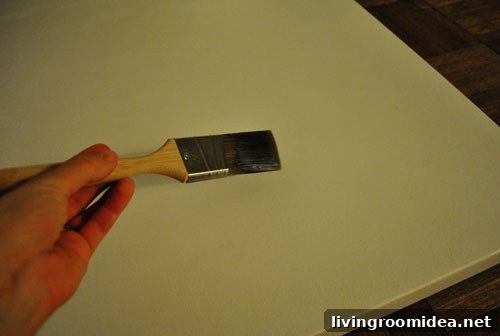
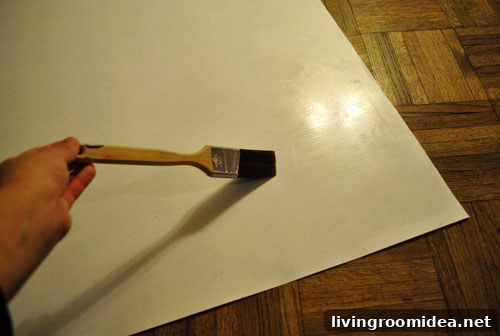
We smoothed out small pockets by working from the center toward the edges with the palm of a hand. Acrylic medium can cause skin irritation for some people, so gloves are a good idea if you’re sensitive.
After adhering the prints with the varnish we laid them flat for 24 hours to cure so they wouldn’t buckle or slide while drying. The result felt solid and secure — much more reliable than the spray adhesive. After a few days and normal bathroom humidity from showers, the prints still seem firmly attached. If anything changes I’ll update, but so far the acrylic medium appears to be the winner for long-term adhesion.
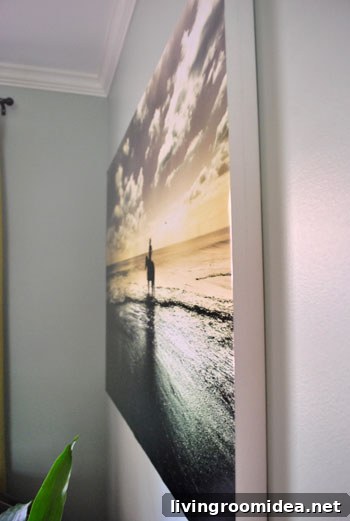
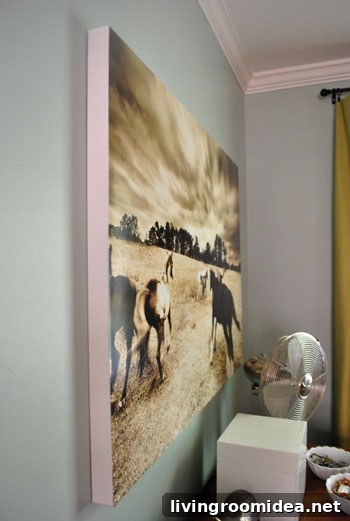
For the canvas sides I considered painting them charcoal, deep brown, or metallic, but left them white to match the trim and mirror above the sink. We also left the front of the prints uncoated because we enjoyed the smooth print-like finish. If you decide to apply a protective coat (like Mod Podge or an acrylic medium) test a small area first to ensure it won’t cloud the image.
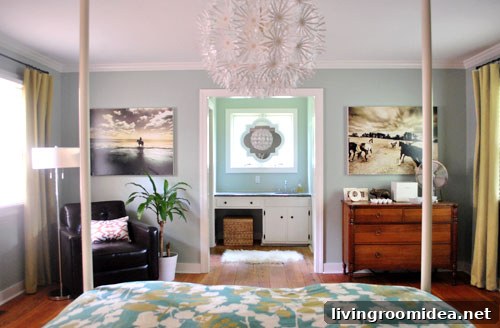
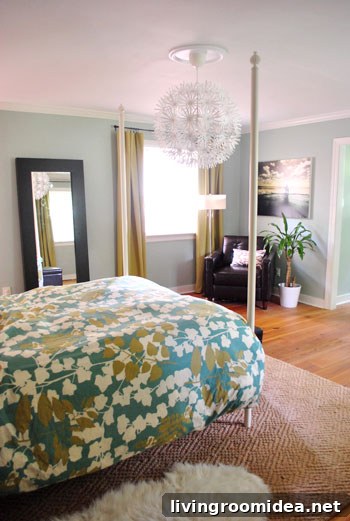
We swapped which print hangs on each side of the bed because each of us preferred the other’s composition—now each of us wakes up to our favorite image. I’m always struck by how luminous the actual prints are compared with my Photoshop mock-up; that glow made me appreciate the prints even more.
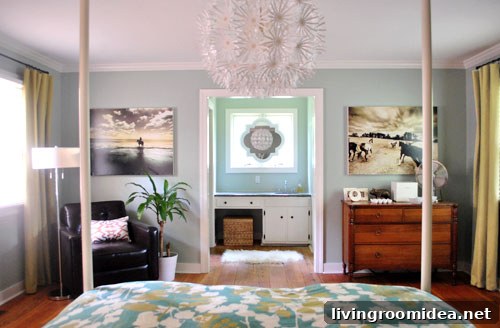
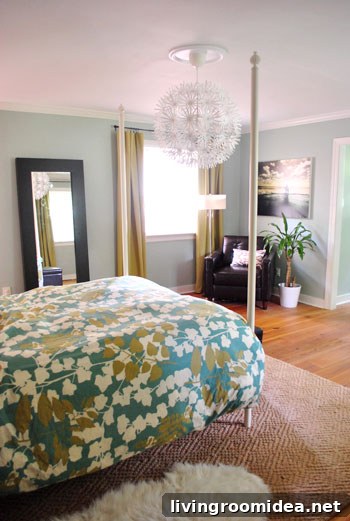
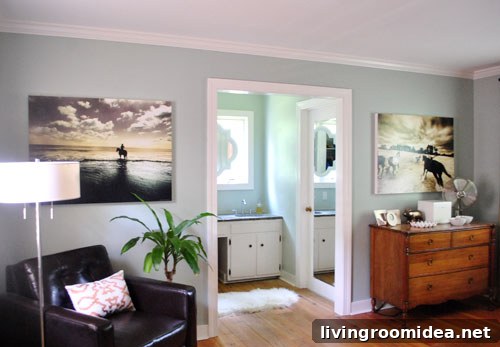
Cost-wise, printing each image directly on a stretched canvas would have been significantly more expensive. By buying posters and mounting them myself on canvases, each finished piece cost about $64 including the poster and canvas, compared to roughly $169 apiece for professional canvas printing — a noticeable savings.
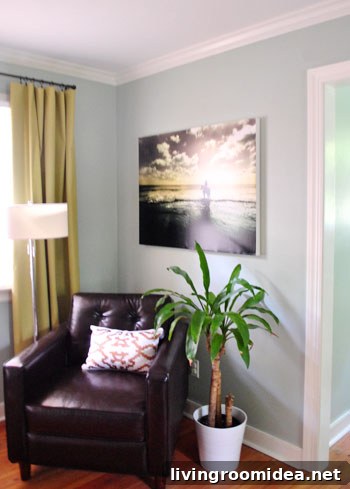
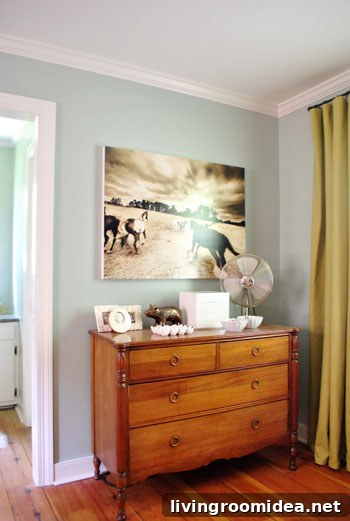
The horse art is a bolder choice than the lighter, beachy pieces from our previous house, and it pairs nicely with the softer, nearby elements in this room. Mixing contrasty, dramatic pieces with calm, white elements helps the whole space feel balanced rather than overwhelming.
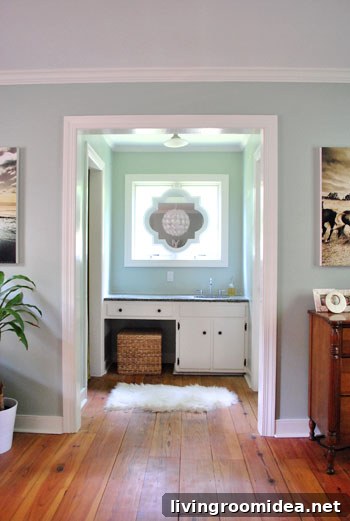
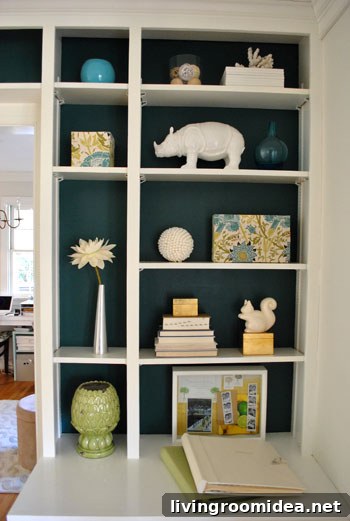
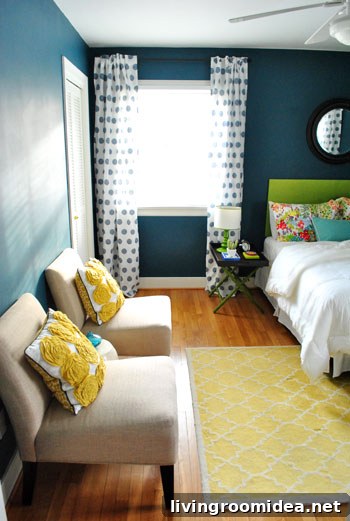
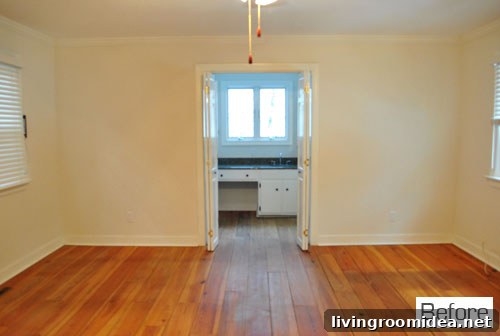
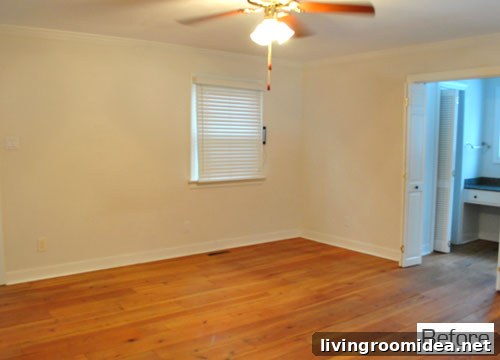
We’ve been experimenting with riskier decorative choices throughout the house — painted built-ins, dark beams, and saturated guest room walls — and those risks have paid off visually and emotionally. Taking small chances has made the home feel more personal and fun.
So if you’re considering mounting posters on canvas, the takeaway is: spray adhesive can be quick and convenient but may not hold long-term, while an acrylic medium like Liquitex Matte Varnish provides a much more secure bond when applied to both surfaces and allowed to cure flat for 24 hours. Test materials first if you’re worried about finish changes, and recruit a helper for alignment to avoid bubbles and creases.
At the end of the day, decorating is a process of trial and error. Take small risks, learn from what doesn’t work, and keep what does — you’ll end up with a home that feels like you. Now go forth and mount some art. Yeehaw.