
Sponsored by Arhaus
You’ve probably heard me talk about using “texture” to make a home feel cozy for fall. Many readers ask what that actually means and how to do it. Texture is about layering different tactile and visual materials so a room feels inviting and well composed. Below I’ve gathered practical designer tips to help you add lasting textural interest to your home this season and beyond.
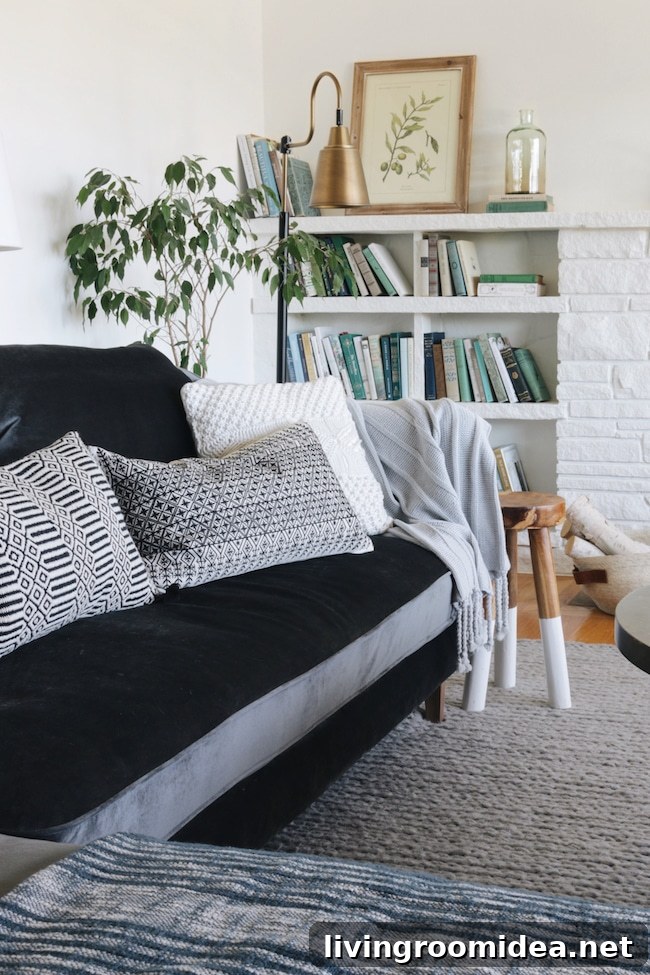
I like to mix patterns and surfaces that coordinate without competing. Recently I fell for a collection of pillows from Arhaus — they offer well-made furnishings and accessories that focus on quality, function and sustainable materials. I’ll mention a few Arhaus pieces here as examples of how to layer texture thoughtfully.
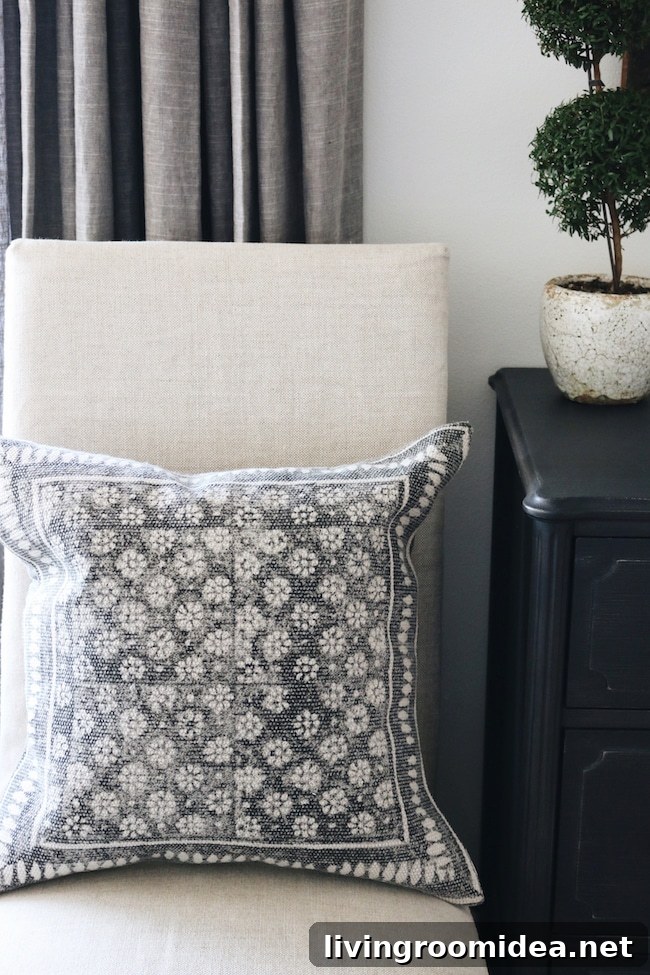
When investing in pillows, choose a substantial insert (down if possible) and a removable cover in a timeless fabric or pattern. A heavy-weight insert keeps the shape and adds a plush, touchable feel.
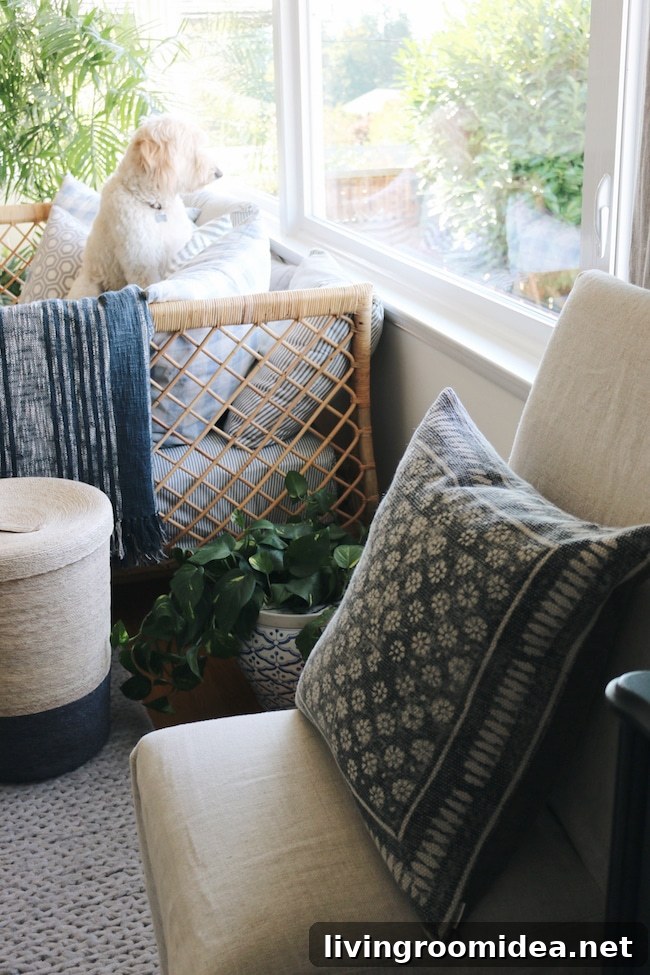
To create interest, combine organic, unique and contrasting textures throughout the room. In autumn I favor thicker, more tactile fabrics and materials. Accessories like pillows, poufs, baskets, throws and artwork each contribute a different texture; together they warm the space without making it feel cluttered.
Look for pieces with striking details—tassels, visible stitching, woven patterns or layered motifs—that amplify their textural presence. Those small elements catch the eye and make each item feel intentional.
Textures come in many colors, but I tend toward organic, muted palettes: soft blues, grays, greens, whites and blacks paired with natural wood and metal finishes. These hues let texture lead the design without overpowering the room.
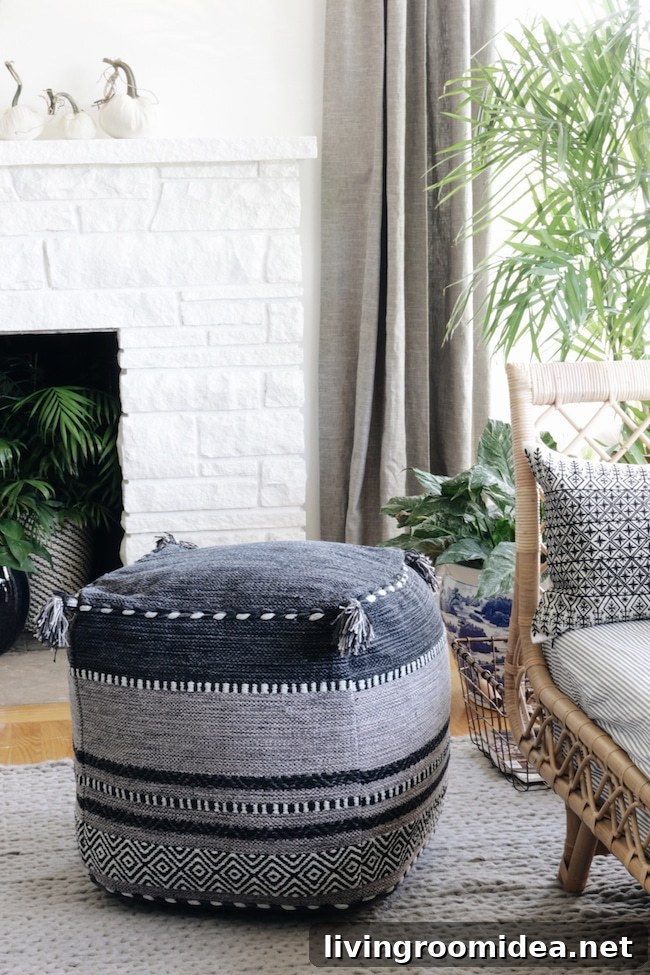
A pouf is a great example of a multi-functional textural accent. Choose one that combines pattern, stitch detail and a sturdy fill so it can serve as extra seating, a footrest or a low tabletop for a stack of books while you relax on the sofa.
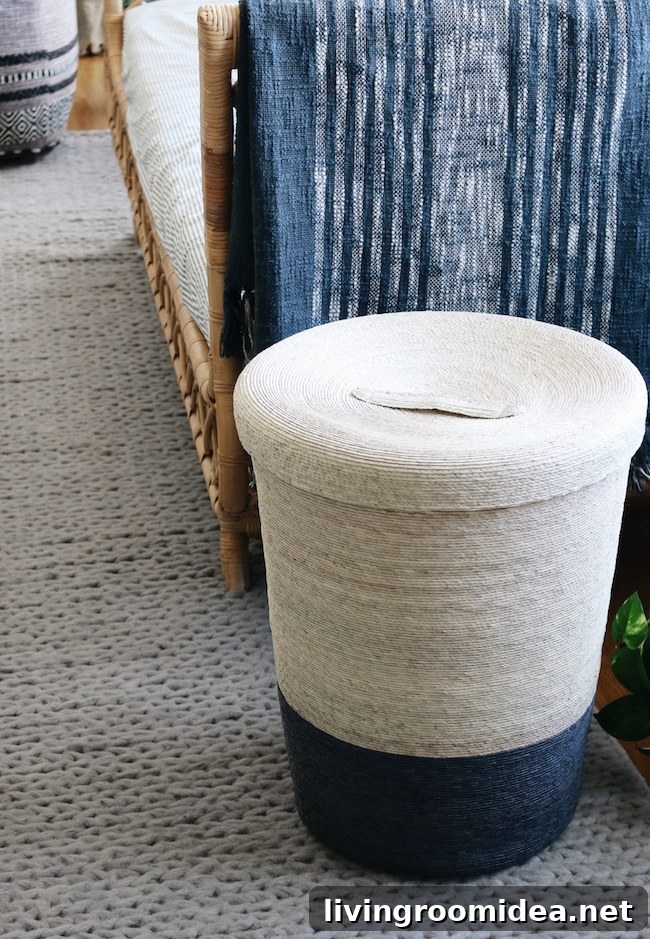
A striped, dipped basket in a rich color like navy adds both texture and storage. When curating a home, prioritize items that are pleasant to touch—textile quality affects how much you enjoy a space. A basket like this is attractive and practical for storing throws, crafts or magazines.
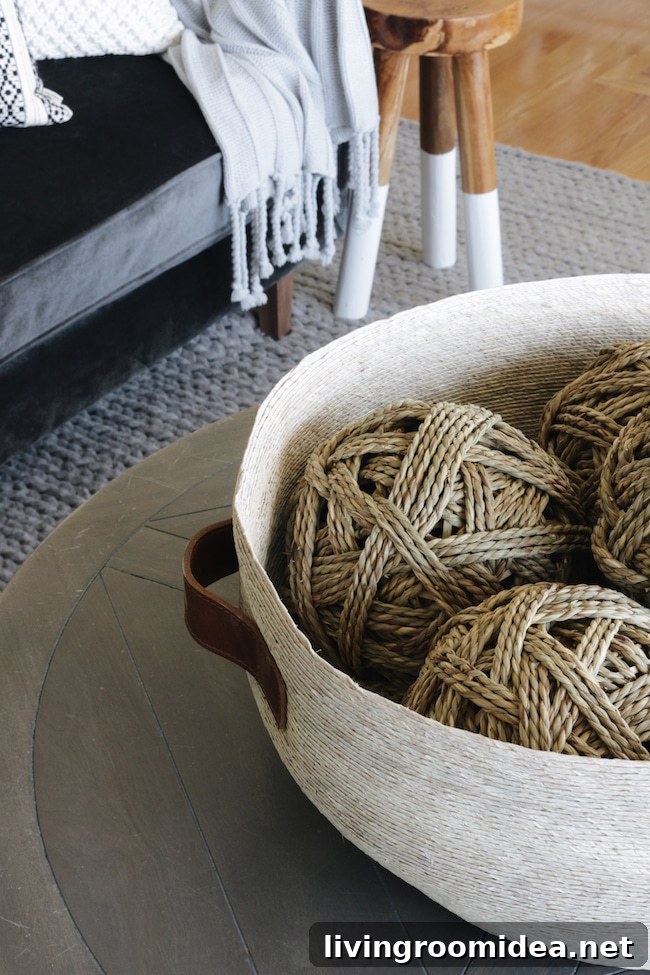
Accessories can become focal points by offering a variety of textures. I love a mix of organic rattan balls inside a woven basket with leather handles—the contrast between smooth leather, woven fiber and natural rattan brings depth to a vignette.
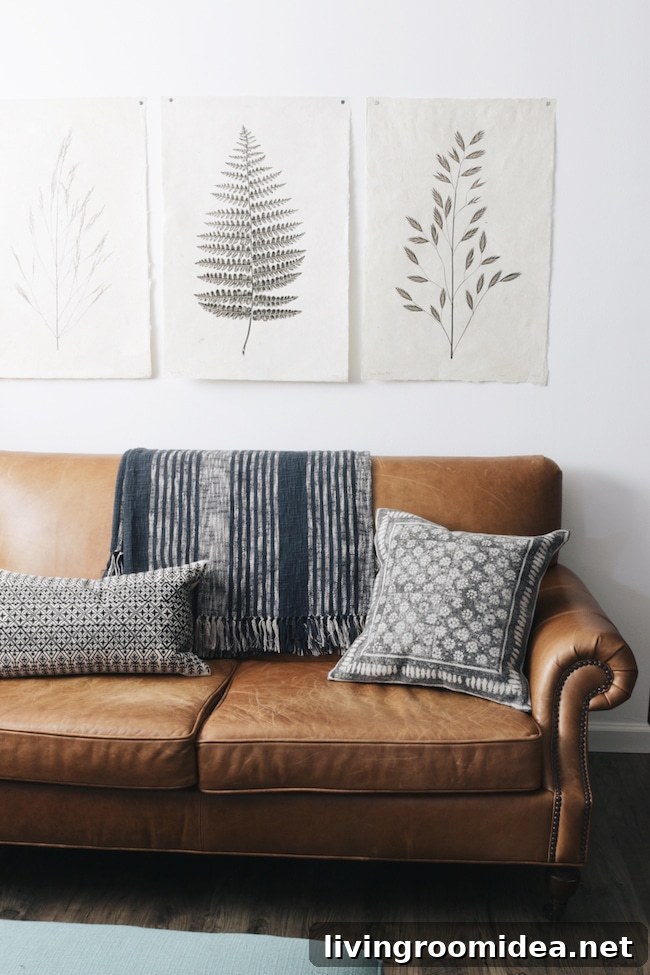
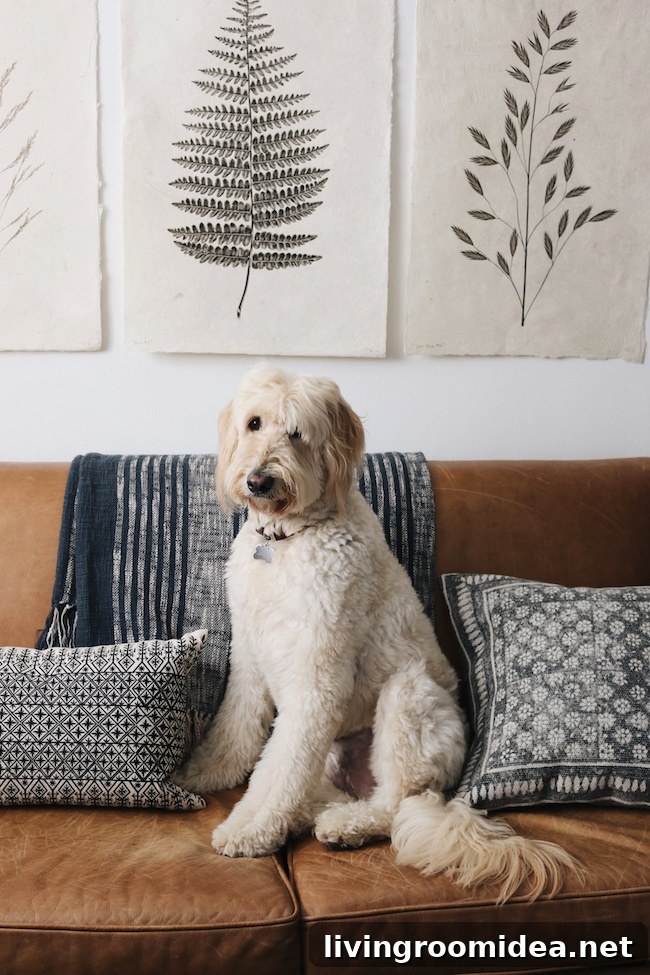
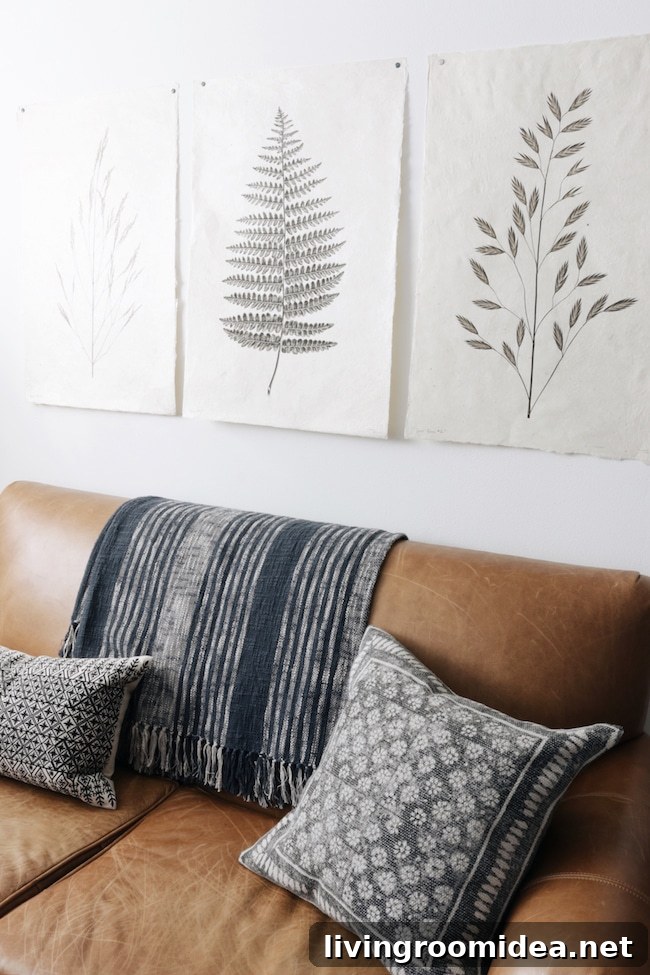
Artwork and wall hangings are another place to introduce texture. Botanical prints on handmade paper, for instance, provide a soft, tactile surface that can stand alone without a frame. The subtle texture of the paper and the organic subject matter soothe the wall and quiet the room.
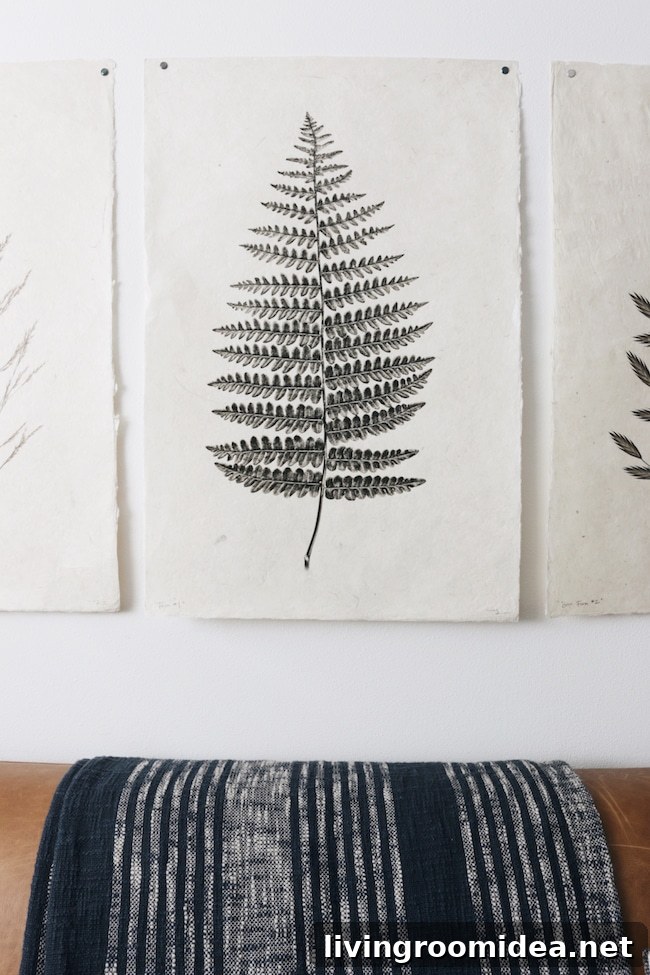
Texture doesn’t need to be loud to make an impact. Thoughtful layering and material contrasts create warmth and visual interest while maintaining a calm, cohesive aesthetic.
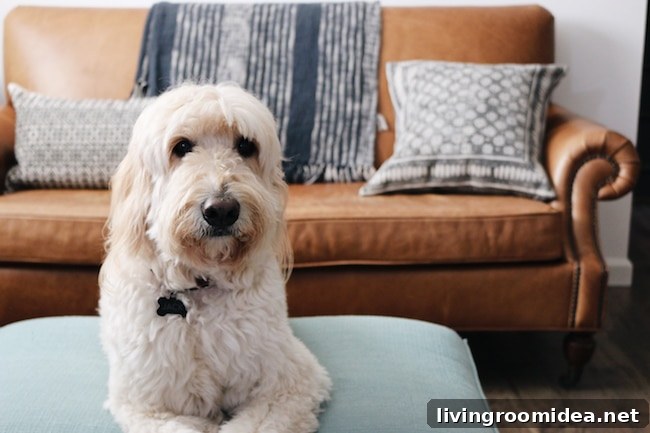
Pets naturally add softness and personality to a room. Jack, for example, brings unmatched coziness. If you don’t have a furry companion, well-chosen furniture and accessories can achieve a similar inviting effect through layered textures.
Below is a collage of Arhaus items I selected. Each piece holds its own and together they create a warm, cohesive mood that translates well across seasons.
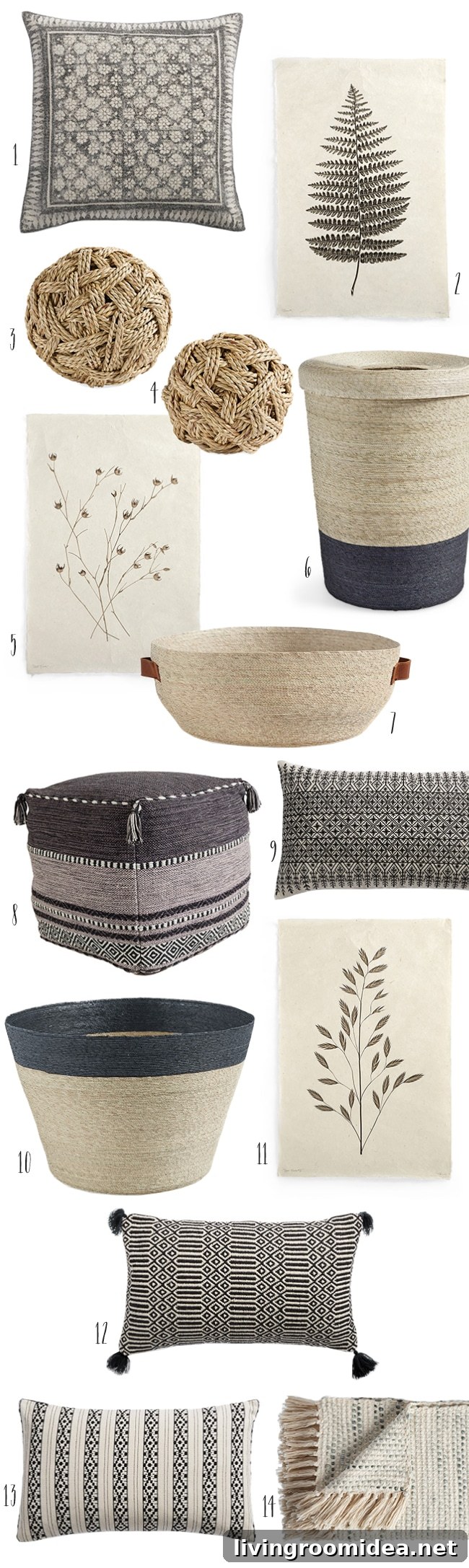
All items are from Arhaus
***** THIS GIVEAWAY IS NOW CLOSED *****
To enter to win a $500 gift card to Arhaus, comment below on this post with one item you’d love to have.
Arhaus employees and their family members were not eligible. The giveaway ended on the stated date and the winner was chosen at random.
This post was sponsored by Arhaus.