
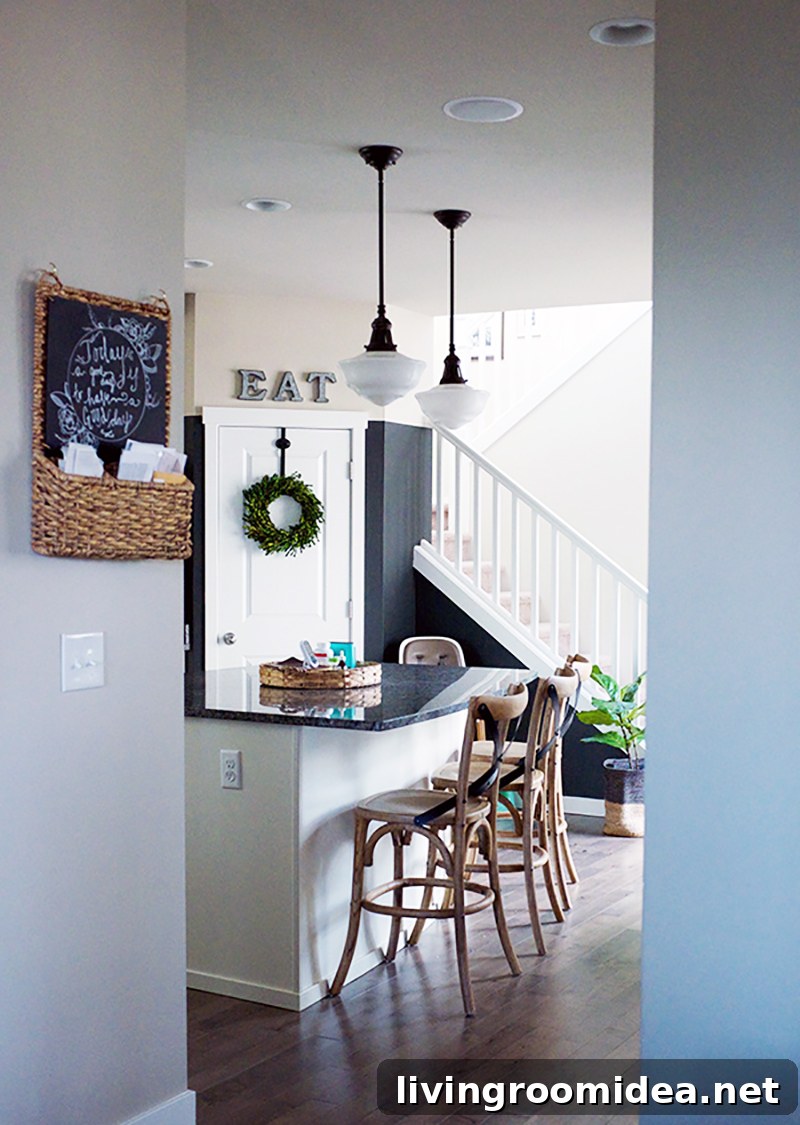

HHello Inspired Room readers! It’s Cassie again. I’m excited to share the first post in a three-part series about building and shaping a newer home. We moved into our house a little over three years ago, and as time passes I find myself remembering the homebuilding process, the projects we’ve completed, and thinking about what remains on our to-do list.
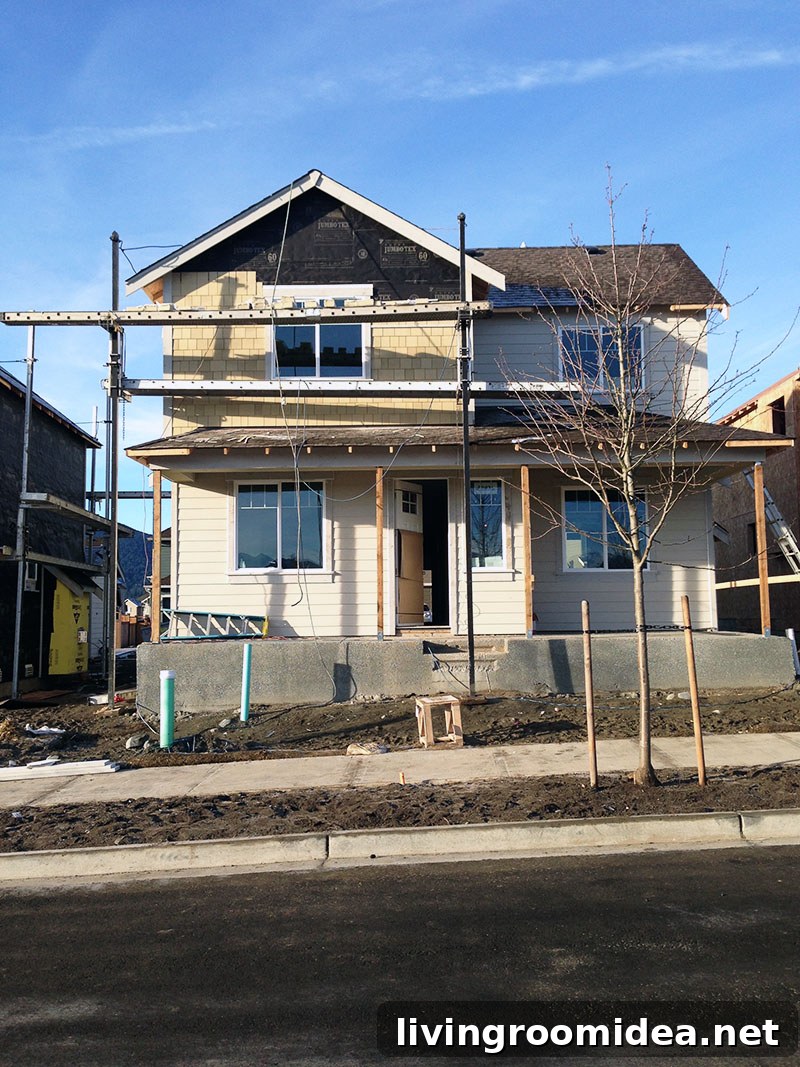 The exterior of our home midway through construction.
We live in a neighborhood where most houses are new or were built within the last decade. While I love older homes for their character and history, our market left us choosing a newer build. New construction has many advantages: fewer worries about major structural issues, updated systems, and often a more turnkey move-in experience. But a common downside is a lack of built-in character and personalization compared with older homes that have been remodeled over time.
There are definitely pros and cons to buying new versus older homes. When you buy new you usually face limited customization options during construction, and builder-grade finishes can feel generic. However, buying early in the build process can give you choices that make the home more timeless and easier to work with. Below are some lessons we learned—both good choices and things we’d change—based on our purchase and early decisions.
Best decisions
- Choosing neutral finishes. We were fortunate to buy our home just before finishes were selected, so we could pick most of the interior materials. We intentionally selected a light, neutral palette that would complement our style and existing furniture and that we could live with for years without feeling limited. Selecting neutral, high-quality basics makes decorating easier and provides a flexible backdrop for future updates.

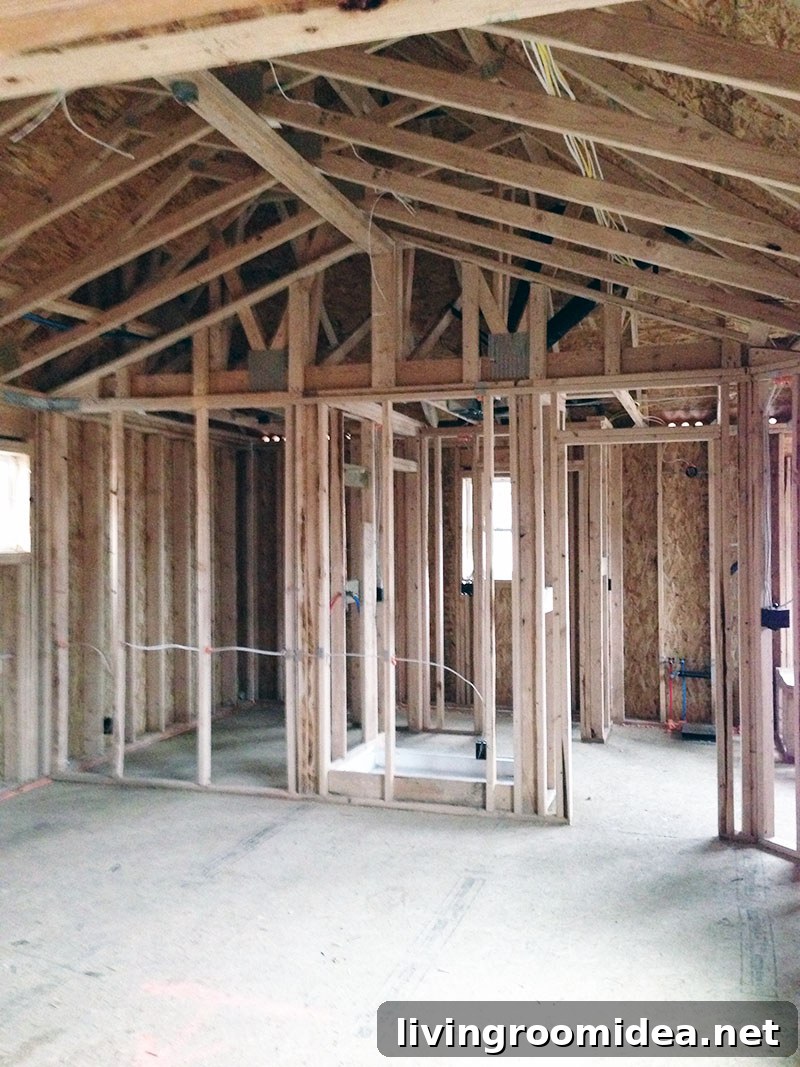
- Prewiring for lighting. Instead of having the builder install standard kitchen pendants and a dining chandelier, we asked them to prewire the fixtures so we could select and install our own later. This saved money, prevented us from settling for builder-grade fixtures, and allowed us to choose lighting that better matched our aesthetic.
- Keeping upgrades minimal. We limited most builder upgrades, planning to handle some improvements ourselves over time. Builders often mark up extras like window treatments and built-ins, so we focused upgrades on items that would have been difficult to retrofit—speaker wiring, cabinet choices, and essential electrical provisions—while postponing other cosmetic choices to avoid excessive costs.
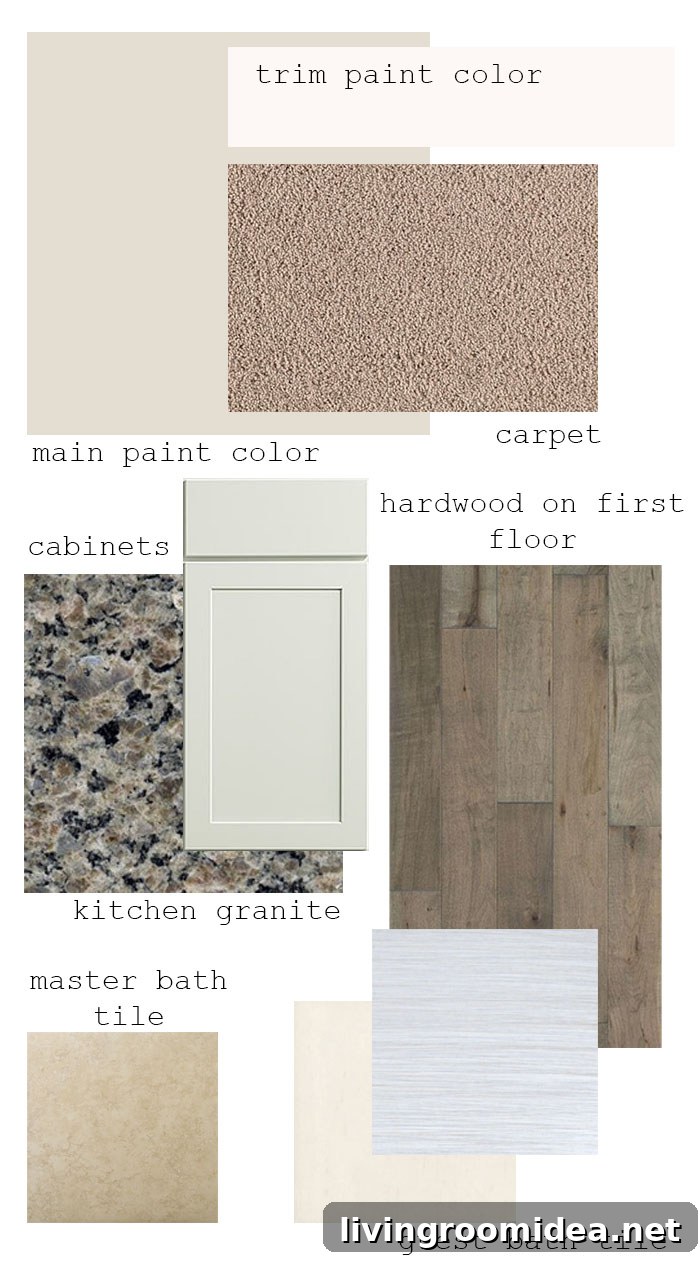
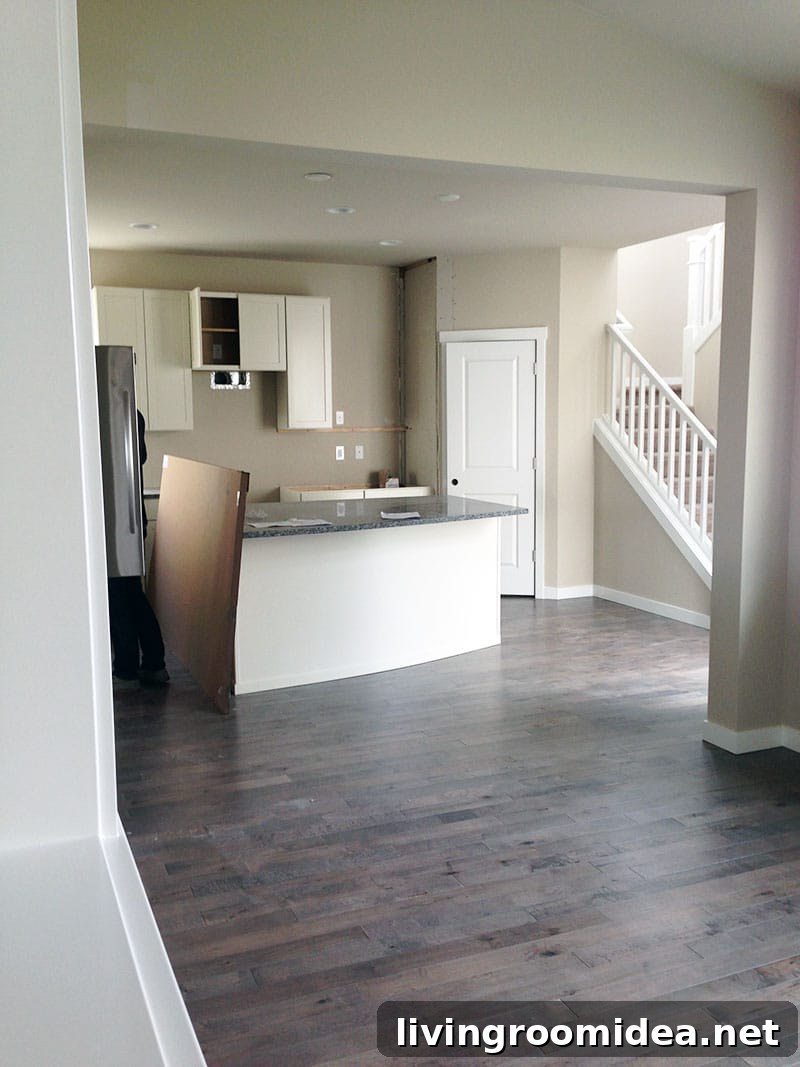 Our kitchen nearing the end of construction, with prewired lighting in place.
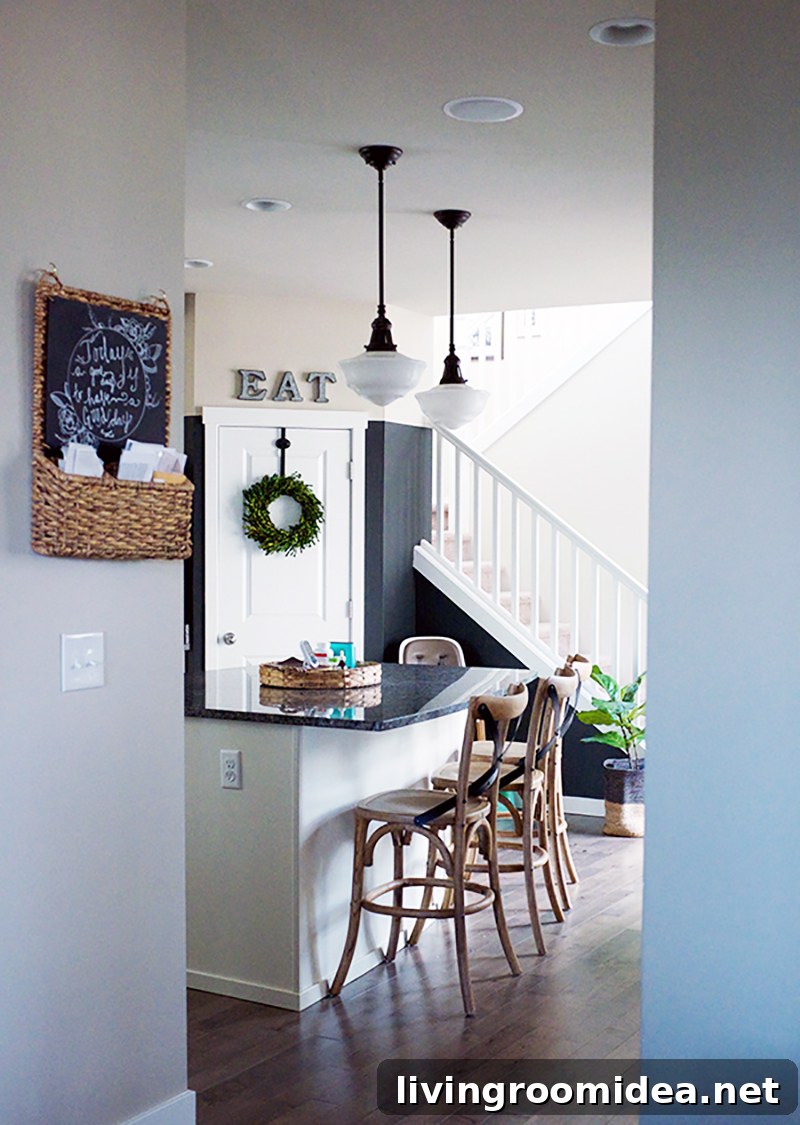 Our kitchen as it looks today after choosing fixtures we love.
Decisions we’d rethink
- Using the same paint color everywhere. To save money during the build, we had the walls and ceilings painted the same light neutral throughout. While economical, this choice tied us to a single ceiling color and made selecting complementary paint for accents and trim trickier later. If I could do it again, I’d choose a truer white for ceilings and keep walls a separate neutral so future paint choices would be more flexible.
- The builder’s recessed light selection. Our builder installed recessed lighting that requires a hard-to-find, high-efficiency bulb. When one burns out it’s a hassle tracking down replacements. While this was likely unavoidable at the time, it’s a reminder to ask about lamp specs and replacement availability before committing to certain fixtures.
- Pre-installed blinds. We had the builder install blinds before moving in to save time, but in hindsight we could have saved a lot by buying window coverings ourselves. The builder only offered a couple of basic options, and selecting our own would have allowed more style choices and potential savings.
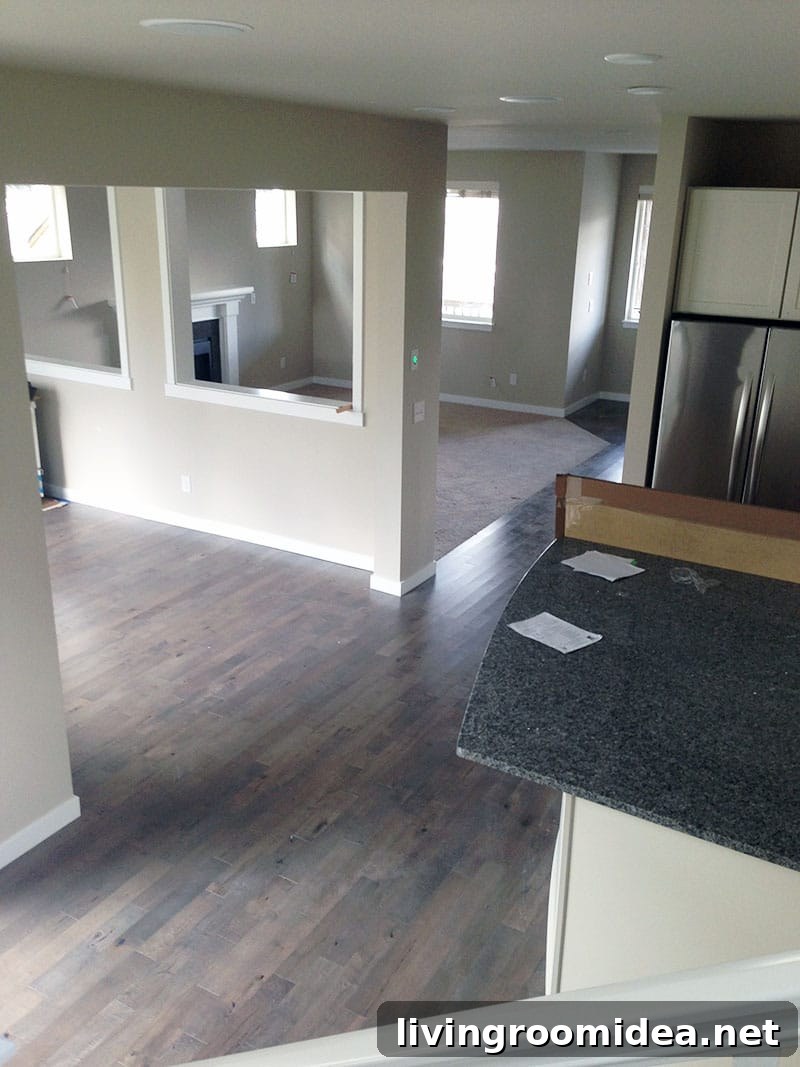 So much greige! For reference, the color is Sherwin Williams’ Accessible Beige.
I hope these observations help anyone considering new construction or planning finishes in a recently built home. Small choices made early can make a big difference later—neutral, adaptable finishes and selective upgrades often deliver the best long-term value. In the next post I’ll share what we’ve done to add character and warmth throughout our house and how incremental projects can transform a builder-grade space into a home.
Until then,

More posts by Cassie:
Add Character to a Builder-Grade Home Part Two
A Mudroom Makeover
A Small Backyard Renovation and Deck Addition