
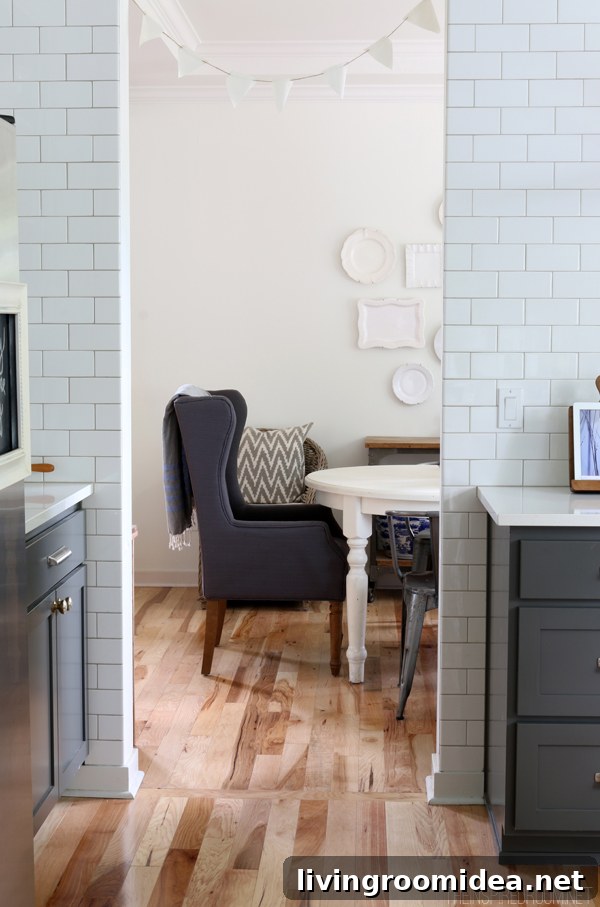
One thing I miss about our previous house was how complete and welcoming it felt. It wasn’t perfect, but it had the comfortable, lived-in atmosphere that made it easy to relax. The rooms had just the right elements working together so we felt peaceful and at home the moment we walked in.
I enjoy creating a home, and I’m not a design snob. My aim is to shape a space that reflects and inspires our family, starting with what we already own and building from there.
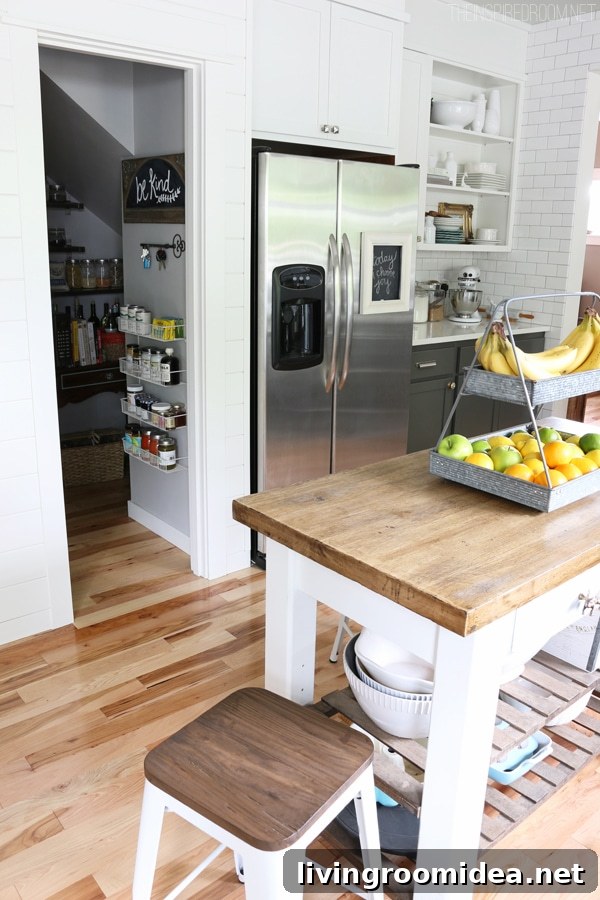
Moving into this new house sometimes feels like being sent back to the beginning—like landing on square one in a board game. In some ways that’s true, yet in other ways it isn’t. We’re not starting entirely from scratch: we bring experience, a collection of pieces, and a sense of what makes a house feel like home.
The best part about having created our last house is that I know many of the steps that lead to a finished, comfortable home. I don’t yet know every need this house will have, and the budget won’t cover everything at once, so I’ll get creative and allow time for the process. Decorating involves trial and error, but there’s a familiar approach I follow each time. I’ve lived in many houses and turned each into a home, and it was in the last house that I learned a few key lessons that now guide me.
I’m excited to apply that process here—planning thoughtfully and taking measured steps. (I’ve outlined this process and the practical steps in my decorating book.)
Creating a cohesive home isn’t always simple. If you have unlimited funds you can replace everything at once and hire a designer to style it, but most of us work within limits. That constraint can be a creative advantage: starting with what you have forces you to make mindful choices and find ways to make items work together.
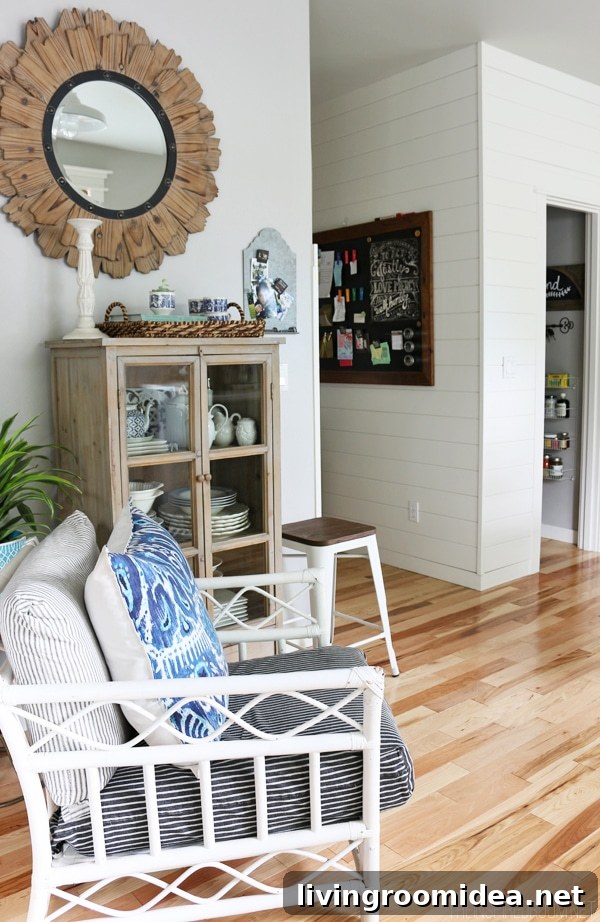 Mirror: Lulu & Georgia
There are many elements to weave together, and it helps to focus on what will make the biggest impact. You might have too much or too little to work with. The challenge is deciding what should stay, what should go, and what to introduce to transform a room within your budget. Small changes can create big improvements when chosen with intention.
My first priority in this house is defining how I want it to feel. I’m shaping a clear sense of atmosphere so I can describe it and choose the right elements to achieve it. If you can capture the feeling you want, it guides choices and prevents you from getting lost in purely visual details.
Being clear about the mood—whether calm and serene, warm and cozy, or bright and energetic—keeps decisions focused and purposeful. I’ll share a post soon with more about the vision I’m picturing for this home.
I’m also dealing with a less glamorous side of settling in: a plumbing issue that involves the sewer line. Old houses often come with surprises like this. It’s not fun, but we’re gathering information and planning the repair carefully. These practical problems are part of the process, and I try to turn even difficult tasks into projects that improve the house. The list of things to do keeps growing, as it always does—one fix often leads to another—but that’s part of the adventure of making a home.
More details and ideas for this house are on the way.
What house projects are you working on or planning right now? Let’s discuss!
 If you want a home that’s comfortable without being cluttered—authentic yet affordable, pretty but practical, streamlined and stylish—I’ve compiled tips and steps you can use right now with what you already have. No need to wait for the next house or a big budget.
My coffee table book lays out these ideas and will be available soon. It’s already discounted for pre-order at online retailers. For those looking for a deal, there was a one-day sale opportunity that offered a significant discount at one retailer; check current offers from your preferred bookseller for details.