
CHECK OUT PART ONE OF THE TOUR!
If you missed the first part of the home tour, you can find it here for more inspiration. The earlier post explores how a Northwest beach cottage can reflect its surroundings, and offers practical tips for discovering and shaping your personal style. In that post you’ll see how natural materials, light colors, and thoughtful accents combine to create a calm, welcoming atmosphere that complements coastal living.
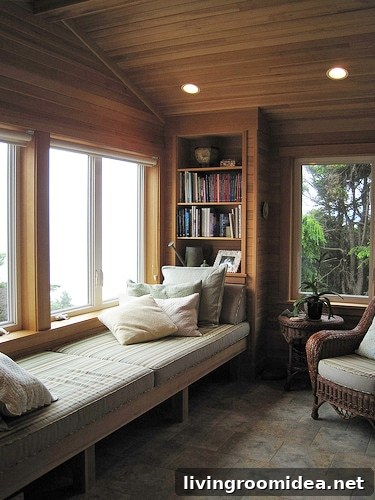
This second part of the tour continues to highlight design choices that create a sense of place without feeling contrived. A large window seat, for example, becomes more than a cozy spot to read—it frames the view, brings in daylight, and serves as a focal point for the room. Built-in seating with layered cushions and a mix of textured fabrics adds comfort while maintaining a clean, airy aesthetic. Soft throws and a few well-placed pillows give the space warmth without overwhelming the simple palette.
Throughout the cottage, furnishings balance function and form. Open shelving, woven baskets, and lightly finished wood surfaces store everyday items while contributing to the overall aesthetic. Choose pieces that feel lived-in rather than overly polished; a relaxed look lends credibility to a beach-inspired home and invites people to settle in. Subtle imperfections—distressed finishes, weathered wood, and hand-thrown pottery—add character and suggest a connection to nature and craftsmanship.
Lighting plays a key role in setting the mood. Maximize natural light with sheer window treatments or no coverings at all where privacy allows. For evening hours, layered lighting—combining overhead fixtures, task lamps, and dimmable sconces—creates flexibility. Lamps with linen shades and simple metal accents complement the coastal theme while providing warm, diffused light. Consider pendant lights over dining areas and task lighting near reading nooks to keep the home practical and inviting.
Color choices in a seaside cottage typically lean toward a soft palette inspired by sand, sea, and sky. Whites and off-whites form a neutral foundation, while muted blues, seafoam greens, and warm beige accents introduce gentle contrast. Use color sparingly on larger surfaces and reserve brighter or more saturated hues for accessories, artwork, or a single statement piece. This approach preserves a calm backdrop and allows views and natural textures to take center stage.
Textiles are another way to reinforce the relaxed coastal vibe. Linen, cotton, and light wools work well for upholstery, curtains, and bedding because they breathe and age gracefully. Layer rugs for visual interest and underfoot comfort—natural fiber rugs like jute or sisal ground the space, while a soft wool runner adds warmth. Mix patterns thoughtfully: subtle stripes, small-scale florals, or checks can coexist if kept in a consistent color family.
Artwork and accessories should feel personal and curated rather than collected to fill space. Framed photography, simple landscapes, or abstract pieces in soft tones enhance the environment without competing with the view. Groupings of objects—ceramic bowls, driftwood pieces, or travel finds—work best when balanced and intentionally arranged. Less is often more: leaving breathing room around items helps the room feel organized and peaceful.
Practical elements—storage, durable surfaces, and easy-to-maintain fabrics—ensure the home is livable for everyday life. Choose textiles that can withstand frequent use, and consider slipcovers for sofas and chairs to simplify cleaning. Built-in storage solutions, like window seats with hidden compartments or shallow cabinetry, keep clutter out of sight while preserving the home’s relaxed look.
Finally, personalize the cottage with items that reflect your life and interests. A small collection of books, family photos, or handmade objects tells a story and makes the space feel uniquely yours. The goal is a home that feels both restful and welcoming—one that honors its coastal setting through materials, light, and thoughtful, restrained design choices.