
We previously shared our beach house style inspiration while the pink house was just beginning to come back together. Now that the duplex is reaching that same stage, we wanted to outline our design vision — from materials and color ideas to room functions and features we plan to include.
It’s never too early to start making the many decisions a major renovation requires. Trying to choose everything at once will burn you out, so from the moment we offered on the duplex I started a large Pinterest board to collect ideas over time.
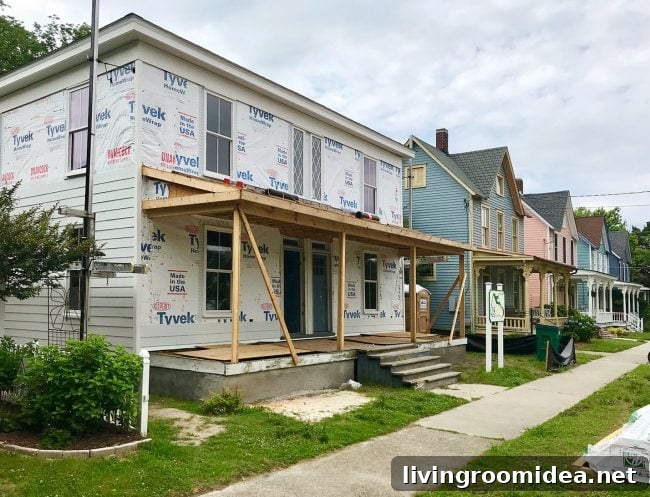
John and I have been narrowing those collected ideas to identify what we love most, so we won’t be scrambling at the last minute to finalize colors, counters, tile, lighting, rugs, and basically everything else. We don’t have every detail locked in, but we’re far more focused than when we started. Below is a look at the primary inspiration guiding the duplex remodel.
The Overall Plan
Like the pink house, we want the duplex to feel relaxed, uncomplicated, comfortable, and like a blend of old and new. We’ll resist overfilling or overdecorating so the spaces remain light and easy to maintain for renters. The home still has original details worth keeping — doors, floors, and the diamond grille windows — and we recently uncovered an old brick chimney that runs through both sides. We plan to expose that chimney and create a small niche with shelves in each main bedroom.
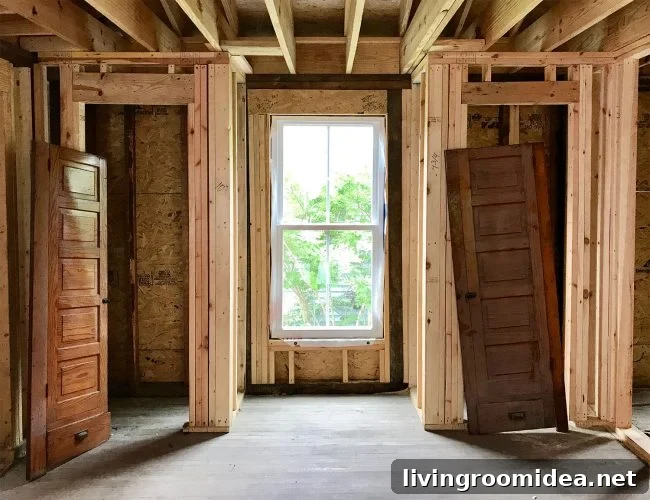
We also want the duplex to read beachy, fresh, and coastal. Much of the interior detail was removed over years of rental use, so we have a chance to introduce lighter, coastal touches that differ from the pink house (which retained things like a curved wall, stained glass, and antique fixtures). We’ll refinish original floors and reuse old doors, while layering relaxed colors — mint, pistachio, soft pink, blue-gray, aquamarine — paired with crisp white and warm coastal wood tones.
Because the building is two separate residences, we have double the rooms to plan: two living rooms, two kitchens, two dining areas, two mud/laundry rooms, and a total of six bedrooms and six bathrooms. We won’t decorate both sides identically — more like cousins than twins. For example, the powder rooms might feature the same tile pattern but in different colorways, giving each unit its own personality while maintaining cohesion.
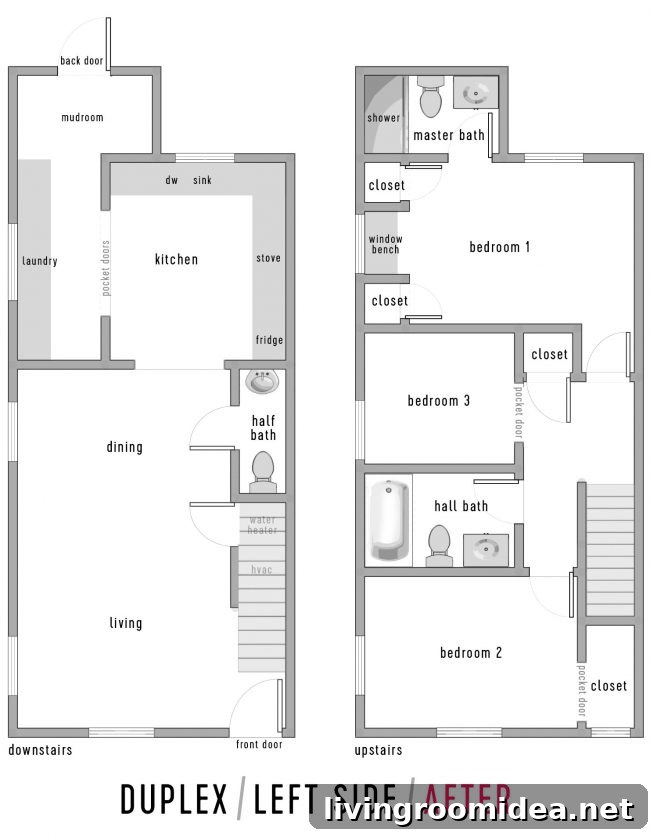
Below is an updated floor plan for one side (the other is mirrored). It’s a helpful refresher if you want a sense of flow and layout.
With the overall plan in place, here are some area-specific ideas we’re excited about.
The Exterior
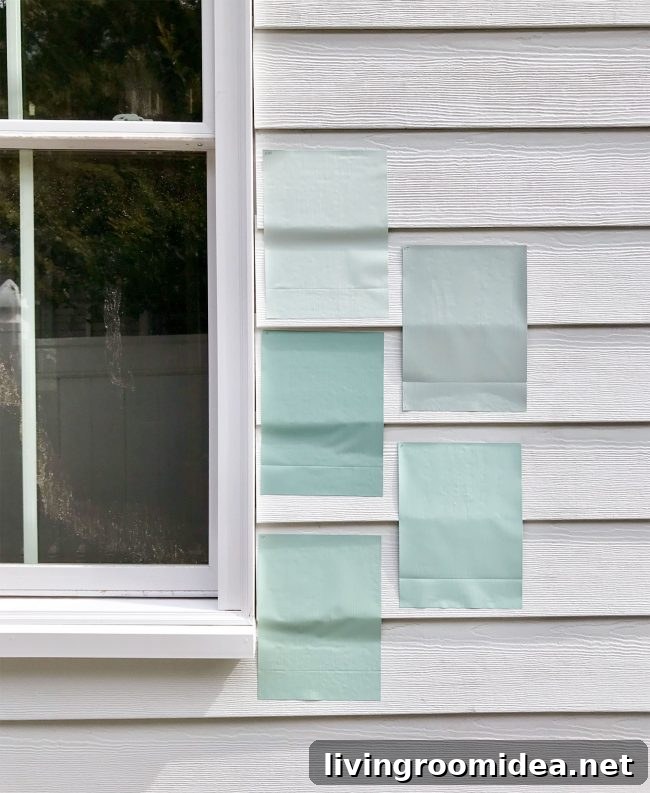
The house sits in a historic district, so the exterior will be a refreshed version of the original: shutters, corbels, and no dormer on the roof. We’ll keep the siding white but replace rotted wood with durable HardiePlank in an Arctic White tone. To boost curb appeal and add a beachy feel, we plan to add mint green operable shutters and paint both original front doors the same mint color — a lively complement to the street, which already features blues and pinks but not much green. Because the façade has abundant shutter coverage, the house will read as colorful rather than plain white. We’re also considering a soft pink porch ceiling as a subtle nod to the neighboring pink house.
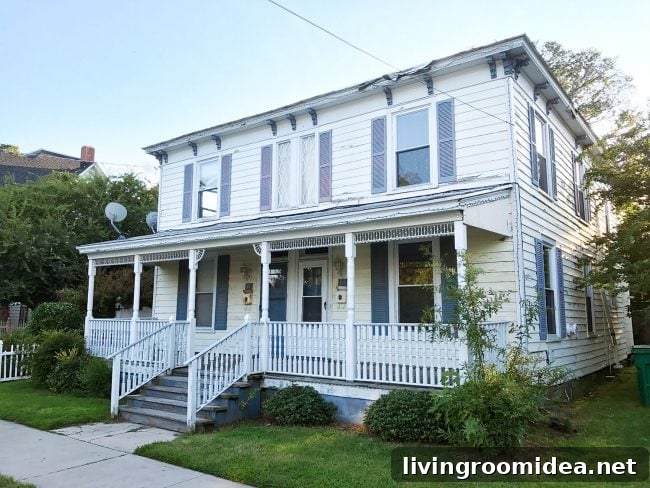
We began testing mint paint options using removable paint decals and plan to paint one door first to confirm the shade before finishing all the shutters.
The Transom Window
We decided to add an interior transom above the opening between the kitchen and main living area. The opening has already been framed wider, and our contractor can rework the header to raise space for a transom. It’ll be visible right from the front door and will help reintroduce a classic architectural detail that complements the other original elements we’re keeping.
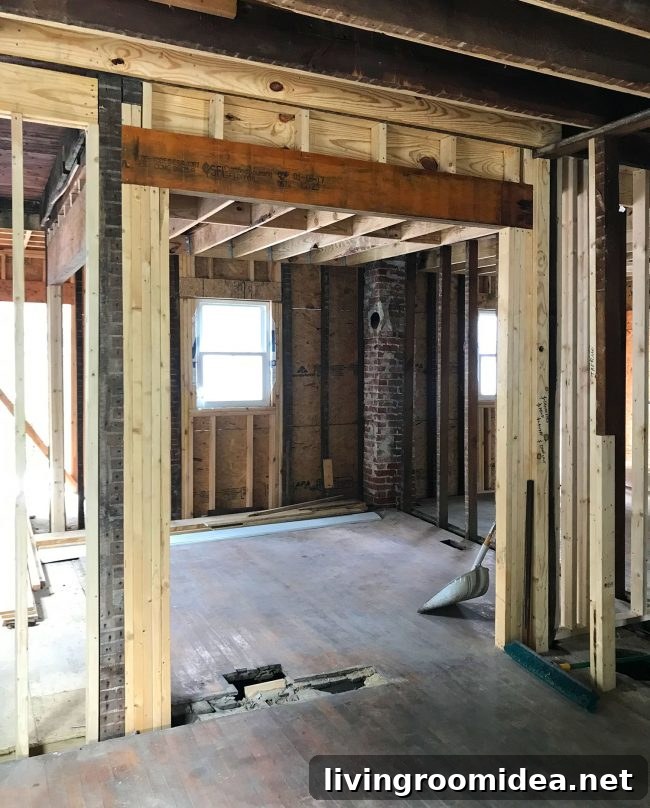
We’re still exploring design options — I’ve been tempted by diamond panes to echo the front windows and an old diamond door we rescued for the mudroom — but a tall, decorative transom will add a lot of character to the wide opening.
The Kitchen
We’d like to introduce color in the kitchens, possibly by painting the base cabinets (one unit in a soft blue, the other in mint) while keeping most surfaces white to preserve brightness. An exposed brick chimney in a corner will add texture and historical interest. Because two custom kitchen runs could increase cost, an alternative is to add color via backsplash tile while keeping cabinets a simple white or warm wood tone, allowing each side to have distinct tile patterns or colorways without the full cabinetry expense.
The Stair Railing
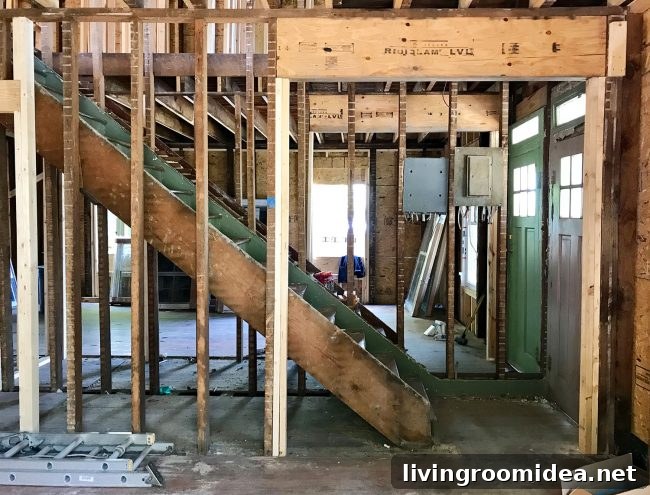
We opened up previously closed-in stairs on both sides, creating visible railings. While a traditional wood newel and railing would be historic and lovely, we’re interested in blending old and new by exploring a fresh coastal option like a metal horizontal railing. We already have an original wood railing at the pink house, so trying a different material here feels appropriate. We’re talking with a local metal worker and weighing costs, since that may influence the final choice.
The Main Living Area
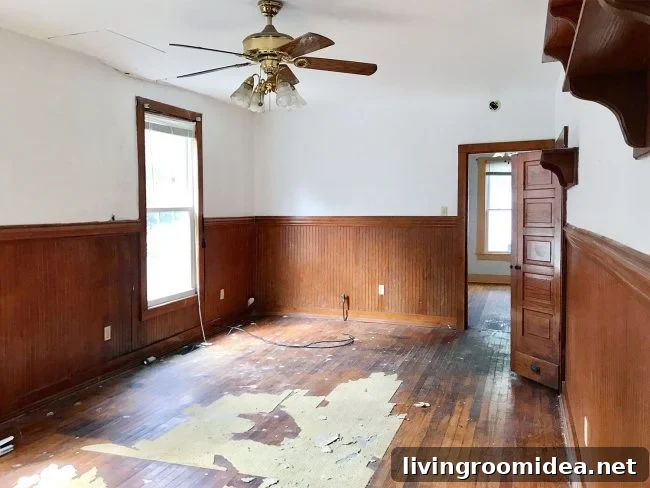
The large downstairs room will serve as both living and dining areas. To prevent the room from feeling too long or bare, we’re considering a molding treatment on the walls or ceiling to add proportion and interest. We’re also debating whether to use shiplap or another subtle texture to keep the space feeling coastal yet refined.
The Powder Room
Each side has a small downstairs powder room, which offers a chance to be playful. These little spaces under the stairs can be dressed up with colorful wallpaper or wall treatments to create a cozy hideaway. The floors will likely match the first-floor hardwoods (the mudroom will be tiled), so we can take more liberties with bold walls and affordable wall molding to tie the powder room visually to the adjacent living area.
The Full Bathrooms
The upstairs bathrooms are compact, so tile can be a defining feature. We love playing with shapes and patterns — subtle stripes or zig-zags — and using the same tile in different colorways across the two units. Budget and durability are priorities, so we’ll look for options that are attractive but practical for rental use. Because the spaces are small, we may be able to splurge a little on standout tile without a huge expense.
There are more rooms to plan — bedrooms, backyard, laundry — but this captures the overall vision: beachy colors, restored original wood floors, pocket doors, interior transoms, thoughtful tiling, and a mix of old-meets-new details that will make the duplex feel welcoming and unique.
Are you on our free email list? We send weekly emails with design tips, bonus details, and house-related updates. If you’d like to receive them, consider signing up through our newsletter.