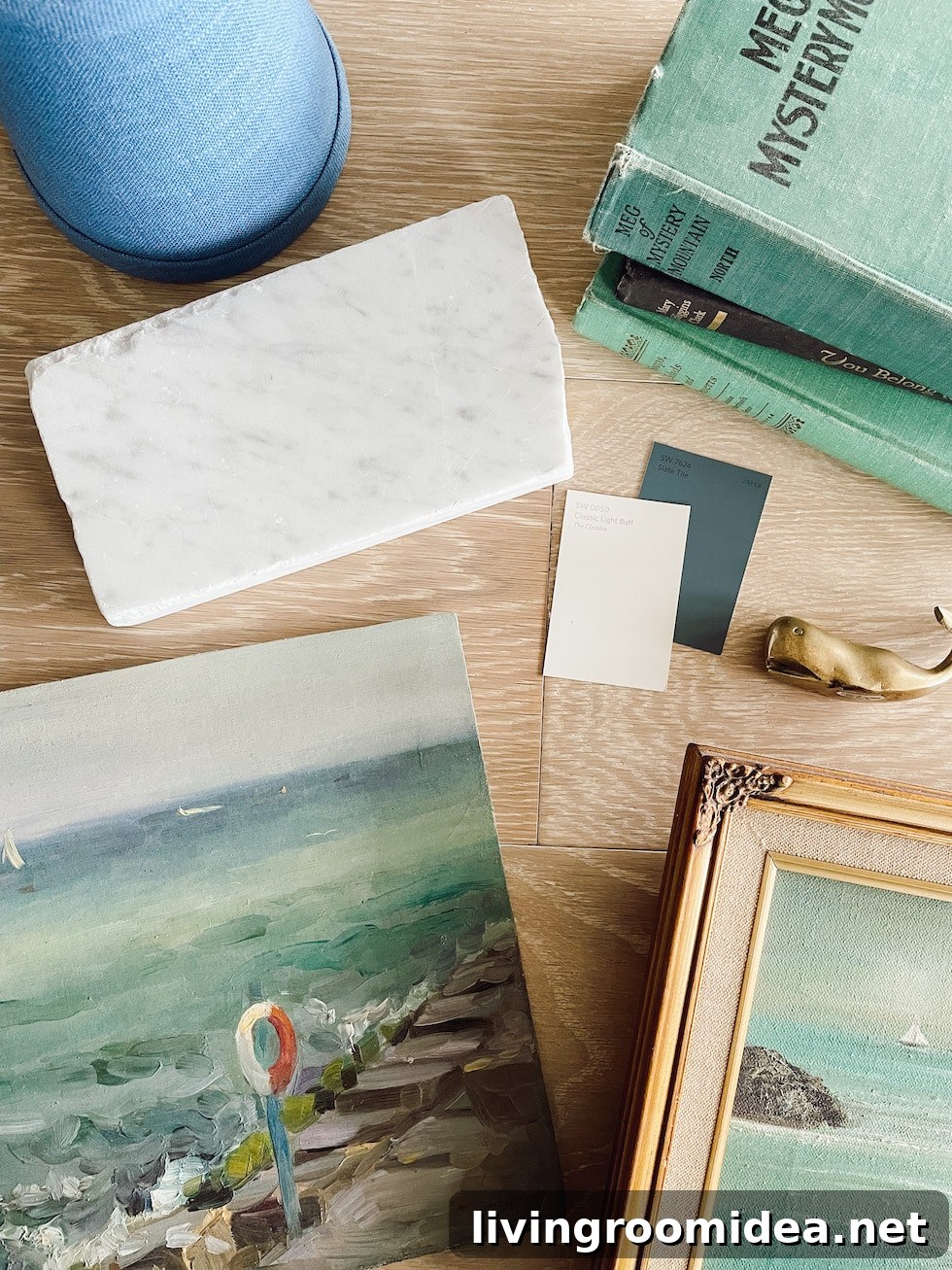
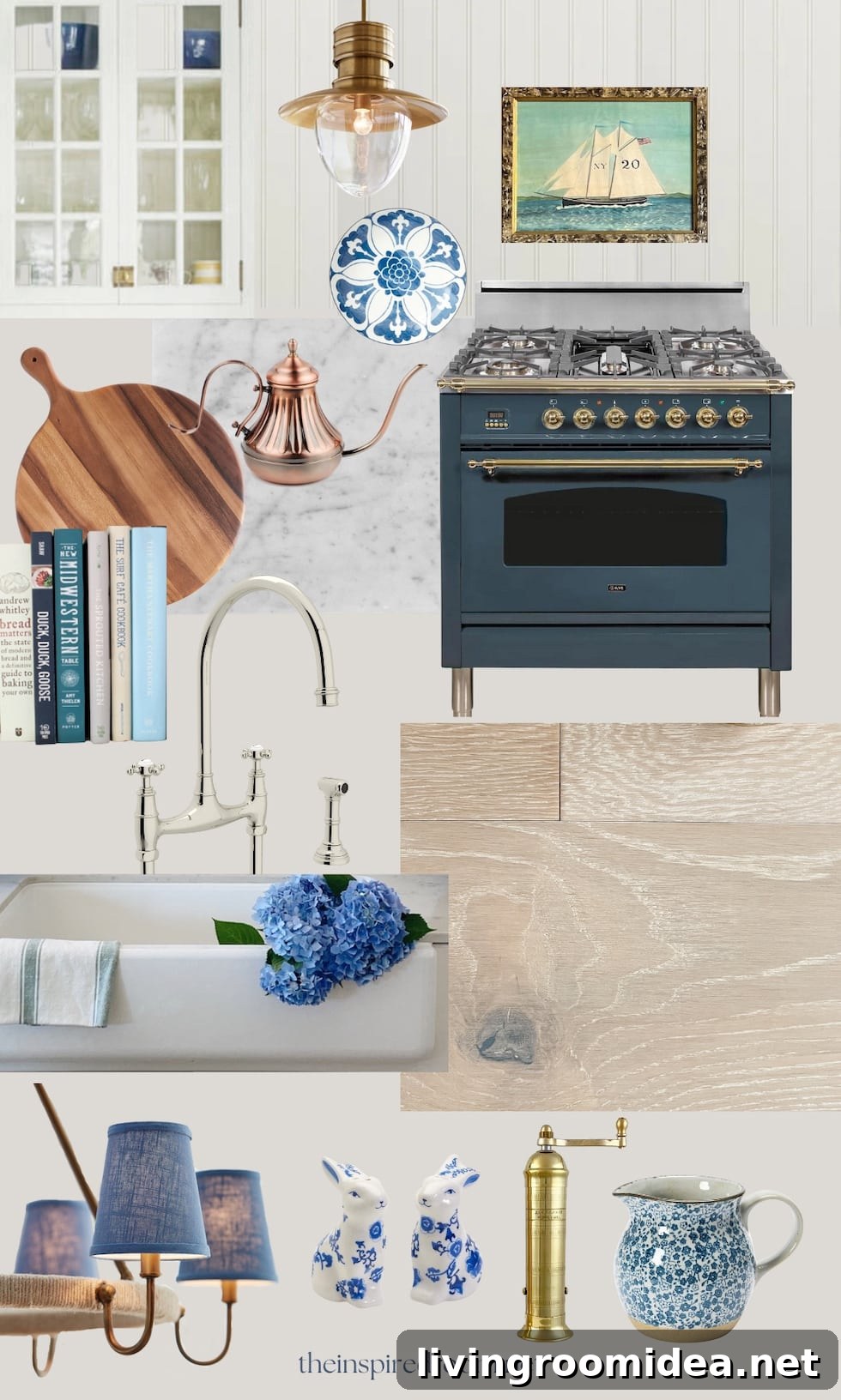
I’m excited to share our kitchen design mood board and five questions to ask yourself when planning a kitchen. Each element was chosen to create the calm, coastal mood that suits our home. Construction begins in the next few weeks and the kitchen will soon become real.
Designing a kitchen is a big decision. If you care about the outcome and enjoy many styles, it’s easy to overthink. I tend to be thorough with big investments; that process gave me confidence to move forward with decisions I love.
Below are the guiding thoughts that helped me make choices and arrive at the design we’re about to bring to life.
1. Consider your home’s surroundings and location.
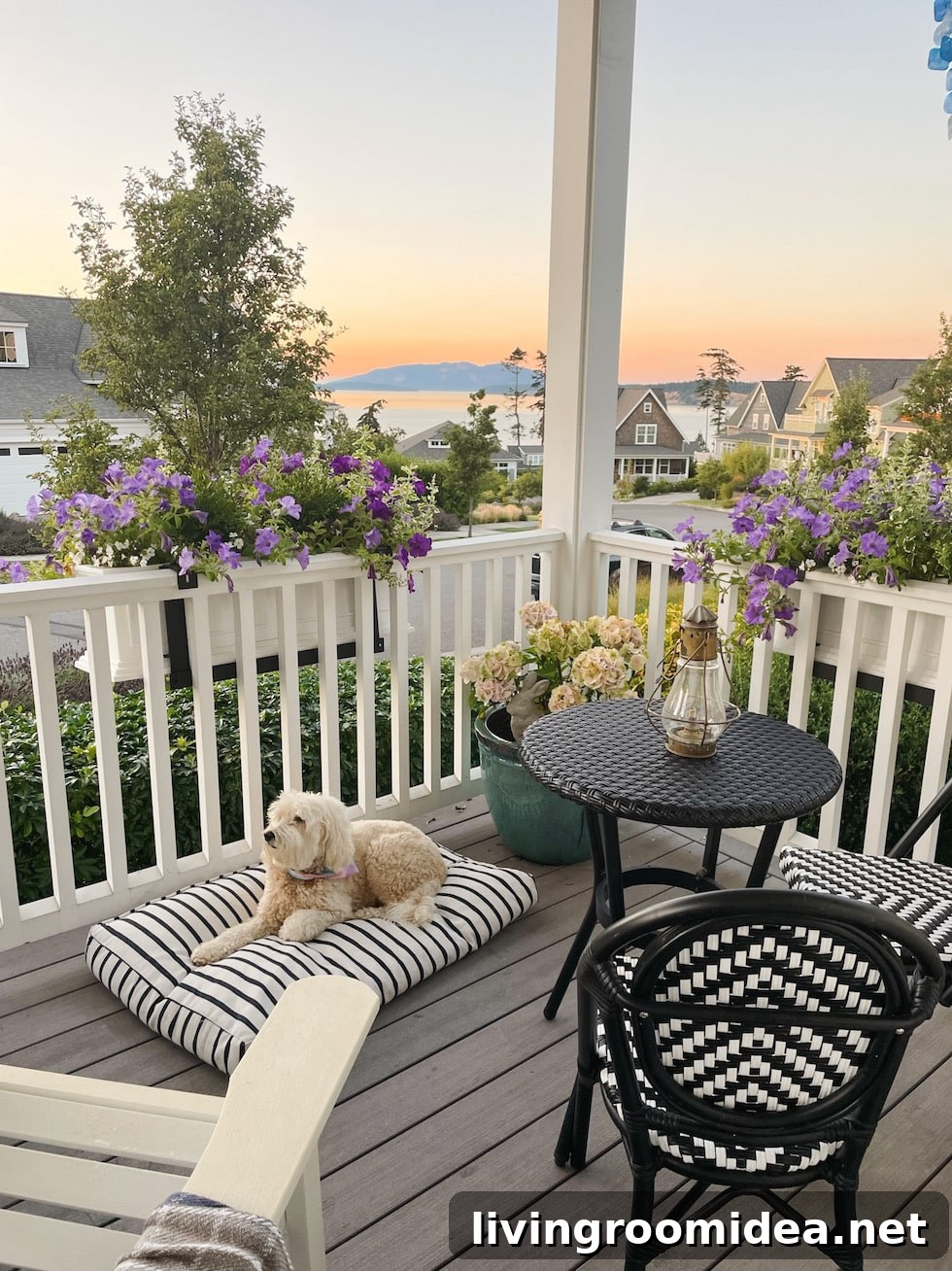
Our home is unmistakably coastal: water views, easy beach access, island living in Washington surrounded by evergreens and the Salish Sea. Your location doesn’t dictate style, but it can inform choices that make your home feel in harmony with its surroundings. Light, color, and materials can connect indoors and out, and it’s worth thinking about how landscape and daylight will influence the mood of your kitchen.
You don’t have to live on the coast to include coastal elements. Coastal influences can be adapted to any setting through palette, texture, and accessories.
2. Choose design elements that complement your home’s style.
A kitchen should feel like it belongs in the house or enhance the home’s existing mood. If your home doesn’t have a clear style, choose elements that make sense together. I love coastal design, but first I asked what coastal meant for our specific house. Drawing on Nantucket-inspired details from our neighborhood—beadboard, shaker cabinetry, marble, brass and polished nickel, organic neutrals and muted color accents—helped me land on a timeless approach that suits our home.
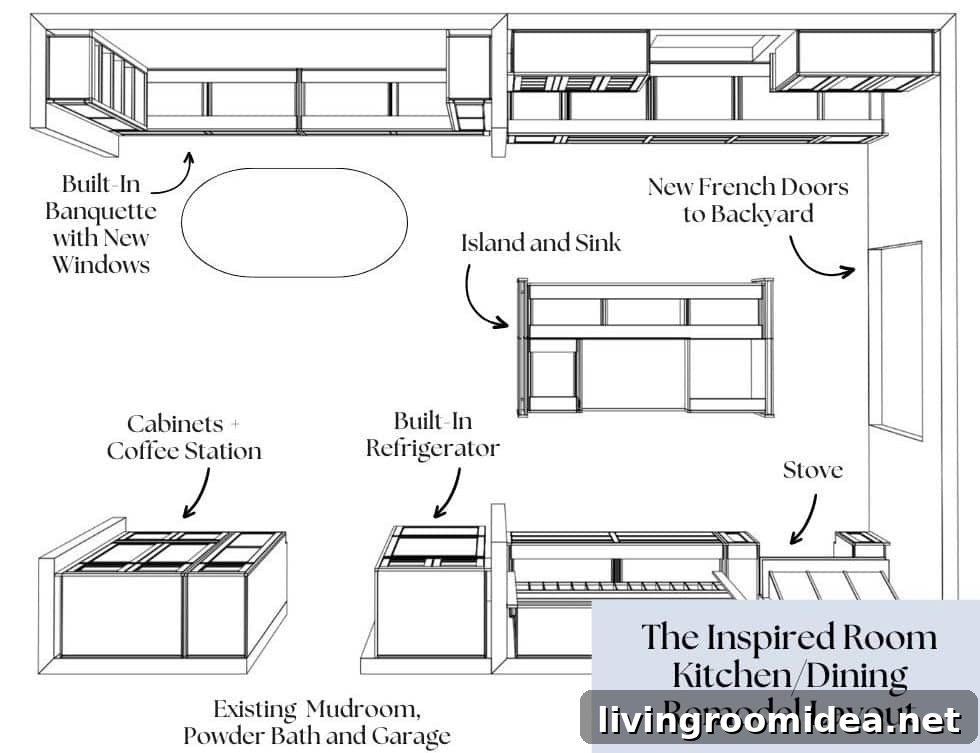
3. Account for existing features and limitations.
Our kitchen remodel needed to respond to existing windows, a dining room opening, and a new set of French doors that take up most of the back wall. That left only two walls for cabinetry and storage, which shaped layout and design choices. Small or constrained spaces require practical solutions—maximize the walls you have and consider how doors and openings affect appliance and storage placement.
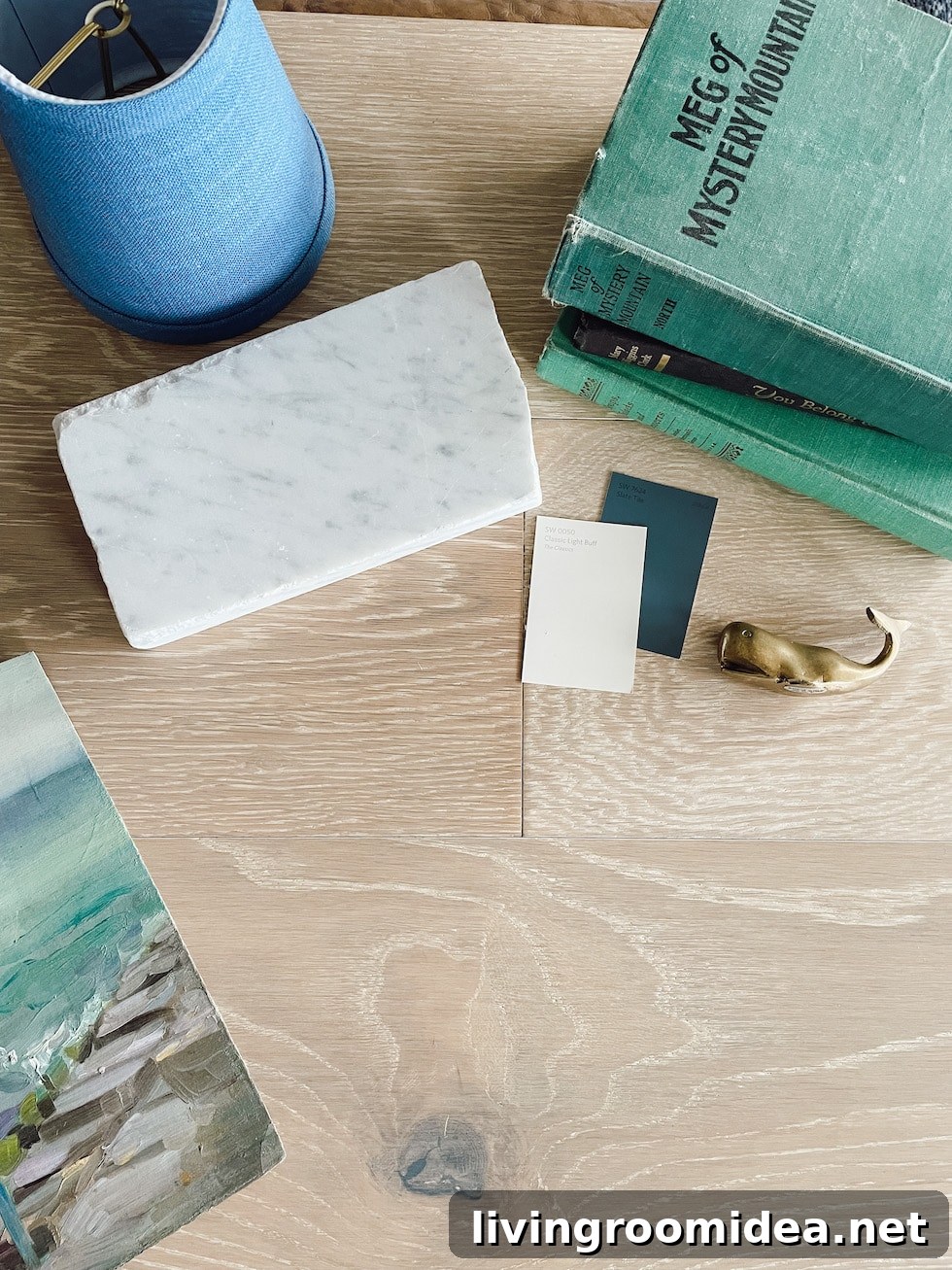
Test paint samples and materials in your actual light. We spent weeks trying colors on every wall to see how they read from adjacent rooms. The direction and quality of light can change how colors feel, so hold initial ideas loosely until you’ve tested them in the space.
Although moody, dark cabinets are a strong trend, our light-filled kitchen called for a lighter, warmer palette that feels happy and welcoming. Describe the mood you want—light, warm, organic—and use those words to guide decisions so the final result suits your home.
4. Define the purpose of the space.
Who will use the kitchen and how? We’re empty nesters but host family often, so circulation, flow to the backyard, and flexibility were priorities. Our main floor is small, so we aimed to keep distinct rooms while maximizing openness and storage. Design for how you live: if you cook and entertain, prioritize prep space and flow; if you collect and display dishes, plan for open shelving or glass cabinets. Designing for your needs first ensures the space will function well, then layer in aesthetics you love.
5. Decide on your style elements.
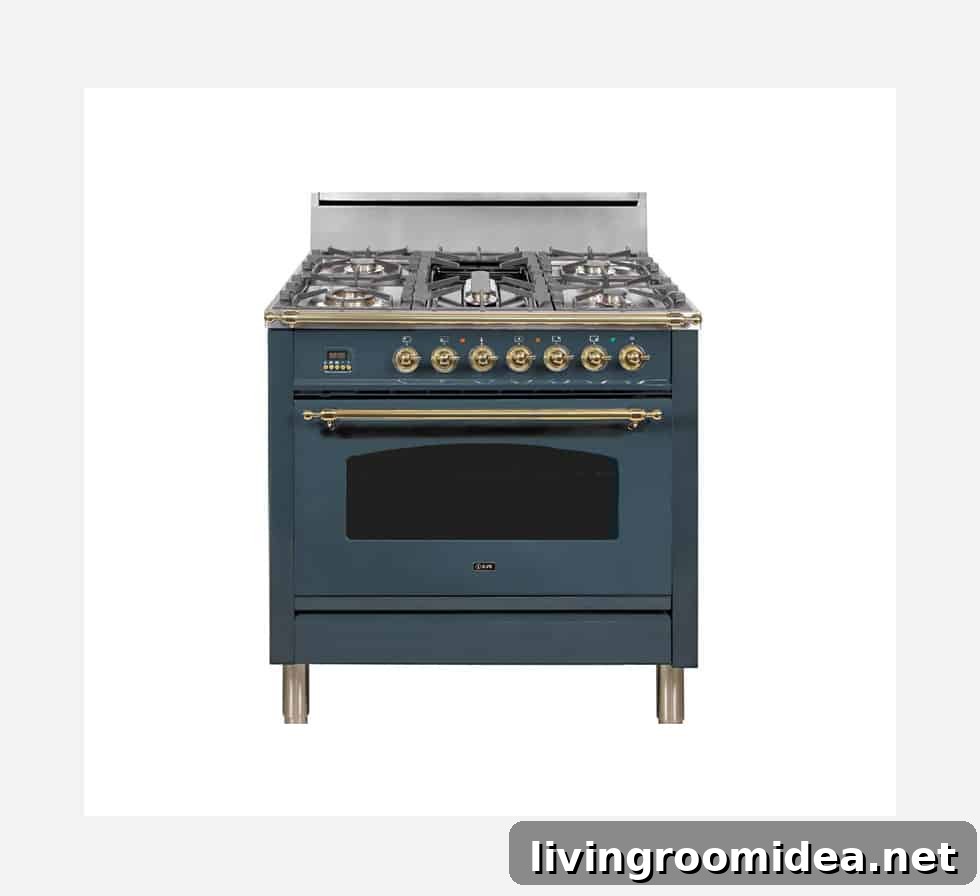
Early purchases can anchor the design. I chose a special range and faucet that set the tone—the range’s color became a statement piece and the rest of the kitchen supports it. With a neutral organic palette, we emphasized character, texture, warmth, and curated display spaces for seasonal accessories. Think about what you love to display: cookbooks, dishes, artwork, or seasonal décor—and plan built-in spots for those items.
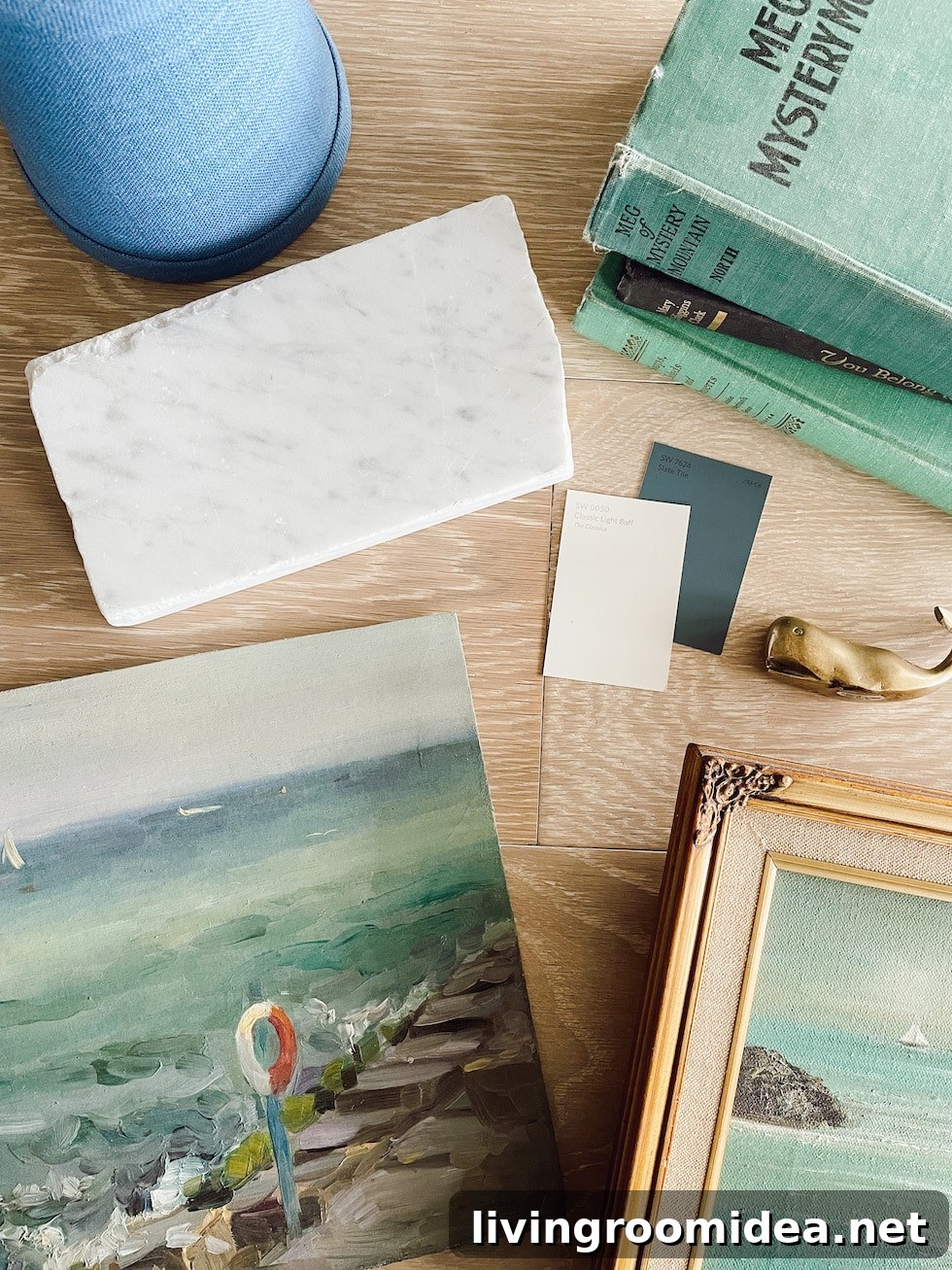
We experimented with flat lay mood boards—laying accessories, samples of flooring and counters to test combinations. That helped clarify permanent decisions and which details could remain flexible.

Designing a kitchen means narrowing choices. There are countless beautiful directions—light or moody, white or cream cabinets, dark or light wood—but at some point you must commit. Once you settle on your direction, the project gains momentum and everything begins to come together.
I still have more to share about the process, but I hope these five questions give you a helpful starting point when planning your kitchen.
If you want more guidance in creating a home you love, consider courses that walk through foundational design steps and practical exercises.
Members of HomeBody Gathering Place get instant access to workshops and printable resources that help you plan rooms with intention. These courses include step-by-step lessons, printables, and community support to help you organize ideas, save inspiration, and apply a consistent method across rooms.
Make sure you’re subscribed to email updates to receive future posts and follow along on Instagram for more behind-the-scenes updates.
More posts about our kitchen remodel:
My New Kitchen Floor Plan + Parents’ Addition and Exterior Elevation
Adding Character in a Kitchen Remodel: The Tale of Our New Range and Faucet