
A home isn’t built in a day (unless you’re watching a makeover show—then everything appears finished in about 30 minutes). The rooms that catch our eye in magazines or online were often created over months or years, sometimes with the help of a design team. If your home doesn’t yet feel cohesive or fully “you,” it’s likely missing a few key elements that create warmth and function.
If your space feels incomplete, below are practical, easy-to-implement ideas to help it feel more finished and comfortable. You don’t need to do everything at once—layer items over time, shop within your budget, and allow a little trial and error as you discover what you truly love.
Furnishing a room or an entire home can feel overwhelming, but start with the essentials and build from there. Enjoy the process of shaping your space into a place where you feel at home.
Full Curtain Panels
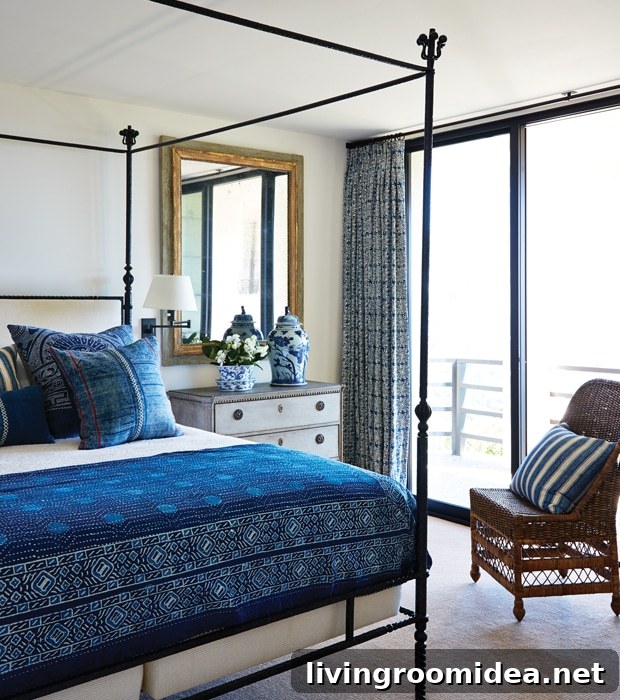
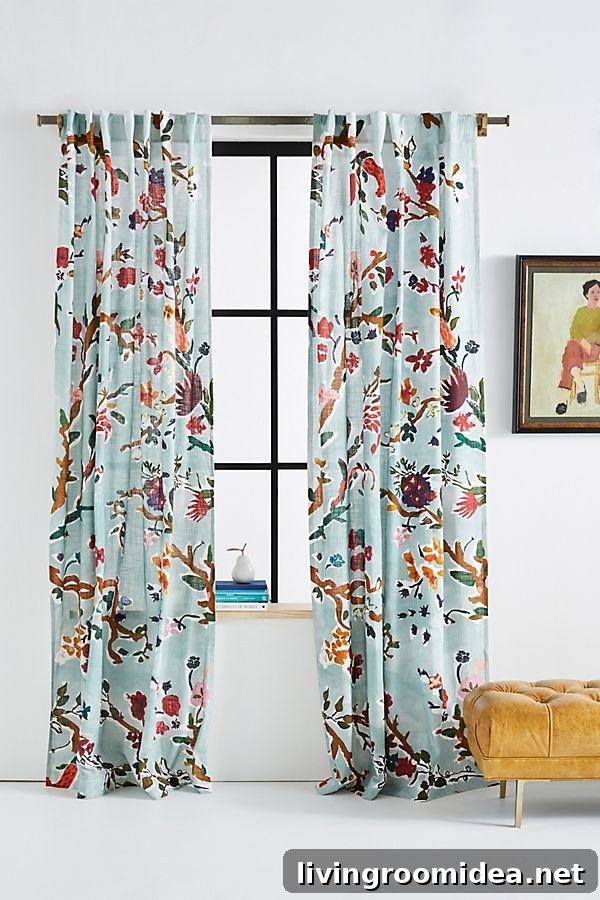
If a room feels cold or bare, full curtain panels can add instant warmth and softness. Opt for wide, full panels rather than narrow, flimsy ones. If store-bought curtains are thin, consider doubling them to achieve a fuller, richer look.
Conversation Areas
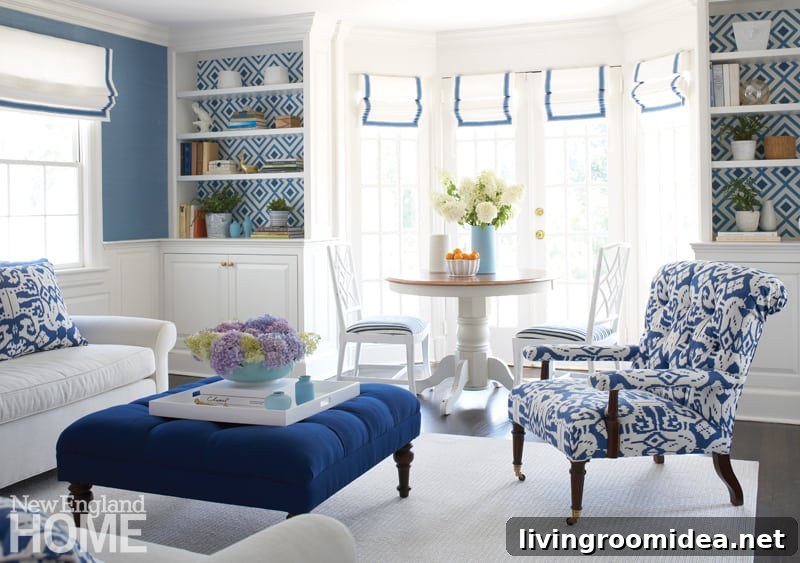
Arrange seating so people can comfortably talk without having to shout across the room. Pull furniture in close enough to create a cozy conversation area, add nearby lamps for evening light, and place side or coffee tables within easy reach for drinks and books. For a room starting from scratch, prioritize a comfortable place to sit—a sofa or a dining set—and add rugs, ottomans, lighting, and side tables over time.
A Cohesive Color Palette
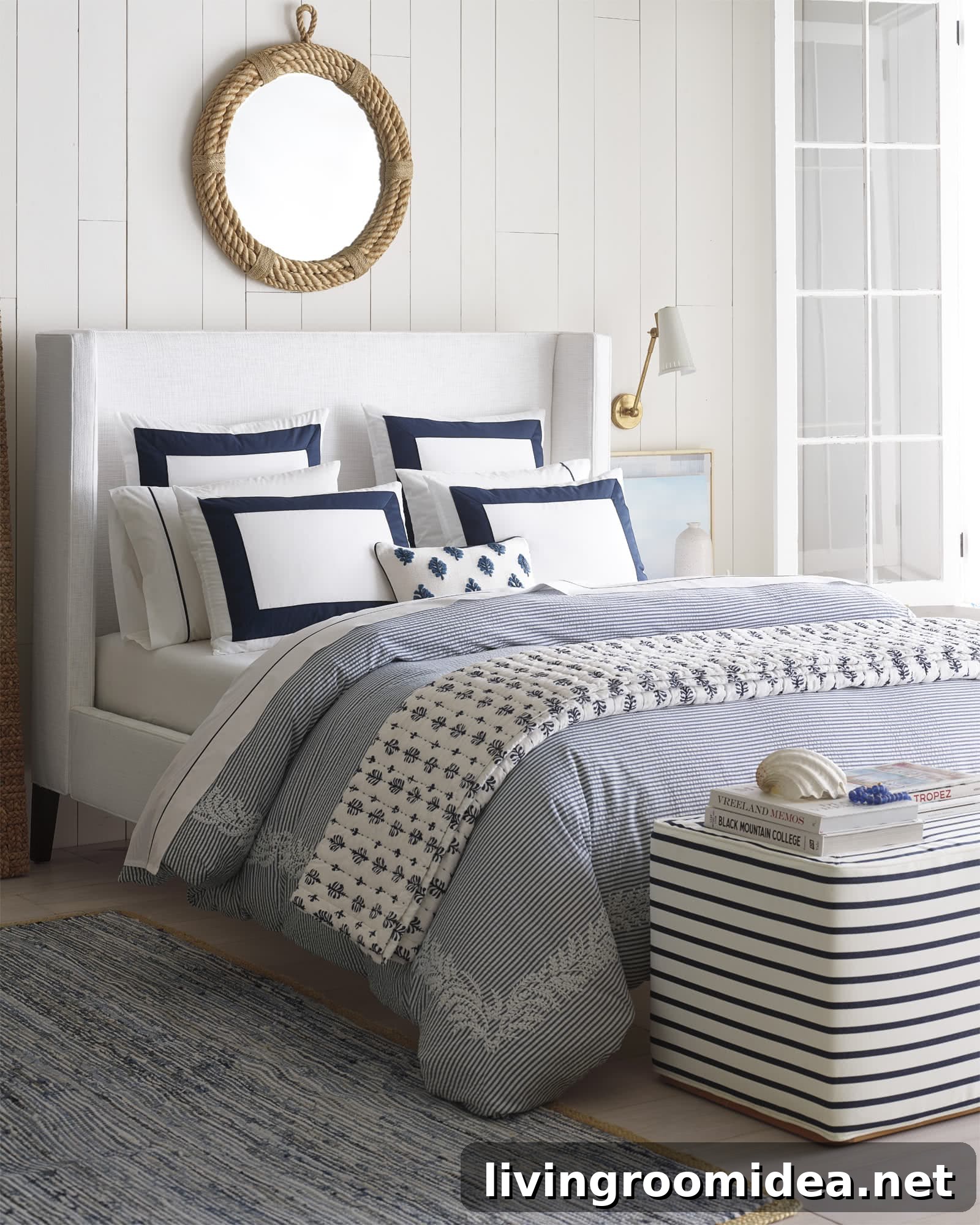
A unified color palette helps rooms feel intentional and calming. Cohesion doesn’t mean everything must match—choose one color or tone to repeat throughout the space to connect furniture, textiles, and accessories. Subtle variations in hue and texture will keep the look layered and interesting.
Breathing Room
Sometimes the missing element is negative space. Avoid overcrowding surfaces and furniture; give each item room to be seen. Allowing breathing room around pieces creates balance and lets your favorite items stand out instead of competing for attention.
Landing Spaces
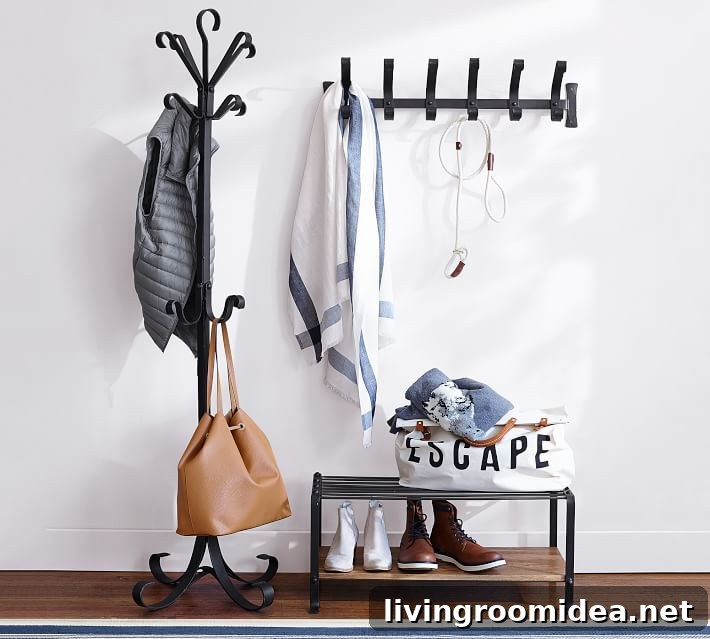
Every room benefits from designated landing spots for daily items. Without them, clutter builds and spaces feel chaotic. Provide hooks for jackets and bags, a bowl or tray for keys, and a spot for leashes or backpacks so everyday items have a consistent home and the room stays tidy.
Layers of Lighting
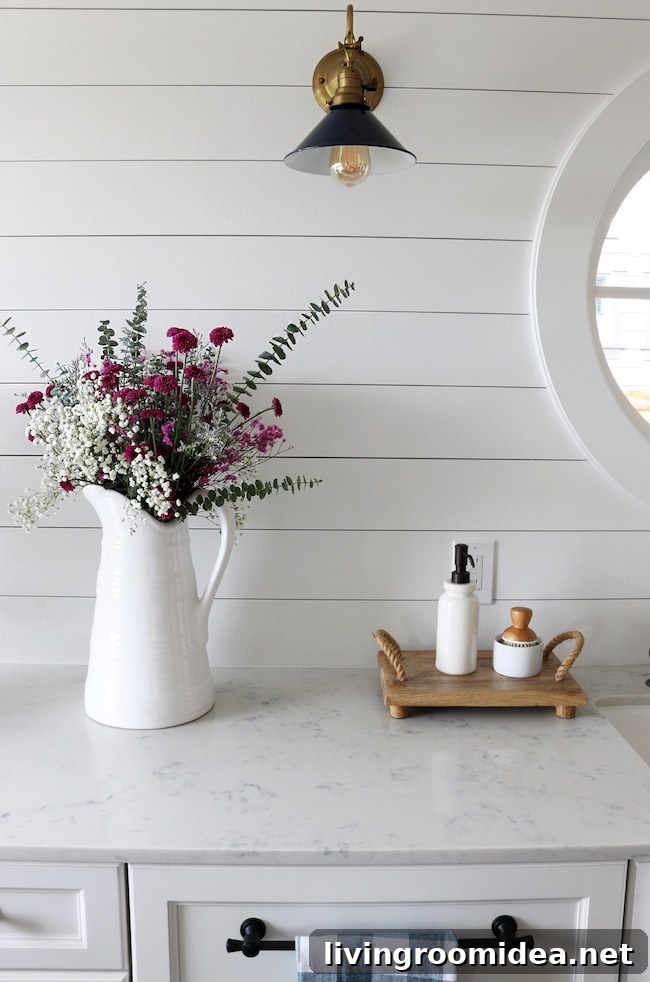
Relying on a single overhead light can make a room feel flat or gloomy. Layer lighting with lamps, wall sconces, and task lighting to create warmth and depth. In a living room, start with at least two lamps so light is distributed evenly. Add task lighting where you read, work, or pursue hobbies to make the space functional as well as inviting.
In many kitchens, a combination of recessed lights on a dimmer, wall sconces, and a counter lamp can create a flexible and pleasant atmosphere. Multiple light sources allow you to adjust mood and function with ease.
Bookshelves
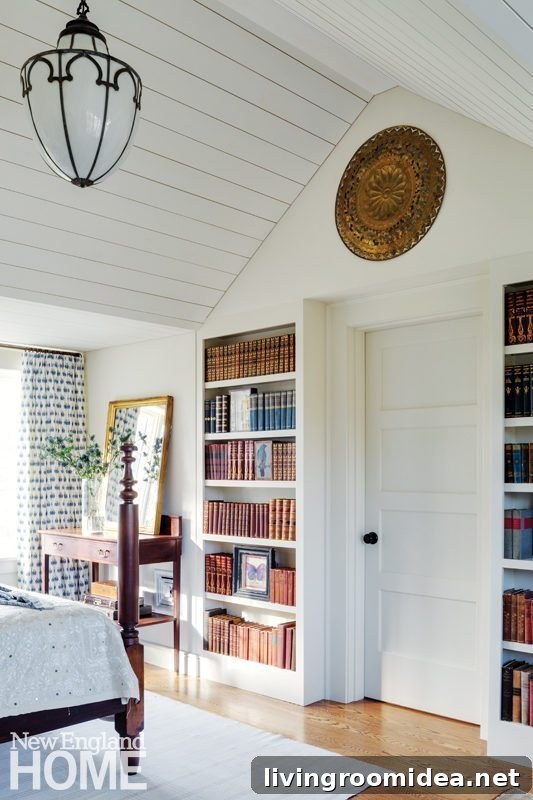
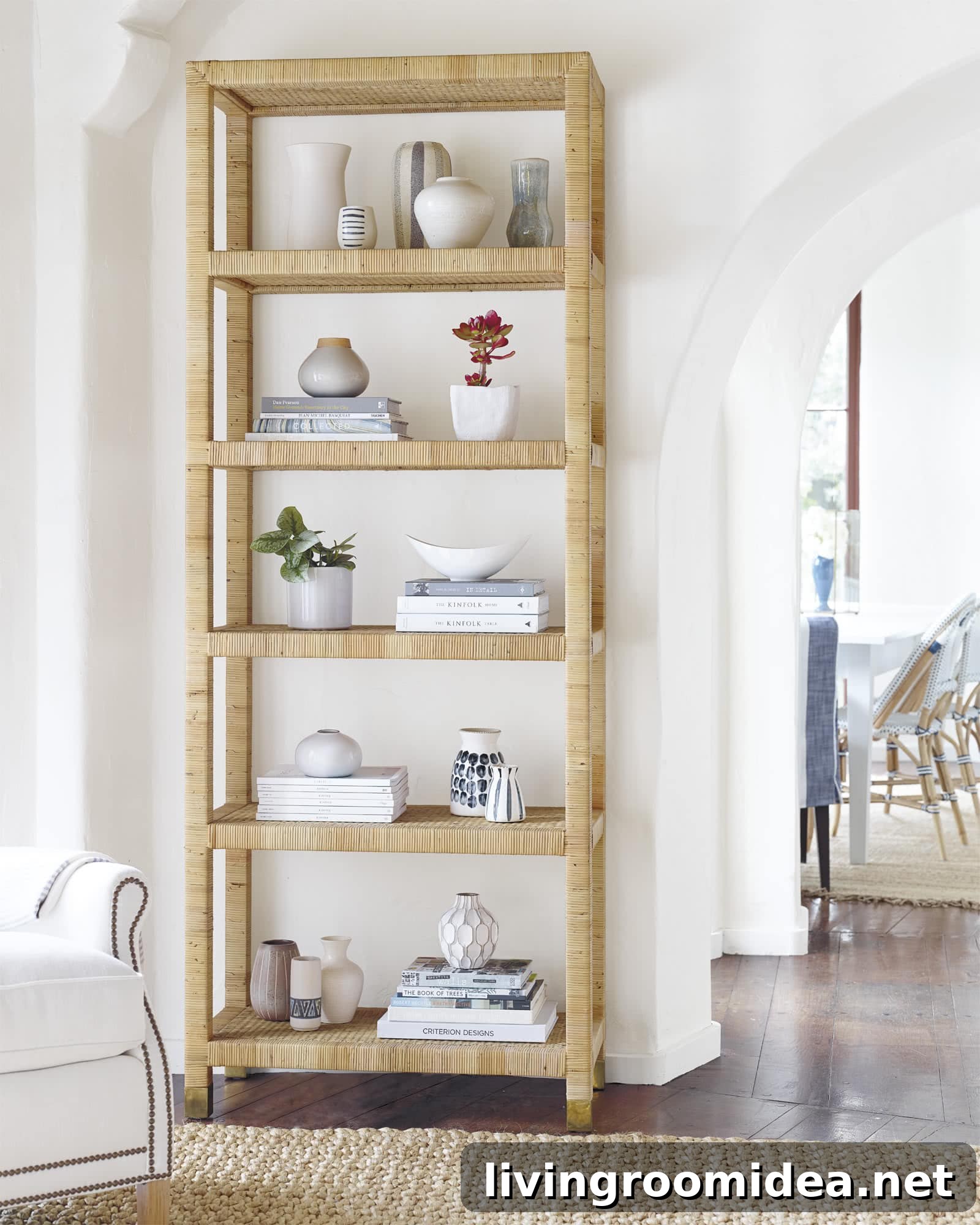
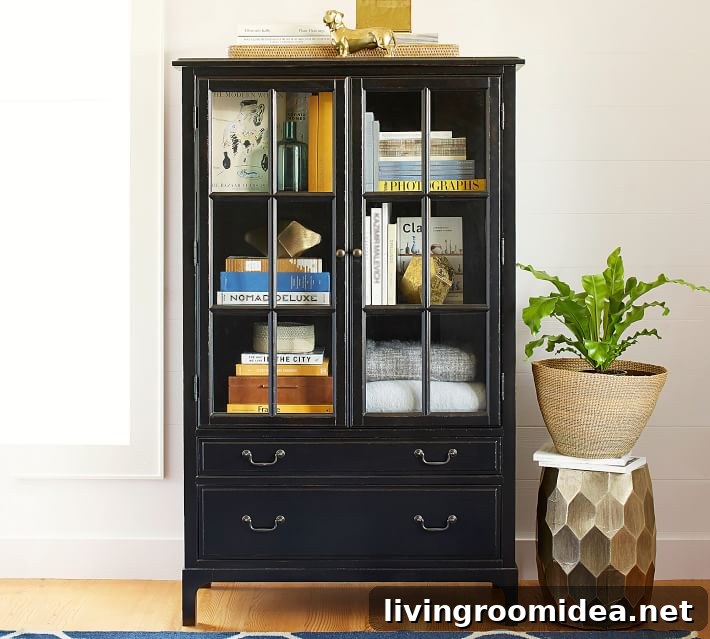
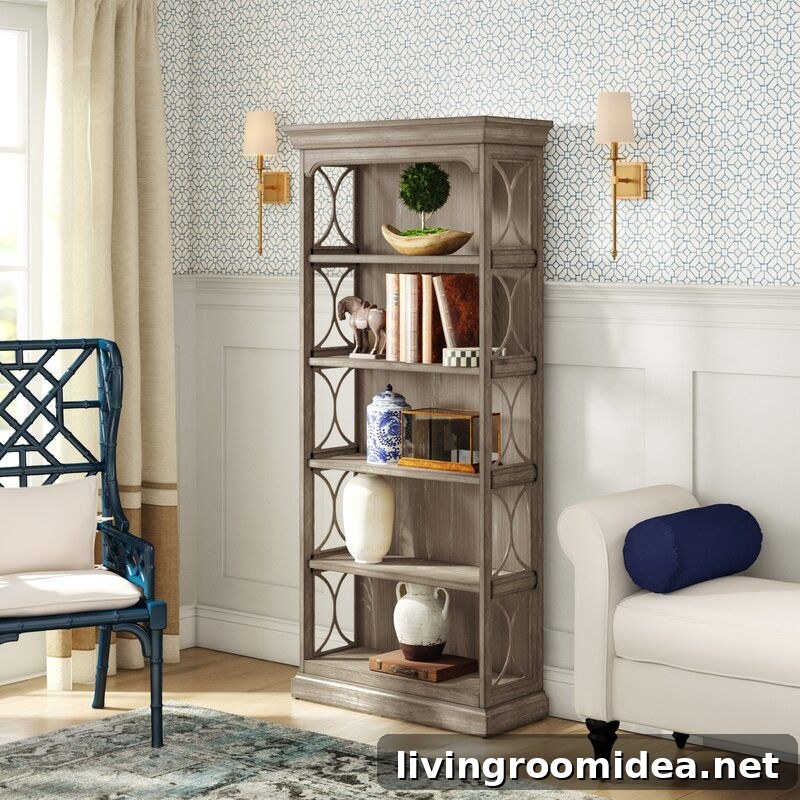
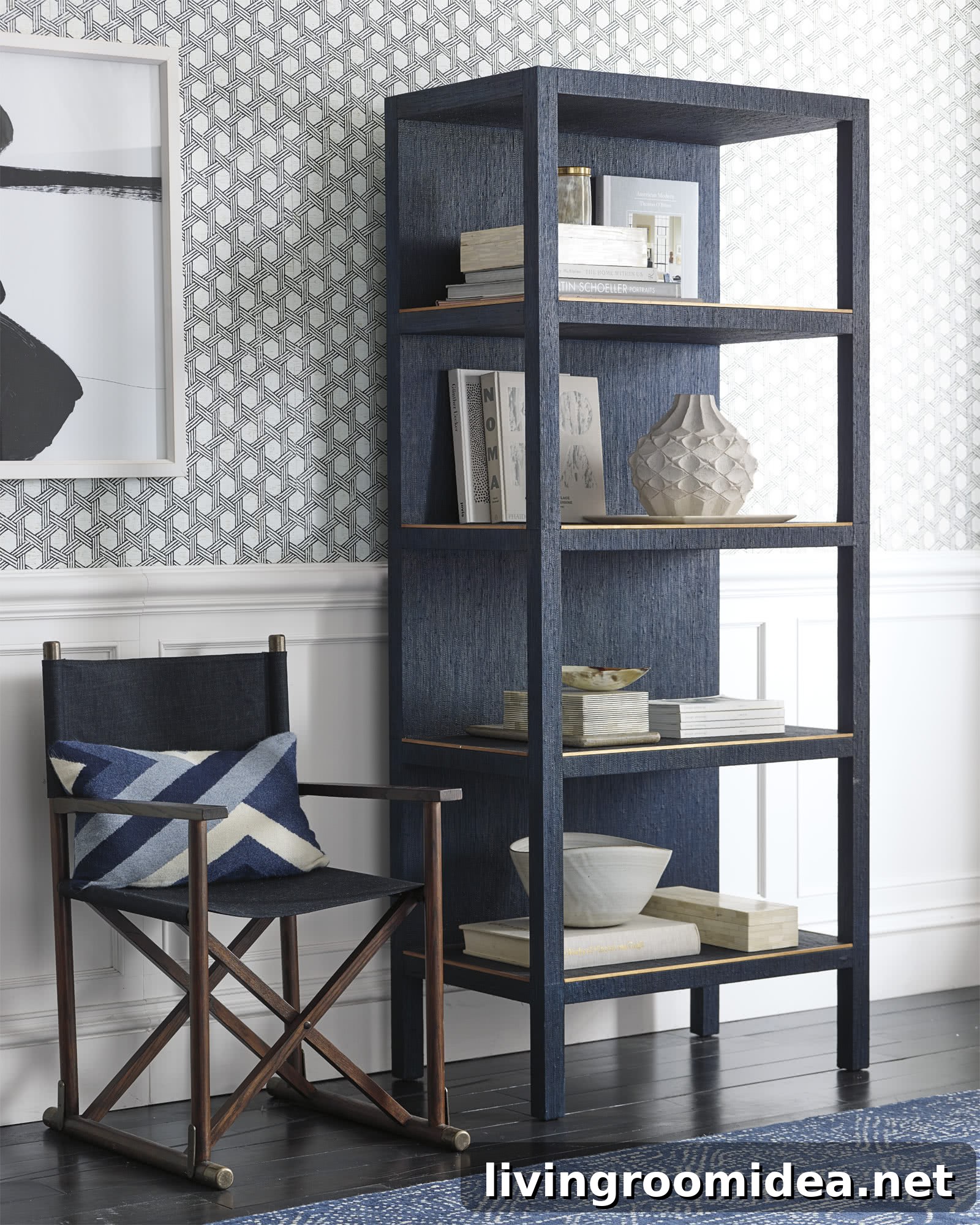
Bookshelves bring personality and practicality to any room. Use them to display books you love, family photos, favorite dishes, or curated collections. Well-styled shelves add a lived-in, collected feeling that makes a house feel like home.
Area Rugs
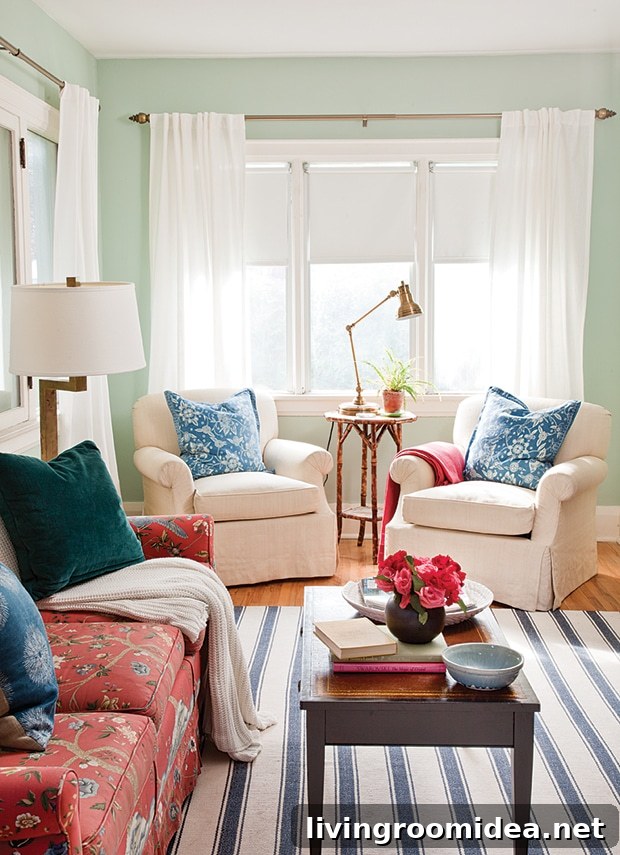
Area rugs soften floors and visually anchor furniture. A large rug that nearly fills a room makes the biggest impact. For conversation areas, position furniture so at least the front legs of sofas and chairs sit on the rug—this creates a unified, intentional grouping.
Choosing the right rug can transform a room; consider size, texture, and color to complement your layout.
Slow, thoughtful decorating pays off. Focus on the elements above—curtains, conversation areas, a cohesive palette, breathing room, landing spots, layered lighting, bookshelves, and rugs—and your home will feel more finished, welcoming, and truly yours.
Related posts:
How to Decorate: The Slow Process to a Style You’ll Love
5 Things Every Small Bedroom Needs
Finding Your Signature Style
How to Get Out of a Decorating Slump
One Essential Decor Element You Probably Need More of In Your Home
10 Tips for Styling a Large Living Room and Other Awkward Spaces
10 Helpful Guidelines for Decorating Walls