
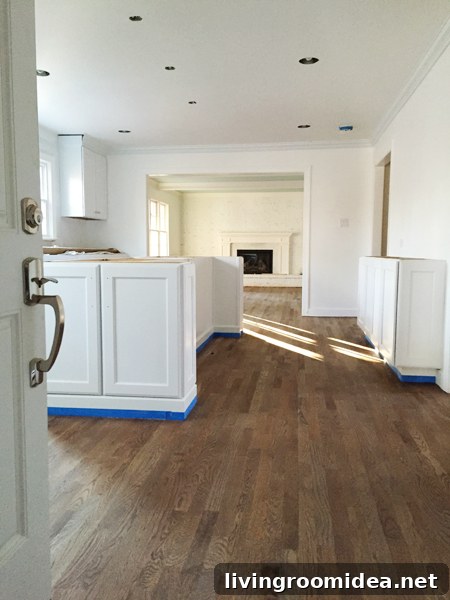
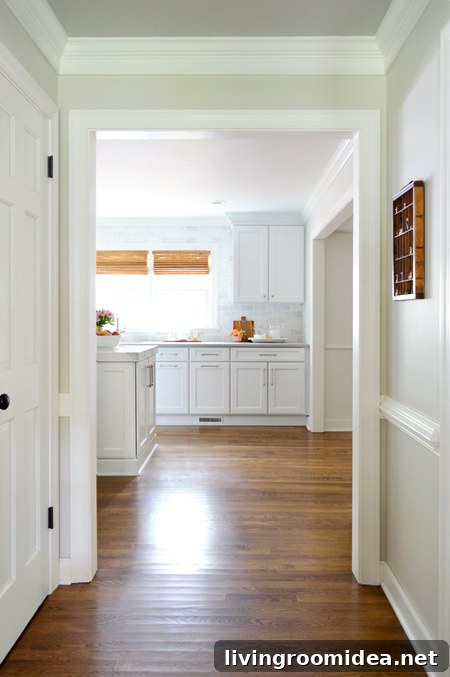
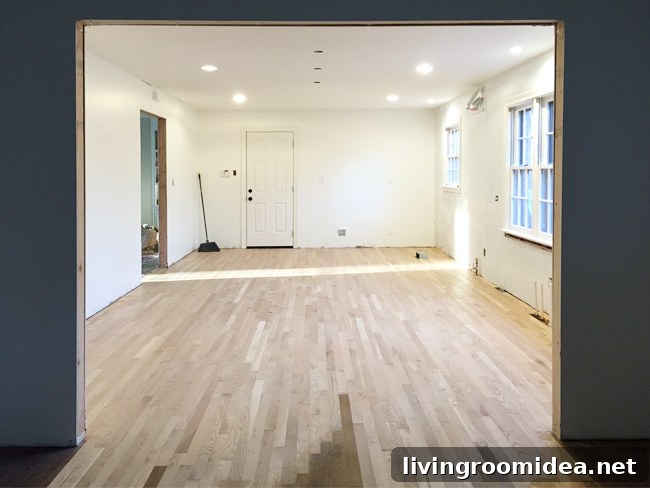
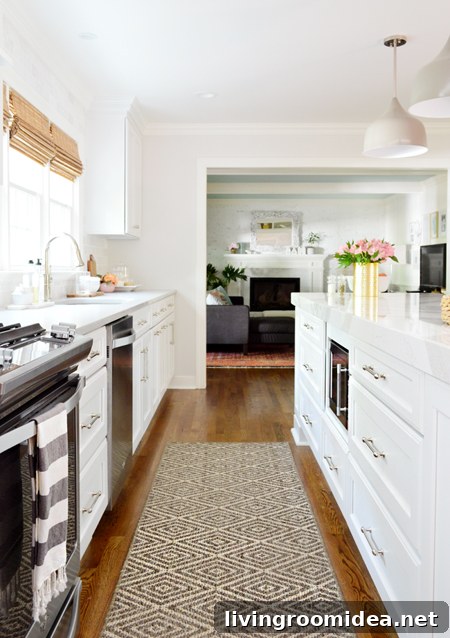
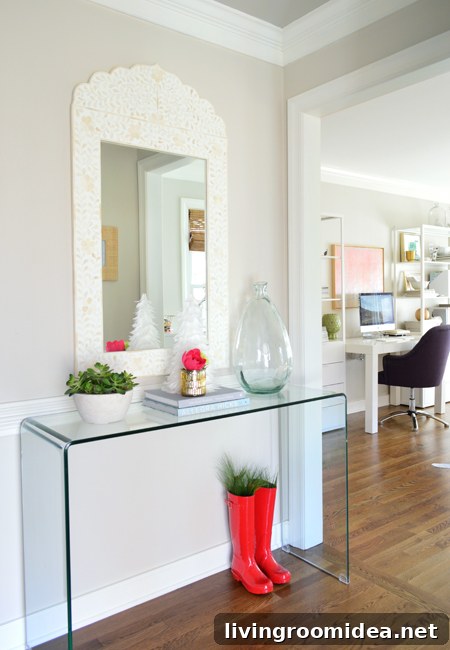
The new floors in our kitchen might be easy to overlook amid the larger renovation—new layout, wider doorway to the living room, new cabinets and counters—but they’re a major reason the entire first floor now reads as fresh, open, and cohesive. Below is a clear recap of the process, timing, and costs for anyone considering a similar upgrade.
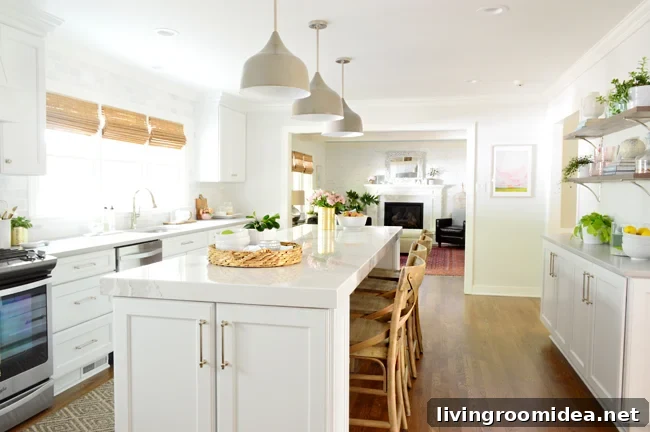
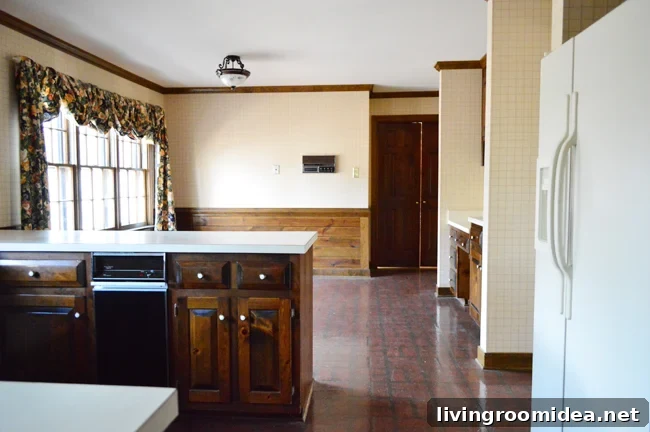
This before photo shows how dramatic the change was. It was taken from the same spot as the after shot above, and we don’t miss that faux brick linoleum at all.
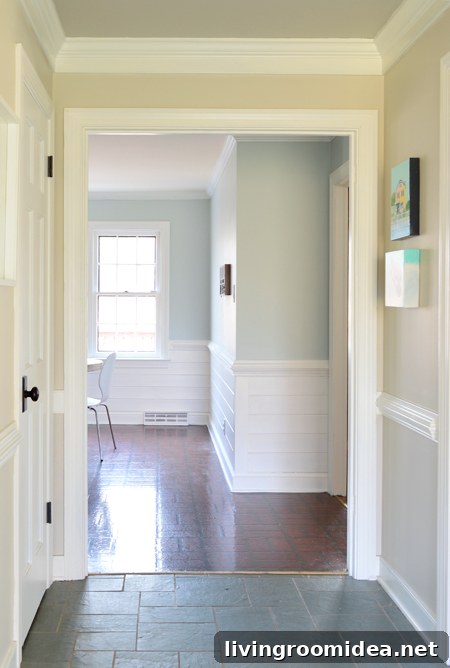
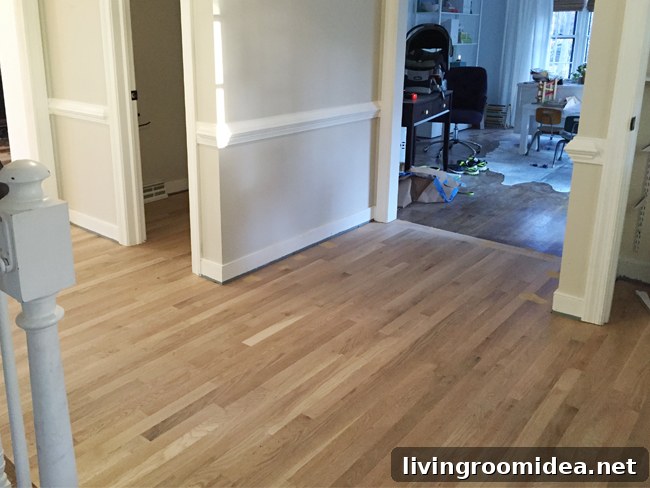
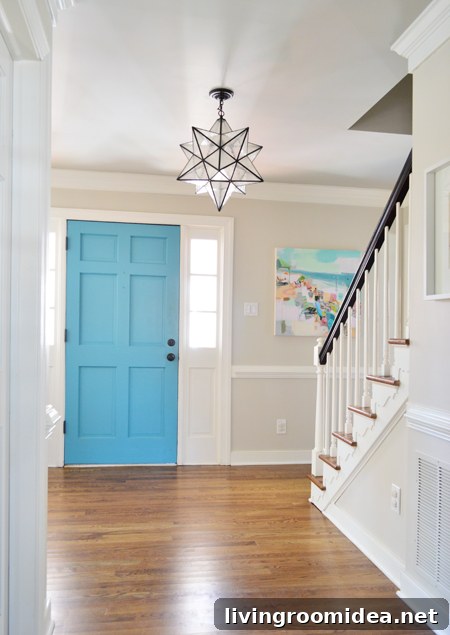
From the front door you can see how choppy the downstairs flooring used to be: hardwood in the living, dining, and office, but not connected because of slate in the foyer and linoleum in the kitchen. We had five doorways with transitions between different materials—complete with metal strips that were perfect for toe-stubbing.
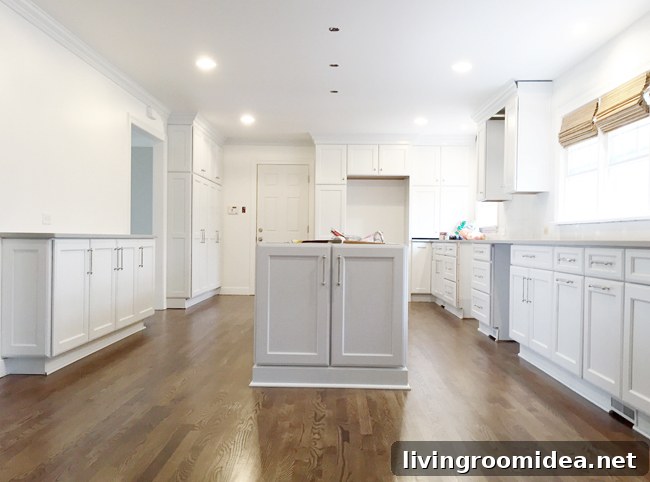
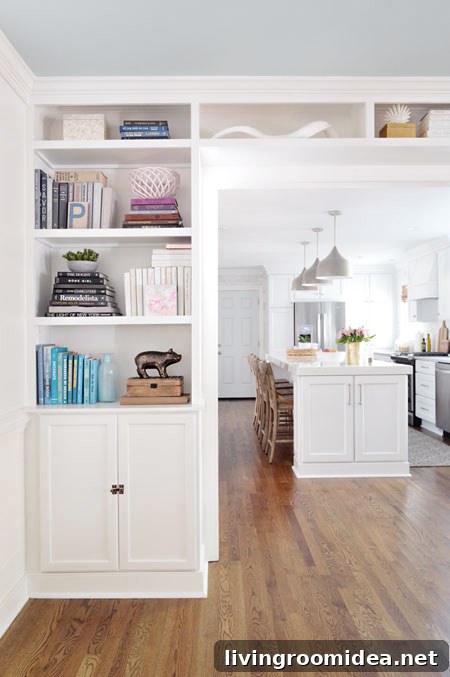
Now the space is one continuous swath of hardwood with no transitions, no steps, and consistent color—exactly our goal. Hardwood adds warmth to the kitchen and improving flow by using the same flooring across rooms made the first floor feel larger. Getting there, however, took time and work.
We hired professionals for the bulk of the work because the project was multi-week and we couldn’t use the kitchen until everything was done. We’ve installed prefinished hardwood ourselves before, but seamlessly blending new boards with existing ones, then sanding and staining to match, felt like a job for pros. We used Howdyshell Flooring, a local company we trusted from previous projects.
Demo
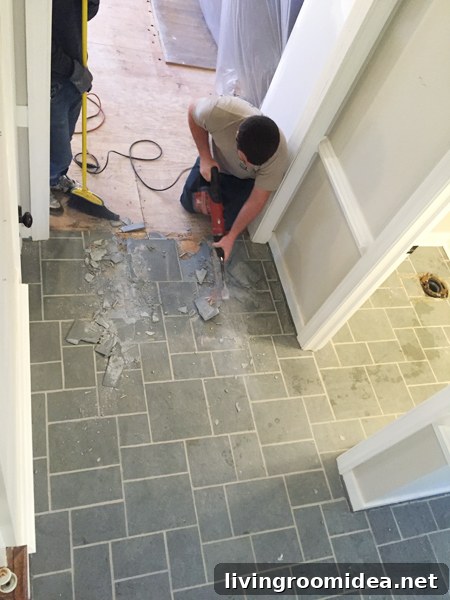
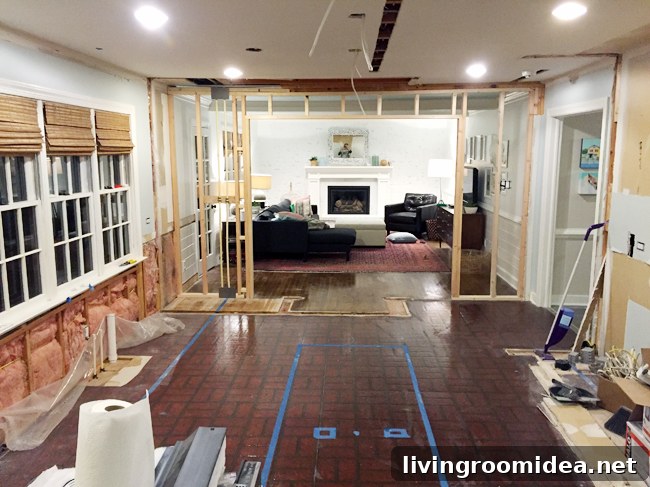
First came removing the linoleum and slate. Howdyshell quoted the slate demo and said their team could remove everything in about a day, including taking out and reinstalling quarter round and plumbing fixtures. Renting tools and dealing with the loud, dusty demo made hiring them the clear choice. Their crew cleared everything out in about a day and a half, leaving plywood subfloor in the foyer, half bath, and kitchen. Thankfully the subfloor was in good shape and didn’t require replacement.
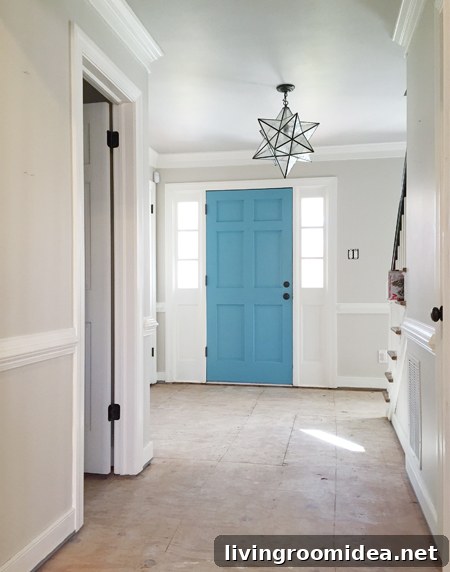
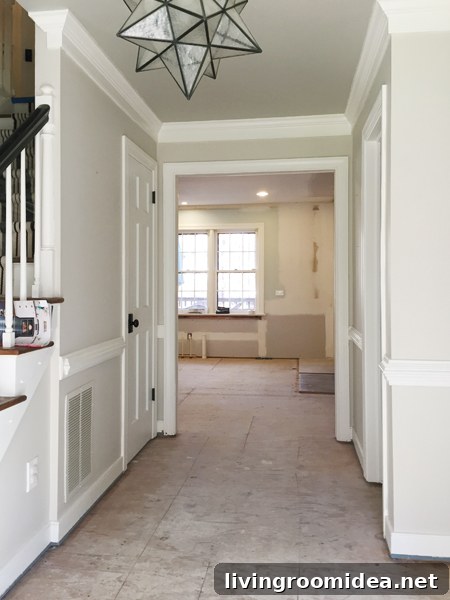
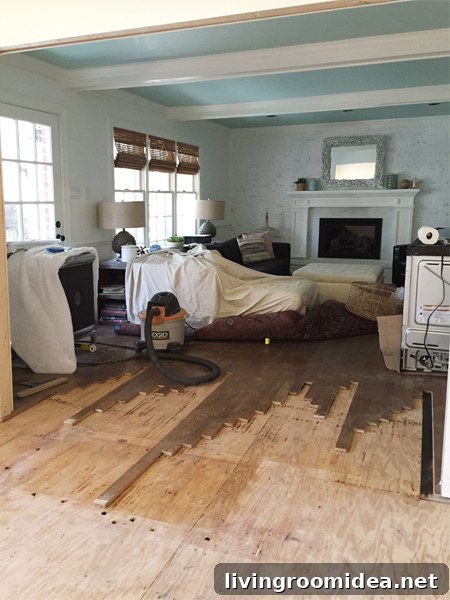
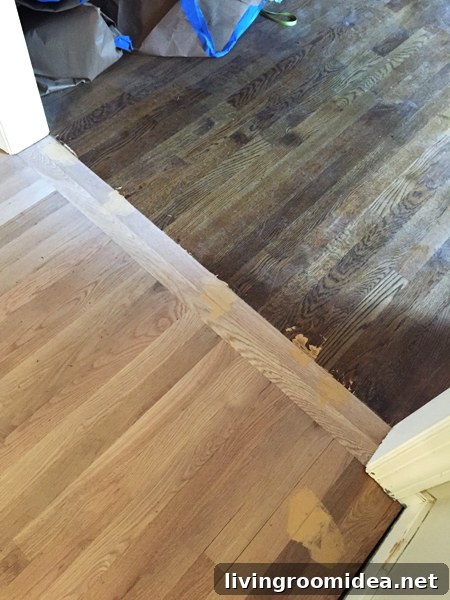
Here’s a view back into the kitchen, with the original living room hardwood visible on the right. The odd patches of existing hardwood outlined the footprint of a removed wet bar and a built-in bookcase; those irregular edges were one reason we didn’t attempt this ourselves. The pros removed some existing planks and installed the new boards in a staggered pattern so the join would blend instead of forming a straight, obvious line.
Installation
With the old floor removed, the crew patched new boards in and used wood putty to fill grooves and repair any damage. After feathering the new boards into the existing flooring, two installers spent a day laying the rest of the kitchen boards, and finished the remaining kitchen areas the following day.
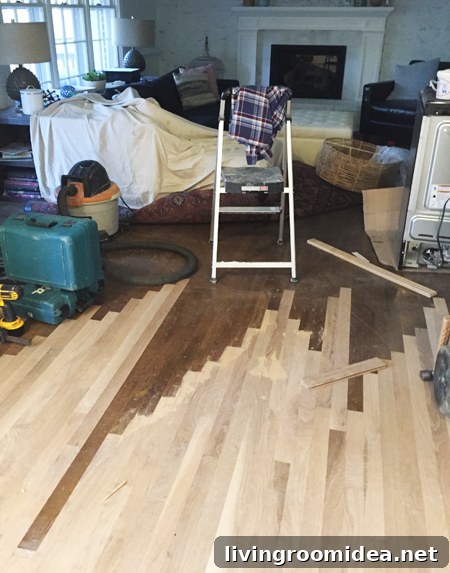
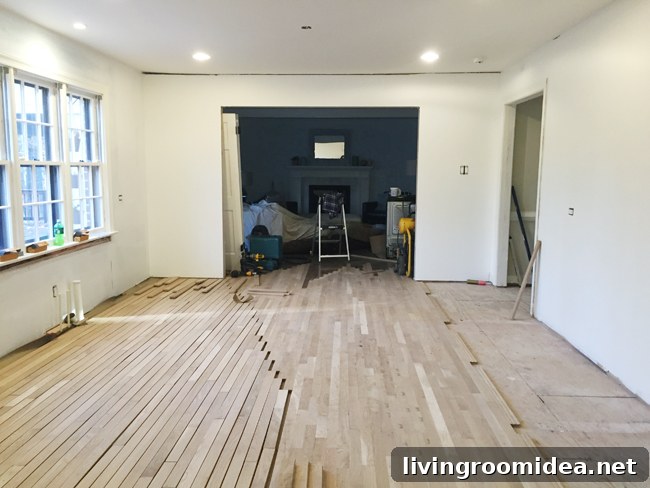
The wood was delivered a week early so it could acclimate to the house—important to avoid gaps or buckling after installation. After completing the kitchen, the crew installed floors in the foyer, half bath, and closets on day three. Where they couldn’t guarantee boards would line up perfectly with the office and dining room, we used turnboards—two planks placed perpendicular at thresholds—for a smooth, intentional detail instead of metal transition strips.
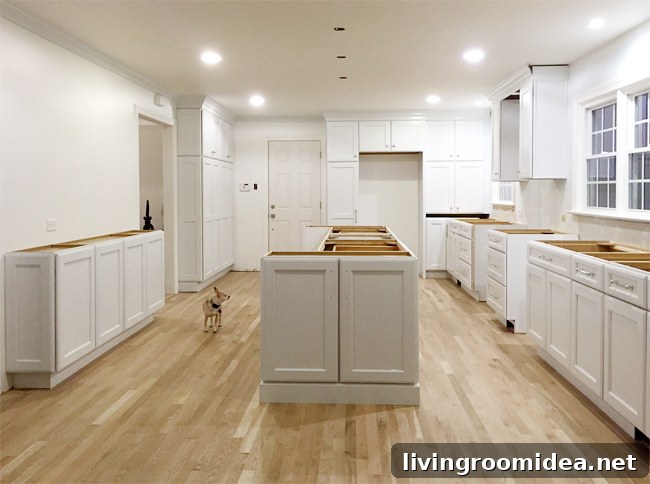
Rather than sanding and staining immediately, the crew recommended installing cabinets first. Cabinet installation can be rough on floors, and doing cabinets before staining avoided scratching brand-new stain while allowing counters to be templated and fabricated during the staining timeline.
Moving Out
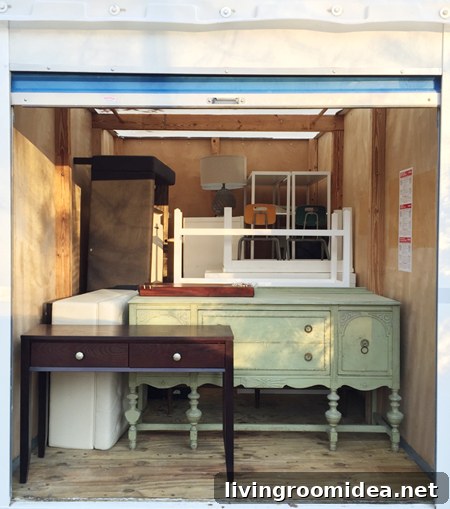
Once cabinets were installed we had to move off the first floor entirely. Packing and shifting furniture was tedious: small items went upstairs, appliances stayed in the garage, and larger pieces went into a rented storage pod in the driveway. We moved the big pieces ourselves in one day and stashed the rest around the house.
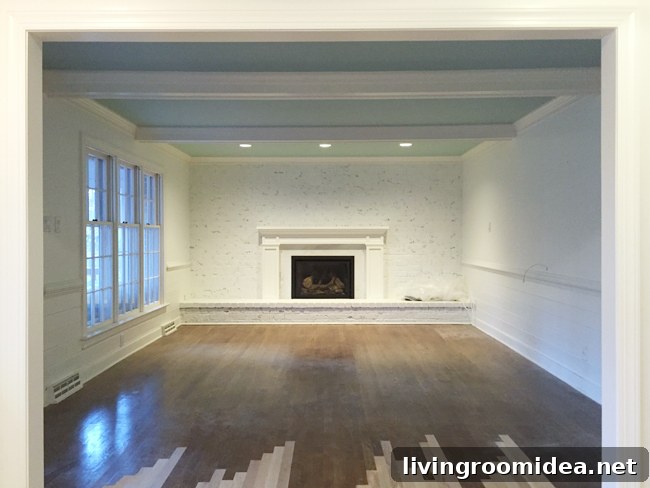
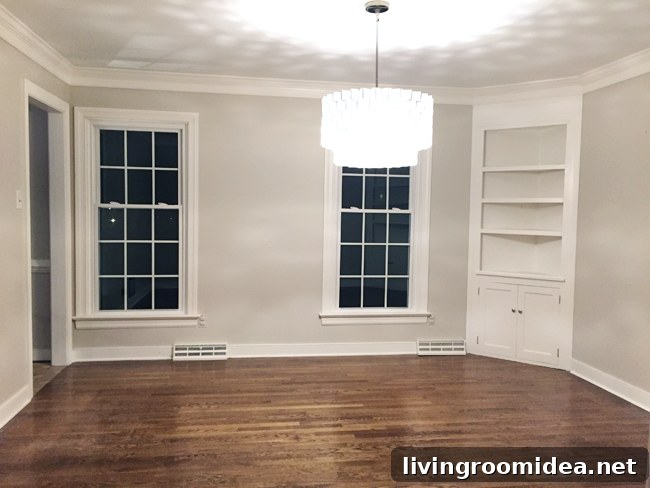
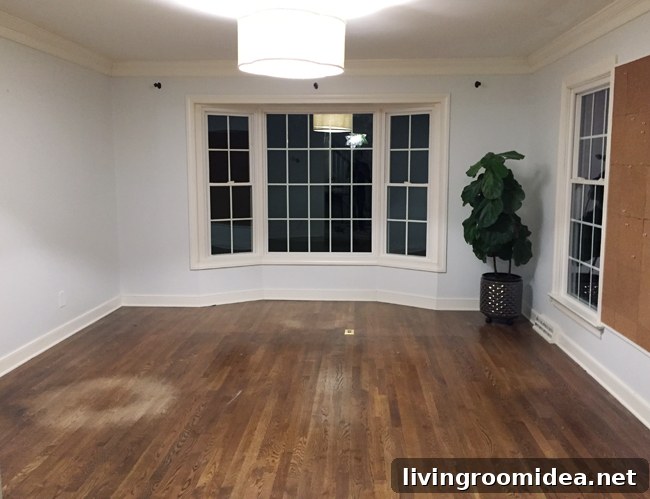
We discovered pre-existing wear marks in the office from rolling chairs—those were fixed later in the refinishing process.
Sanding
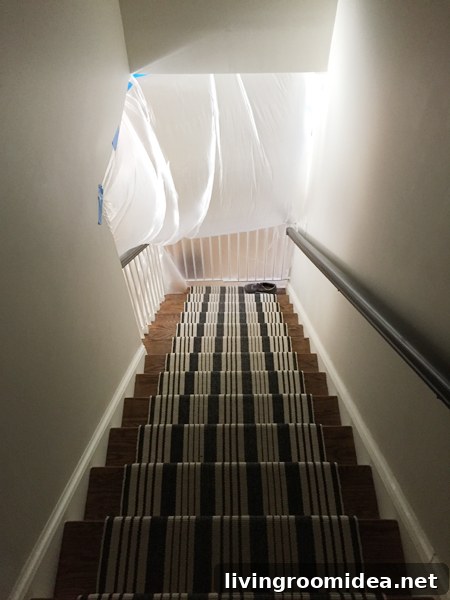
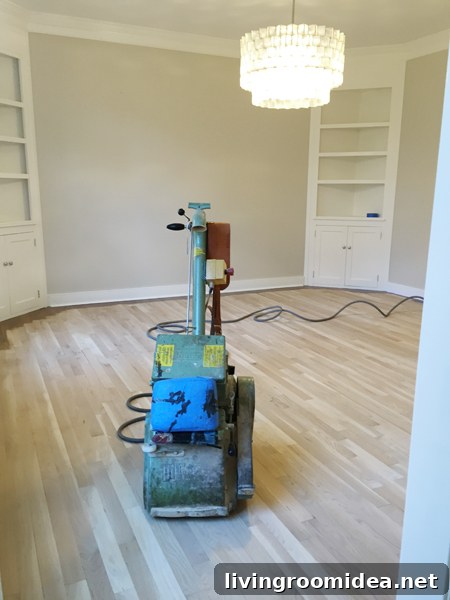
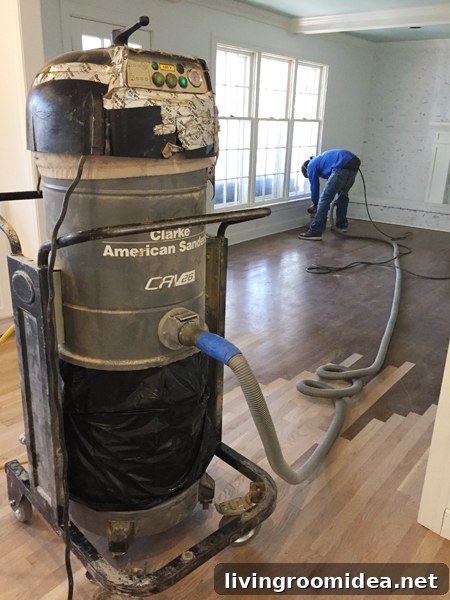
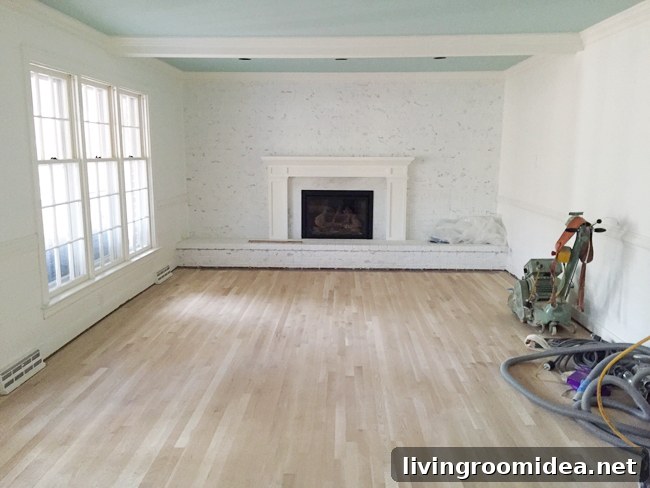
Sanding removed the old finish and produced a lot of dust, so we stayed upstairs behind a taped-off barrier to keep dust contained. Sanding was handled by a two-person crew—one with the big floor sander and another with a hand sander for edges.
Staining & Sealing
We tested stains near the staircase to match the existing finish. After sampling Jacobean, Special Walnut, Provencial, and a blend, we chose Provencial for a classic medium tone that matched the stairs closely.
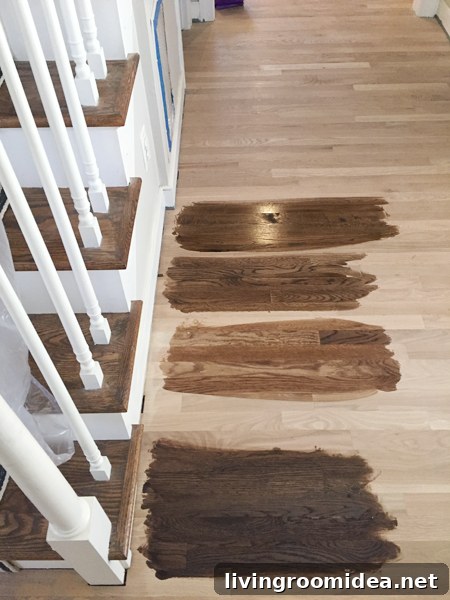
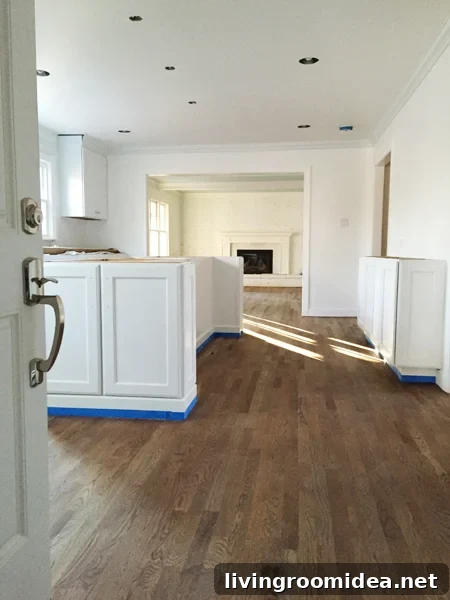
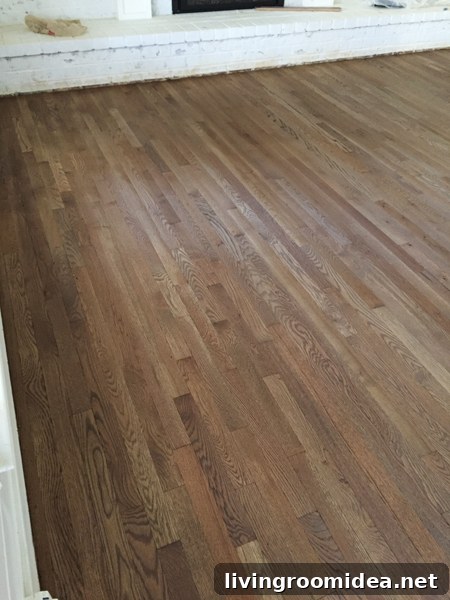
They applied the stain and then three coats of polyurethane sealer, sanding lightly between coats. Because the floors couldn’t be walked on during this process and we wanted to avoid lingering fumes, we stayed off-site for several days. Initially the stained floors looked patchy and rustic, but after sealing the color evened out and the satin sheen matched the stairs. We waited another 48 hours after the final coat before walking on the floors, and then ten more days before returning heavy furniture or rugs to avoid impressions in the finish.
Moving Back In
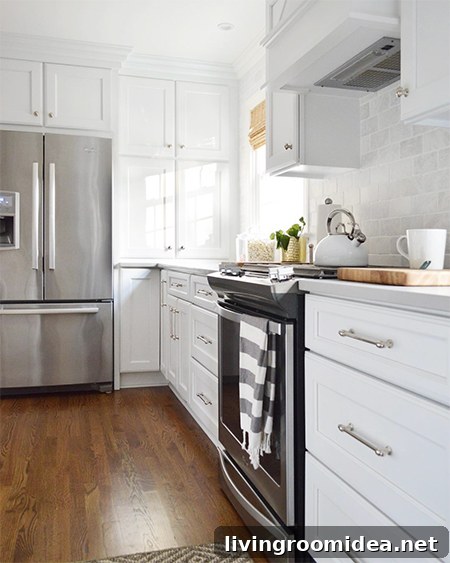
We cleaned up sanding dust, caulked and touched up paint on quarter round, and waited the recommended time before moving everything back. The final result is seamless: the new kitchen hardwood blends so well with the existing living room boards that the join is nearly undetectable. The foyer now feels connected and is warmer underfoot than the old slate was, and the overall first-floor flow improved dramatically.
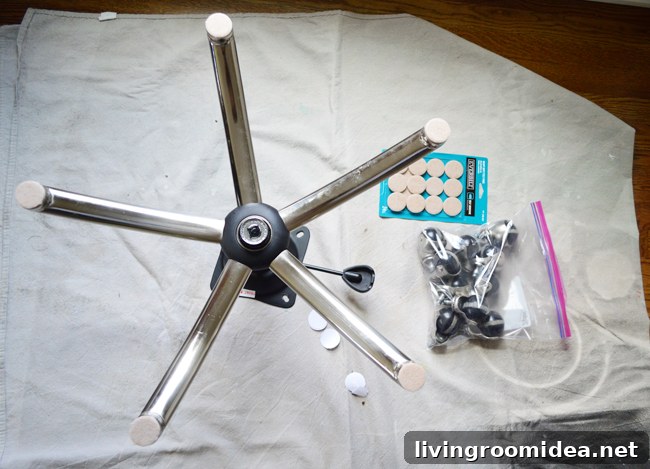
To protect rolling office chairs, we removed the wheels and added furniture pads. They still move and spin but no longer leave circular wear marks in the finish.
In total, the project required time, inconvenience, and a significant financial outlay. Materials (3/4″ solid oak flooring for three rooms) were about $3,400 and labor came to roughly $4,100. Labor included demo, removal/reinstallation of quarter round and plumbing, laying and patching new hardwood, sanding, staining, sealing the entire first floor, and reinstalling plumbing and quarter round. Our entire first floor is about 1,300 square feet, with roughly half (650 sq ft) existing hardwood and the other half (650 sq ft) replaced with new hardwood.
Having completed the job, we’re thrilled with how much more finished the first floor feels. The next time we refinish floors we won’t have to fully vacate the house—definitely a perk for future projects.
More Hardwood Floor Refinishing Projects
If you’d like to read more of our floor projects—matching original hardwoods to new prefinished boards or restoring historic pine—see the posts below.
- Refinishing Mid-Century Oak Floors in Our First House
- Refinishing Historic Heart Pine Floors in Our Beach House
- Repairing Historic Oak & Pine Floors in Our Duplex
- Clear Sealing Our Refinished Floors in Our Florida House