

We’ve all experienced it: shopping for something new for the home but not really knowing what we need. You wander through stores hoping to find the missing piece.
Then you spot “the one.” That charming little accessory you can afford and expect will instantly lift the room from bland to beautiful. It promises a subtle upgrade — maybe not a dramatic transformation, but a pleasant finishing touch. The clerk wraps it, you bring it home, and place it carefully on the seat next to you.
As you walk through the front door you unwrap it and search for its perfect spot. You try it on the end table. Over on the bookshelf. Here? No. There? Still no.
And then the truth becomes clear: it looked delightful in the store, but in your large living area it disappears. It doesn’t make a statement, so you add another small item, and another, until the effect becomes cluttered rather than cohesive.
The takeaway is simple: it’s often smarter to choose one larger, bolder piece made for a specific place in the room than to buy several tiny items and scramble to find where they belong.
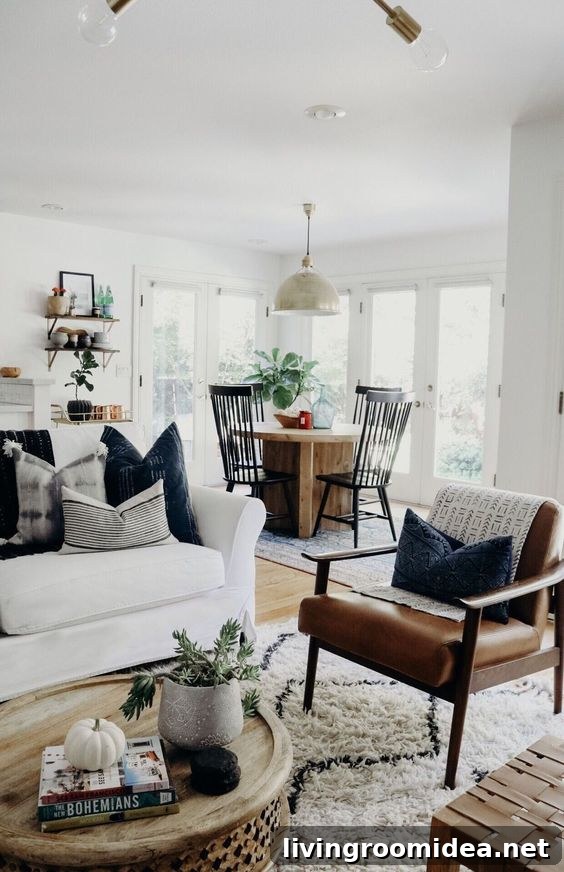
When you do buy accessories, consider pairs (two lamps, two candlesticks), groups of three (three pillows, three frames) or a single item that reads as a deliberate statement. Pay attention to the scale of the room — in a large space, accessories should be proportionately larger so they register at a glance.
Favor fewer items, simple repetition, and stronger, more confident pieces.
Look at the photo — a real client’s “before” shot. Do you spot the accessories? The tiny bunnies sitting on the table behind the sofa? They’re easy to miss, and the client found them amusing — and frustrating. She contacted me because she knew those small pieces weren’t solving her decorating problems. Tiny accents like those rarely do.