
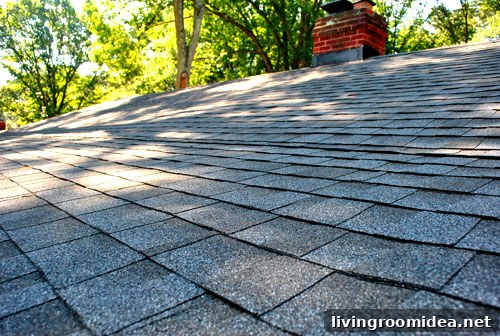
Our quick “we’re getting a new roof” post on Thursday generated so many questions that we decided to follow up with more details plus before, during, and after photos. Here’s what the old roof looked like before the work began:
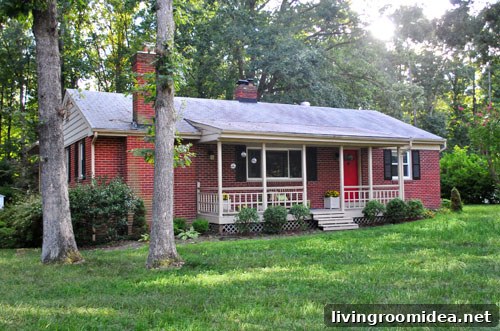
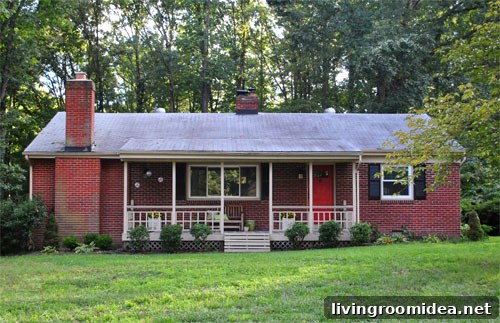
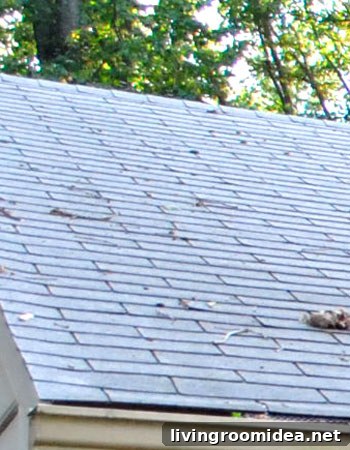
Up close you can see the old roof had a flat, grid-like appearance and had clearly reached the end of its useful life. It was about twenty years old and showing the wear that makes leaks likely if left unattended.
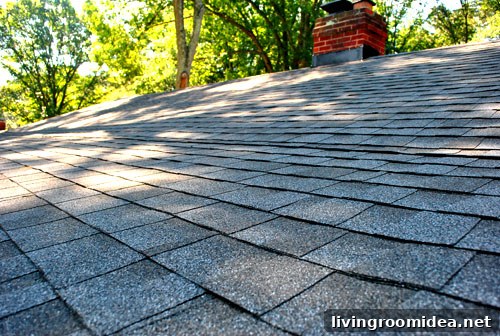
And here’s our brand-new roof (forgive the lighting differences — the sun had its own ideas):
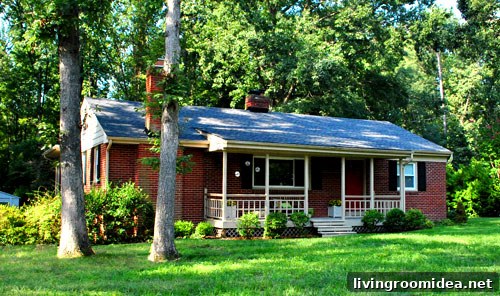
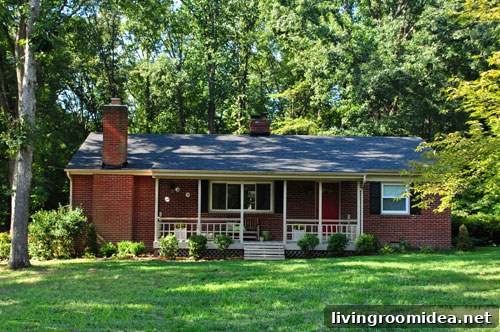
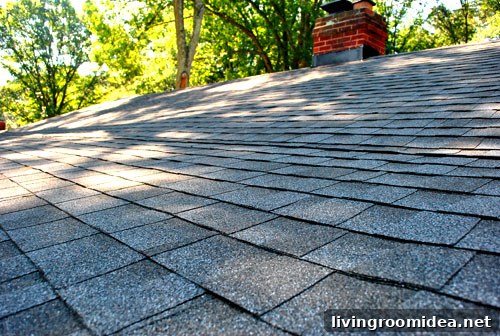
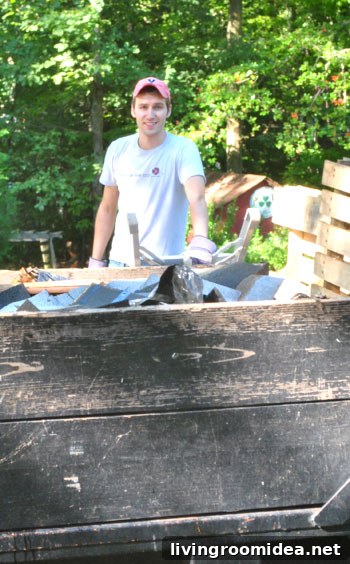
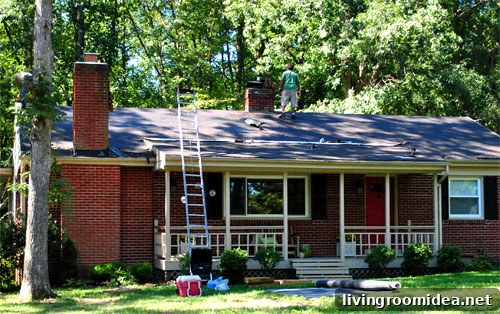
We were happy to negotiate a good price and to have the crew haul away demolition debris and some old rotten wood we’d been storing in the garage. We asked if they could toss our piles into their dumpster while they were putting the old roof in, which saved us the additional cost of hiring a separate hauler. It’s worth asking contractors about small extras like that — sometimes they’re willing to help if it’s convenient for them. After a quick volunteer shift, John climbed a ladder and helped toss about twenty garbage bags into the dumpster:
We also negotiated $15 each for two low-profile roof vents to replace our old metal whirly-gigs that stuck up high and were visible from the front. The two new vents cost a total of $30 and create a cleaner, more modern look. We considered adding a ridge vent for an additional cost, but after talking with neighbors who hadn’t noticed any difference in airflow after installing one, and given that our house already has side and awning vents, we decided the two new top vents would be sufficient for proper attic ventilation.
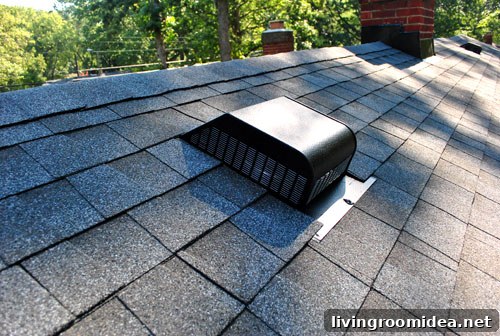
Here’s a progress shot of the crew working on a hot day. They moved quickly and professionally while the rest of us stayed busy inside.
Now for answers to the questions you asked after our last post:
How did we save for it? We saved over about two years because we knew the roof’s replacement would be necessary soon. The home inspector had estimated 3–5 years left when we bought the house in 2007, and seasonal wear and a few compromised areas in our sunroom meant the risk of leaks — and water near electrical fixtures — made it a priority. Because we planned ahead, we were able to replace the roof before major storms arrived.
Did we get a deal because of the blog? We were offered free roofs by two companies and politely declined. We don’t mention the blog when we call for estimates; we contact local, recommended professionals and choose the best fit at a fair price. We prefer to pay for work like any other homeowner and let our endorsements be genuine. The contractor we hired is a fully insured, family-owned local business with a long history in roofing, and their estimate was about half of another high quote we received.
Why didn’t we do it ourselves? We love DIY projects, but this roof replacement wasn’t one we were comfortable tackling. The sunroom’s flat roof complicated estimates, and a few professionals even found it challenging. Given the risk of imminent leaks and potential damage to our home and belongings, we left it to experienced roofers. We also value getting multiple estimates and choosing a reputable, insured company.
What kind of roof did you choose? We installed a 30-year dimensional roof with GAF shingles. The previous roof was a 20-year model. Dimensional shingles add depth and curb appeal and are more desirable for resale, so the slightly higher upfront cost felt worthwhile. For color we chose “Pewter Gray” after looking at similar brick homes nearby and selecting a tone that complemented the neighborhood.
Why not a white or highly reflective roof for energy savings? We researched light-colored, reflective roofing, but experts told us our heavily wooded and shaded property wouldn’t show a meaningful energy benefit. Lighter roofs also reveal stains and discoloration more readily in tree-covered lots, while darker roofs tend to hide staining and can maintain a better appearance over time.
Why not solar panels? Again, our lot is too shaded to gain worthwhile energy savings from solar panels.
Why not metal or slate? We considered metal and slate because we love their look, but those options were two to ten times more expensive than shingles and would likely exceed the neighborhood’s standard, meaning the cost wouldn’t be recouped in resale. They were beautiful choices but simply not practical for our budget and area.
So that’s the full story: a new roof, smarter ventilation, cleared clutter, and peace of mind. Anyone else recently reroofed or tackled a roofing DIY? We resisted most of the puns about raising roofs, and John is relieved.