
HHello, friends! It’s been a little chaotic around here lately, but come on in. I haven’t had much time to slow down and really enjoy my home. The past few months were busy—fun, but hectic—and I miss the simple pleasure of puttering around the house to tidy things up for myself. I’m longing for normal things like spring cleaning. I’m sure you have seasons like this, too, when even an afternoon to clean feels like a luxury.
After emerging from my office the other day, bleary-eyed from long hours of work, I noticed every surface in the house had accumulated items that didn’t belong. With deadlines and projects, my husband has been wonderful about dishes and laundry, but when it comes to the random items strewn about, that’s usually on me.
Surfaces were piled with odds and ends—things that needed homes. I’ll show you so you can see what I mean. Sometimes you have to put blinders on and ignore the mess for a while, but eventually I need to reclaim my space or I start to lose my sanity.
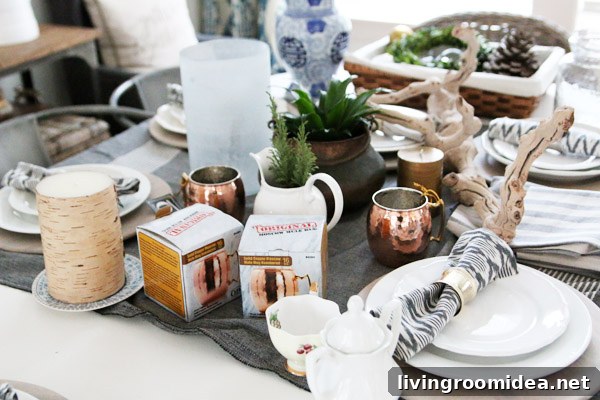
Just a few weeks ago I thought I had finished putting away the last of the holiday decor. Then I discovered a few stragglers sitting on the dining table. Apparently crunchy small trees were still hanging around. Winter is over here in the Pacific Northwest and spring is begging to be welcomed.
It always feels wonderful to say goodbye to winter and focus on decluttering. Freshening the house does wonders for my well-being. When things get out of control I need a reset to restore order and balance.
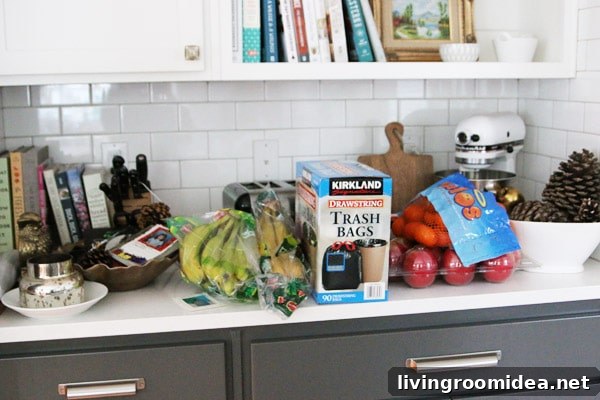
For example, why is a bookmark made from my daughter’s third grade photo sitting in a bowl on the counter? She’s graduated from college, and that bookmark should be tucked into a memory album or placed in a book—not next to the kitchen knives. How it ended up there is a mystery.
The kitchen looked like we’d unloaded a Costco run and moved on to something else. And then there were the giant pinecones.
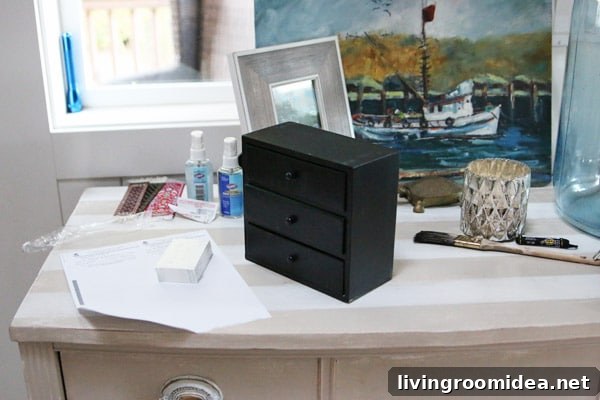
The clutter kept appearing: a paint brush used to touch up the railing, my husband’s Doc Martens shoelaces (I don’t claim responsibility for those), a random little drawer piece, and a plastic wrapper. I also had a couple of disinfectant sprays by the front door—ready for whatever germs are going around—because sometimes practical things end up in odd spots.
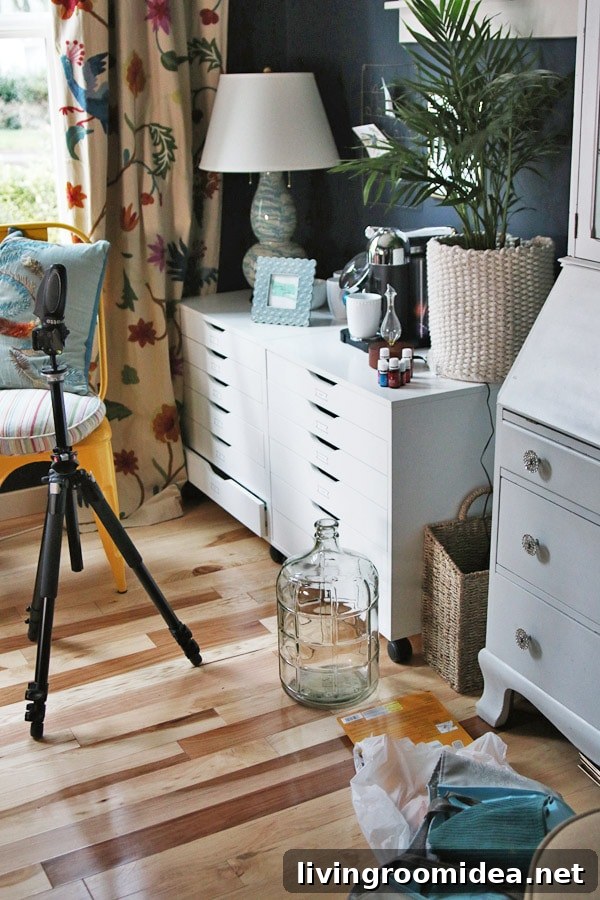
Even my office had stray items on the floor despite having hooks for bags. I keep essential oils nearby to help me cope; they were a big part of how I managed to write three books in a year. People often ask how I keep up with the house, the writing, volunteering at church, and staying sane. Small rituals like using oils and scheduling resets are part of it.
I can let parts of the house go during busy seasons, but eventually I have to restore some order or I’ll lose my composure. I write about these housekeeping lessons and methods in my book, but briefly: putting my home back in order is crucial to my sense of balance and well-being.
There will always be busy stretches where things get chaotic—like when I take a thousand photos for a book and discover an army of dust bunnies—but when I get a breather I make time to bring the house back to a manageable state. Maintaining one tidy room is infinitely easier than facing every surface piled with stuff.
Here’s my spring decluttering ritual:
I go through each room, clear the surfaces, wipe them down, and only return items that are meaningful, attractive, or necessary. It’s astonishing how much ends up on counters and chairs simply because we set things down and forget to put them away. It’s rarely actual garbage—just everyday items that aren’t returned to their proper places. We have closets, drawers, and systems, but when life gets busy we fall out of the habit of keeping up.
The good news is that with regular reset times, you’re never far from restoring your home to a reasonably tidy, livable state. That relief makes a big difference to my mood.
So that’s my plan this week: clear the surfaces and restore my sanity.
What’s your spring mission?
PS. My book, Love the Home You Have, recently reached #1 at Barnes & Noble, which was exciting and humbling. My hope is that the book encourages and helps you in some small way. Thank you for your support—I appreciate it more than I can say.