
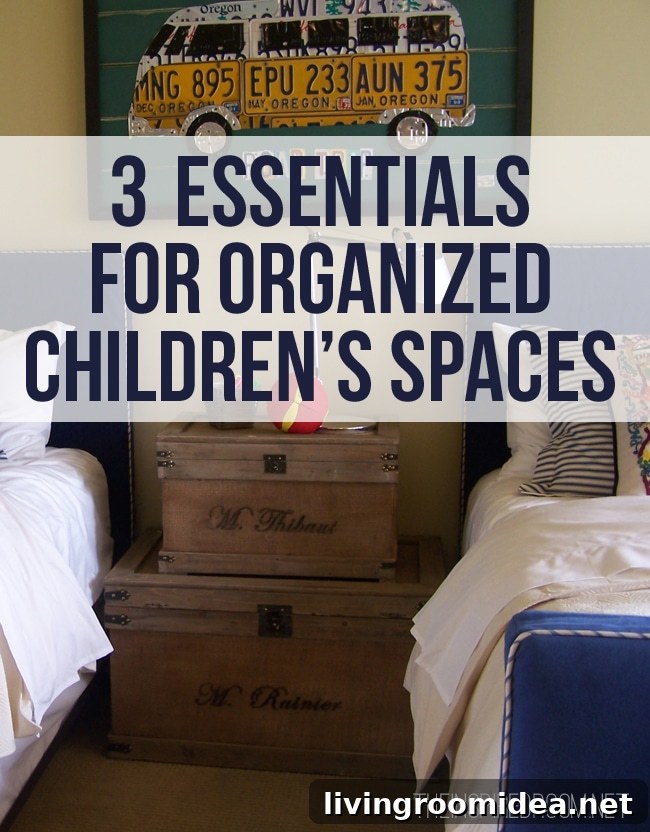
One of the biggest challenges parents face when children are young is keeping their rooms and belongings organized. Toys, Lego pieces, clothes, stuffed animals and schoolwork can quickly fill every corner. Children may be small, but their things can feel overwhelming.
When I became a parent I already struggled to stay organized, and then we had three kids. Teaching them to manage belongings felt impossible if I didn’t have a system myself. I wanted to avoid becoming the constant “clean your room” parent. What I needed were practical solutions that reduced daily stress, helped the kids take responsibility for their things, and made our routines smoother.
Eventually I discovered a simple approach that worked for years: dividing activity areas into three essential zones. Once we set up zones, managing toys and supplies became much easier. The system reduced friction, helped the children understand where items belonged, and made our household calmer.
Here’s how separating spaces into zones transformed our rooms and routines:
1. Play and activity zone
Designate a specific area for toys, games and creative play. Keep frequently used toys in accessible, labeled bins or low shelves so kids can reach them independently. Rotate items periodically to keep playtime fresh and limit the number of toys available at once.
2. Sleep and rest zone
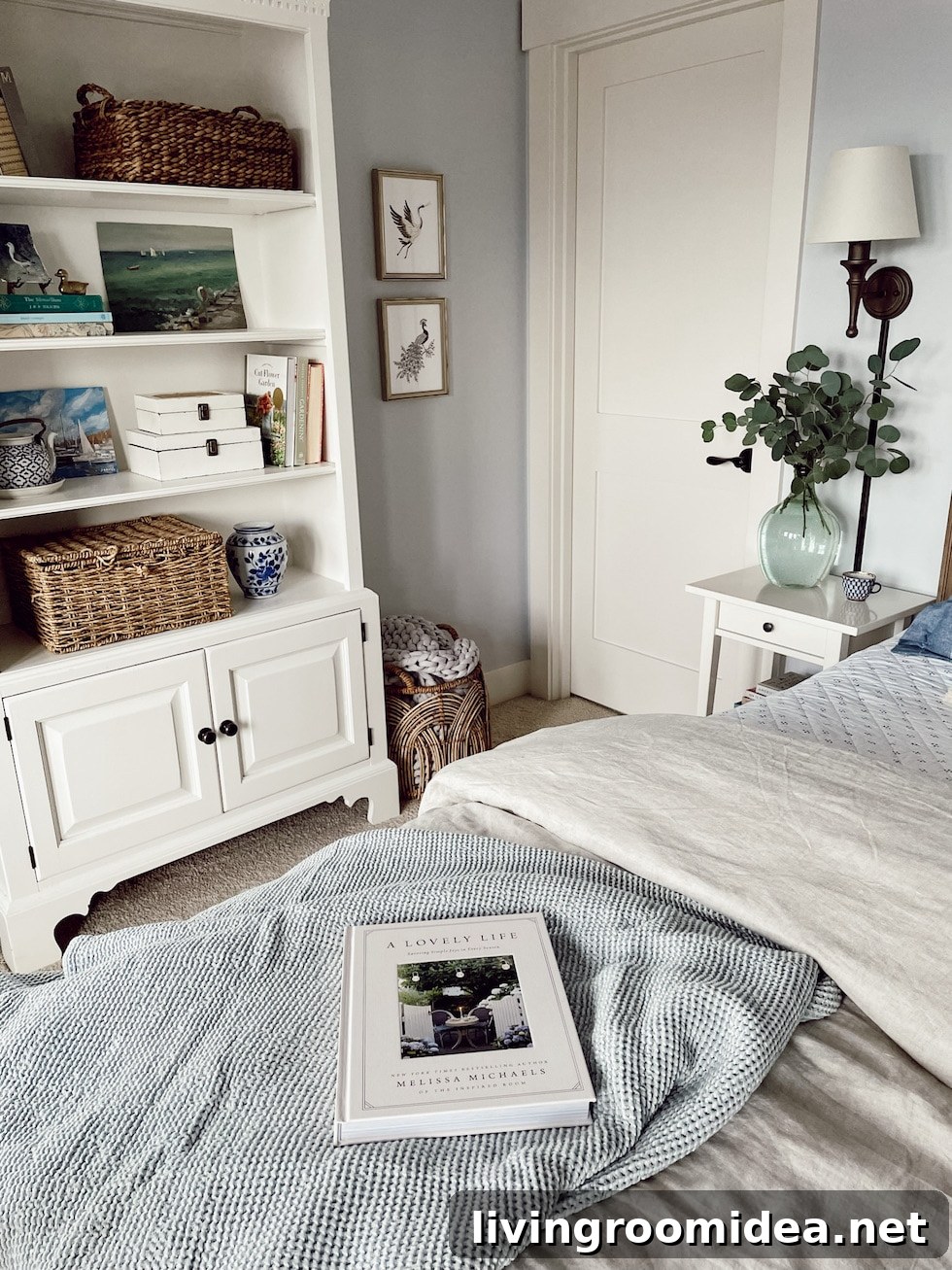
Reserve a quiet space for beds, nightstands and soft items like stuffed animals. Keep this zone free from active play and clutter so children can wind down easily. A simple routine—pick up daytime toys and return them to the play zone—helps maintain a restful environment.
3. Work and learning zone
Create a dedicated spot for homework, reading and art projects. Equip it with a small desk or table, proper lighting, and storage for school supplies. Encourage kids to clear the workspace when finished so materials don’t spill into other zones.
By defining these three zones — play, rest and work — children learn where things belong and can more easily participate in tidy-up routines. Use clear, consistent expectations and simple storage solutions like baskets, cubbies and labels to reinforce the system. For younger children, picture labels help them know what goes where; older kids can use words and color coding.
Small habits make a big difference: a five-minute tidy before dinner, a quick clean-up before bedtime and a weekly rotation or purge of outgrown items all keep clutter from building up. Involve the kids in decisions about what to keep and what to donate so they develop ownership and learn organizational skills.
Today I’m sharing HOW TO ORGANIZE kids rooms and spaces over atThe Decluttered Home.
Come on over to read my organizing tips and share your ideas!
A few personal notes: my husband and I recently took a short trip to recharge, which reminded me how important balance and small breaks are. Returning home always requires a little catch-up, but routines make that easier to handle. I also volunteer with a local group on Thursdays, which keeps my schedule varied and busy.
Stay tuned for the kitchen reveal on Tuesday, April 2nd — I’m excited to share that finished project!