
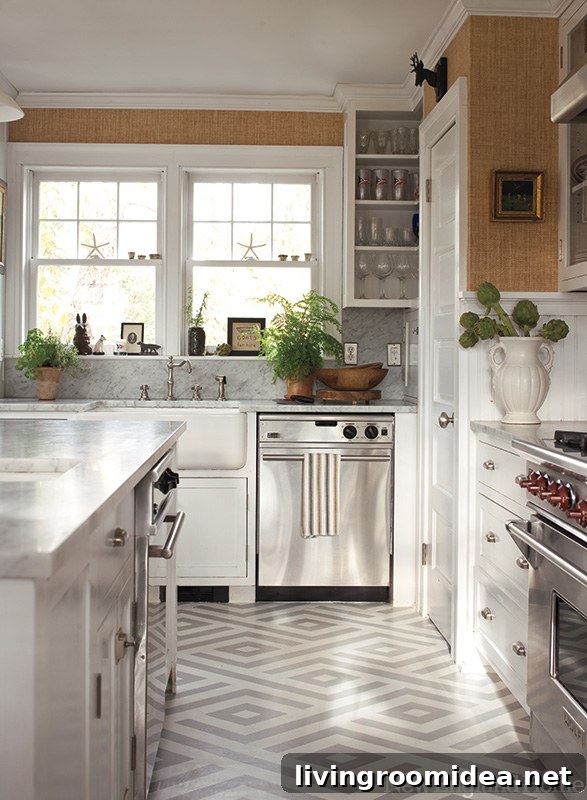
 New England Home
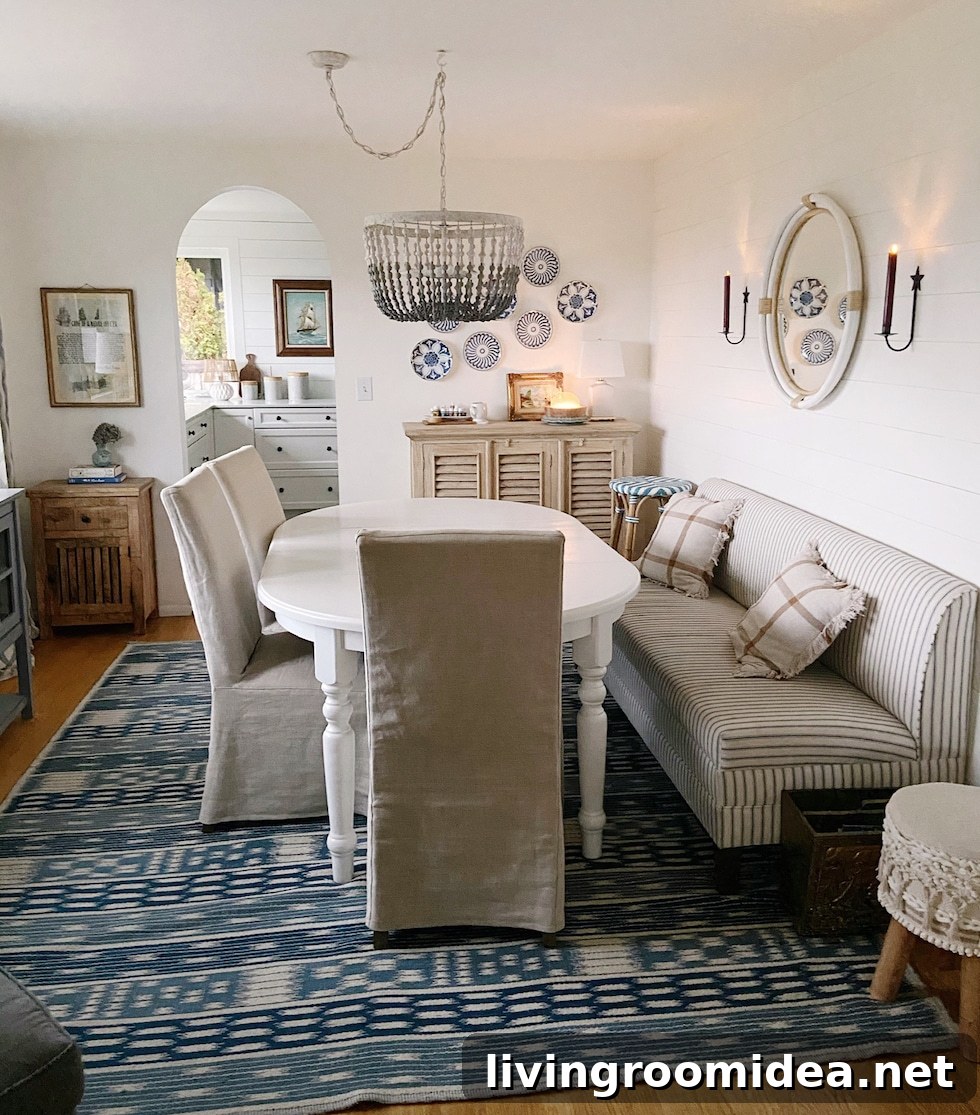
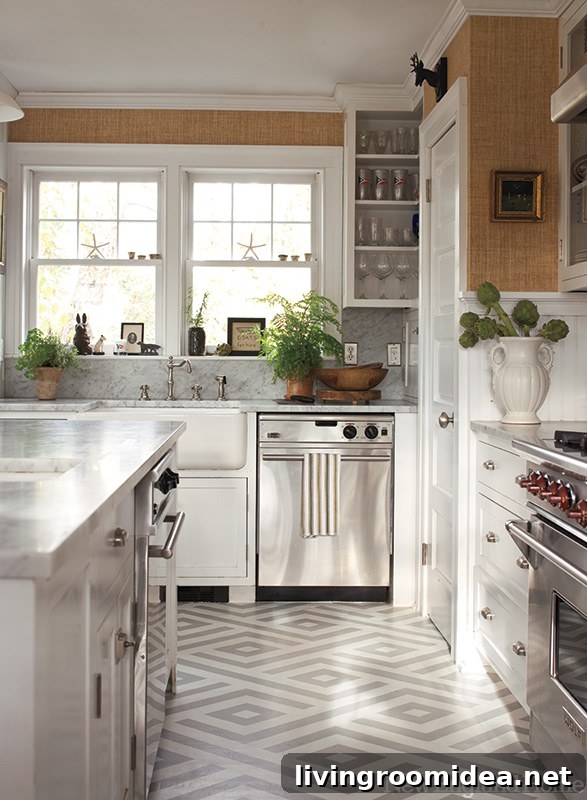
A patterned floor can completely transform a room. It injects energy and character in ways that painted walls or furniture rarely can. Graphic floors are bold, memorable, and can serve as the central design element in kitchens, bathrooms, and entryways. While some homeowners worry they might tire of such a strong look, choosing a thoughtful pattern and palette often means the payoff—distinctiveness and personality—is worth the risk.
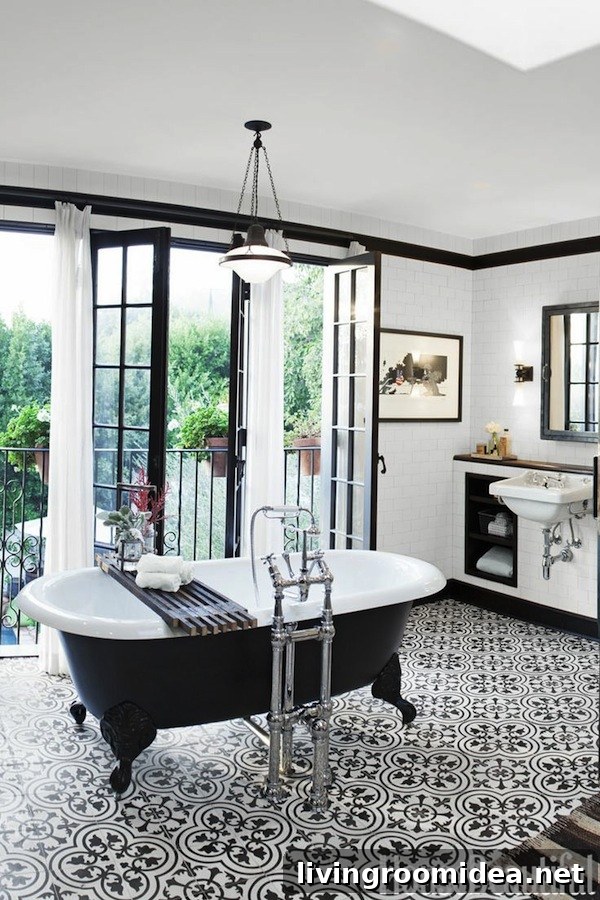 House Beautiful
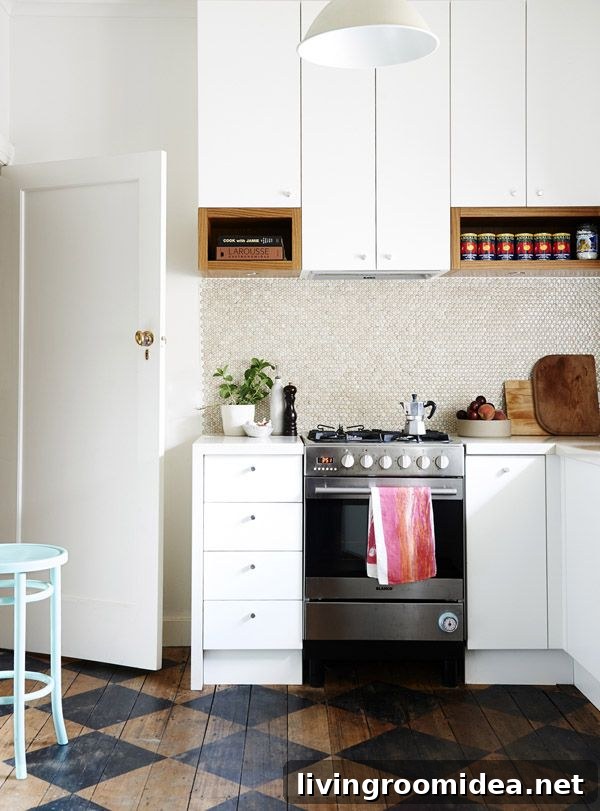 The Design Files – Designed by Jasmine McClelland
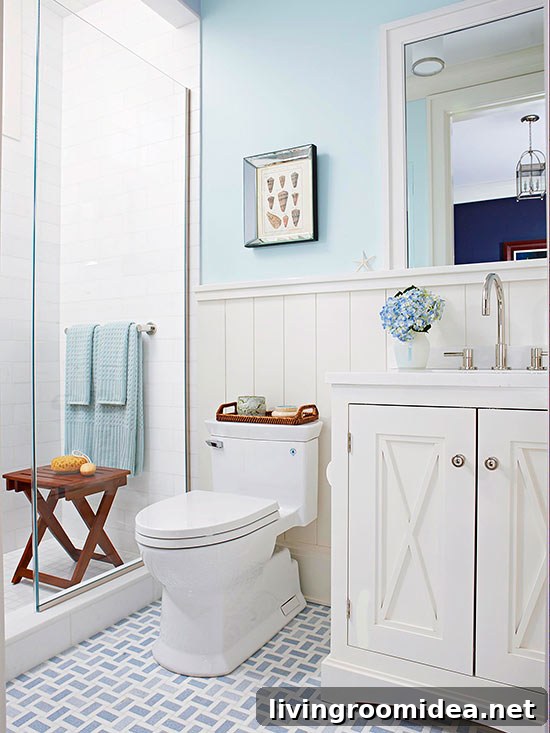 BHG
BHG
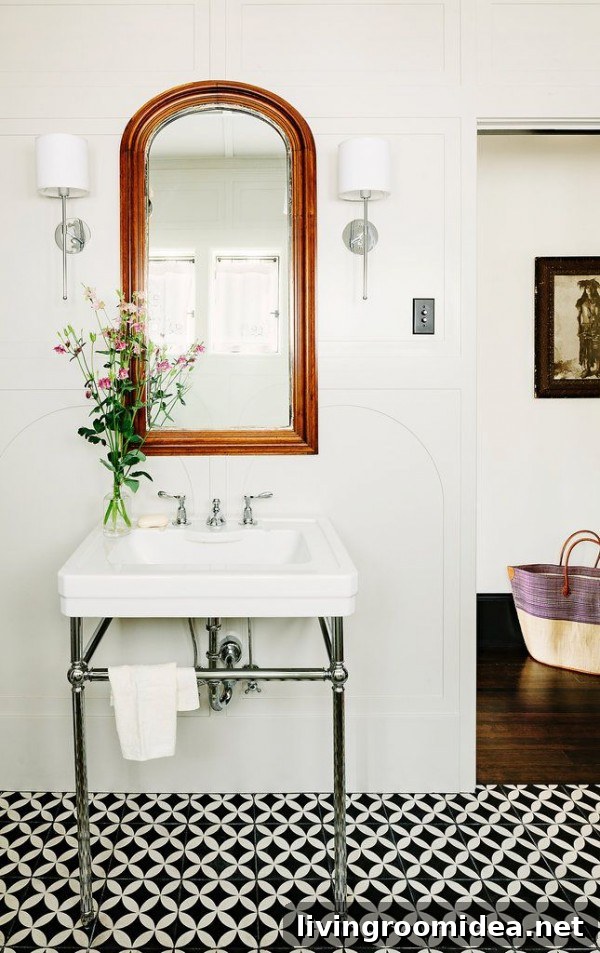 NY Times, Designed by Jessica Helgerson, Photos by Lincoln Barbour
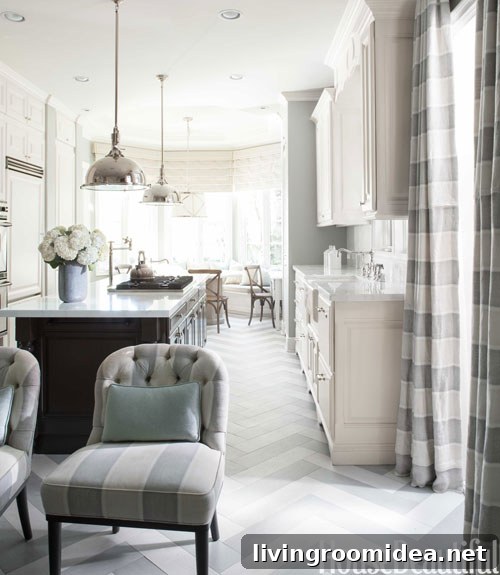 Mary McDonald – House Beautiful
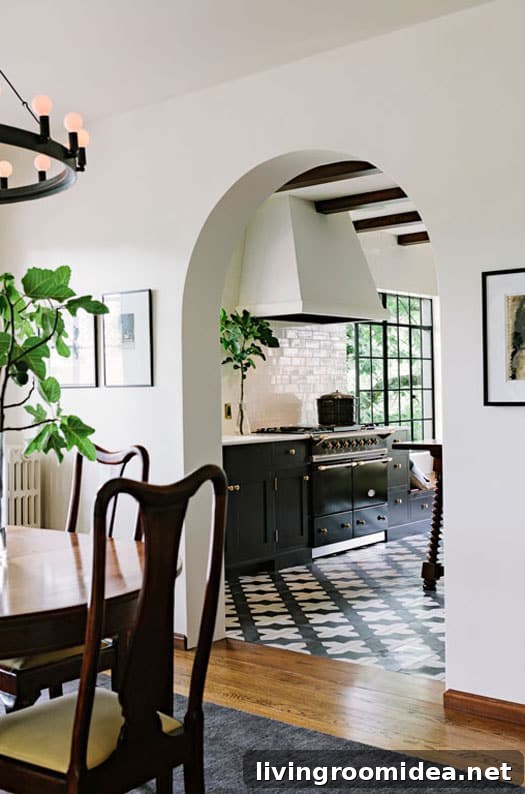 Designed by Jessica Helgerson, Photos by Lincoln Barbour
Patterned floors work in many styles, from vintage-inspired encaustic tiles to modern geometric laminates and painted hardwood. In small spaces, a bold floor can act as a focal point that makes the room feel curated rather than cramped. In larger rooms, repeating motifs help define zones and add rhythm to the layout. Color choice is key: a restrained two-color scheme keeps the look timeless, while richer palettes create a more expressive atmosphere.
When planning a patterned floor, consider the scale of the pattern relative to the room. Large, repeating designs suit open layouts and long corridors, while smaller, intricate patterns are ideal for compact bathrooms or kitchens where countertops and cabinetry already contribute visual weight. Also think about how much of the floor will be visible once furniture and appliances are in place—sometimes a pattern looks best when it’s allowed to run uninterrupted across the entire room.
Materials matter as much as pattern. Porcelain and ceramic tiles offer durability and easy maintenance, making them popular choices for wet areas. Painted wood or stenciled concrete can create a custom, artistic look at a lower cost, though they may require more upkeep. If you prefer a warmer, more traditional feel, wood inlays or parquet arranged in diamond or chevron patterns lend sophistication without overwhelming a space.
Finally, balance the boldness of a patterned floor with simpler surrounding finishes. Neutral walls, streamlined cabinetry, and subtle hardware let the floor shine without competing for attention. Accessorize sparingly and choose textiles that pick up one or two colors from the floor to tie the room together. With careful planning and the right materials, a patterned floor can be a lasting and joyful design choice that elevates your home.