
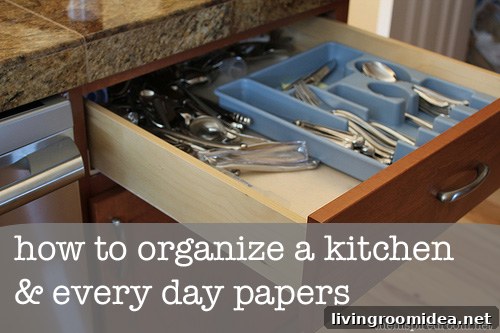
Im not obsessively organized. I don’t alphabetize my spice rack or spend on elaborate drawer inserts (my silverware drawer is a jumble and my lone organizer dates back to a long-ago gray-blue phase). Still, I use a few practical systems that make daily life easier. I prioritize function over perfection and thought I’d share what works for me.
After readers asked, following my post about morning routines, how I manage to unload my dishwasher in two minutes, I wanted to explain my approach. I’ve shared kitchen organizing ideas before, and recently I solved a new paper-clutter problem that I’m excited about. I’ll describe that at the end.
When I planned my kitchen, I arranged supplies and tools around how we actually use the space. That approach follows two basic concepts.
1) Divide the kitchen into activity zones.
I group related activities and keep the tools for each in the same area. Baking supplies live together, cooking tools are in another spot, and everyday dishes sit on open shelves for easy access. With most things just a step or two away, cooking and baking are smoother and tidier.
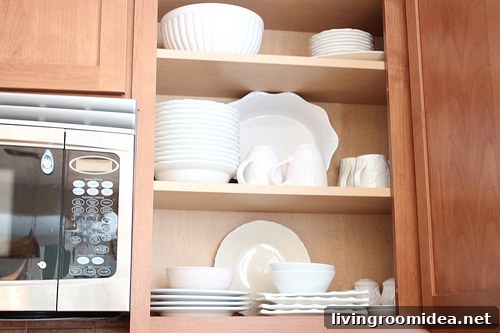
Everyday dishes on open shelves for easy access
(side note: to the left you can see our broken microwave handle — the microwave itself works sporadically!)
2) Keep the most-used, washable items close to the sink and dishwasher, grouped with like items.
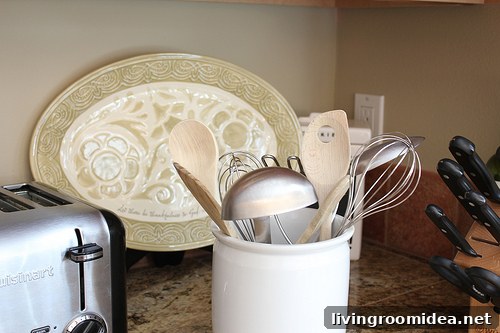
All cooking spoons and spatulas are together, pots and pans are stored as a set, baking dishes are in one space, and storage containers are in another. Putting frequently washed items near the sink reduces unnecessary reaching and cabinet avalanches. I don’t stress about perfection — utensils may be tossed into a drawer, but I can always find what I need. More detailed organizing can be a someday project.
Those two simple rules — zoning and placing everyday items near the washing area — are why we can unload a dishwasher quickly. When everything has a clear, nearby home, putting things away becomes fast and automatic.
I know some of you may be thinking it’s easy to say when your kitchen has good cabinets. I’ve lived in older homes with challenging storage too, and I’ve used door racks, basement storage, and creative solutions. The zoning idea still applies: keep items you use most where they make the most sense.
Here are a few clever storage ideas I use to keep extras out of the main work zone.
My paper clutter problem and the simple fix I implemented.
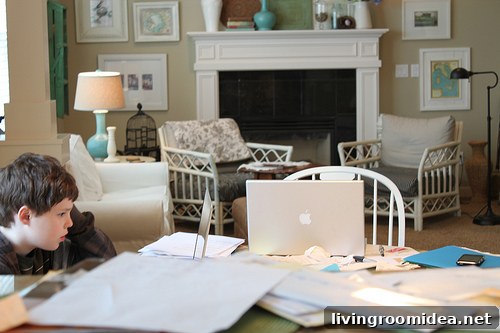
Since moving into this house I’ve struggled with “in-process” papers piling up on counters and the kitchen table. I have long-term filing systems elsewhere, but papers I was actively working on would sit out until I intended to finish them — which often didn’t happen. My husband would shift piles while getting ready for his work, and my carefully sorted stacks would get mixed up, and important things would get lost.
What typically happens here:
I gather papers at the table — bills, receipts, things for the kids — and spread them out so I can work on them. Then I get called away. Later, the piles get moved or combined by someone else, and my system collapses. The result: missed bills, misplaced receipts, and frustration.
I decided to apply the same organizing principles I use in the kitchen to my papers. First I identified the types of papers that were repeatedly left out. Then I created a simple, accessible system for those “in-process” items.
My observations:
- I already have file cabinets for long-term storage. The missing piece was a place for papers that need attention in the near future.
- Those active papers need to be nearby. Keeping them anywhere else would make me forget about them.
The solution:
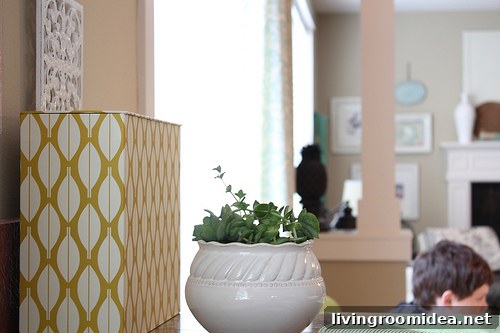
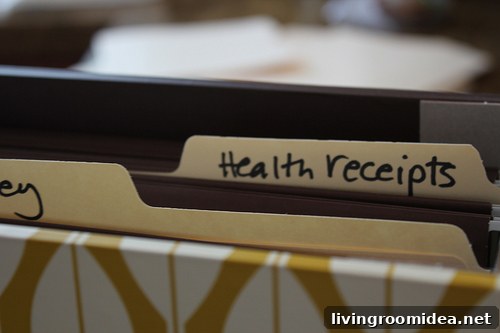
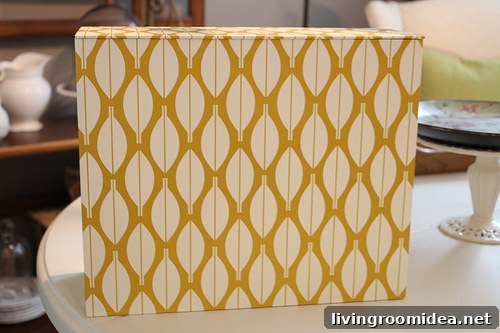
I bought a small, attractive file box and created folders for the categories I use most: bills to pay, receipts for church, business receipts, HSA/insurance receipts, and mail or papers for each child. The box sits on the kitchen counter where I work. When a paper needs attention, it goes straight into the appropriate folder. When a task is completed, that paper moves to long-term storage.
This took about five minutes to set up and immediately cleared the counters. I even added one folder my husband can use for things he finds — no more hunting through the house to locate where he put something.
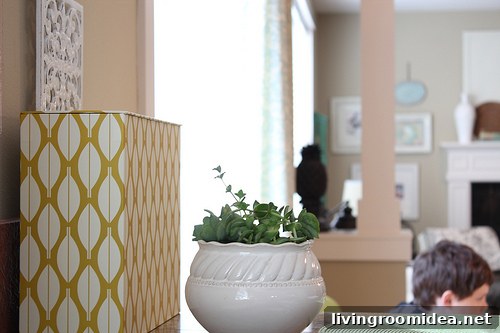
I love simple systems that reduce daily friction: loading the dishwasher at night and unloading it quickly in the morning, sensible drawer and cabinet groupings, and an easy-to-use in-process paper box. These small routines add up to a more organized home.
What is your biggest kitchen housekeeping or organization challenge?