
Please welcome The Inspired Room’s guest blogger today for quick tips on Home Office Organization:
WELCOME Brandie Kajino, “The Home Office Organizer”!
March 11 is “Organize Your Home Office Day,” and tax season has many of us scrambling for paperwork. Paper use has surged since personal computers became common, and while a fully paperless life remains rare, there are practical ways to keep the paper under control. With around 48 million Americans working from home—and that number expected to grow—many households need a functional home office for bills, family affairs, creative work, or remote jobs. The good news: with a few simple routines and tools you can create a space where you can find what you need in five minutes or less.
Below are practical, easy-to-apply steps to tame your paper and streamline your home office. These strategies focus on quick decisions, recurring habits, and a few resources to help you get started.
1. Sort the mail every day: Make this a short, daily habit. Sorting means deciding, at a glance, how long each piece of mail will take to handle and which category it belongs in. You only need two baskets, folders, or large envelopes to start. Spend a minute each day to avoid piles building up.
2. “To Do”: Use this category for anything that will take more than two minutes—paying a bill, making a phone call, writing a response, or filling out a form. If you need the mail’s information to act on something, put it in the “To Do” basket so it’s easy to find when you have time to complete those tasks.
3. “To Read”: Reserve this for items that require reading time—magazines, brochures, event notices, and the like. If reading something will take more than two minutes, place it in the “To Read” folder so it won’t distract you from quick daily tasks but stays accessible when you have the time.
4. Recycle, reduce, reuse: Much of the mail we receive is marketing we don’t need. Be selective—recycle coupons, flyers, and offers that don’t match your needs. Reducing incoming paper helps prevent clutter. If you do receive items that can be repurposed, find a reuse rather than letting them gather dust.
Bonus reuse tip: Old newspapers make an excellent and inexpensive weed barrier in the garden. Modern newspapers often use soy-based inks, making them safe for soil. Four to five layers of newspaper can work better than specialty landscape fabric.
5. Resources to get started: A few tools and references can help you find a system that fits your personality and workflow. Choose the medium you prefer—online quizzes, books, articles, or classes.
Brain Type Quiz: If you want to tailor organizing methods to how you think, try a “What’s Your Brain Type” quiz to identify habits and systems that will work best for you.
Books: Consider titles that offer practical, adaptable approaches to organizing:
“Organizing for Your Brain Type” by Lanna Nakone
“Zen to Done” by Leo Babauta
“Guide to Organizing Your Office” by Ariane Benefit
“101 Tips for Your Home Office” e-book by Brandie Kajino
Website articles: There are many blog posts and articles focused on home offices. Reading practical tips and varied perspectives can spark ideas for improving your own space.
Teleclass: For guided instruction, consider teleclasses that focus on setting up efficient routines, choosing storage solutions, and maintaining momentum.
Related articles:
Order Before Beauty
Style Tips: Quick Ideas for Refining Your Style
The Home Office Saga
Exciting Plans
This post, Steps to Start Organizing Your Home Office, was mentioned in blog roundups such as THE WASHINGTON POST Blog Watch.
Do you have favorite organizing resources or techniques? Share them in the comments. If you have questions, post them and Brandie will monitor replies. Best wishes in creating a home office that works for you!
About the author
Brandie Kajino, The Home Office Organizer, is a speaker, author and professional organizer specializing in home offices for home-based professionals. Her services and resources help people get organized, increase productivity, and simplify life.
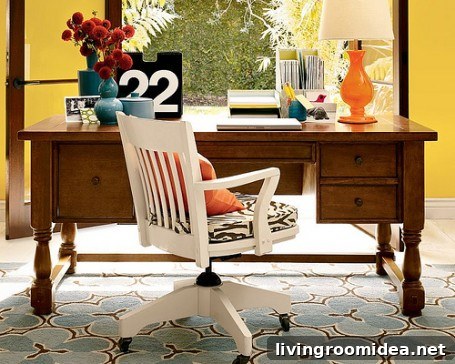
(Photo from PotteryBarn.com)