
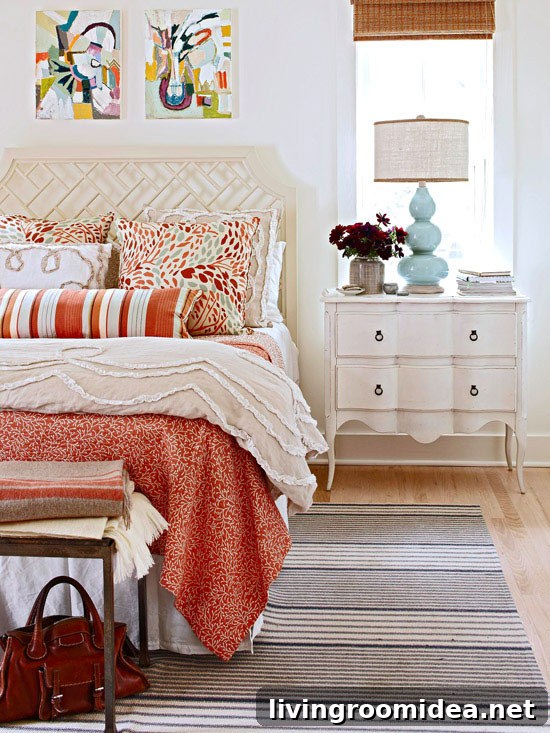
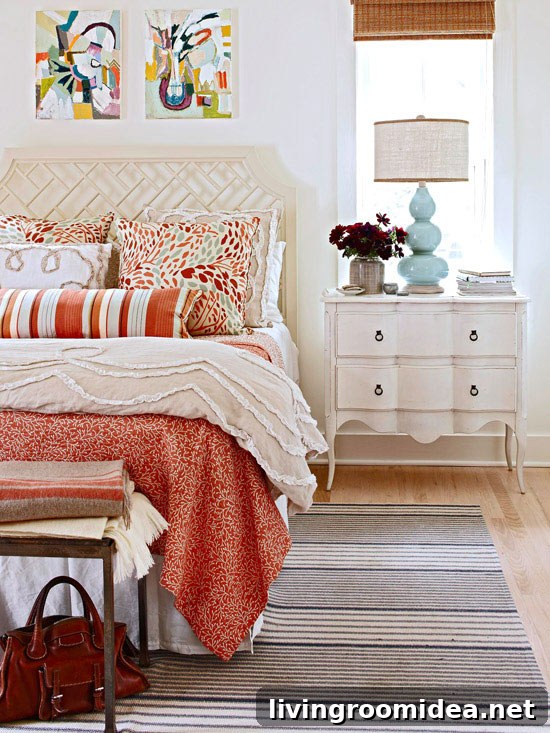
Colorful bedroom via BHG
Do you enjoy layered patterns in a room? When mixed well, patterns bring warmth and a distinct personality that a minimal, all-solid palette can’t achieve. Neutrals have their place, but color and pattern add energy and creativity. For many of us, a home without pattern or color feels flat.
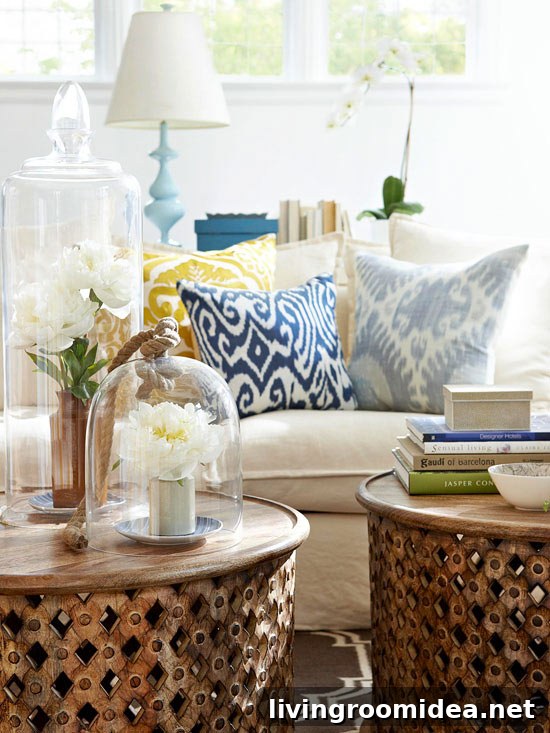
Mixed patterned pillows via BHG
Mixing patterns is a skill that improves with practice. Some people seem to have a natural eye and can combine prints effortlessly; others need to experiment. Designer Sarah Richardson describes a relaxed approach: jumble patterns and don’t overthink it. Developing that instinct—knowing when patterns “play nice”—often comes from trial and error and a willingness to try combinations you might not initially consider.
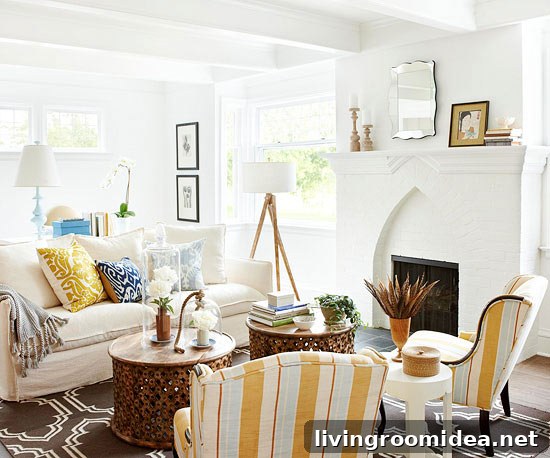
Decorating with mixed patterns via BHG
A simple way to begin is to use a solid white foundation and introduce one main color in two scales: a large-scale pattern and a smaller-scale pattern. This approach is forgiving and effective. Once comfortable, you can add more colors and pattern scales—stripes with a bold geometric, for example, can be a striking combination.
I admire designers who can layer patterns without overwhelming a room. Some mixes feel chaotic, while others read as lively and harmonious. The difference is often subtle: a well-considered balance where no single element fights for attention. Personal taste plays a big role—what feels energetic to one person may feel cluttered to another.
Some decorators build complex, layered spaces that feel cohesive rather than noisy. Achieving that balance takes practice and a clear sense of what you want your space to feel like. For me, decorating swings between refined and playful; I want rooms that are both tasteful and fun. You don’t have to agree with every trend—your home should reflect the look you can live with while still appreciating other styles.
When I plan a mix of patterns, I often lay potential pieces together on the floor or a table before committing. It can feel awkward pulling furniture and fabrics around a store, but seeing items side by side helps visualize how they’ll work in a space. The goal isn’t perfect matching but a pleasing, comfortable combination.
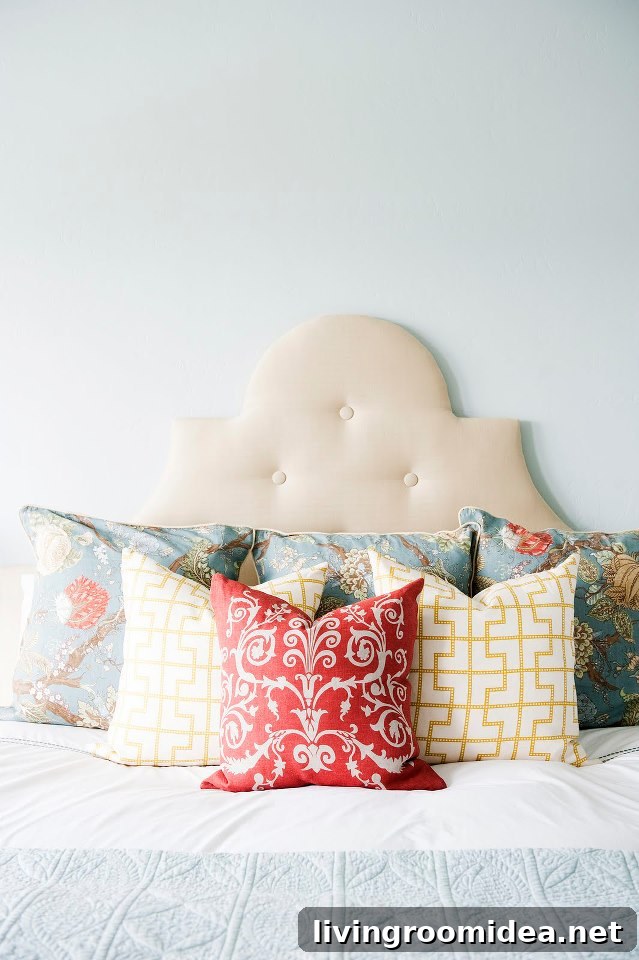
Bedroom via 6th Street Design School
If you can’t carry fabric samples, use your phone to photograph rooms and close-ups of rugs, pillows, and upholstery. Keeping those images on your phone makes it easy to compare new finds with what you already own and avoid impulsive mistakes. A quick photo check can save time and money when you spot a piece you love but aren’t sure will fit.
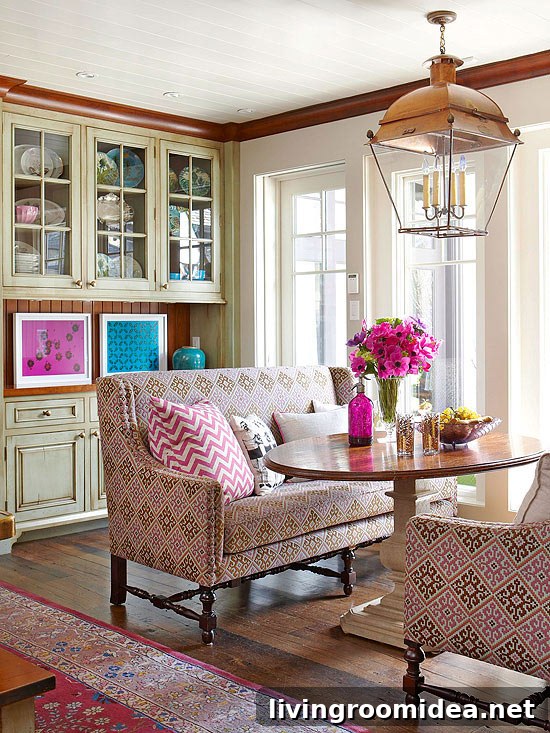
Mix and match patterns and colors via BHG
Mixing patterns becomes more challenging when you’re working with a collection built over time. Designing a room from new purchases that coordinate is straightforward. The true art, though, is combining heirlooms, vintage finds, and flea-market pieces—grandma’s Persian rug, an antique sofa, crocheted blankets—with modern accents. That kind of layered, collected look takes patience and a sensitive eye, but the result is often a one-of-a-kind home full of character.
If you’re learning, start with a restrained palette and build complexity gradually. Consider repeating a color across different items to create cohesion, balance large and small scales, and anchor busy patterns with solids or simple textures. Edit ruthlessly—less can be more when it prevents patterns from competing for attention.
How do you feel about mixing patterns in decorating? When done thoughtfully, pattern layering creates spaces that feel warm, personal, and lively. Whether you prefer a subtle mix or a bold layered look, experimenting and trusting your eye will help you find combinations that make your home uniquely yours.