
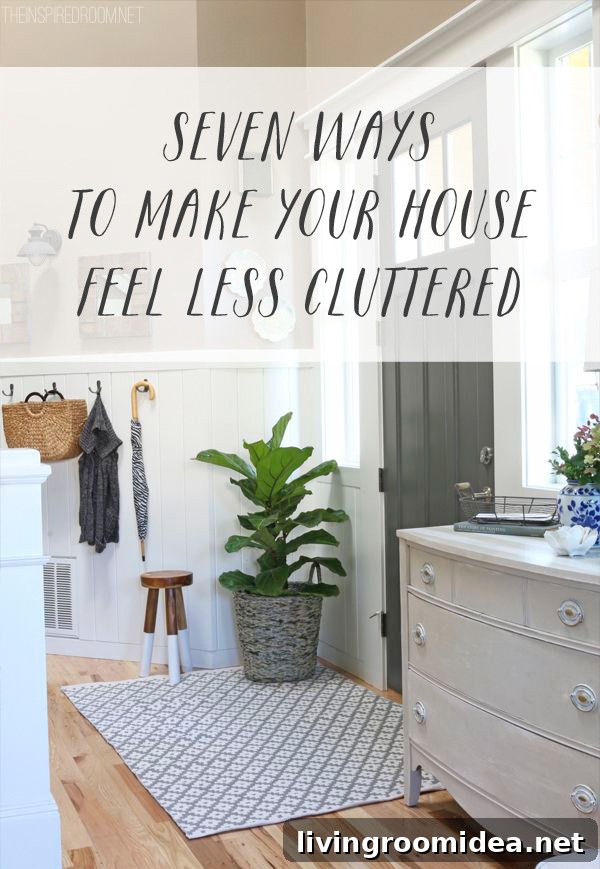
There are many effective ways to make your home feel less cluttered without drastic measures. While donating or discarding excess items is often the best long-term answer, small changes to how you store and display everyday things can instantly make rooms feel more peaceful and open. Below are practical, approachable strategies you can use right away to create a calmer, more organized home.
1. Edit what’s visible
Start by choosing a few surfaces to keep intentionally clear—kitchen counters, a bedroom dresser, or a living room coffee table. Visible items catch the eye and create a sense of chaos when left unchecked. Keep only what you use daily or what adds real warmth to the space. Store away less-used items so your eye can rest on open surfaces and a few meaningful accessories.
2. Use containers and baskets
Neutral baskets, boxes, and trays are simple tools that immediately tame visual clutter. Group small items like remotes, mail, and chargers in containers so they form a single, tidy unit instead of scattered bits. Matching or complementary containers help create cohesion, making a collection of items read as intentional rather than messy.
3. Create designated zones
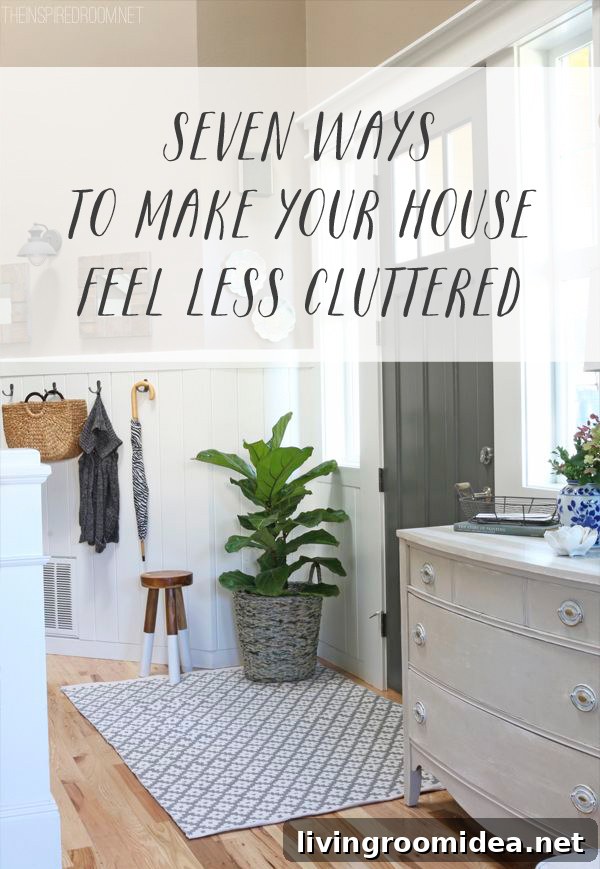
Assign clear purposes to areas in your home—an entryway drop zone for keys and bags, a dedicated homework station, or a reading nook. When every item has a logical home, it’s easier to put things away and keep surfaces clear. Labeling drawers or shelves can help family members maintain the system, especially in busy households.
4. Maximize vertical space
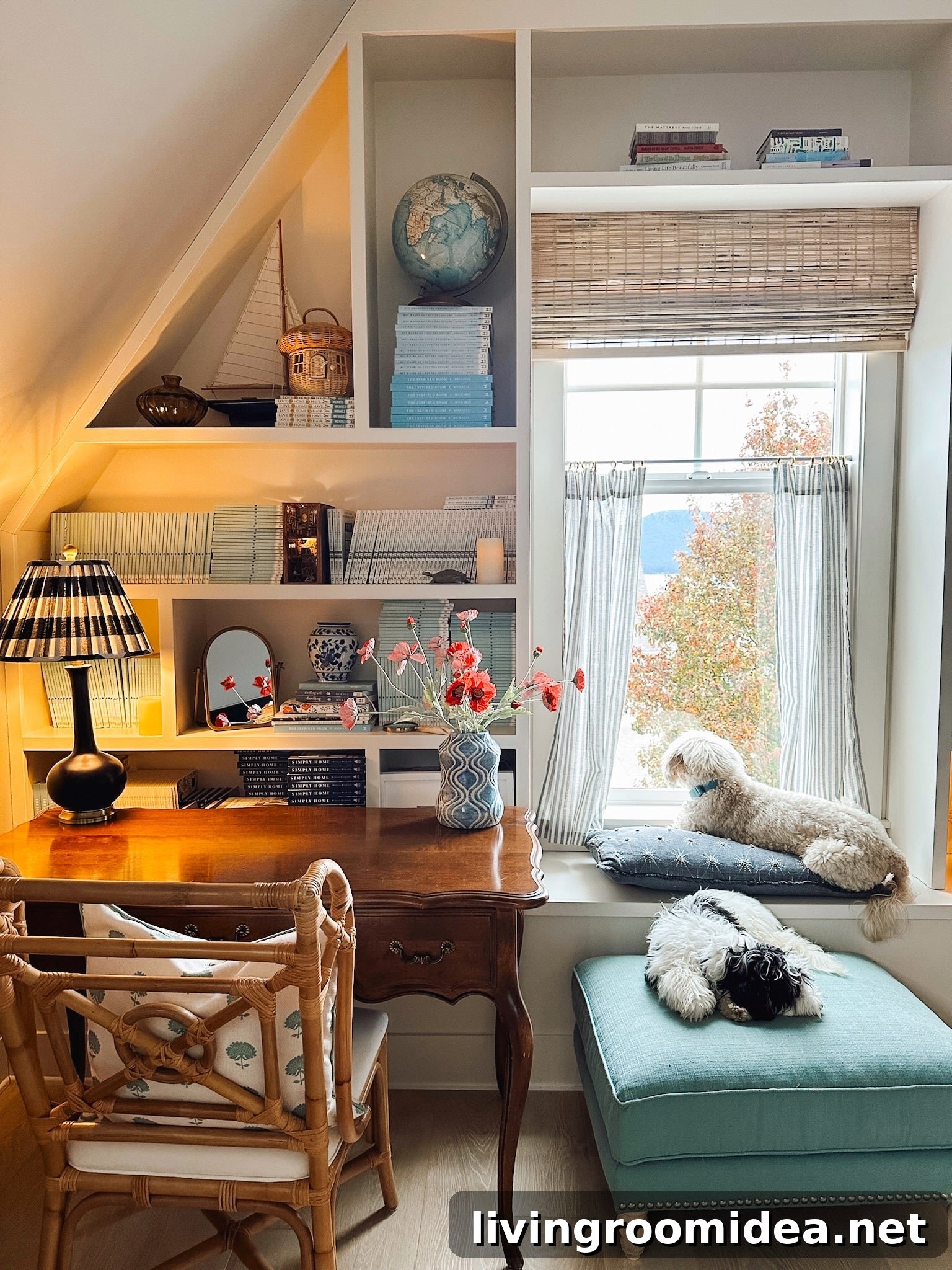
Shelves and wall-mounted storage free up floor space and keep belongings organized without crowding countertops. Use open shelving thoughtfully by limiting the number of items and arranging them in groups. Closed cabinets or bins on higher shelves can hide less attractive items while still keeping them accessible.
5. Rotate seasonal items
Keeping only what you need for the current season reduces visual and physical clutter. Store off-season clothing, décor, and sports gear out of sight in labeled bins or in attic and basement storage. Rotating items also makes your home feel refreshed when new pieces come out of storage, and it highlights what you truly use and enjoy.
6. Streamline sentimental items
Sentimental belongings are important, but too many can overwhelm a space. Choose a few favorites to display and store the rest in a dedicated memory box. Consider photographing items you want to remember but don’t need to keep on display; a photo album or digital archive preserves the memory without filling your shelves.
7. Practice quick daily tidy-ups
Five to ten minutes of daily maintenance prevents clutter from accumulating. Make it a habit to clear counters, fold a throw blanket, or sort the day’s mail each evening. Small, regular efforts are easier to sustain than occasional deep-cleaning marathons and keep your home feeling consistently calm and organized.
Bringing it together
Reducing the feeling of clutter is about editing, organizing, and creating systems that support daily life. By keeping surfaces simple, using containers, assigning zones, utilizing vertical storage, rotating seasonal things, curating sentimental items, and committing to quick daily tidies, you’ll notice your home feels more spacious and peaceful. These are practical steps you can start today—no major overhaul required.
Try one simple change this week—clear a countertop, add a basket for small items, or designate a drop zone by the door. Small habits compound into a more organized home and a calmer mind.