

Thanks for all the kind messages about Teddy’s arrival last week. We’re home and settling into life with a newborn again (any tips for getting a baby to sleep between 10pm and 4am are gratefully accepted). We’ll be keeping a lighter schedule for a bit, but one task we squeezed in about 48 hours before Teddy was born was finally sealing our kitchen’s recently Ardexed concrete counters.
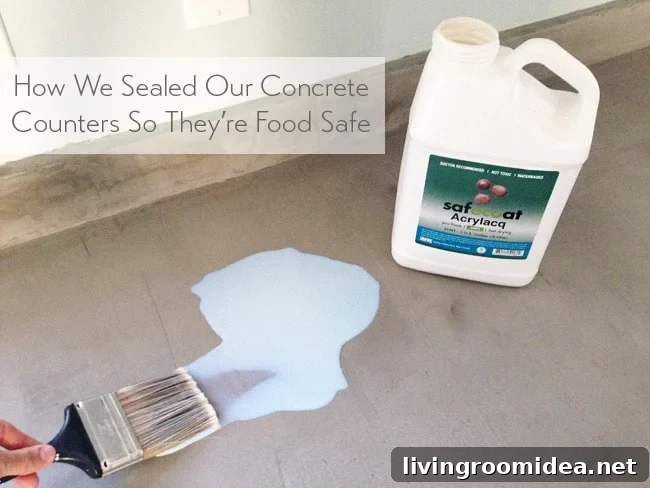
We’ve posted other sealing tutorials before—de-hazing and sealing tile, sealing grout, and sealing cork—so this time I’ll detail the approach we landed on for protecting our Ardex counters. We read a lot of posts about how critical the sealing step can be for Ardex, and we took reader suggestions from our March 24th update into account when choosing sealers to research. In the end we used two coats of 511 Impregnator Sealer followed by three coats of Safecoat Acrylacq.
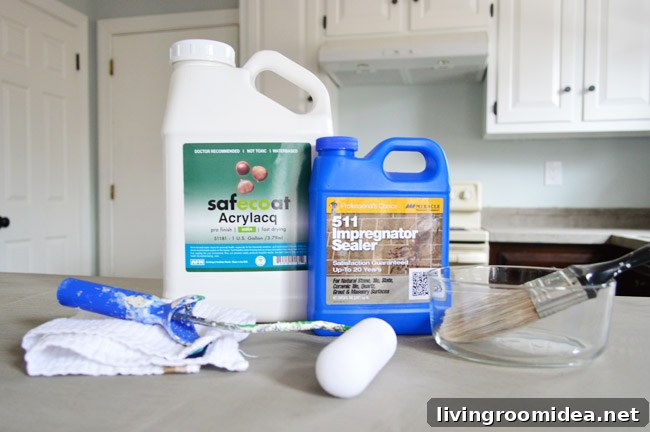
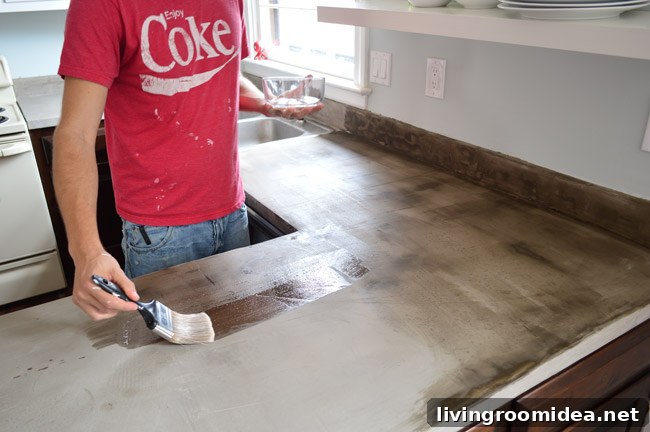
The 511 Impregnator’s job is to penetrate and seal the concrete to resist stains and moisture. It’s very easy to apply because of its thin, water-like consistency. I poured a bit into a bowl and brushed it liberally across the clean concrete surface. The instructions recommend wiping off excess after a few minutes; most of ours absorbed quickly, but I wiped anyway to follow directions. During application the surface looks darker and blotchy, but once the sealer soaks in and dries it returns close to its original color.
We applied two coats of the Impregnator, 24 hours apart, and let the last coat cure for 24 hours before moving on to the topcoat. For the finish we used Safecoat Acrylacq, a non-toxic, 100% food-safe topcoat well suited for a kitchen. It seals the counters so liquids bead up instead of absorbing, protects against stains and moisture, and provides scratch resistance with a polished look.
I applied the Acrylacq by pouring a small puddle onto the surface and spreading it thinly with a brush. It has a slight bluish tint while wet, which we’re used to and not worried about. We applied three coats total, allowing about 12 hours of drying time between coats, then let the surface cure for three full days before placing anything on it even though it felt dry to the touch much sooner.
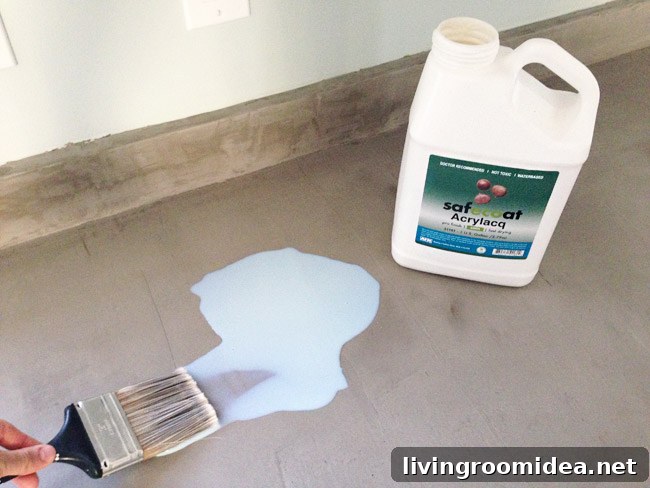
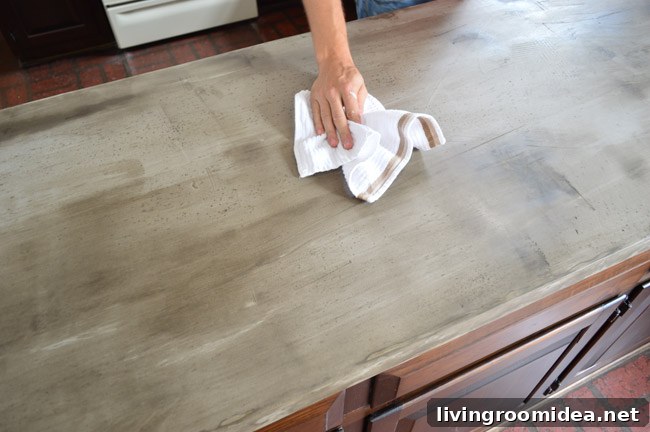
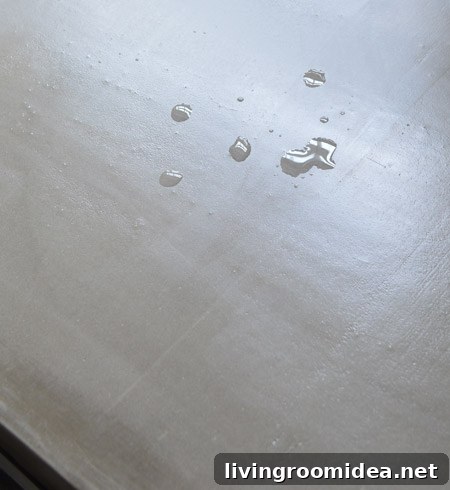
Although we used the satin version of Acrylacq, it noticeably increased the sheen compared to the original chalky Ardex finish. That glossier look makes the counters feel more like stone and less like a DIY surface. It also improved stain resistance significantly: spills and splatters bead up and wipe away without leaving dark rings or long-lived discoloration like untreated concrete can.
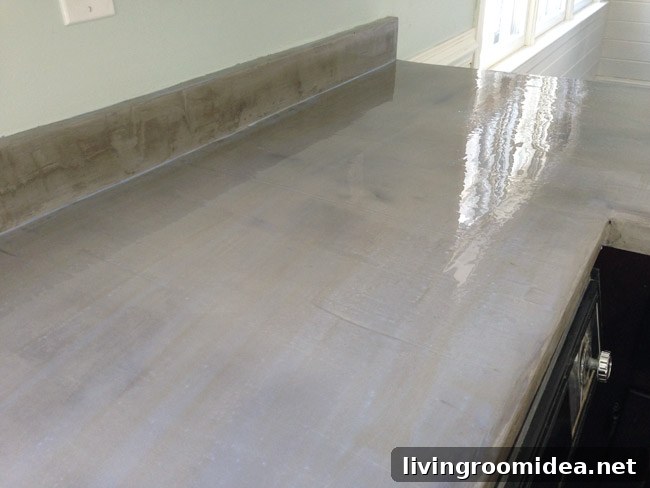
We were concerned about scratches based on some reports, but so far the counters have held up well. After cooking family meals and moving heavy dishes across the surface we haven’t noticed persistent scratches. The combination of an impregnating sealer and a durable, food-safe topcoat appears to provide a stone-like look that resists moisture and wear.
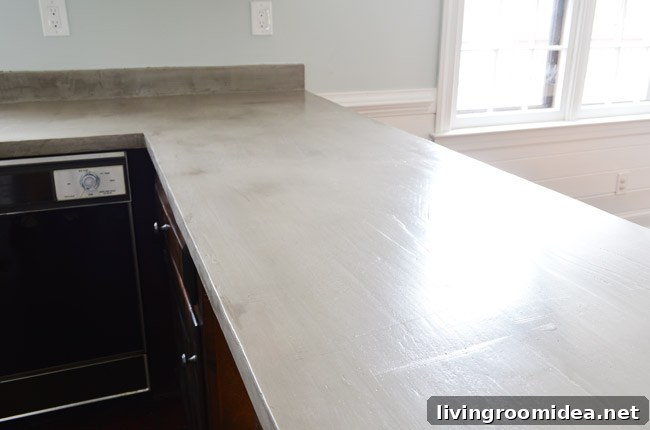
My main critique is that the glossier finish makes minor surface imperfections more visible—areas I could’ve sanded smoother during the Ardex application. Sherry sees those character marks as part of the concrete aesthetic, while my perfectionist side notices spots I could have improved. Either way, we’re thrilled to have our counters usable again and far happier with them than the old yellow laminate that was there before.
There are still a few finish details we might tweak—painting the lower cabinets is on the table—but for now we’re more distracted by other projects, like replacing the faux brick linoleum flooring. I’d like to sand a bit more smoothly if we ever redo the Ardex, but overall I’m very pleased with how the sealing transformed the surface into a more finished and protective countertop.
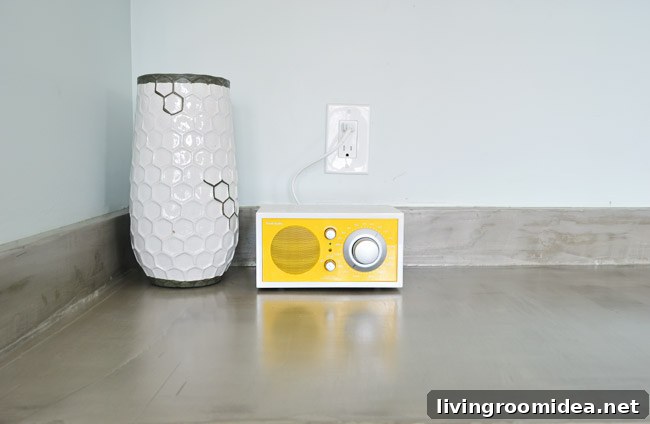
We haven’t put the kitchen through heavy everyday use yet—aside from a few family meals since the baby arrived—so we’ll keep monitoring how the counters wear. If stains appear or scratches develop, we’ll report back with updates and photos in a few months.
UPDATE: We shared how the counters are holding up here in a follow-up post.
If you’ve used the same sealer combination or had success with a different pairing, please share your experience for others tackling Ardex counters. In other news, here’s the requested photo comparison: Teddy at four days old:

And here’s Clara at about three weeks in a similar pose. They share long fingers and toes, faint blonde brows, and tiny chins—Clara just had less hair. In person they look related but not identical.

Now about those tips for getting a newborn to sleep through the night hours—please share what works for you.