
Q: I would like to know your guys’ thought process BEFORE you start a big project (like your kitchen, living room, bathroom, a nursery, etc). Could you delve into how you ‘read’ a BEFORE and how to consider function along with style? Where/what do you research? How do you decide which projects to do when? What makes a project top priority while others take the backseat for a while? How do you determine your budget? How do you live with the mess while a project is going on? Basically, how do you mentally and physically get from BEFORE to AFTER? Lots of questions, sorry. On a lighter note, how do you unwind and NOT think about every single thing that you want to improve all the time? Sometimes I feel CRAZY making my mental home improvement list! Thanks for all the inspiration and hard work. – Dana
A: Great question — we get variations of this one a lot. Our approach isn’t a strict formula; it’s a mix of planning, patience, and picking projects that feel right for the moment. Some jobs we start because we’re energized and inspired, while others we postpone until we have the time, money, or muscle-power to tackle them. Research varies by task. For something technical, like changing light fixtures, we read up and proceed cautiously. For lower-stakes choices, such as testing curtain styles, we’ll try several options in person and return the ones that don’t work.

Budgeting is usually simple for us: if we can’t afford it, we don’t buy it. That constraint forces creativity and often leads to affordable solutions that look intentional—like using two blinds to mimic one long, pricey blind. When it comes to living with renovation chaos, we learned early that finishing one project at a time keeps the house livable and our sanity intact. Spreading multiple incomplete projects across the house creates a constant state of disorder. Instead, we try to focus resources and attention on completing a single room or major task before moving on.
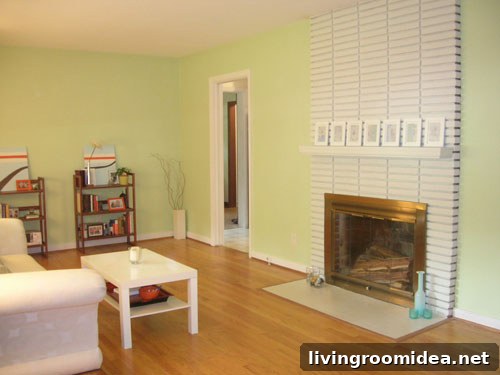
To make this concrete, here’s the step-by-step progression of one room: our living room. When we moved in, it was a generic front room we didn’t immediately know how to use. We lived with it for a while to decide whether it would be better as a living-and-dining combo and to understand how we wanted to live in the space before making big changes. That period of observation prevented rash decisions.
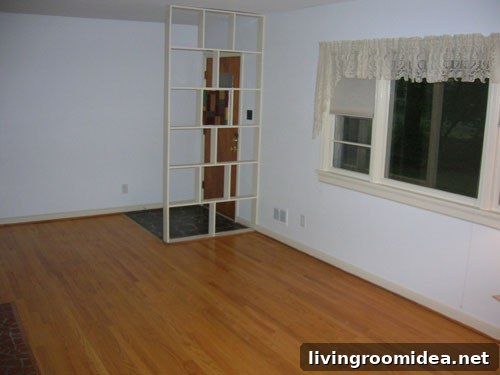
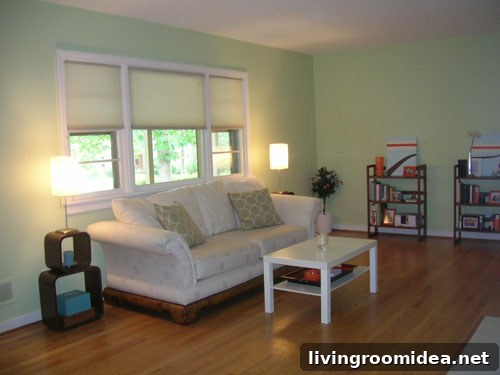
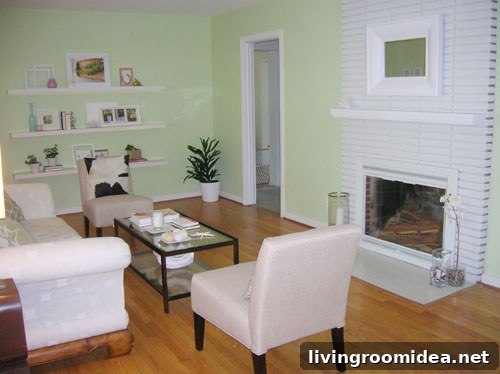
Our first practical changes were small and low-commitment: removing an outdated wooden divider (and patching the wall), replacing old curtains with simple blinds for a cleaner look, and painting. Our initial paint choice wasn’t perfect—a too-bright green—but adding fresh white trim and painting the dark fireplace white immediately brightened the room and gave us the confidence to live with the color until we settled on the tones we actually loved: warm creams, sandy tans, and blue-grays.
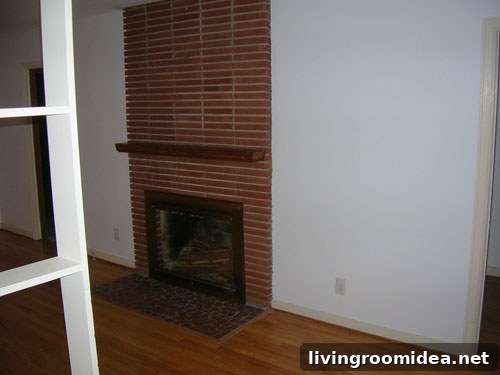
Furniture came slowly. Moving from a small city with limited transport meant we started with hand-me-downs and inexpensive finds. We upgraded piece by piece: swapping an Ikea coffee table for a thrift-store find we still love, replacing narrow wooden bookshelves with inexpensive floating shelves for a built-in look, and using gifted slipper chairs until we could save for a sofa we liked. Small changes like painting a large, hand-me-down mirror white gave the mantel more presence without a big expense.
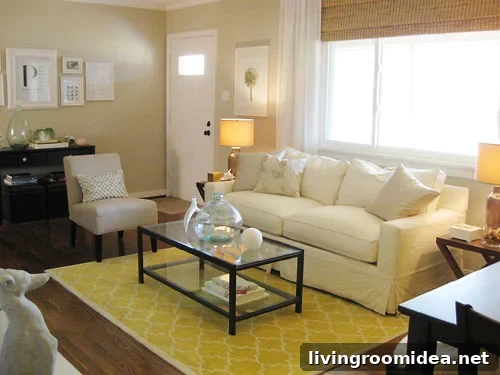
After living with the space, we repainted the walls a soft sandy tan (Glidden’s Sand White), added a pendant light to designate a dining area, widened a doorway to better connect rooms, and defined seating with an affordable wool rug. We kept shopping for pieces that fit both budget and style—side tables and lamps from budget retailers, and eventually a sofa that balanced price and comfort. A surprise crown molding install added polish and helped the room feel finished.
The final touches brought the room together: bamboo blinds and white curtains to add height and softness, a small sheepskin to break up dark tones, and a vibrant area rug found at a discount to inject personality. We also stained existing wood floors to better match adjoining rooms so the spaces read as open and cohesive.
The process demonstrates our overall approach: live with a space for a while, save money, tackle doable projects one at a time, and evolve the room incrementally until it feels right. For the nursery we worked on for John’s sister, we followed a clear checklist: pick bedding to set the color palette, paint with that palette in mind, ensure must-have functions (sleeping, nursing, changing, storage), add playful details (vertical stripes), brighten a windowless room with mirrors and lighting, and finish with hooks, baskets, art, and shelves chosen as we shopped.
- Settle on crib bedding and use that as the color inspiration
- Paint based on the established palette to coordinate with the rest of the house
- Confirm functional needs: sleep, nursing chair, changing surface, toy storage
- Add whimsical elements and brighten the room with mirrors and task lighting
- Choose hooks, baskets, and art as final touches while keeping function and color in mind
We paced that nursery project—about a day a week for five weeks—so we had enough distance to stay motivated and make thoughtful decisions. Breaks and small treats kept the work fun and prevented burnout. If a project ever feels rushed, take a step back: have a night out, go for a walk, or pause for a few days. That break often clarifies priorities and leads to better choices.
Taking your time pays off. Living with the house lets ideas emerge naturally—like using bamboo blinds instead of expensive cabinet doors or bringing in Ikea wardrobes as curtained closets—changes we wouldn’t have thought of if we’d rushed. Widening doorways and repurposing rooms were gradual epiphanies, not instant inspirations. So while it’s tempting to be done immediately, slow, purposeful progress usually creates a home that’s both functional and uniquely yours. Happy renovating!