Pillows are one of my favorite decorating accessories. But how do you choose decorative pillows that look cohesive and beautiful together? Below I share practical designer tips I use at home to select pillows that coordinate, save money, reduce clutter, and create a relaxed, cohesive look for every season.
Many people find pillows challenging—too many, not enough, the wrong sizes, or mismatched patterns. Storage, inserts, and mixing patterns can be confusing. I’ll walk through straightforward strategies that make styling pillows easier and more enjoyable.
Pillows don’t have to be perfect to look pretty
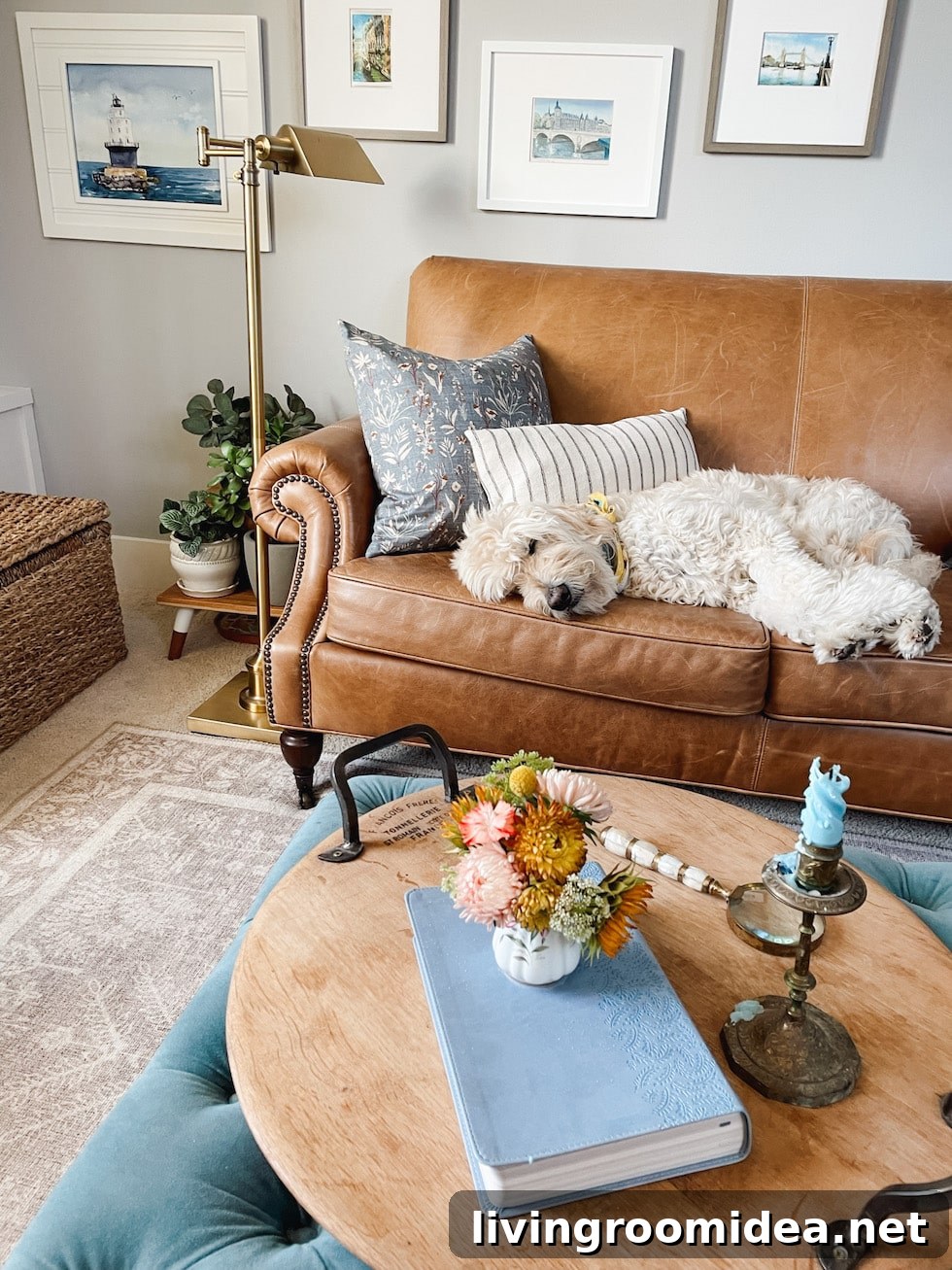
One of the best things I’ve learned: pillows don’t need to be immaculately arranged to look great. In a lived-in home, pillows are used—smooshed, tipped, or tossed on the floor by kids or pets. Expecting perfection leads to frustration; embracing imperfection lets you enjoy your space without constant upkeep.
If you use a few simple rules—like consistent colors, balanced patterns, and good inserts—your pillows will still look attractive even when they’re not perfectly fluffed or placed according to strict styling rules.
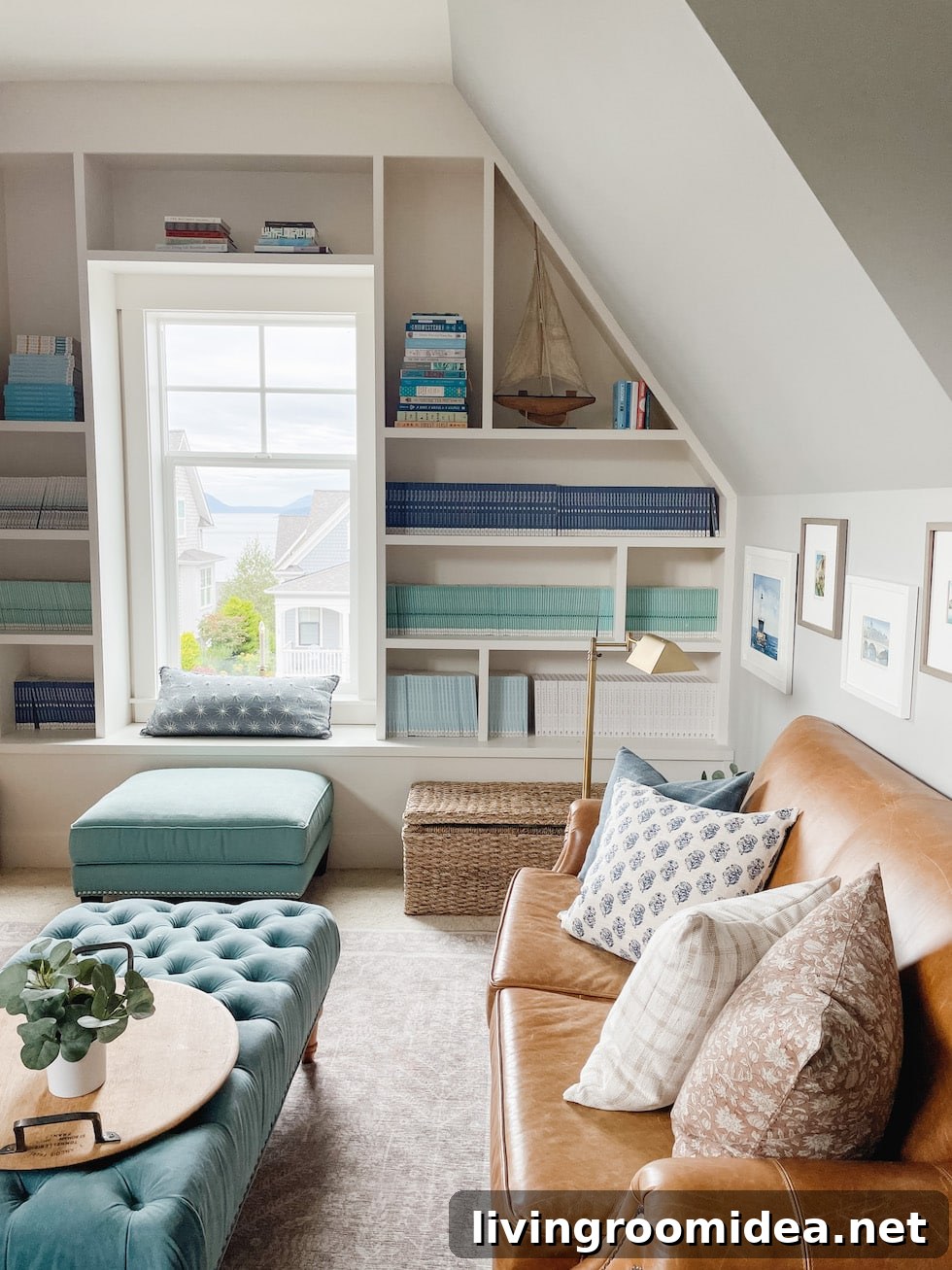
Decorating for a lived-in home
Expert advice can be helpful, but it doesn’t always fit every lifestyle. I prefer a casual, welcoming look that feels like people actually live there. If you want a pretty home that’s comfortable for family and pets, these practical tips are for you.
A relaxed approach keeps your space inviting rather than staged. Whether you follow or break traditional decorating rules, the goal is a warm, usable home that reflects the people who live there—not a perfect showroom.
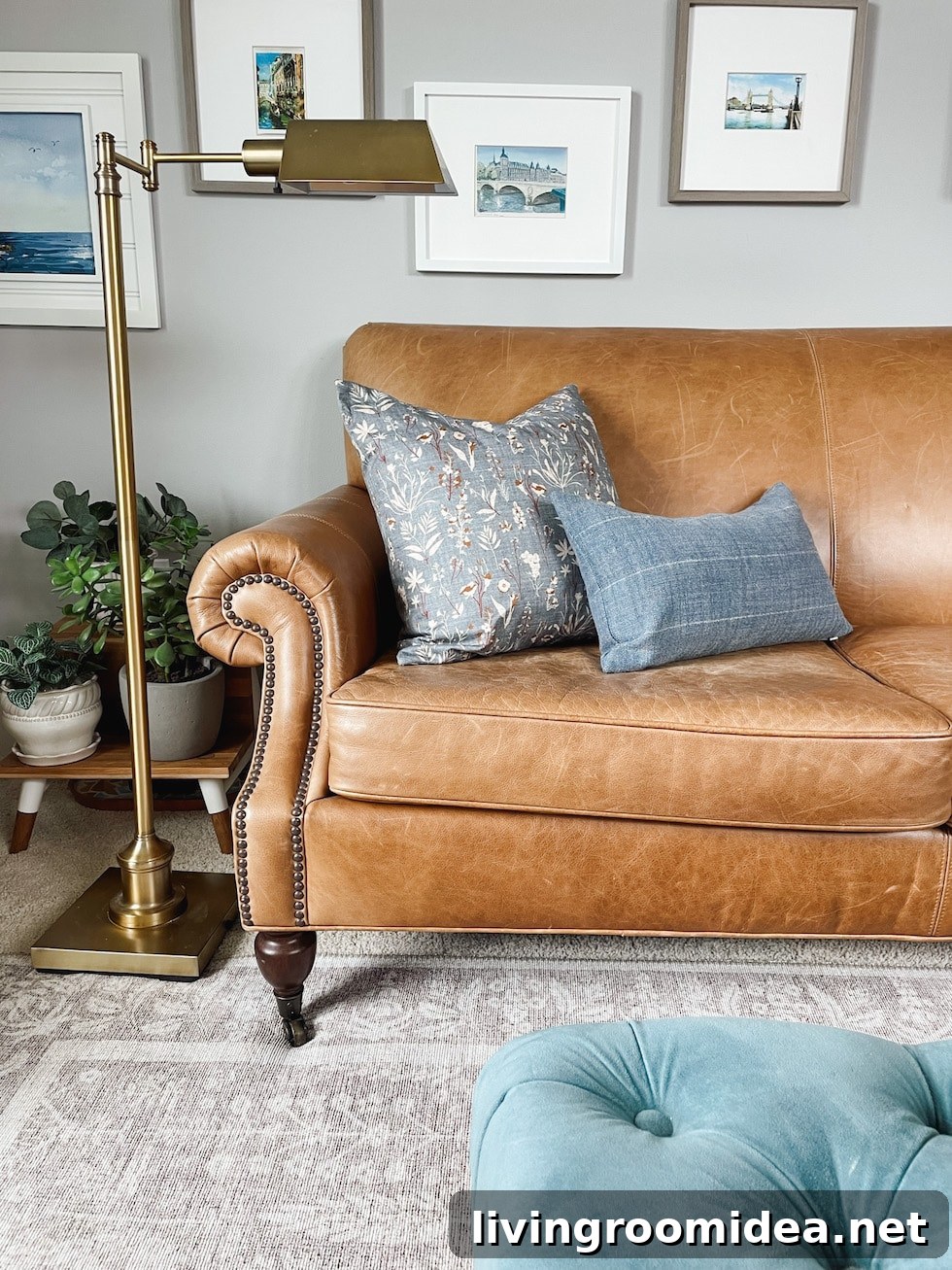
A signature style that’s both pretty and practical
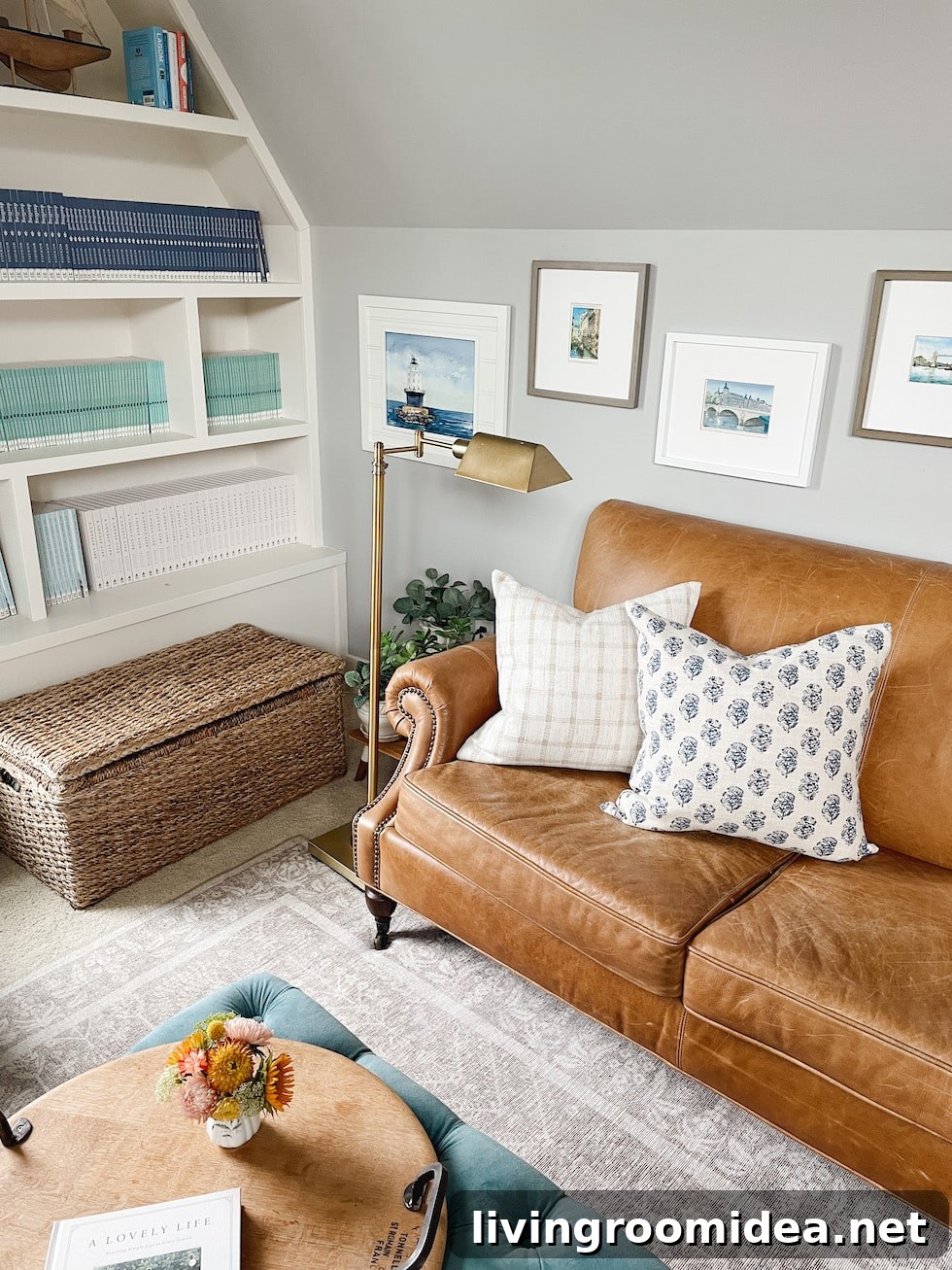
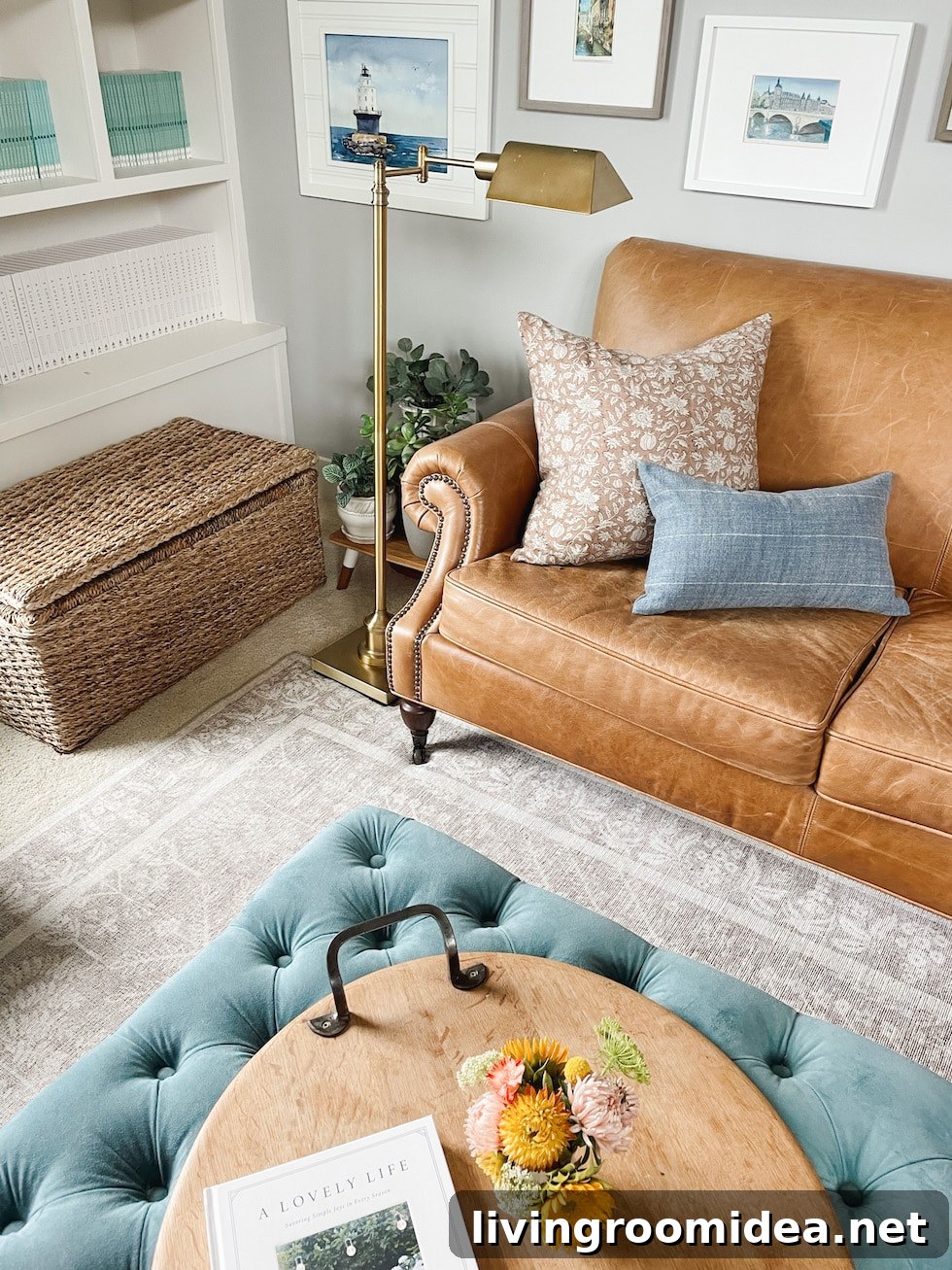
You can develop a signature pillow style that still reads as attractive when cushions are rumpled—soft, cozy, and approachable. Recently I added a collection of pillow covers and experimented with pairings on our leather sofa to show how pillows can complement different furniture types.
Leather sofas sometimes intimidate people, but pillows can warm and soften the look beautifully. Use what you have and build a practical, pretty palette that suits everyday life.
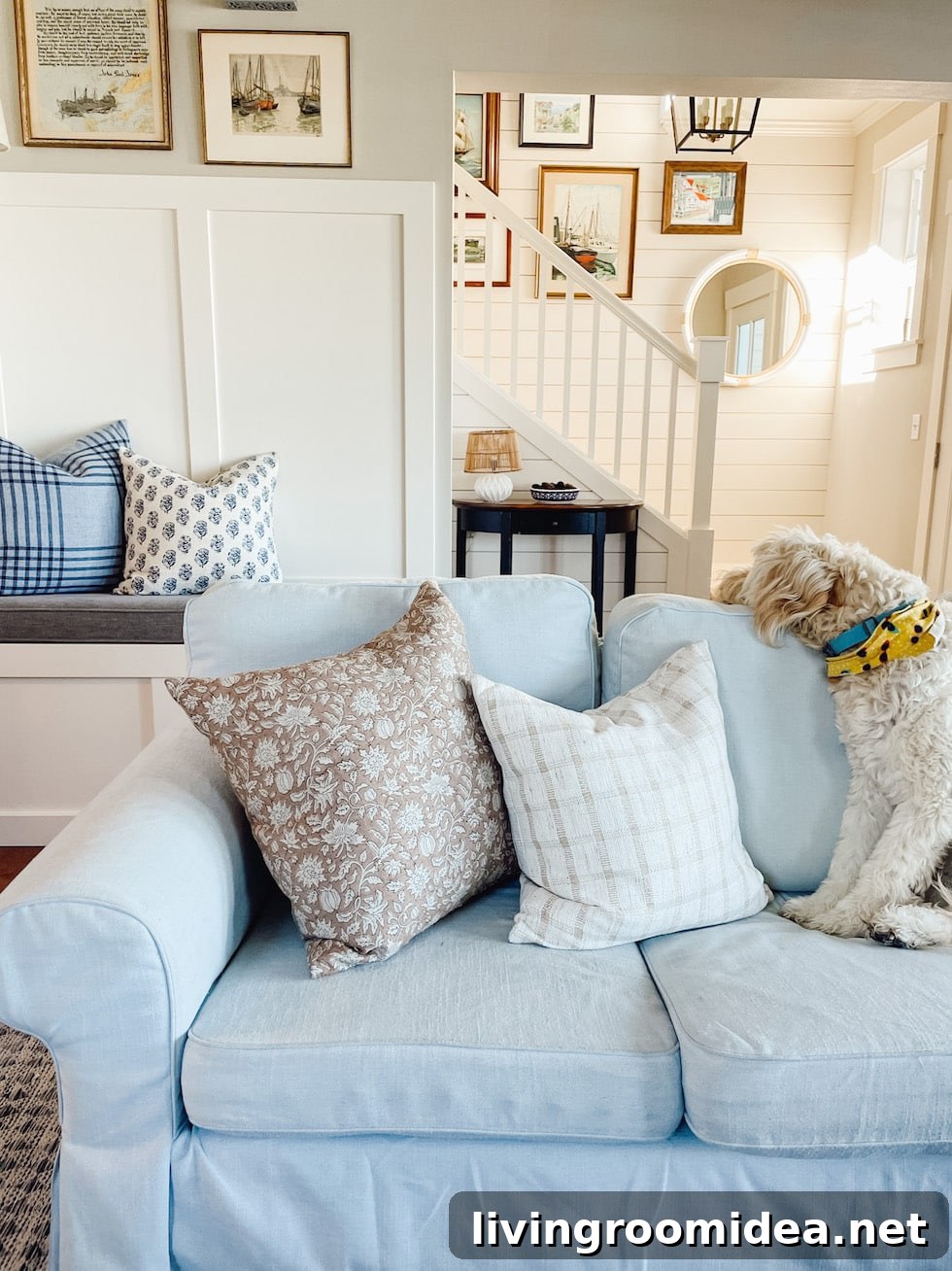
Practical tips for choosing decorative pillows that go together:
1) Choose a signature color palette for your home or a room
A unified palette lets you mix and match accessories throughout the house. When you maintain a base palette, pillows and accents can be swapped between rooms and seasons without needing a separate set for every occasion. This reduces storage needs and stretches your decorating budget.
Keep your palette flexible: swap textures or introduce a seasonal accent color to refresh the look while staying cohesive.
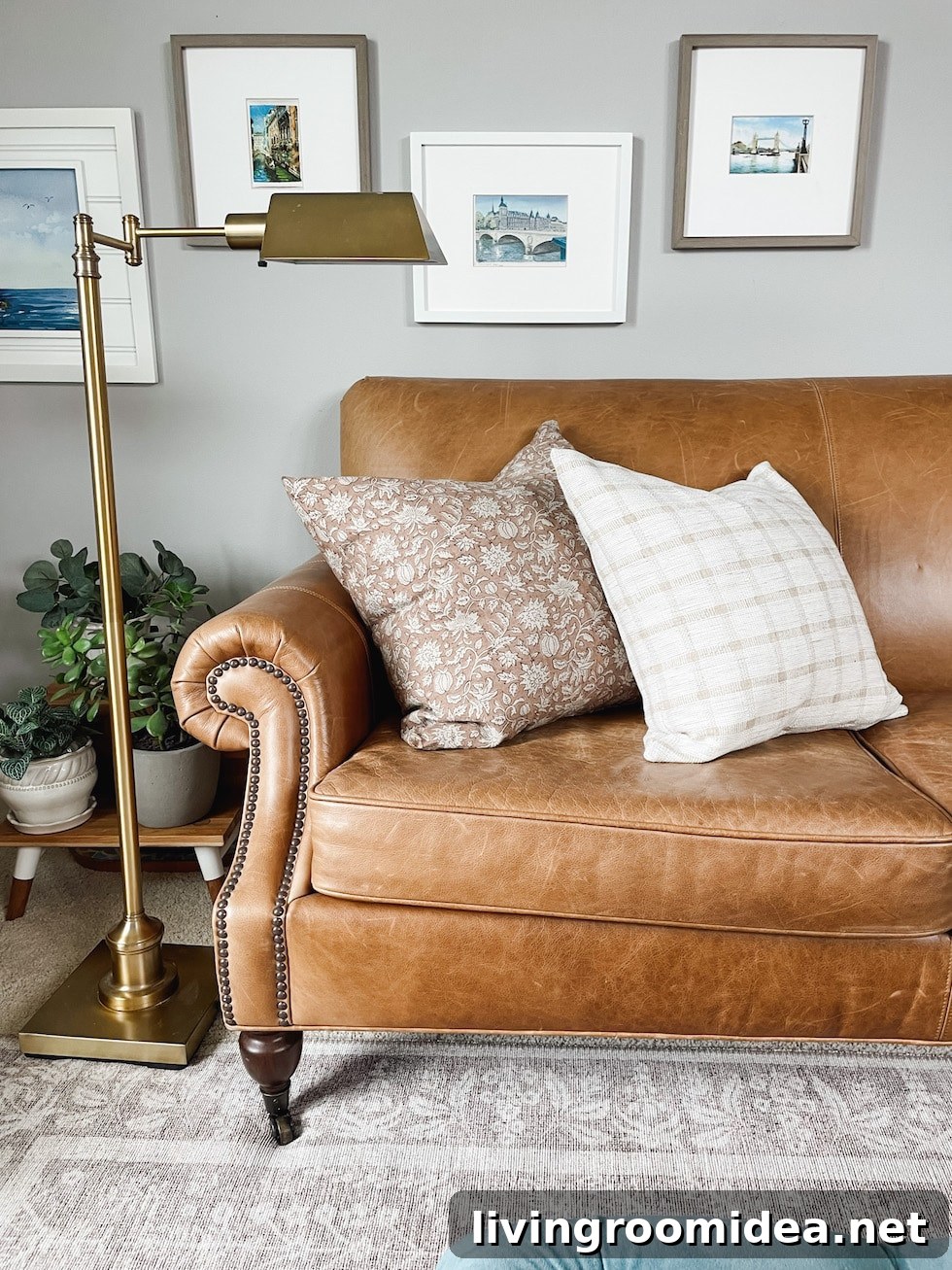
2) Start with a base set of pillow covers that coordinate
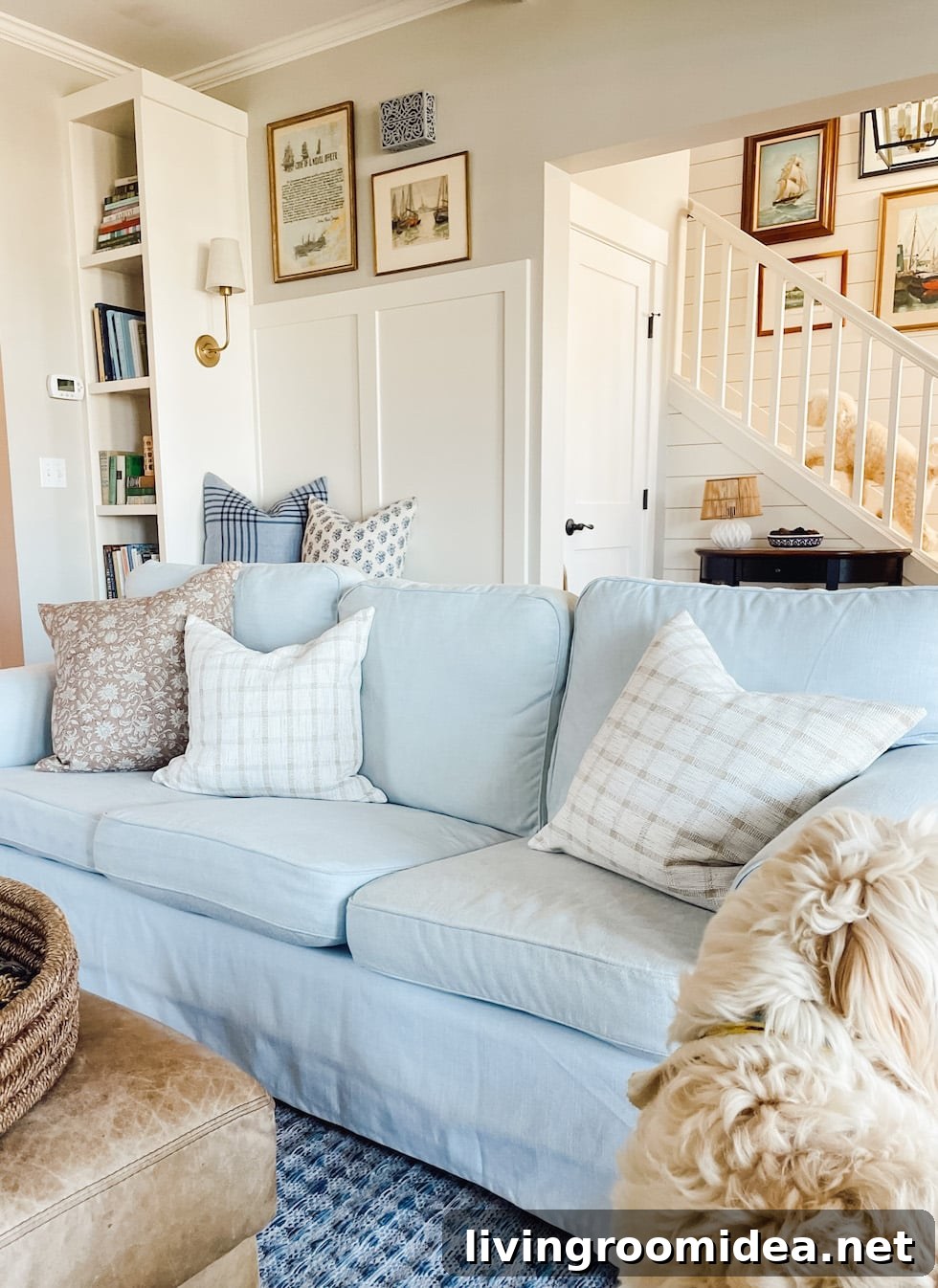
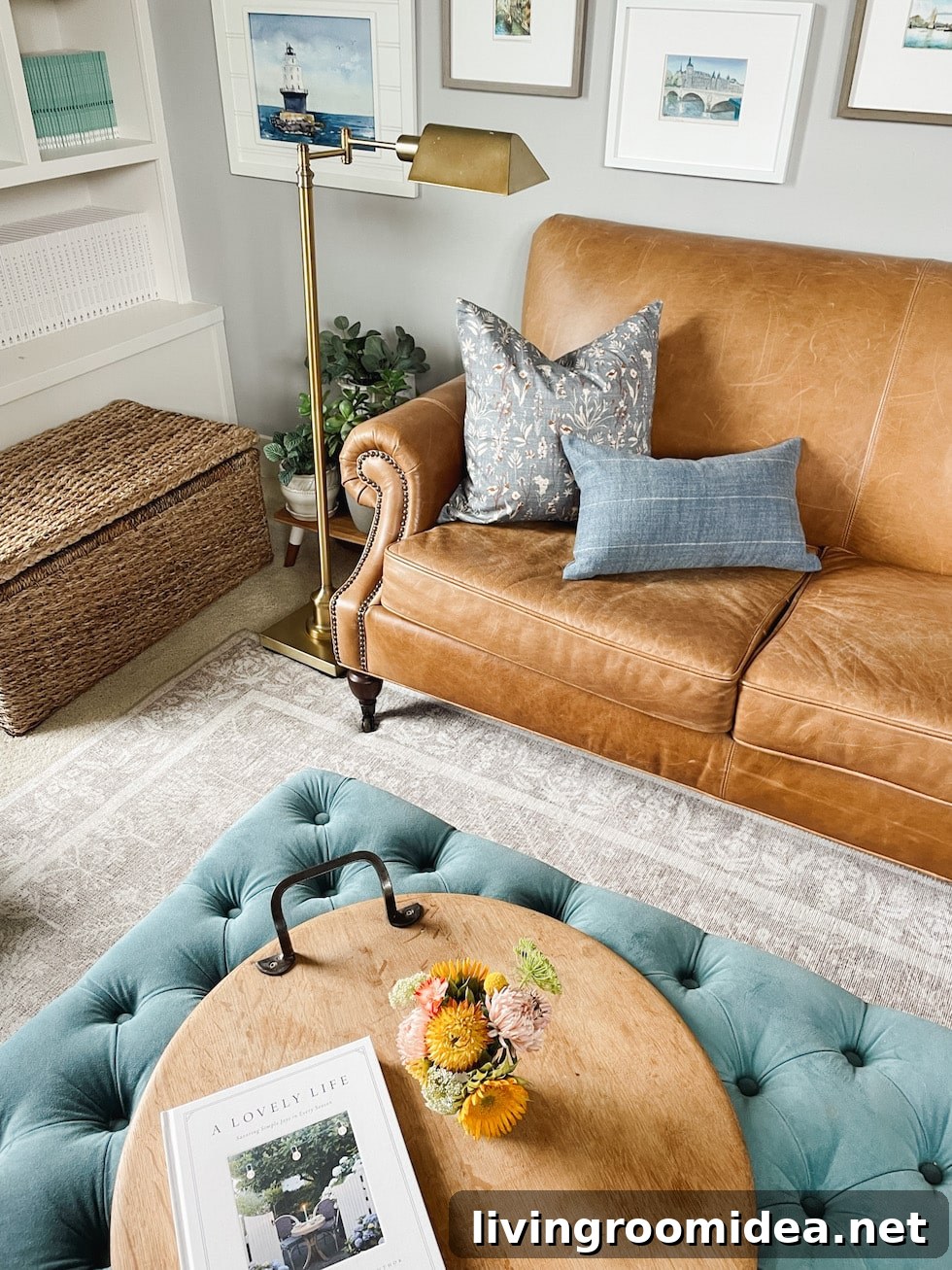
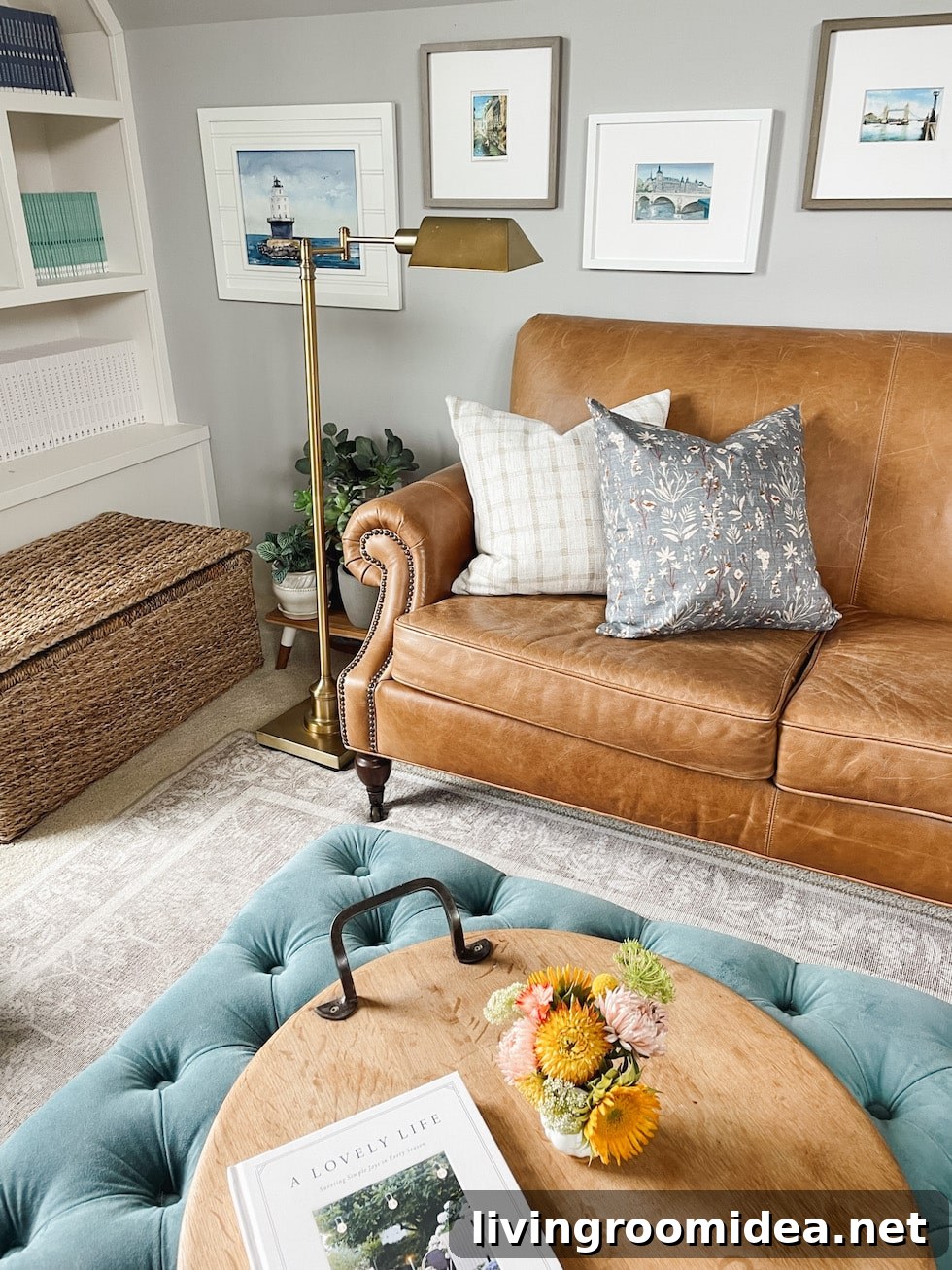
Use pillow covers with zippers so you can change them without replacing inserts. Begin with a small coordinated set and add pieces over time. Choose patterns that complement each other—stripes, plaids, classic florals, and botanical prints work well together. Avoid combining overly modern and very traditional patterns in the same grouping unless you’re intentionally blending styles.
Include one or two unique covers—small polka dots, a geometric, or a seasonal motif—to keep the mix interesting. Vary pattern scale so big patterns don’t compete with small ones. Buying matching pairs or sets can also create a cohesive look across furniture pieces.
3) Choose the right sizes and shapes
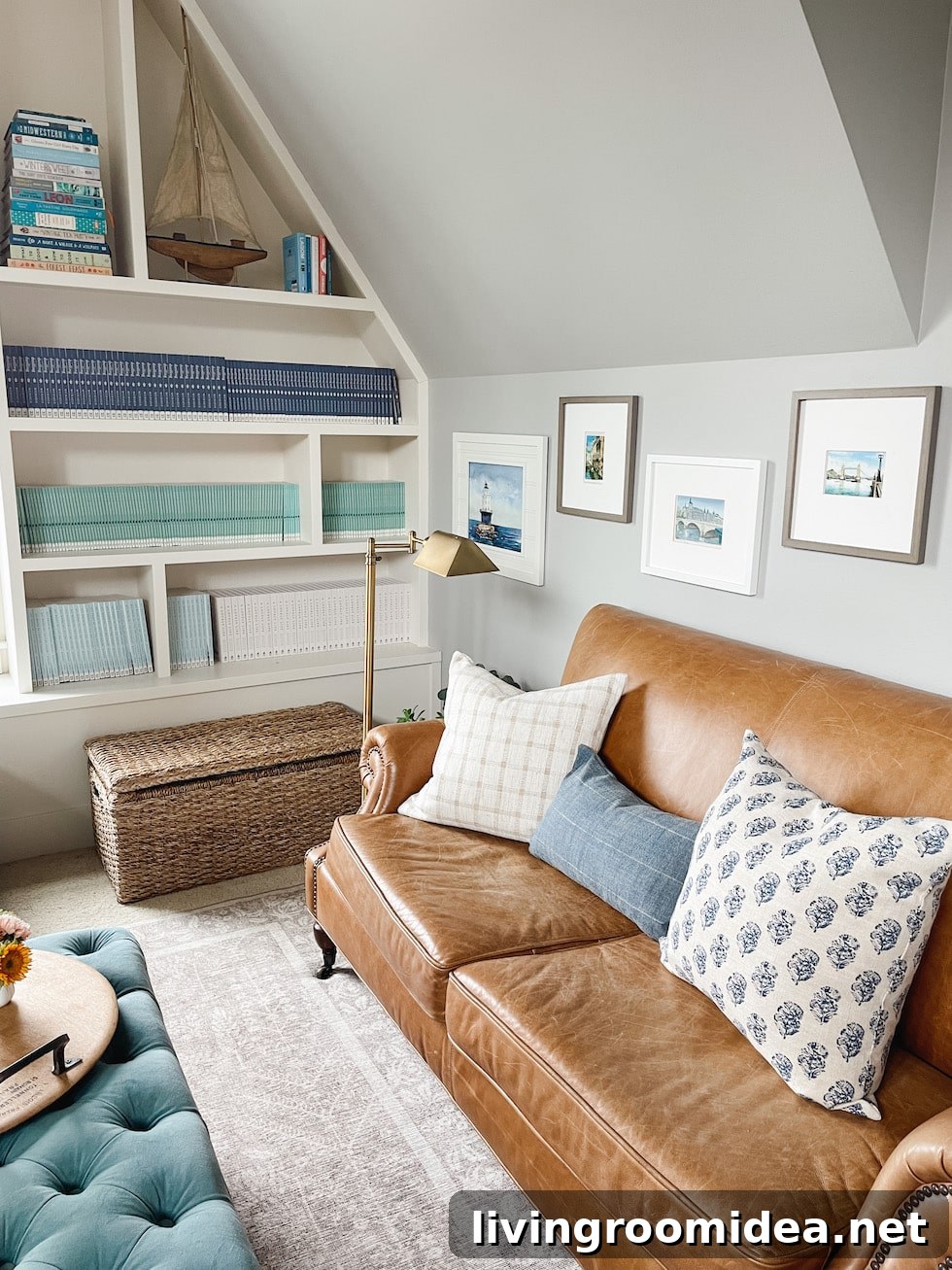
Mix sizes for balance. Larger square pillows (22–24 inches) suit big sofas and beds. Smaller squares (19–20 inches) are better for smaller chairs or paired with larger pillows. Rectangular lumbar pillows (for example 14 x 20 inches) work well in the middle of a sofa or on chairs. Keep a few shapes in your rotation—square, rectangular, and occasionally round—to vary the visual interest.
4) Consider fabrics, textures and details
Texture brings depth. Choose base covers in versatile fabrics—linen, cotton, or lightweight woven—then add seasonal textures like velvet, knit, flannel, or wool for cooler months. Details like tassels, fringe, or embroidery can add personality and tie different styles together.
5) Invest in good-quality inserts and buy what you need
Good inserts make a dramatic difference. The general rule is to buy inserts one or two sizes larger than the cover for a full, high-quality look (for a 20-inch cover, try a 22-inch insert). Firm, well-filled inserts hold shape and create an inviting finish. Light, flimsy inserts make pillows look flat and can slide on smooth surfaces like leather.
Decide whether you prefer down, down-alternative, or firmer inserts based on how the pillows will be used. Keep a list of sizes you own so you can buy covers that fit current inserts and avoid needing extra storage for mismatched pieces.
Sometimes you’ll find inserts at a good price even if the cover isn’t ideal—consider keeping the insert and replacing or removing the cover. If a pillow without a zipper has a sturdy fabric cover, you can sometimes use a decorative cover over it.
These tips are a preview of a more detailed decorating guide I’m preparing. If you enjoy a lived-in, welcoming style and want practical, pretty solutions for pillows and other accessories, these steps will help you build a cohesive, flexible collection that suits everyday life.
Where to find pillows and inserts
Shop for quality inserts in the sizes you use most. Keep an inventory of the sizes and fills you prefer so you can add covers that fit your existing inserts. Choosing a consistent set of sizes and a signature palette will make buying new covers easier and keep your decorating streamlined.
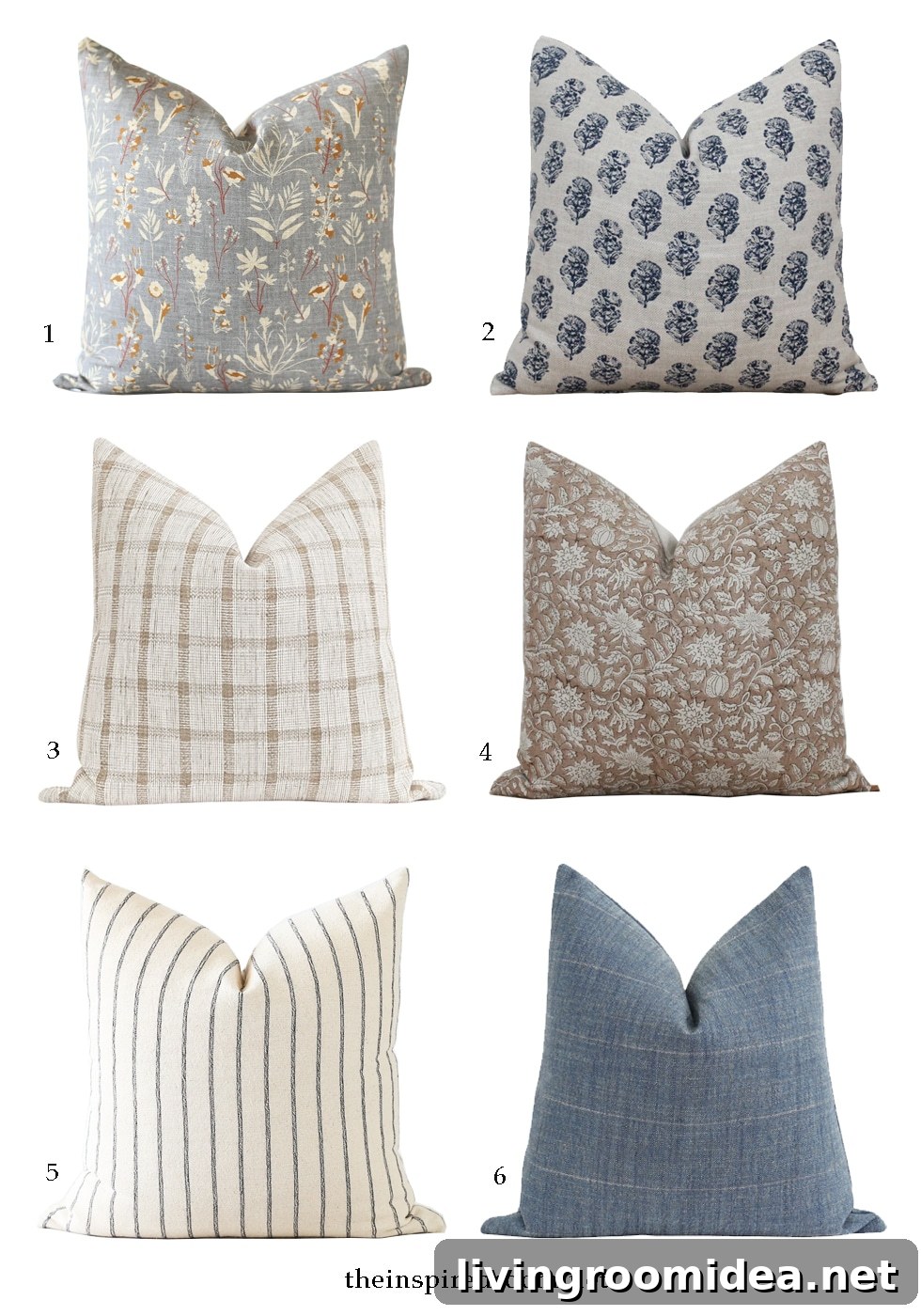
Pin this post to reference these tips later and use the ideas here as inspiration when you’re hunting for pillow covers and inserts. A cohesive palette, varied textures, the right sizes, and quality inserts will keep your pillows looking great in a real, lived-in home.
Here is a post on lots of pretty fallish pillow collections for further inspiration.