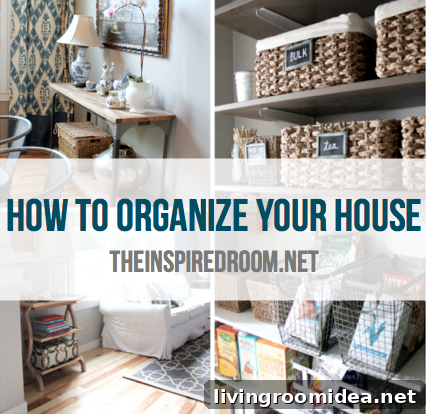
How to Organize Your Home
One of the most common questions I get—both here on the blog and in real life—is how I organize my home. It’s a great question and one I enjoy answering.
Organization can feel overwhelming, but my approach is intentionally simple. I’m busy and prefer systems that don’t require constant maintenance. Still, systems matter: without them, daily life becomes stressful. The key is to create practical habits that keep your home “clean enough” and “organized enough” to function smoothly.
Before you begin organizing, though, tackle excess. No organizational system will work if you have too much stuff. Start by removing items you don’t need, have multiples of, or can live without. It’s not always fun, but the payoff is worth it.
After decluttering, organize only the items you actually use. Today I’ll focus on container organizing—using baskets, crates, and boxes to give everything a home—especially useful when built-in storage is limited.
Everything needs a home. Containers act as that home in rooms with little built-in storage. Baskets group like items together, conceal unattractive packaging, and make it obvious where things belong. Below I’ll walk through how I use containers room by room so you can adapt the ideas to your space.
In our pantry remodel, containers played a major role. I use baskets, crates and jars to keep bulk items, snacks, and extras organized and visible. Chalkboard labels on upper shelves help identify contents that are hard to see from below—simple labels save time and frustration.
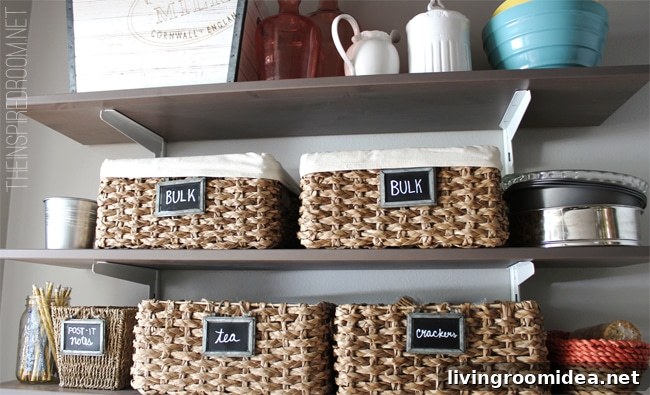
I keep bulk purchases—grains, beans, oatmeal—in baskets. When jars on the lower shelves get low, they’re refilled from those bulk bags. Woven baskets and crates help hide packaging and keep similar items together. A white crate on the top shelf is empty right now; having a bit of spare storage is a good problem to have.
Metal bins are great for pet food—much neater than an open bag—and stackable baskets on the pantry floor hold items we want handy but don’t need daily, like disposable tableware. If something is rarely used, it moves to the garage or an out-of-the-way shelf.
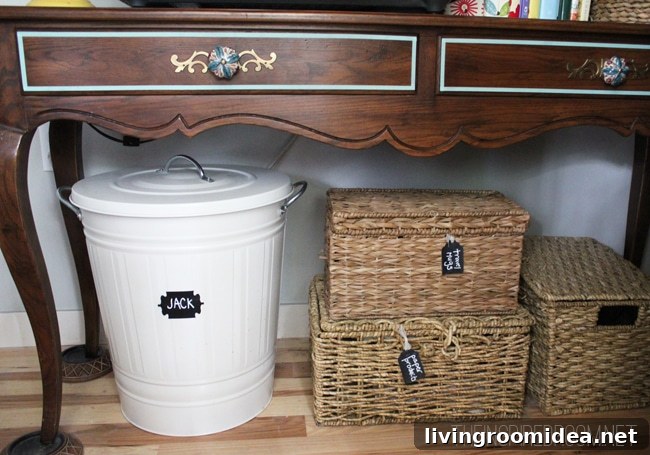
Baskets and crates make snacks more visible and accessible, which reduces waste and saves money because items are eaten before they stale. Wire crates or open baskets also make it easy for kids and guests to find what they need without digging through the pantry.
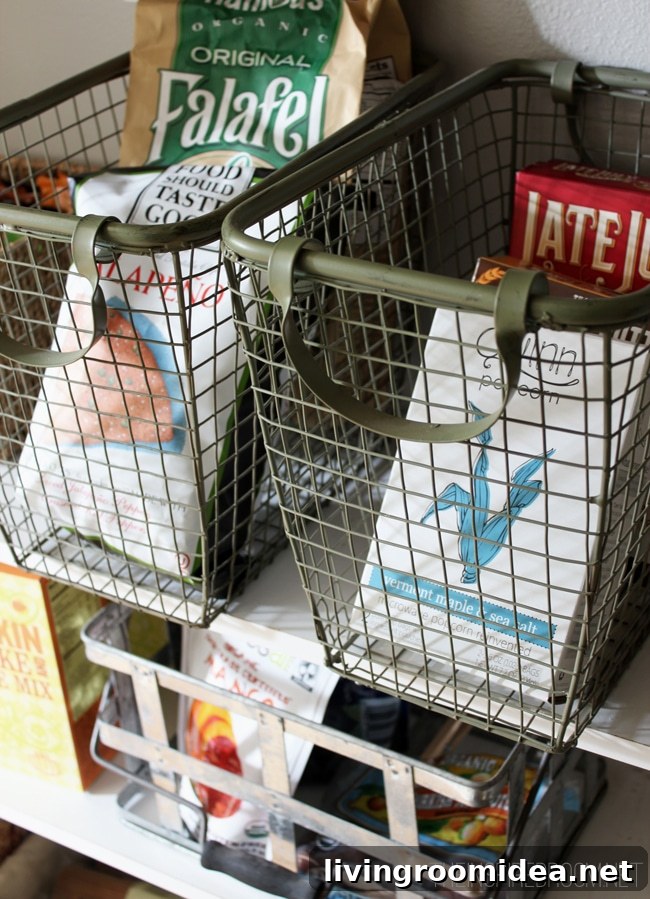
I use baskets throughout the main living areas too. Tall woven baskets are perfect for storing extra throw blankets and pillows; they add texture while keeping items accessible. Decorative baskets on consoles or in corners give a room storage without sacrificing style.
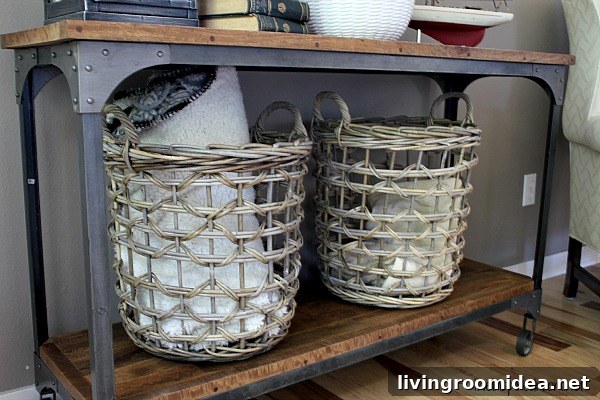
In dining and entertaining areas, baskets hold extra serving pieces, linens, and seasonal decor. Without built-ins, these containers become functional storage that’s easy to reach when guests arrive or when setting a table.
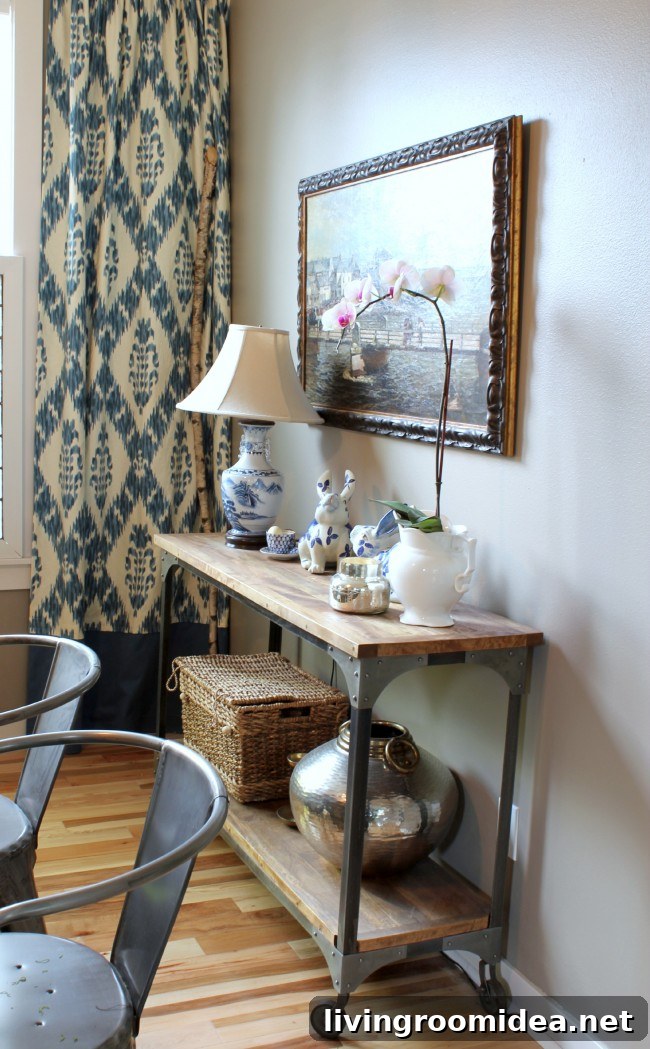
Lidded baskets are especially useful for seasonal items—vases, faux fruit, decorative pieces—and can be stacked to make the most of vertical space. Keeping seasonal decor in easy-to-reach baskets prevents items from getting lost or forgotten in storage.
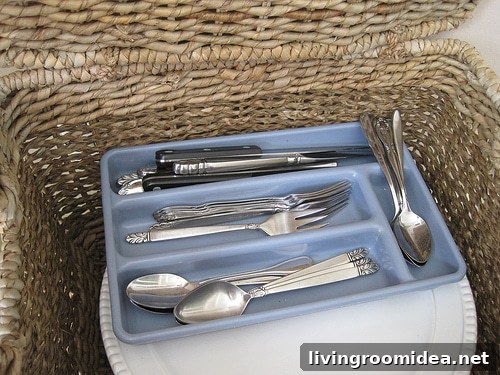
Books and magazines can create visual clutter, so I use wire crates or baskets to corral reading material on the coffee table. These containers serve both as decor and as practical storage for remotes, napkins, or toys—everything confined to one place instead of scattered.
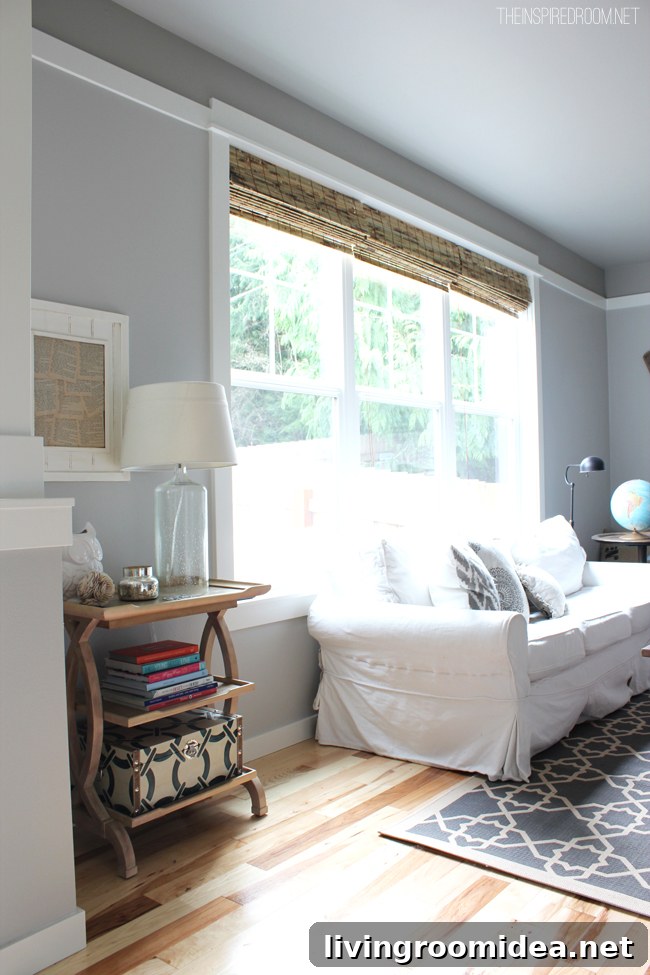
I also use small lidded boxes on nightstands and desks to hide chargers, labeling tools, and small office supplies. In my office, IKEA boxes store manuals, business cards, and fabric samples—grouped by category so I can grab what I need quickly.
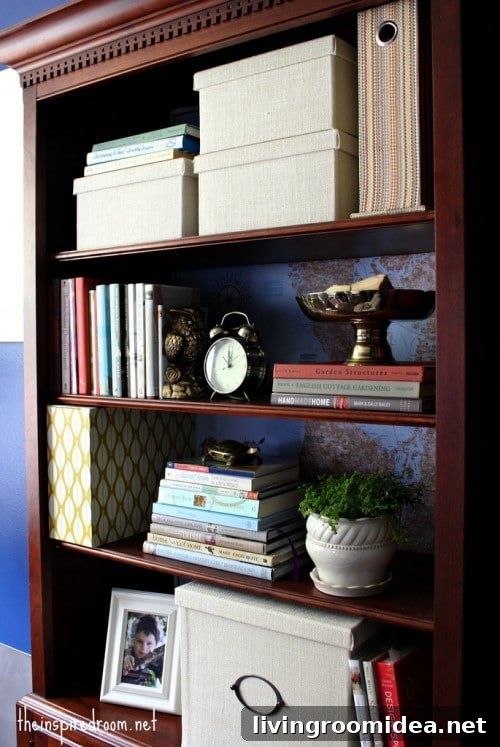
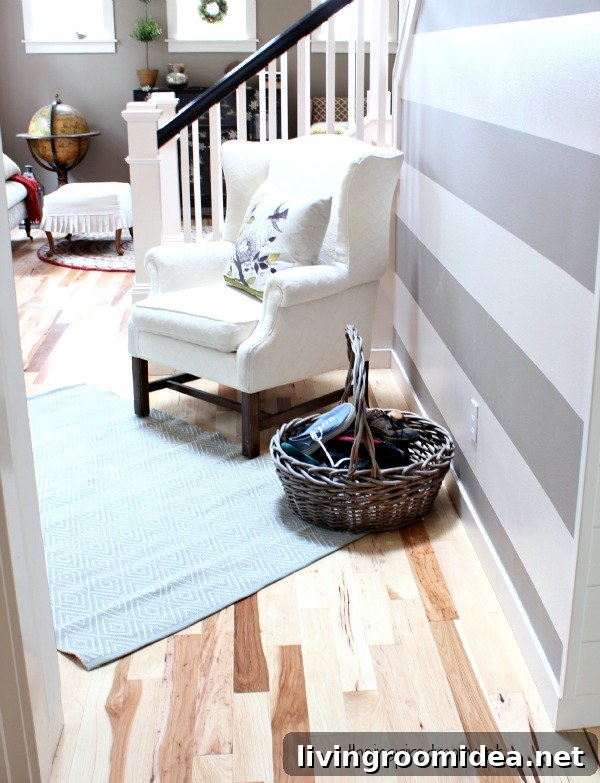
At the entry, a large basket collects shoes and dog-walking gear so items are easy to find when we head out. A basket by the sink holds hand towels—convenient and freeing up drawer space for other necessities.
In short, I’m a big believer in container organizing. If you have ample built-ins you may not need baskets, but for many of us containers are a stylish, flexible solution that adapts as needs change.
Remember: everything should have a home. Group like items together, decide a clear purpose for each basket or box, and avoid simply stashing random clutter.
You don’t need an elaborate color-coded system to find things. Keep only a few containers per room, store related items in or near the room where they’re used, and you’ll be able to locate things quickly without stress. The simpler the system, the more likely you are to stick with it.
Do you give items a “home” in baskets or bins? What tends to clutter your house, and how could containers help after you pare down?
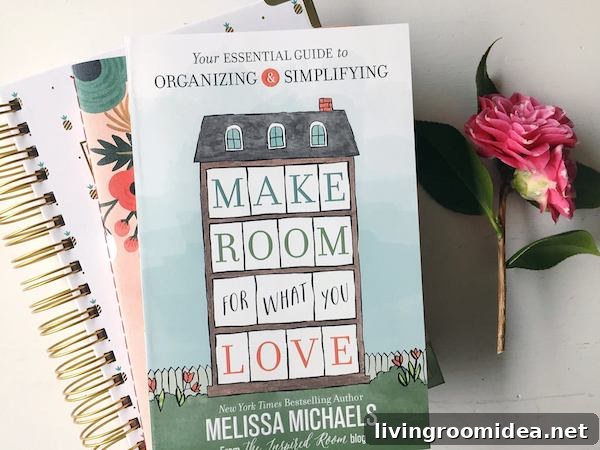
I wasn’t born organized—like many people, organizing has been a learning process. My book, Make Room for What You Love, shares practical tips and motivation for people who want lasting change without overcomplicating things.