
This week we tackled the challenge of choosing light fixtures that relate to one another without feeling overly matchy or dull. We touched on this during the podcast (the lighting chat starts around the 20-minute mark) and I promised to share some lighting combinations in the show notes. I then fell into a mood-board rabbit hole, emerged with too many boards and one too many snacks, and this post is the result.
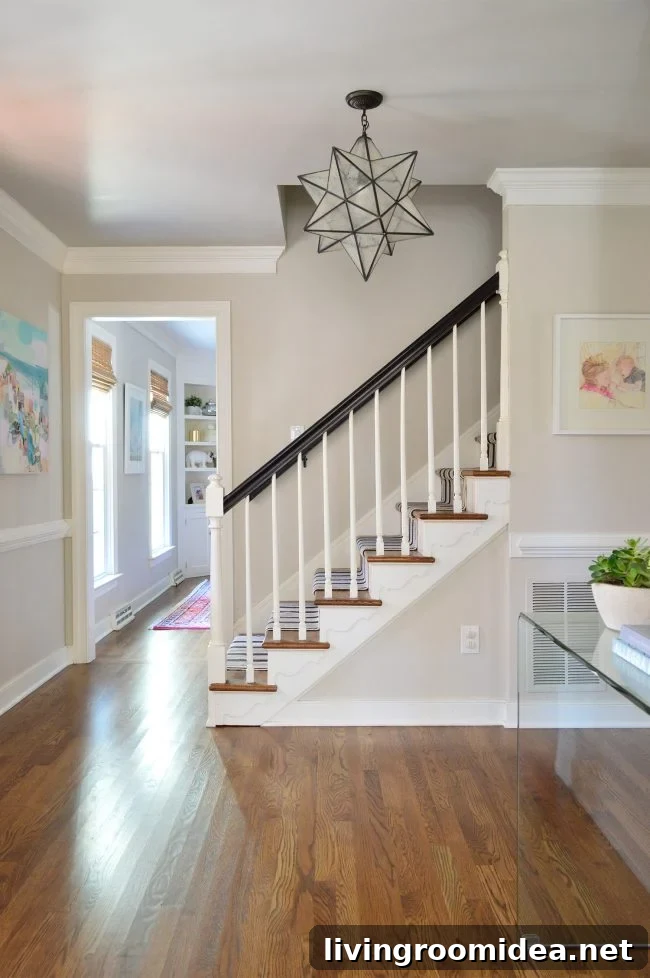
Whether your home has an open concept so you can see kitchen pendants, a dining chandelier and living room fixtures from one viewpoint, or you simply want the whole house to feel cohesive, a simple guideline helps: make your lighting relate by era, style, shape, or finish/material. It’s an “OR,” not an “AND.” If fixtures share any one of those common threads, they’ll usually read as related. It’s even better when other elements in the space echo the lights—for example, the dark stair railing and runner in our foyer tie into our oil-rubbed bronze chandelier (pictured above).
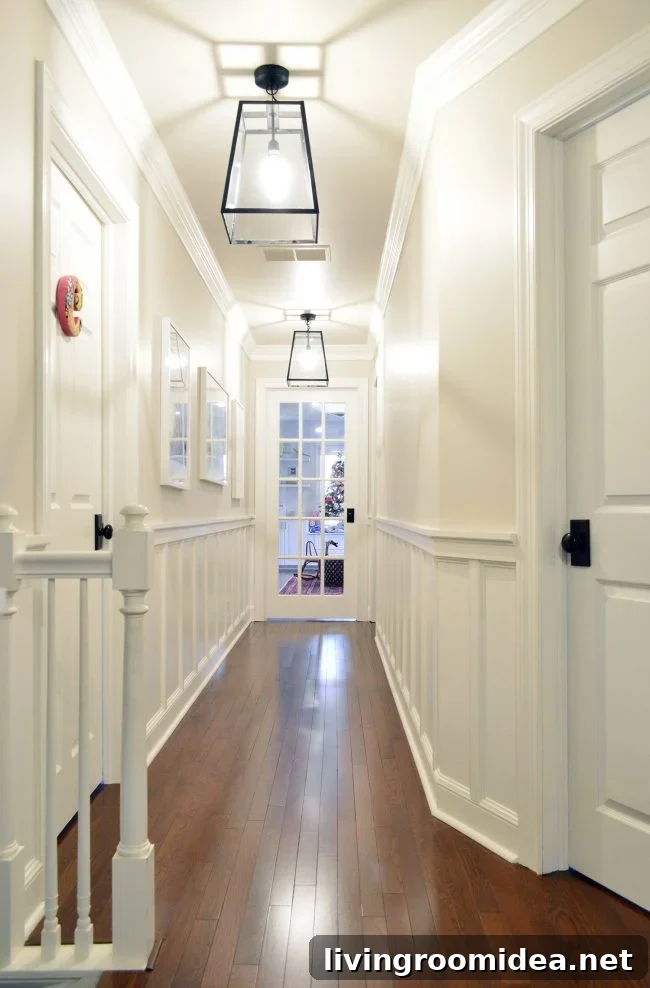
Another example is our upstairs hallway: every doorknob there is oil-rubbed bronze with rectangular back plates, so oil-rubbed bronze lanterns with an almost-rectangular shape feel like a natural fit when hung down the hall.
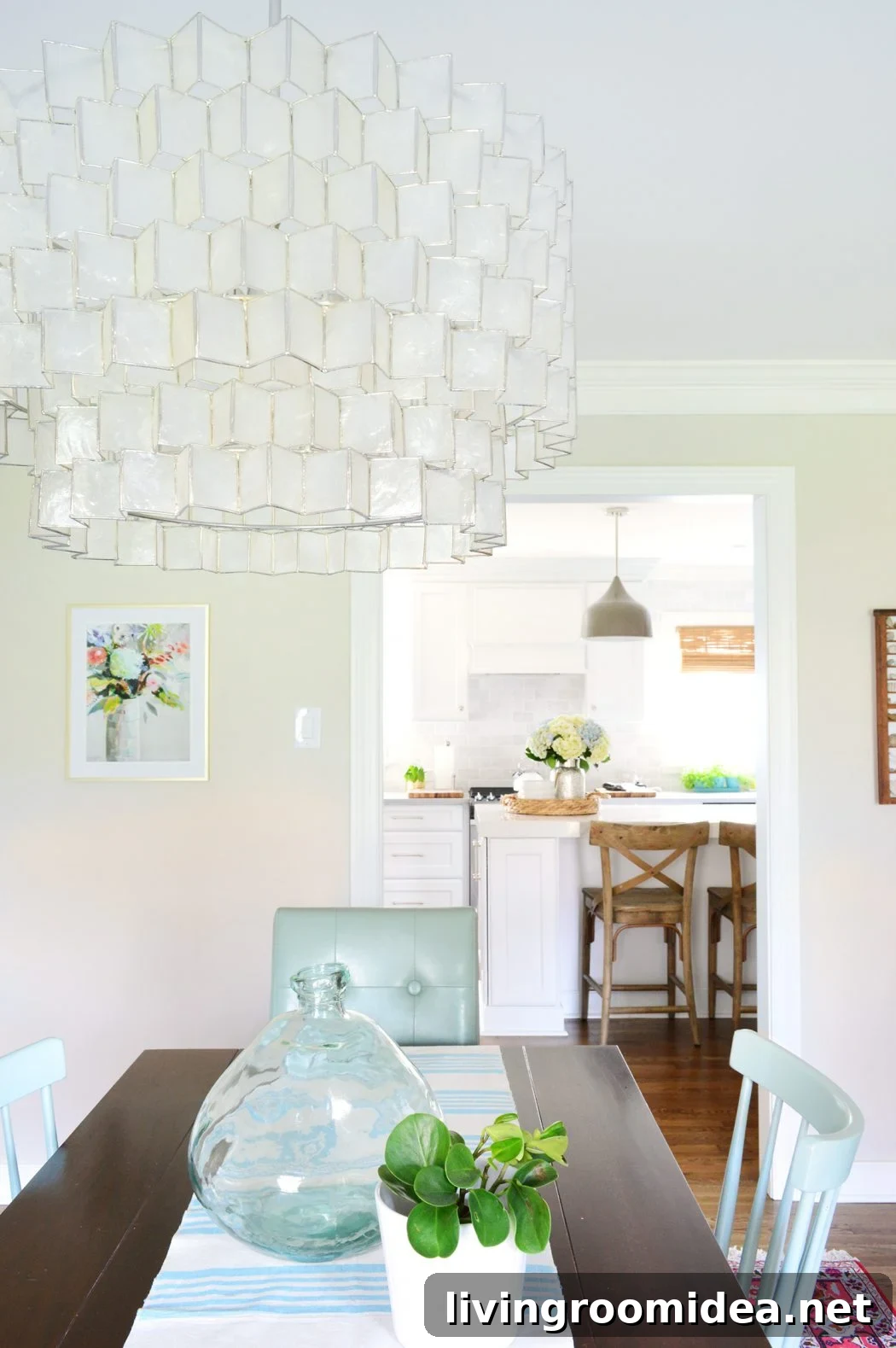
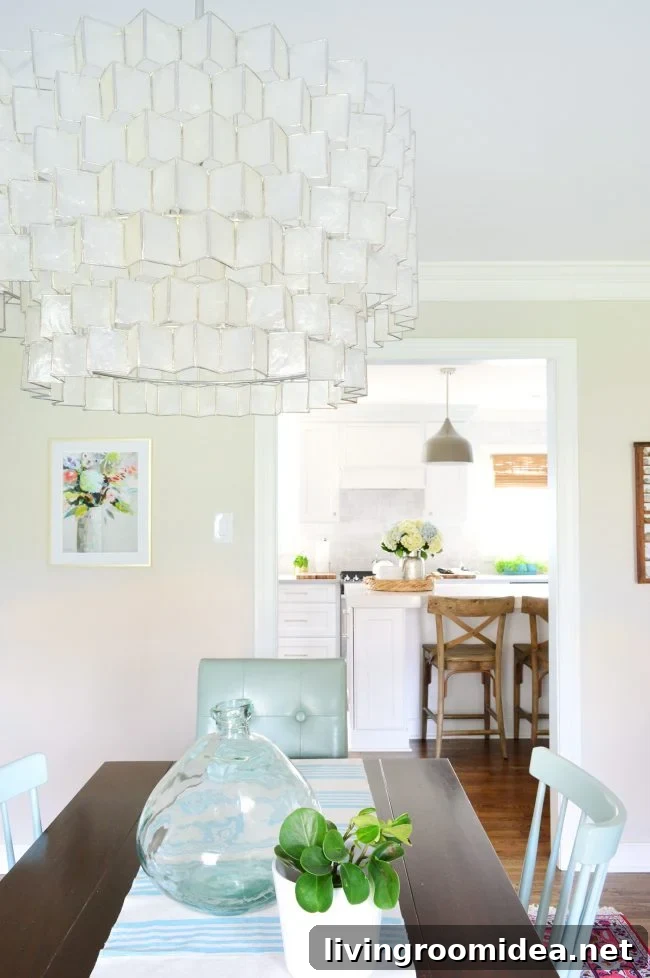
Back to coordinating fixtures in adjoining rooms: our foyer star fixture has cloudy seeded glass that matches the tone and texture of the capiz chandelier in the dining room nearby. Even though the metals differ, the glass-like material and shared geometric framing make them feel related without being predictable.
The metal pendants in our kitchen relate to the capiz chandelier in the dining room because both have polished nickel stems and canopies. Capiz and painted metal are different materials, but the shared polished nickel detail ties them together. (Quick note: polished nickel and satin nickel are not the same—double-check finishes when you’re matching.)
Some pairs might feel more eclectic—our dark bronze star pendant in the foyer vs. the large metal domes in the kitchen, for example. They don’t share finish or shape, but they work because each one suits its space and the rooms flow together through paint color, wood accents and continuous flooring. Also, those fixtures aren’t often in a direct line of sight with each other, so they don’t have to compete visually.
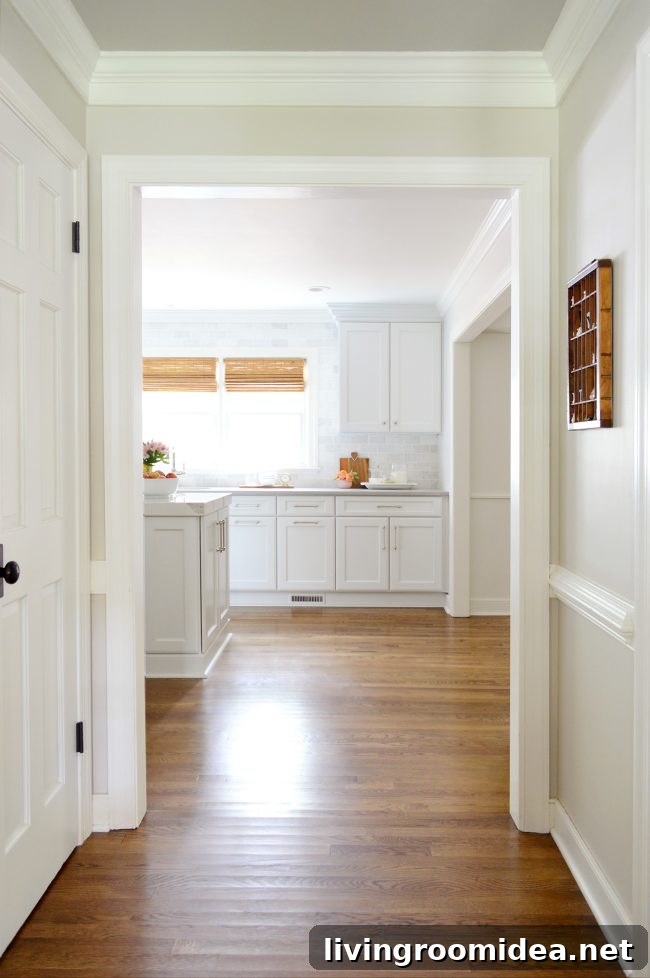
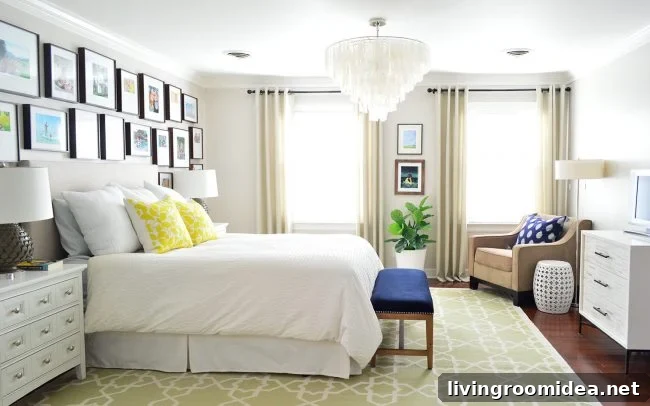
When multiple fixtures must coordinate inside a single room, look for shared details. In our bedroom the bedside lamps, floor lamp, and chandelier connect through neutral shades, similar chrome finishes, and tiered triangular forms that echo across pieces. Additional room elements—curtain rods, dresser hardware and nightstand knobs—also reinforce the overall look.
Now for the mood boards. I pulled lights from popular sources (West Elm, World Market, Wayfair/Joss & Main and some designs with Shades of Light) and mixed pendants, chandeliers, flush mounts and sconces for a variety of rooms—kitchens, dining rooms, hallways and bathrooms. I aimed to keep most options budget friendly; a few are splurges but many are under $150 or even $100.
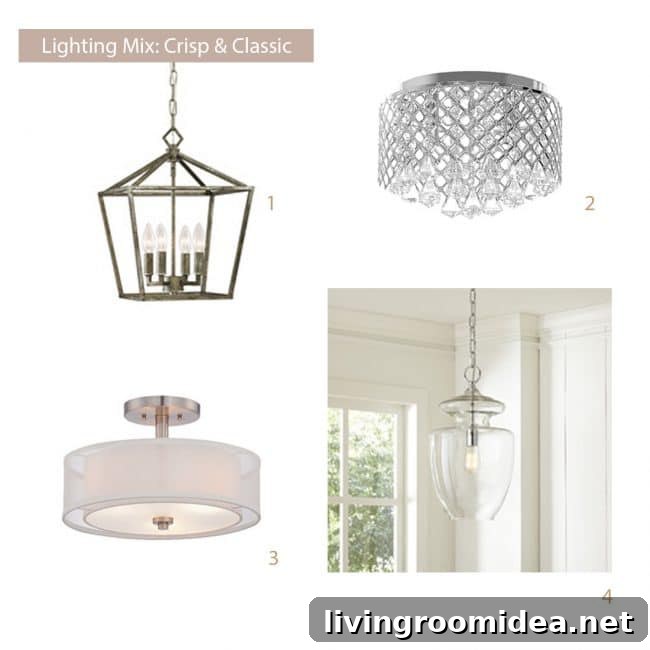
Crisp & Classic
This board features traditional and transitional fixtures in a silvery finish family—similar in style and finish. Two pendants with chains tie them together, while the semi-flush and flush mounts share clean round canopies. Small details—subtle diamond patterns, cylindrical bulb bases and pointed framing—create cohesion across pieces.
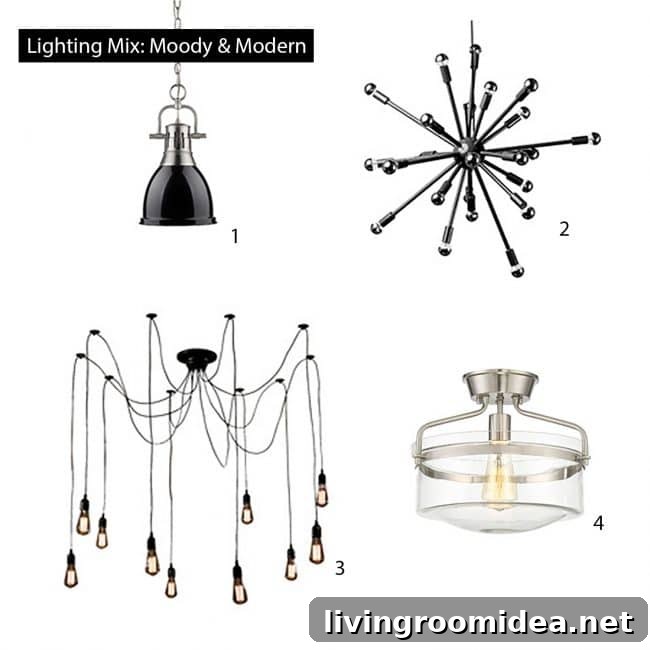
Moody & Modern
This pairing shows how mixed-finish fixtures can act as bridges. A piece combining black and chrome allows both all-black and all-chrome choices to feel at home. Shape commonalities—arms, exposed bulbs and Edison-style elements—also link the fixtures visually.
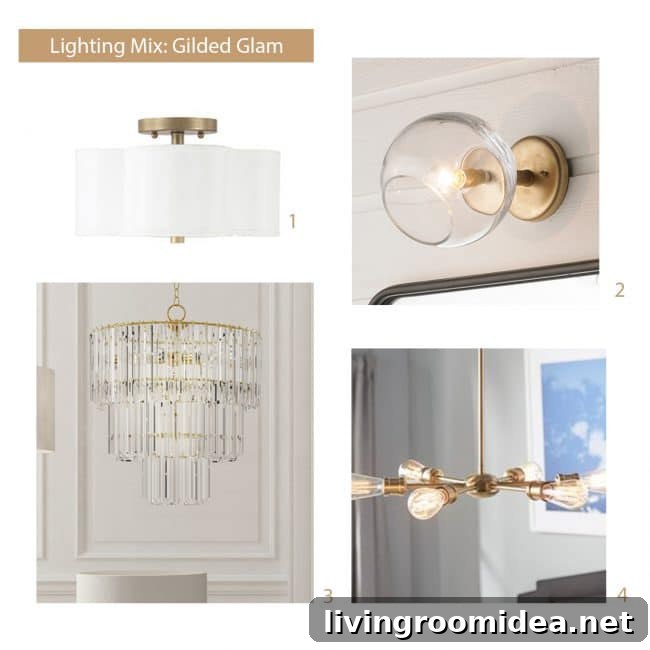
Gilded Glam
This board leans into brass and gold finishes and classic shapes—quatrefoil shades, tiered chandeliers and glass globes—while mixing in a few modern takes. A tight finish palette gives freedom to mix styles and eras while keeping everything cohesive.
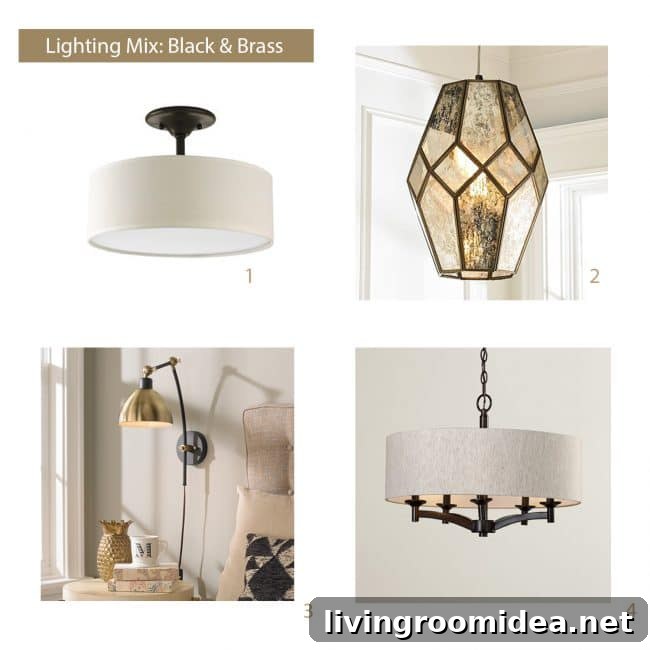
Black & Brass
Mixing black and brass is a favorite here. Chunky dark metal and shades link the semi-flush mount and the chandelier, while a black-and-brass sconce bridges to an antique brass and mercury glass pendant—shared tones make the mix feel intentional.
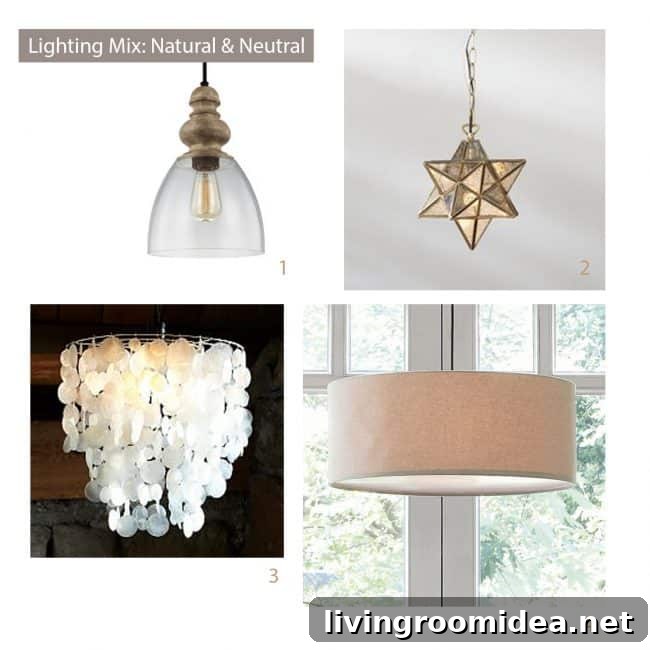
Natural & Neutral
This board highlights natural textures and soft tones—capiz, wood, antique gold, glass and woven fabric. The neutral palette and repeating round shapes (glass pendants, capiz shells, drum shades) keep everything soothing and layered without being too matchy. The star fixture is a standout and wouldn’t be placed directly next to other pieces, but it works beautifully in a foyer alongside glass kitchen pendants and a capiz chandelier over a dining table.
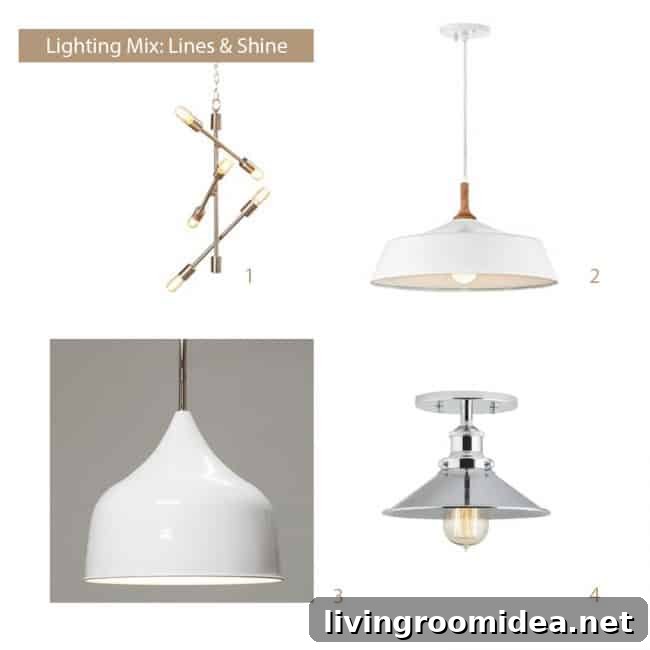
Lines & Shine
This mood board has a coastal-meets-modern vibe with chrome, white and glossy finishes. Angular lines, domes that feel like “cousins” rather than twins, and exposed bulbs create a unified look. Choosing one bulb style—vintage Edison or chrome-tipped modern bulbs—can further tie the group together.
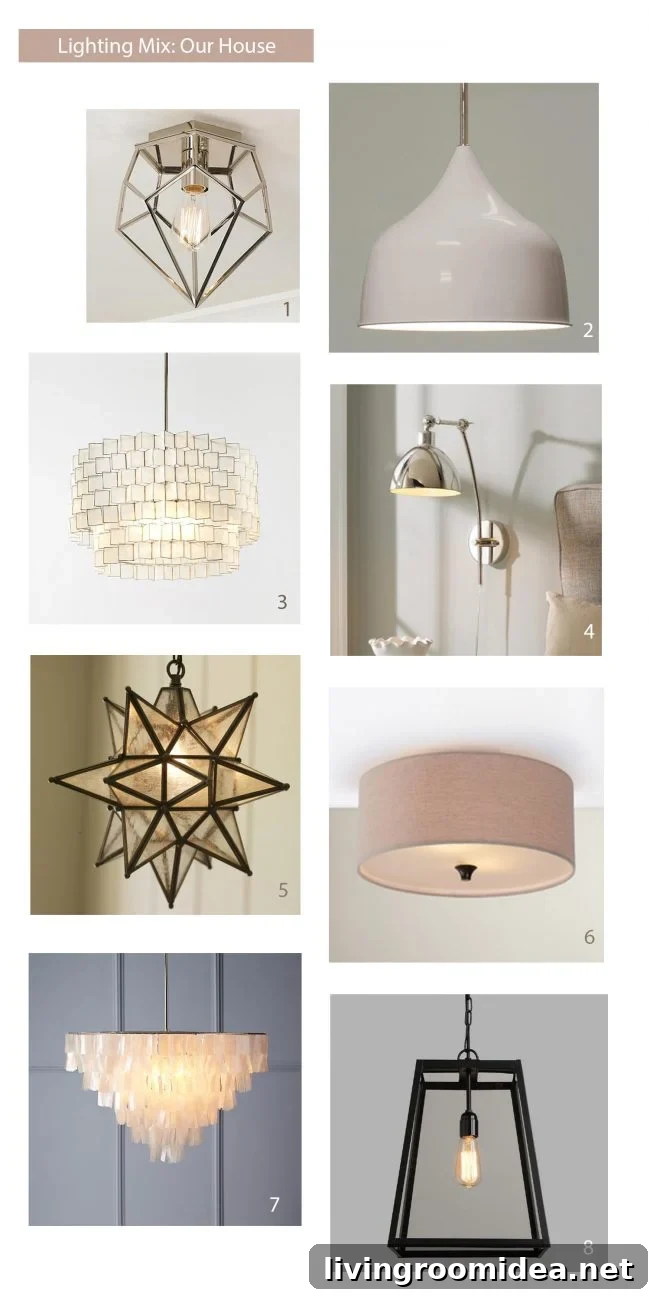
In Our House
The final board represents the mix we use at home: capiz, geometric shapes, neutral colors, shiny silvery metals and the occasional oil-rubbed bronze fixture. It reflects the combinations that feel right to us and how a consistent palette or repeating detail can make diverse fixtures work together.
If you want more context, the podcast player was included in the original post and the discussion on light fixtures starts about 20 minutes in. Happy fixture hunting—may your choices be bold, balanced and exactly the right kind of related.
*This post contains affiliate links