
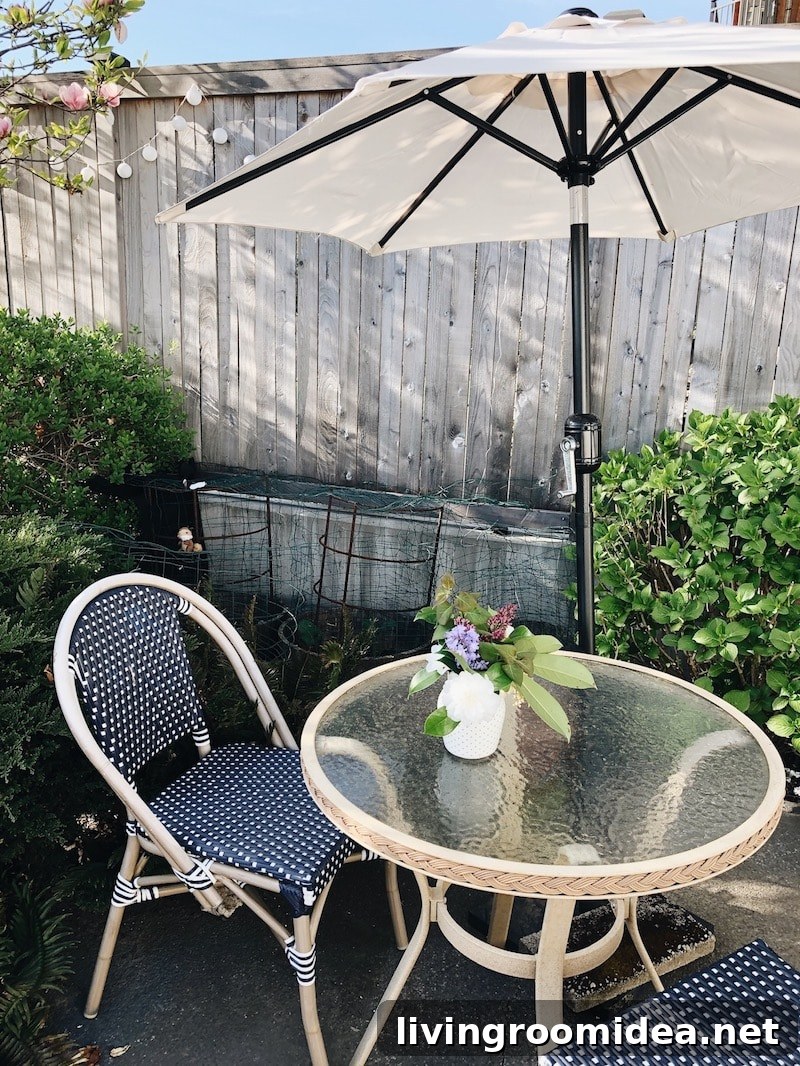
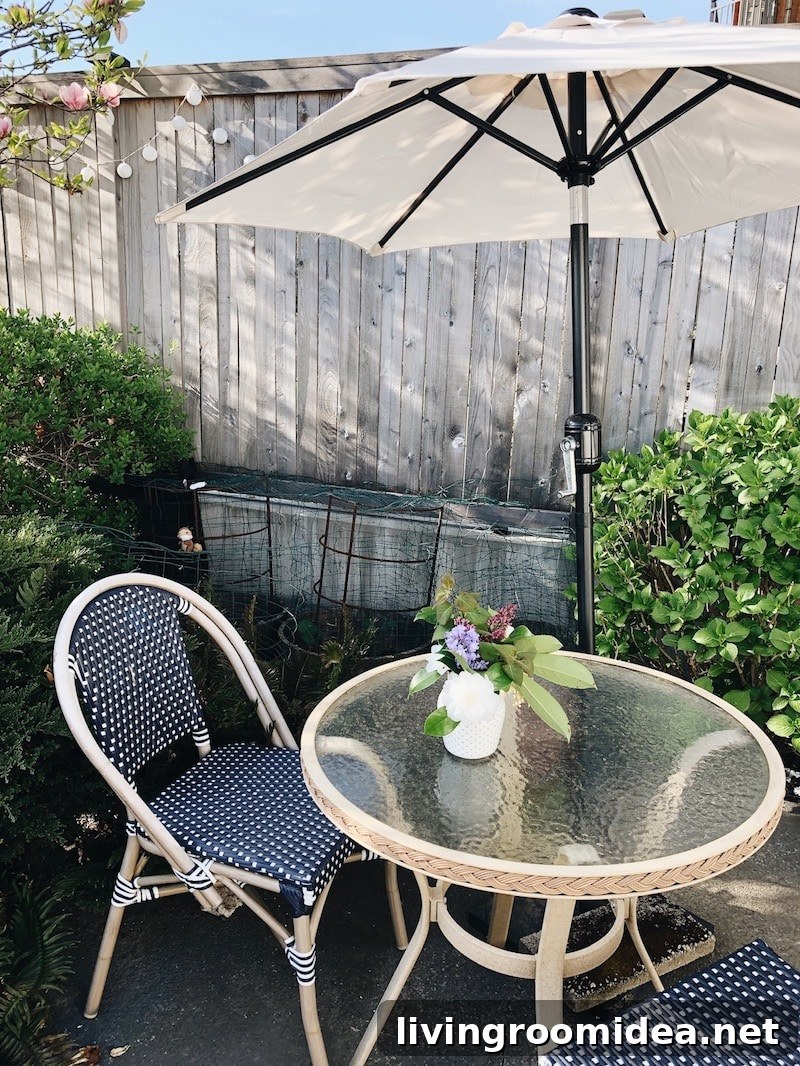
Every day spent with plants is a good day. Plants lift the spirit and bring calm to a busy household. My grandmother and mother always had lovely flower gardens and indoor plants while I was growing up—my mom still does—which likely inspired my own love of plants. Although I don’t claim a perfect green thumb and still consider myself a novice gardener, I’ve been learning more each year and enjoying the process.
At our previous home we used untreated wooden barrels that were safe for planting and had a small vegetable patch where we grew strawberries, blueberries, lettuce and snap peas. We also planted fruit trees shortly before selling the house, which I still miss. Since moving, we brought those same barrels to our new yard and continued to grow lettuce and kale in them.
After moving, we discovered a generous patch of blackberries spilling over a neighbor’s fence that they didn’t want, and we enjoyed fresh berries for several summers. New neighbors have since trimmed those back, so I’m excited to plant our own blackberry vines in the future. A few weeks ago we planted broccoli, but a small critter found the tender leaves before the plants had a chance to mature. We tried netting and fencing, but the animal still got in, which prompted me to look for better, safer solutions.
Local garden center suggestions included chemical treatments I didn’t feel comfortable using. Instead, I researched organic, do-it-yourself options and was pleased to discover many effective, natural approaches using essential oils I already had. These methods help protect plants without exposing produce, pets, or family to toxic substances.
Growing organically matters to our family. Plants absorb whatever is in the soil, so vegetables grown in chemically treated soil can carry residues into the food we eat. We choose organic soil and seedlings and avoid chemical pesticides and fertilizers. We want our yard to be safe for our dogs, our family, and the beneficial insects that support a healthy garden.
Even organically grown produce should be washed thoroughly. We use an essential-oil-based fruit and vegetable wash to clean everything we harvest and to freshen store-bought produce. This natural wash removes grime without harsh chemicals and can help produce stay fresher longer. It’s surprising how much residue can come off supermarket broccoli when cleaned with a proper wash.
Plants often respond well to gentle, plant-friendly care. I make an indoor plant spray from my plant-based household cleaner that my fiddle leaf fig enjoys—I call it my Happy Plant Spray—and I’ll share that recipe soon. I also use a mild essential oil spray for succulents. Diffusing certain oils near houseplants can brighten the room and seems to encourage thriving growth.
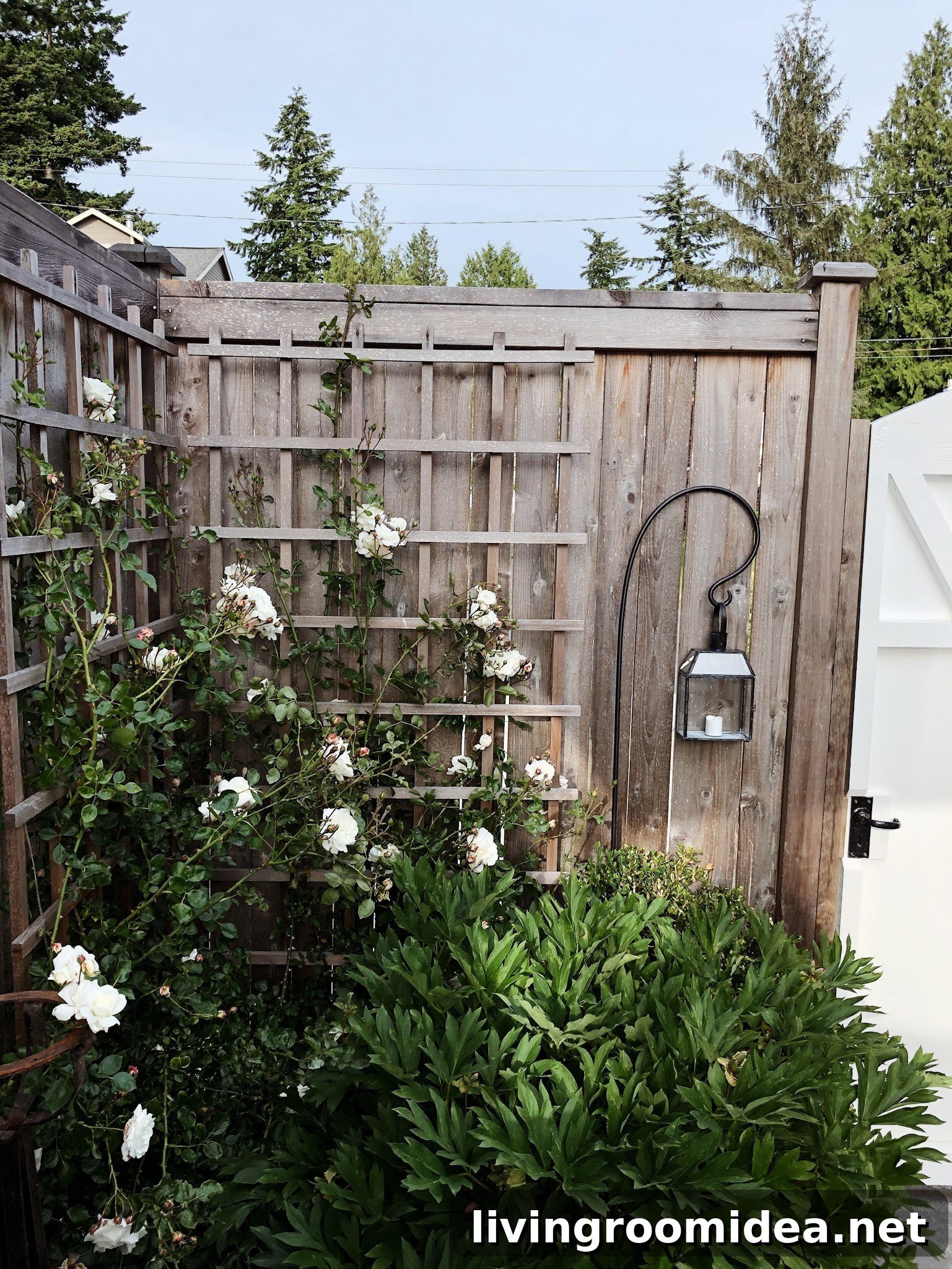
Over the past two years I’ve made an aphid spray for roses using essential oils, and it has worked very well. The roses are healthier and less bothered by pests when treated with this natural mixture.
Here is the recipe I used for roses:
Essential Oil Aphid Rose Spray:
5 drops each of:
Thyme
Peppermint
Clove
Rosemary
Add 1 teaspoon of castile soap in a spray bottle filled with water. Shake gently and mist the roses daily until the aphids are gone.
I also learned you can add a few drops of orange essential oil to a spray bottle of water and lightly mist the upper foliage and blossoms to help attract pollinators like bees and butterflies. I’m looking forward to trying that on our roses this season.
This year I plan to use essential oils more widely around our vegetable beds. Properly selected essential oils can deter pests, support plant health, attract helpful pollinators, and gently amend the garden environment without harmful chemicals.
On Monday I will share my Happy Plant Spray. This summer I’ll post more about our garden with organic gardening tips, recipes, and inspiration photos.
+ + + + + + + + + +
Choosing safe essential oils for home and garden use
Always use high-quality, pure essential oils when applying them around plants, pets, and people.
Not all products labeled as “essential oils” are created equal. Some contain additives or come from plants grown with pesticides. If you’re not certain of an oil’s origin or purity, avoid using it in the garden or around animals and family members. Select reputable, tested oils intended for safe household and garden use.
Using trusted, pure oils and toxin-free home products has become part of our everyday routine. Many of the oils commonly included in starter kits are versatile and can be used for household cleaning, personal care, and in the garden to support healthy plants.
Are you planting gardens this year? What are your favorite vegetables or plants to grow?
Related plant-based home posts and DIY ideas offer more inspiration and practical recipes for household and garden use.