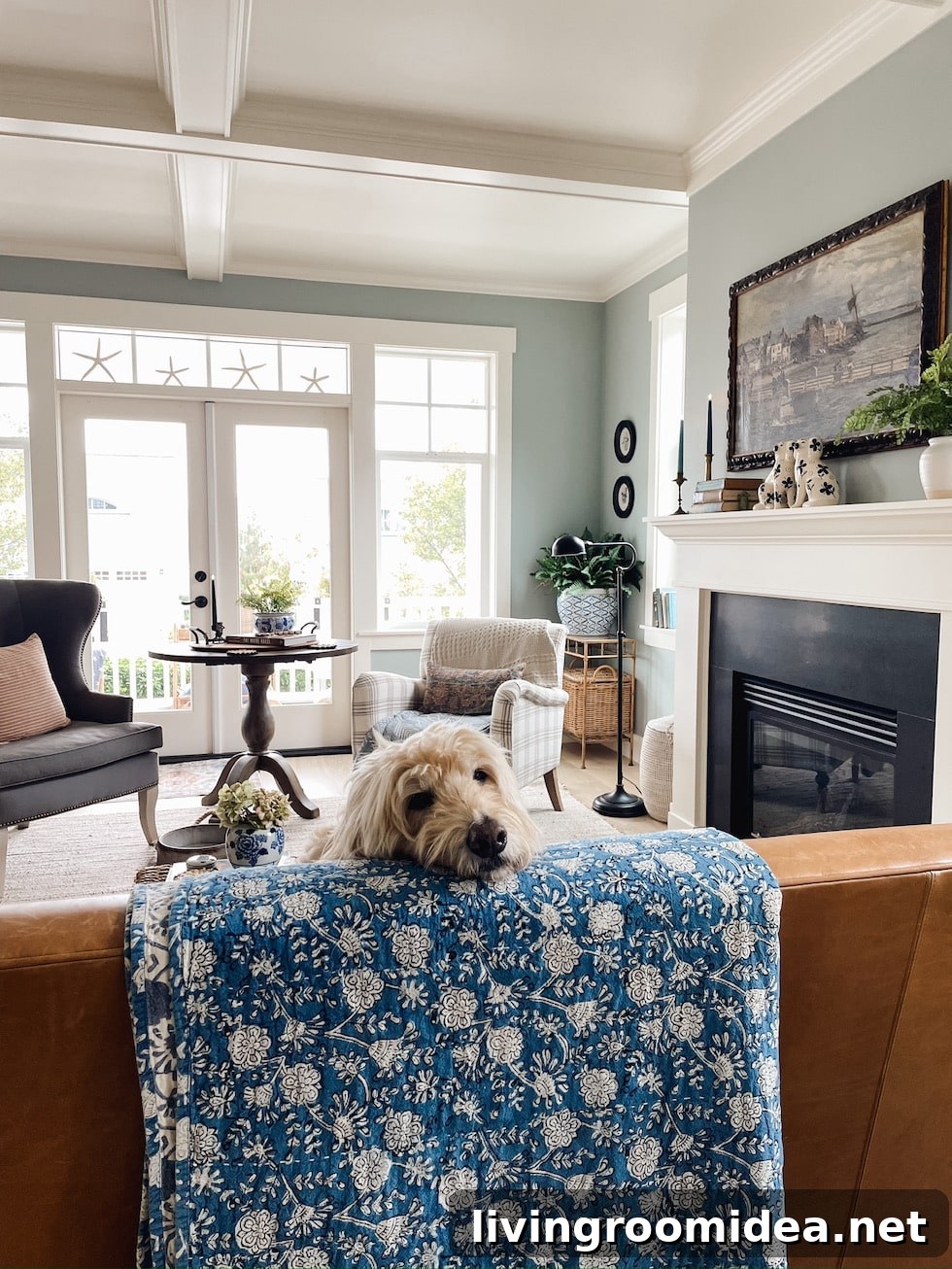
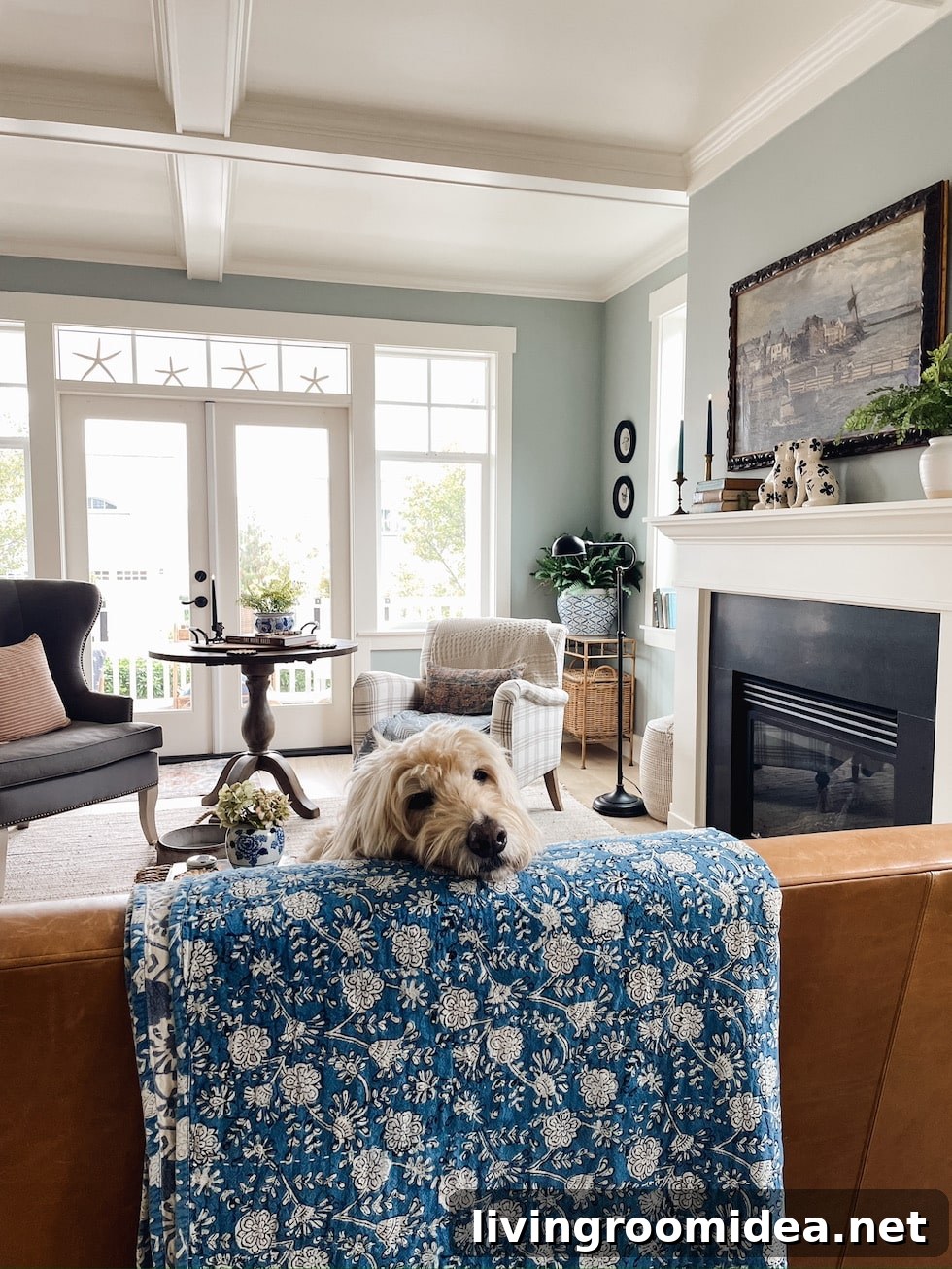
This is the season when we want our living spaces to feel cozy, welcoming, and comfortable. We want to love the rooms where we spend our time, yet sometimes a lingering sense that something is “off” makes us consider buying everything new. I’ve felt that way too. Before you replace your furnishings, try looking at what you already own with fresh eyes.
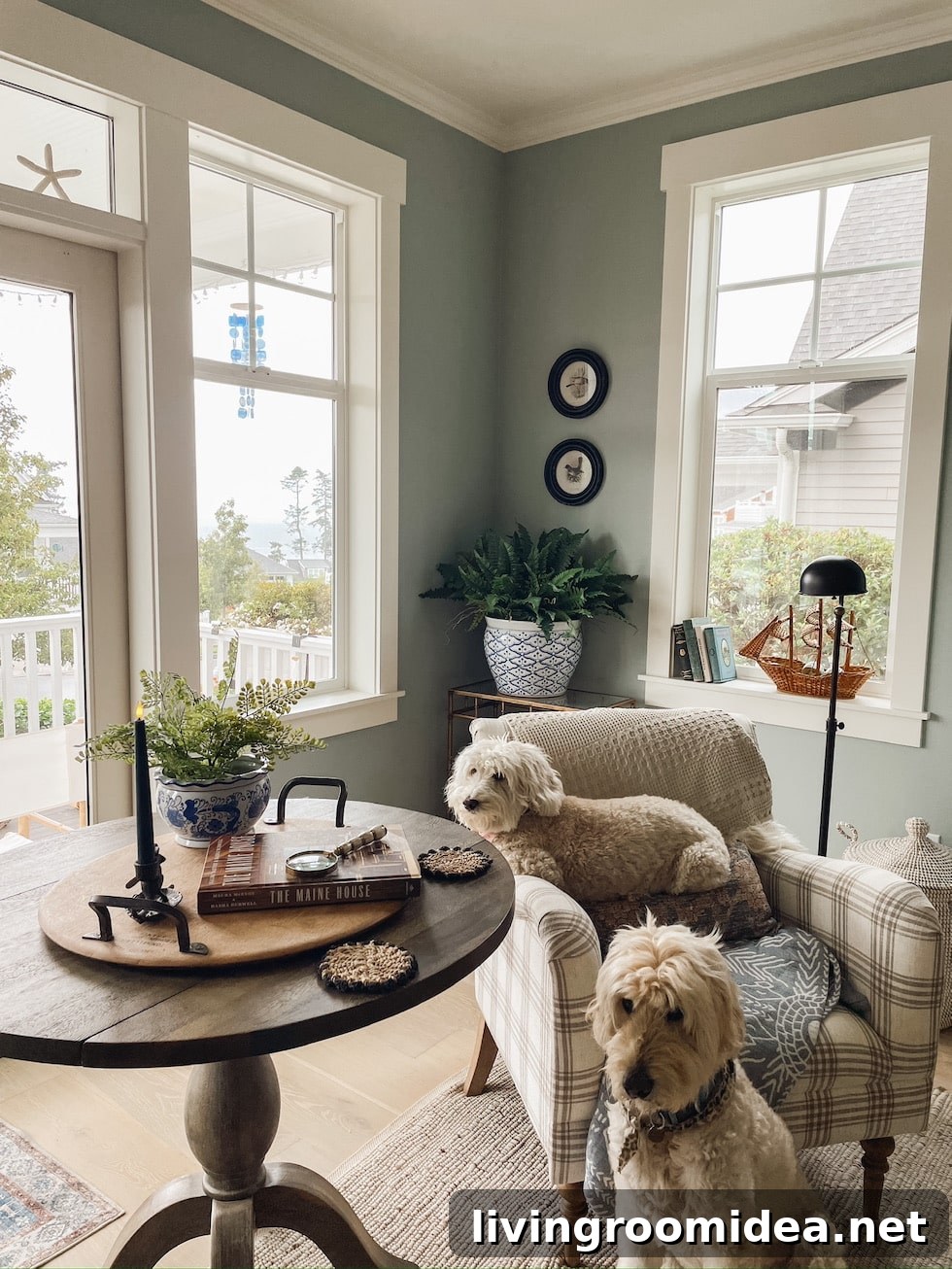
I prefer using what I already have when possible. The challenge is often figuring out where to place pieces, how to combine them differently, or recognizing when a new item is genuinely needed. Years ago I co-wrote a book called But Where Do I Put the Couch? that answers many of the common decorating questions people face. Still, interior design rarely has one correct answer—experimentation and small changes usually reveal the best solution for a given room.
Give yourself permission to try new layouts and to bend or break conventional rules. Arranging furniture so it works for your household and feels right to you will make your space more livable and more loved.
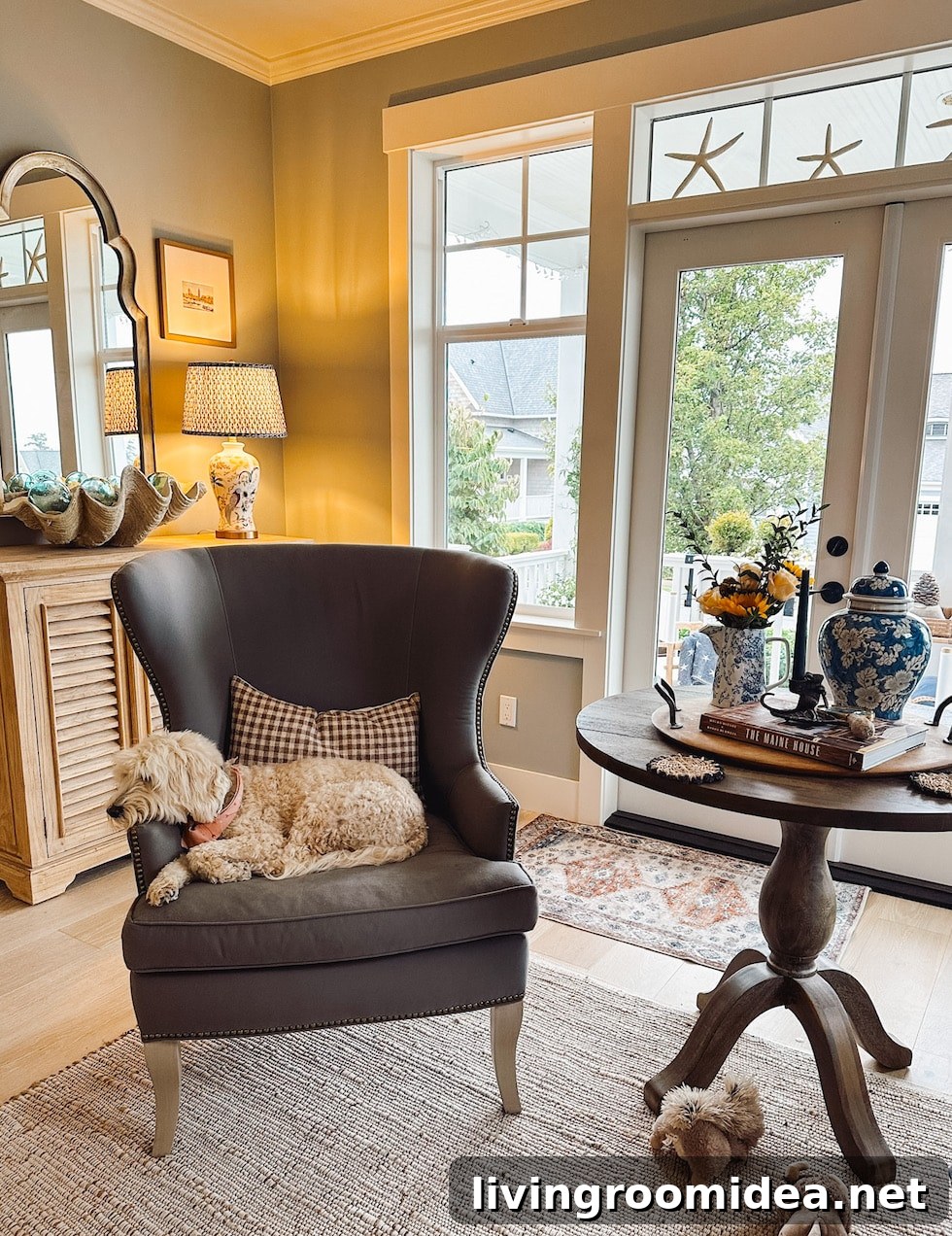
I still stand by the advice in the book—it covers far more than couch placement, answering 101 real decorating questions from readers. Even so, there are times when rules alone can’t solve a design dilemma. I get stuck sometimes, too.
Recently, after a renovation, I couldn’t shake the feeling the living room wasn’t coming together. The backdrop was fine—new paint and flooring felt fresh—but the furniture arrangement just didn’t feel right. I kept telling myself to be patient: blinds were on the list, the dining area still needed a final touch. Yet the nagging sense remained.
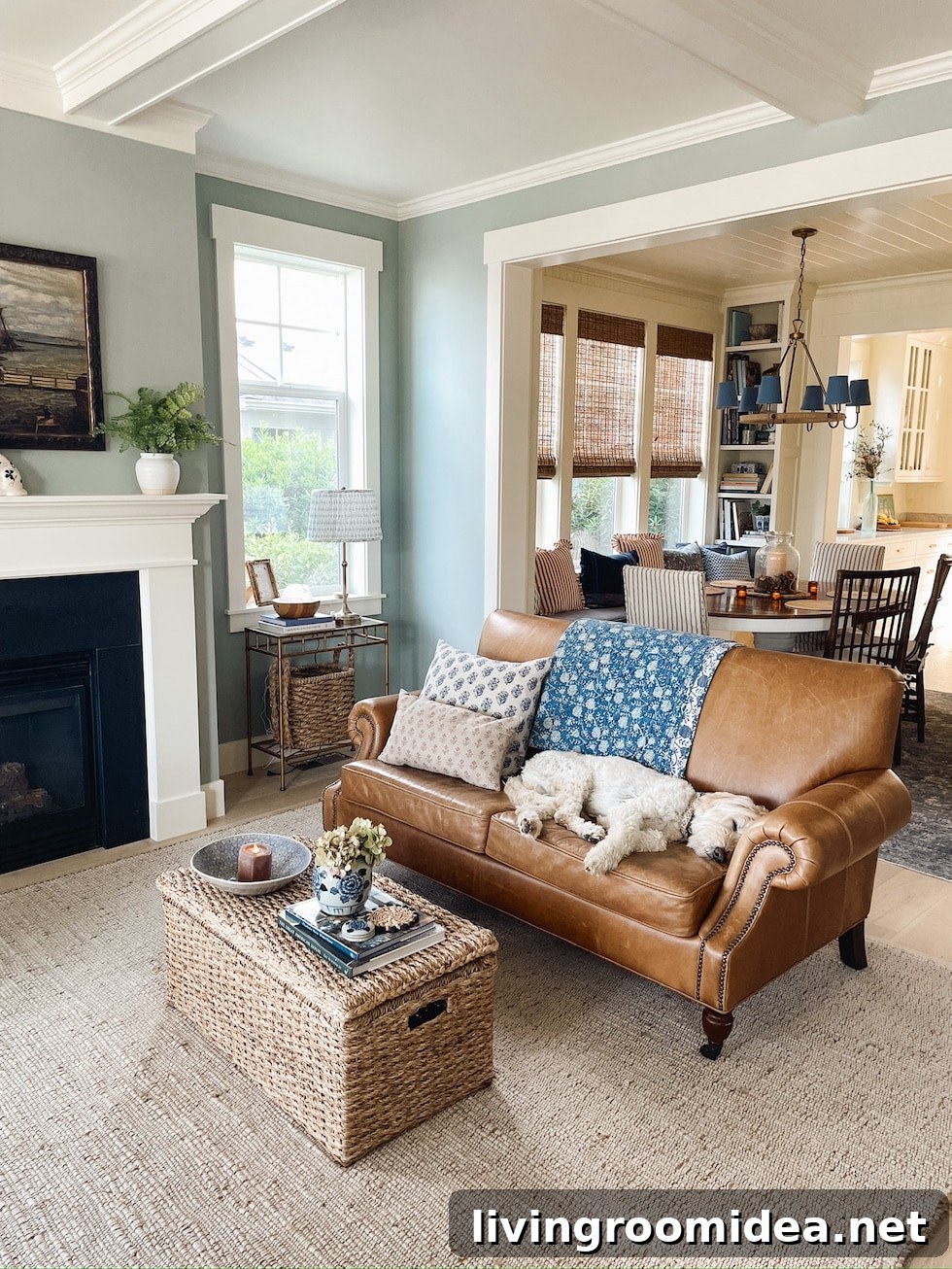
When I felt stuck, I remembered a simple mantra: STOP, DROP, AND ROLL. Not the fire drill from kindergarten, but a prompt for how to approach a decorating problem: stop scrolling for ideas that overwhelm you, drop the assumption that you must buy something new, and roll up your sleeves to try rearranging what you have.
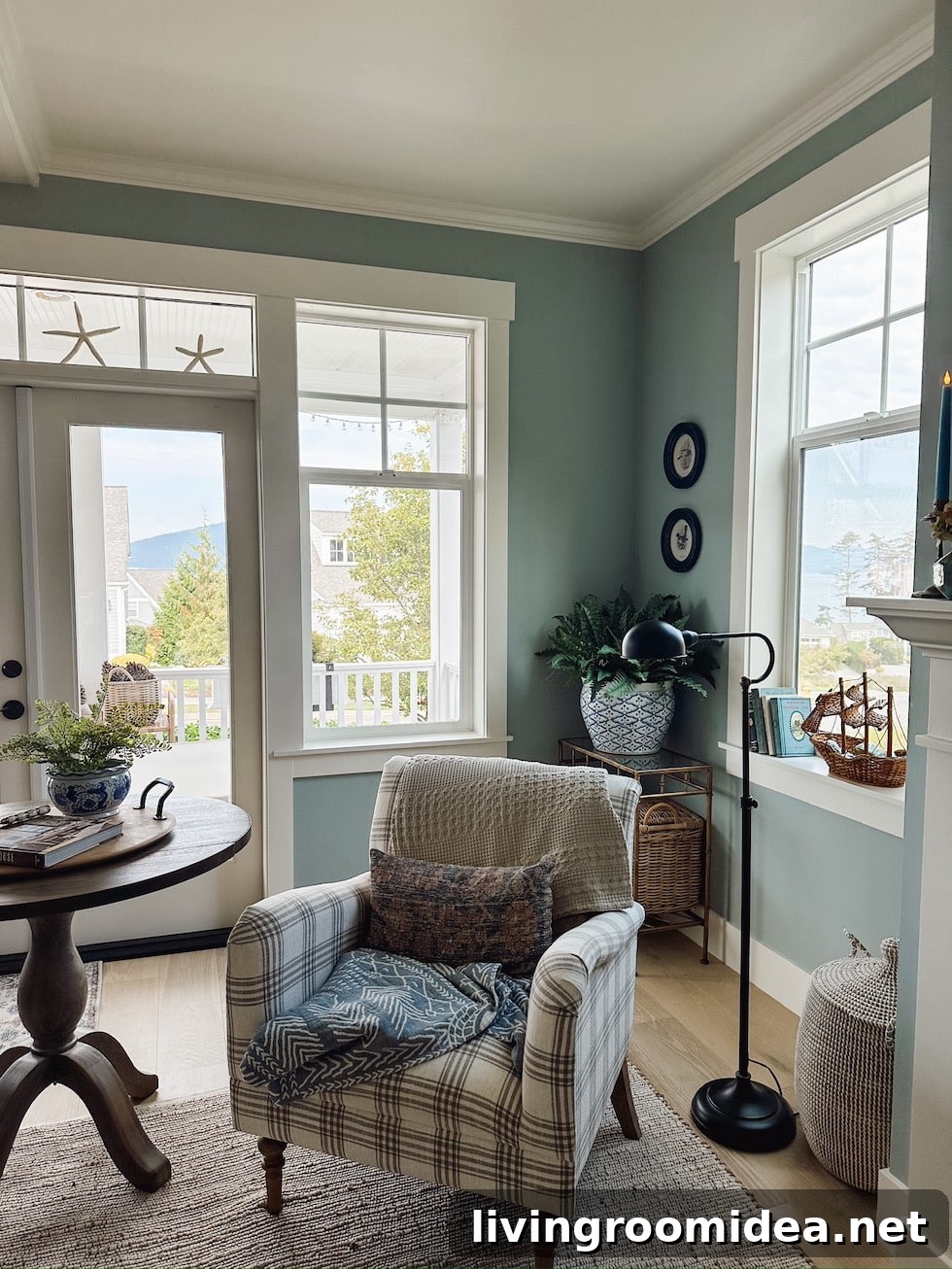
Even though I felt like I had tried every layout, I stepped back into the room, turned on a playlist, slipped on comfortable shoes, and started moving pieces. I tested every possibility, including placements I thought I wouldn’t like. The important thing was to experiment without overthinking—if something didn’t work, I could always move it back.
After several attempts, one arrangement finally clicked. It felt cozy, inviting, and perfect for conversation. Ironically, it was the first layout I had tried earlier but dismissed because the dining room was still under construction. Once the surrounding mess was cleared, the arrangement made sense and the room felt complete.
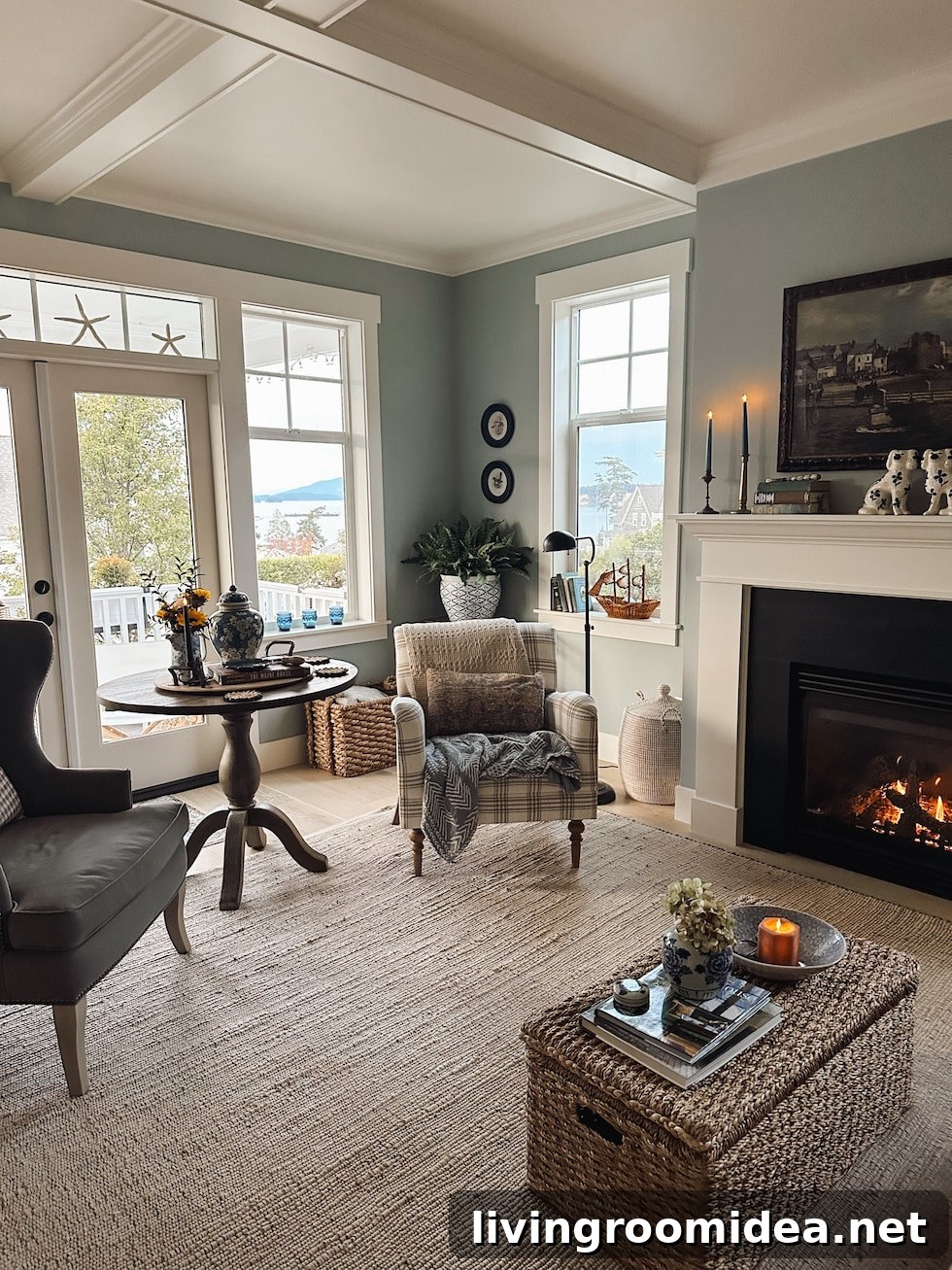
One lesson: don’t judge a room while it’s in progress. Mess and unfinished areas can mislead you about scale and flow. Give a setup another chance once the space is tidy—you may be surprised by how well furniture fits and how comfortable the layout becomes.
Falling in love with the new arrangement inspired more small adjustments. I experimented with alternate pieces from other rooms and discovered that a basket trunk repurposed as a coffee table worked perfectly. A few changes like removing oversized ottomans or swapping in lower-profile pieces helped reduce visual clutter and improved the traffic flow.
Most of the items in this room are ones I’ve owned for years and used in many ways. When you spend time trying different configurations, you often realize you already have what you need—you just hadn’t found the best way to use it.
If you’re not feeling the love for your home, it may not be the house or the furniture—it may be the arrangement. Try to STOP, DROP, AND ROLL: stop the endless searching, drop the idea that shopping is the only answer, and roll up your sleeves to rearrange what you have.
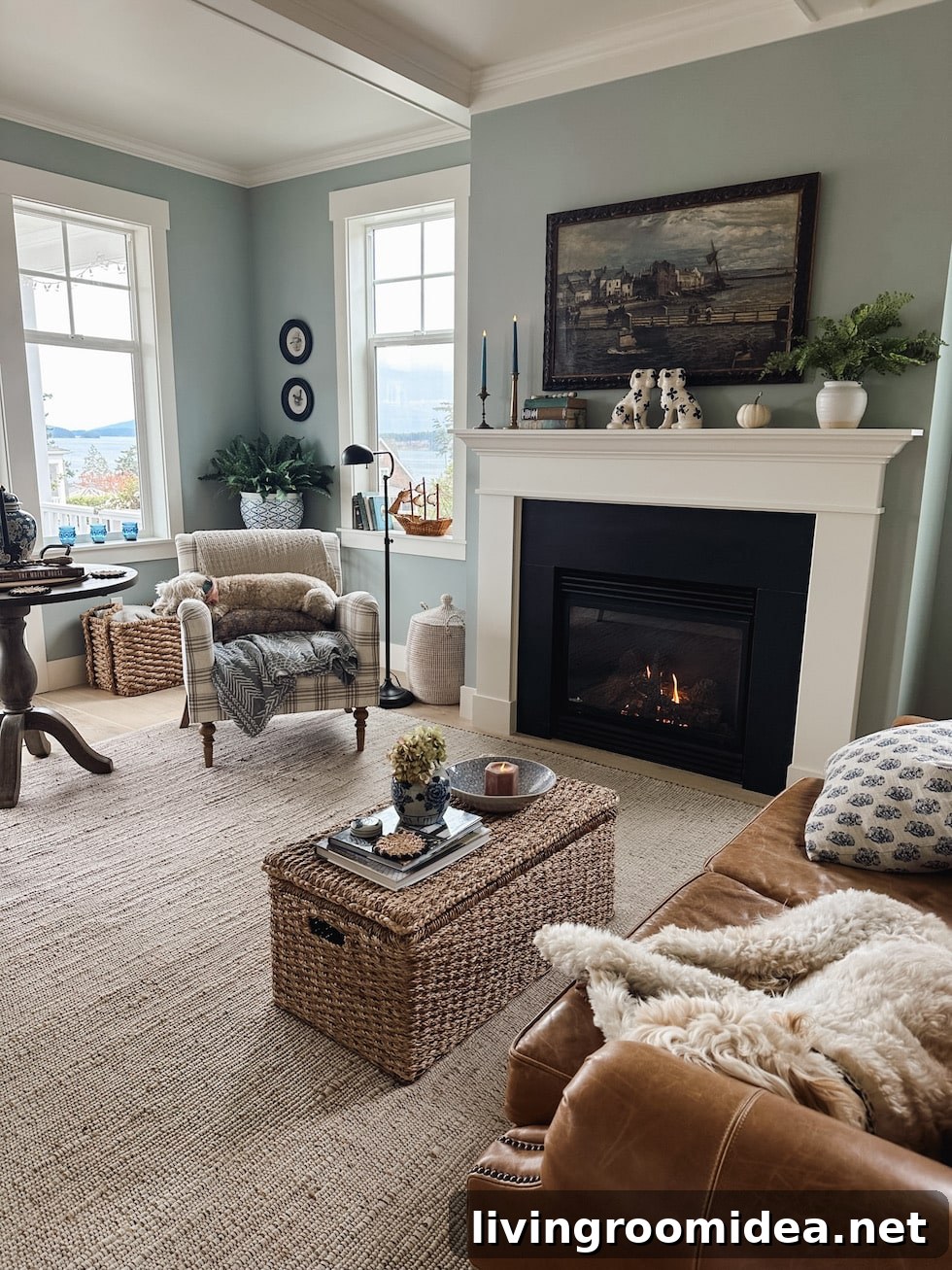
If you try a new layout, I’d love to see it. Share your results on Instagram @theinspiredroom. For deeper guidance, I offer mini-courses and workshops through membership programs that walk you step-by-step through designing a comfortable, welcoming home.
If you want more ideas, my books cover practical tips for loving the home you have and creating spaces that feel like you. But the simplest change often starts at home—with a willingness to experiment and the patience to try again until a room finally feels right.
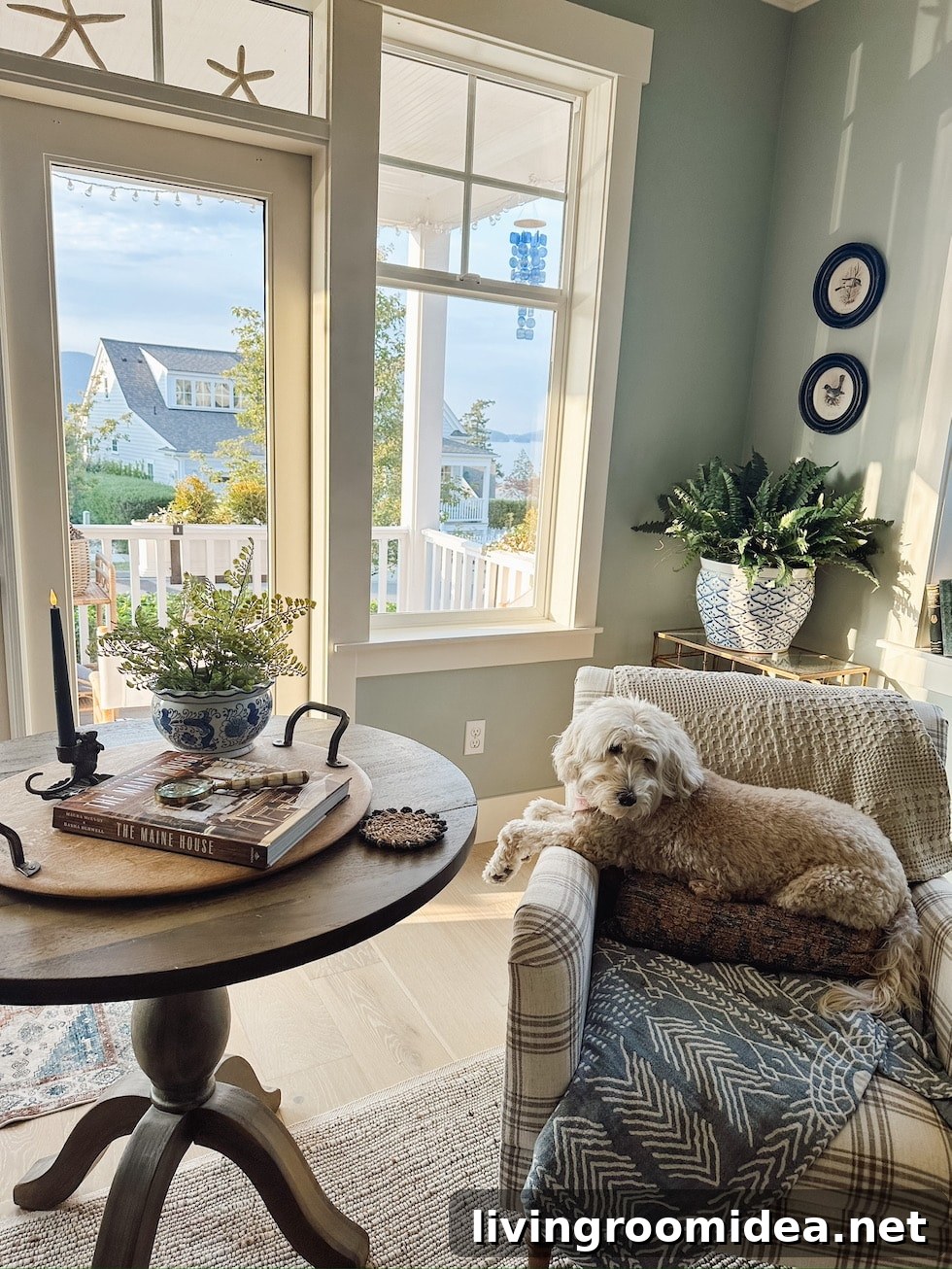

Helpful reminders: give furniture arrangements time, clear surrounding clutter before making a final judgement, and be willing to repurpose pieces from other rooms. Small changes and experimentation can make a familiar room feel fresh and loved again.

Paint colors mentioned: Blue – Beach Glass (Benjamin Moore); White – Classic Light Buff (Sherwin Williams)