
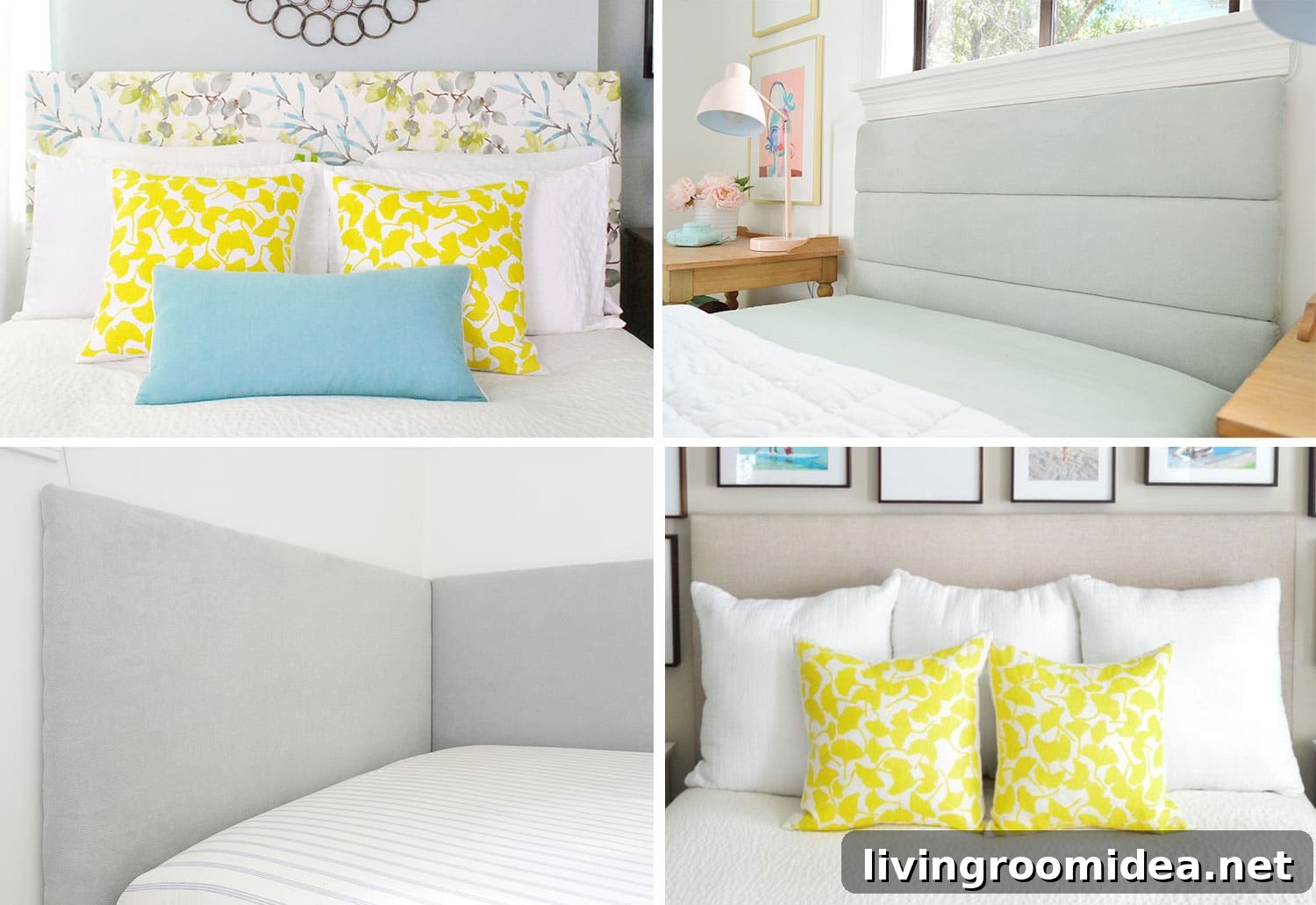
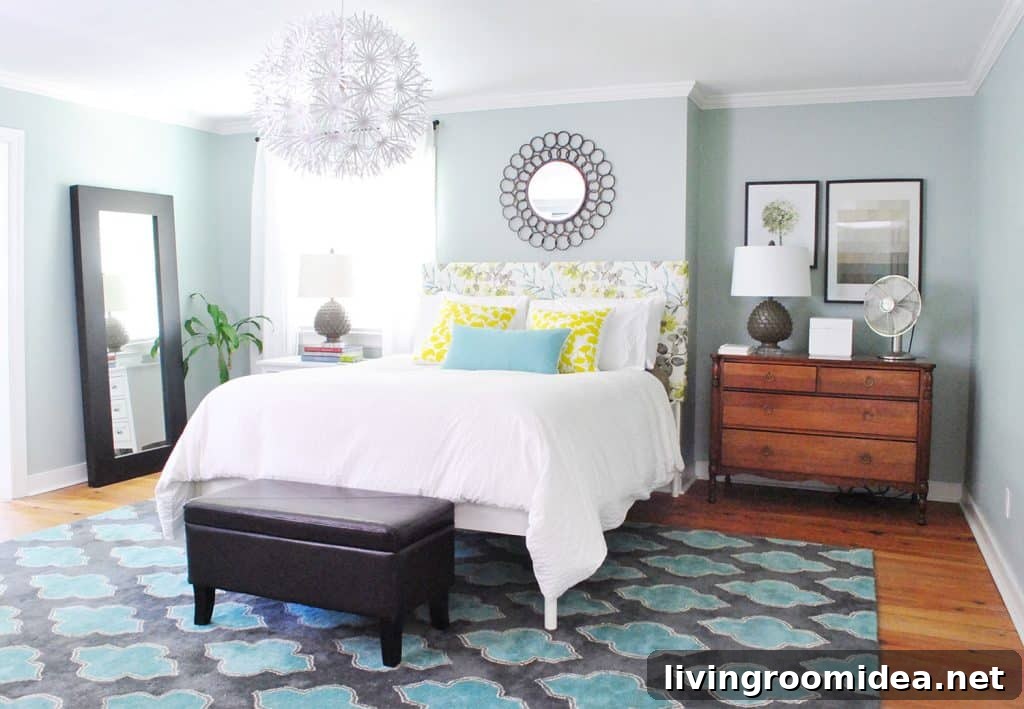
Adding a headboard is an easy way to give your bedroom a finished, cozy look. Building a DIY upholstered headboard is affordable and customizable—you choose the fabric, size, and details—and it’s remarkably straightforward (this version cost about $66). Below we walk through a classic, rectangular upholstered headboard project, with step-by-step instructions and photos to guide you.
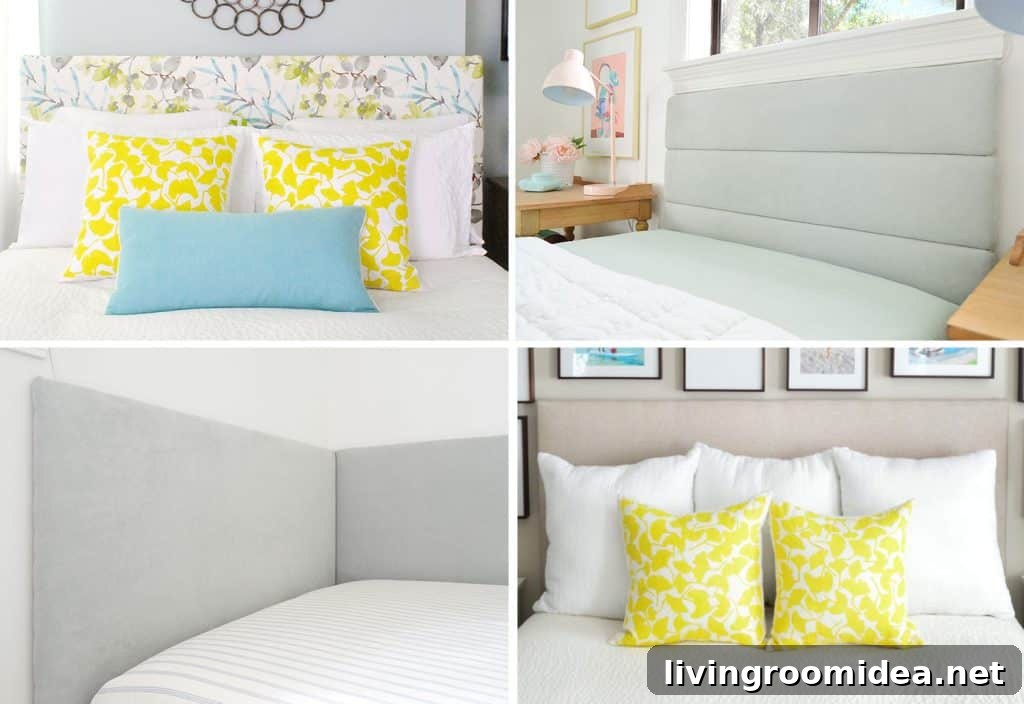
This tutorial covers the top-left headboard in the grid above. If you’d like other styles, consider these variations: a channel-tufted headboard, a daybed-style headboard, or a headboard hung on a wall cleat.
Table of Contents
Materials & Tools
Your exact list may vary, but for a typical upholstered headboard you’ll need:
- Upholstery fabric (amount depends on headboard size; we used about 2 yards)
- Extra-loft batting (we used two layers totaling about 4 yards)
- 5/8″ plywood or MDF for the main panel
- One or more 1×3″ boards for edge supports or trim
- A saw to cut wood (or have the store cut the plywood to size)
- A heavy-duty staple gun and staples
- Screwdriver, screws, and basic fasteners
Why Add A Fabric Headboard?
A fabric headboard adds softness, personality, and visual weight to a bedroom. It’s a simple upgrade that takes a room from basic to finished. With the right fabric you can introduce color, pattern, or a calming neutral backdrop. It also gives you a comfortable surface to lean against when reading or watching TV in bed.
Step 1: Build Your Wood Frame
Decide on the size and shape of your headboard. For a simple rectangular headboard, cut a sheet of plywood or MDF to the desired dimensions. For a queen bed we used 65″ wide by 31″ tall, but adjust this to suit your bed and room.
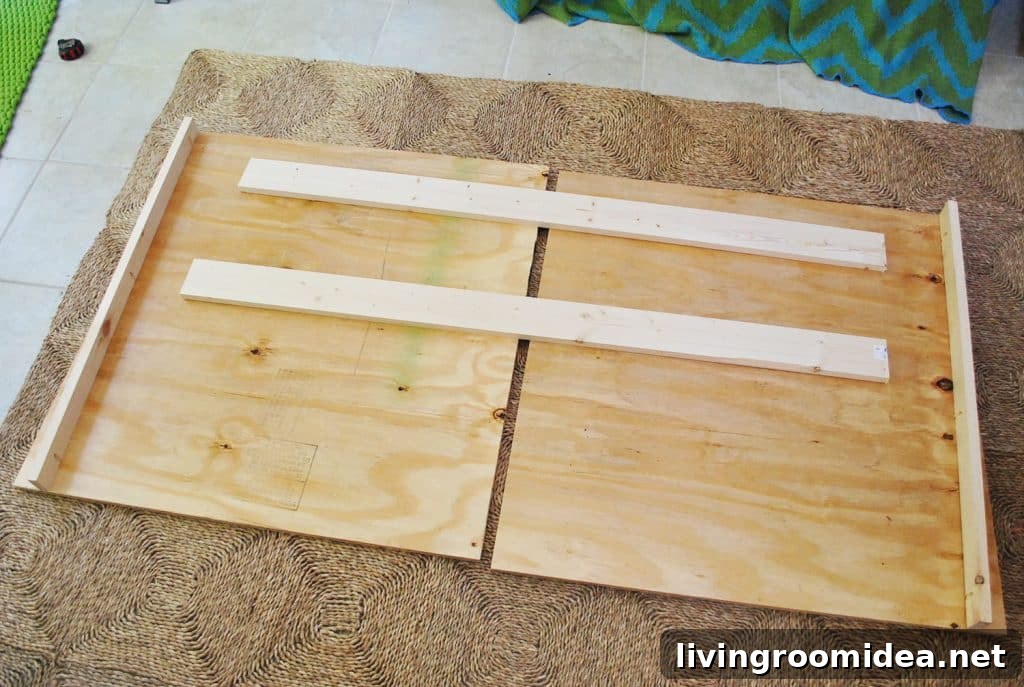
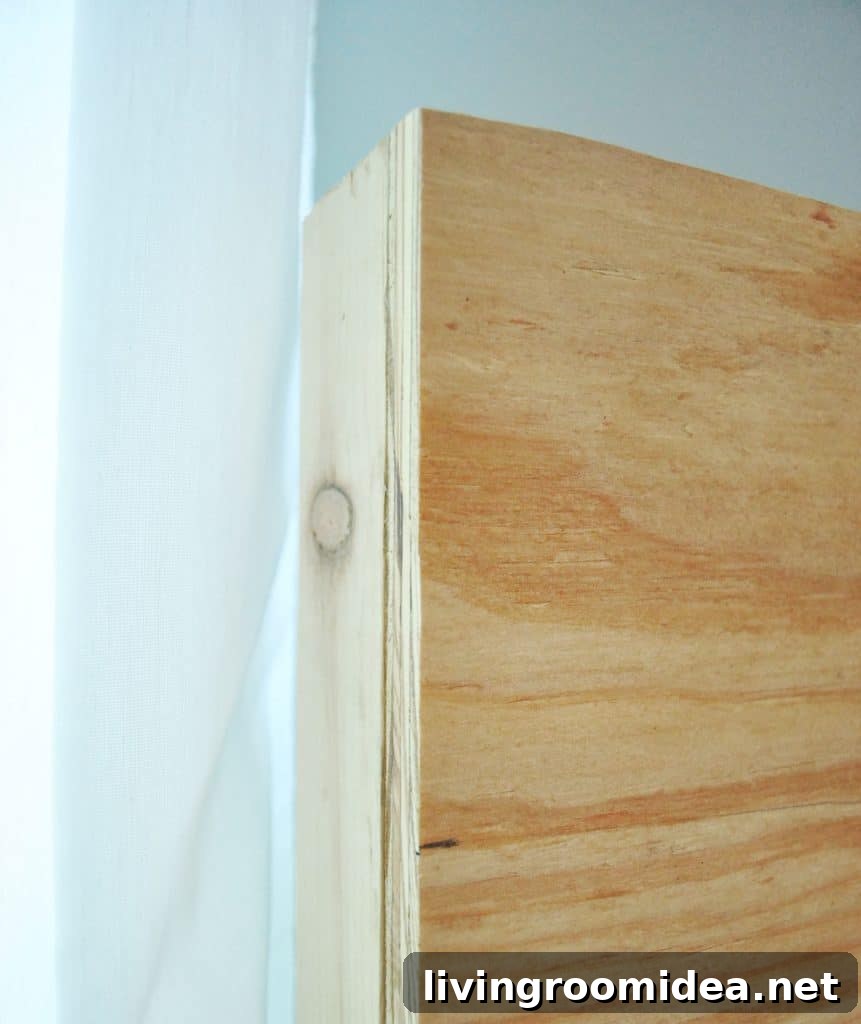
If you want features like side wings or a wrap-around design to conceal existing bedposts, attach narrow 1×3 boards along the edges and secure them with screws or pocket-hole joinery. If your plywood needs to be transported in smaller pieces, rip it at the store and join the halves with scrap boards or supports at home; the edges will be concealed by batting and fabric.
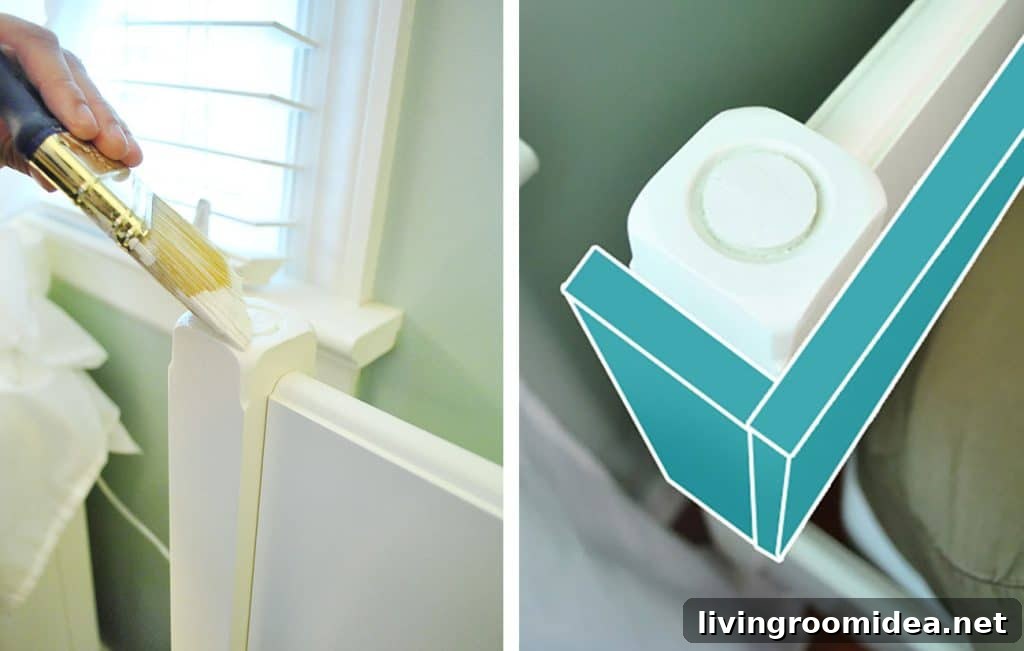
Once assembled, test-fit the frame by bringing it to the bed. Make any necessary adjustments before moving to upholstery.
Step 2: Add Your Batting Layer
If sewing or upholstery sounds intimidating, remember it’s basically wrapping: if you can wrap a present, you can upholster a headboard. Start by laying batting on the floor, place the frame on top, and leave a 2–3″ overhang on all sides.
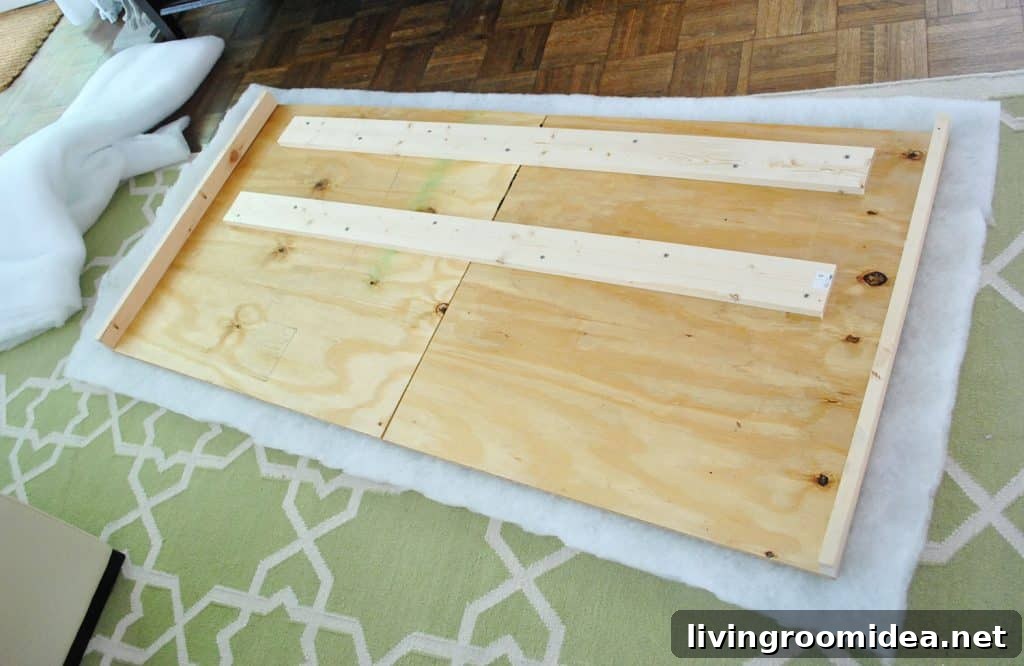
Pull the batting tight, wrap it around the edges, and staple it to the back of the plywood every few inches. Treat corners like gift-wrap corners: fold neatly and staple so the front looks smooth. Repeat for a second batting layer if you want extra plushness, but be careful—too many thick layers can become hard to staple securely.
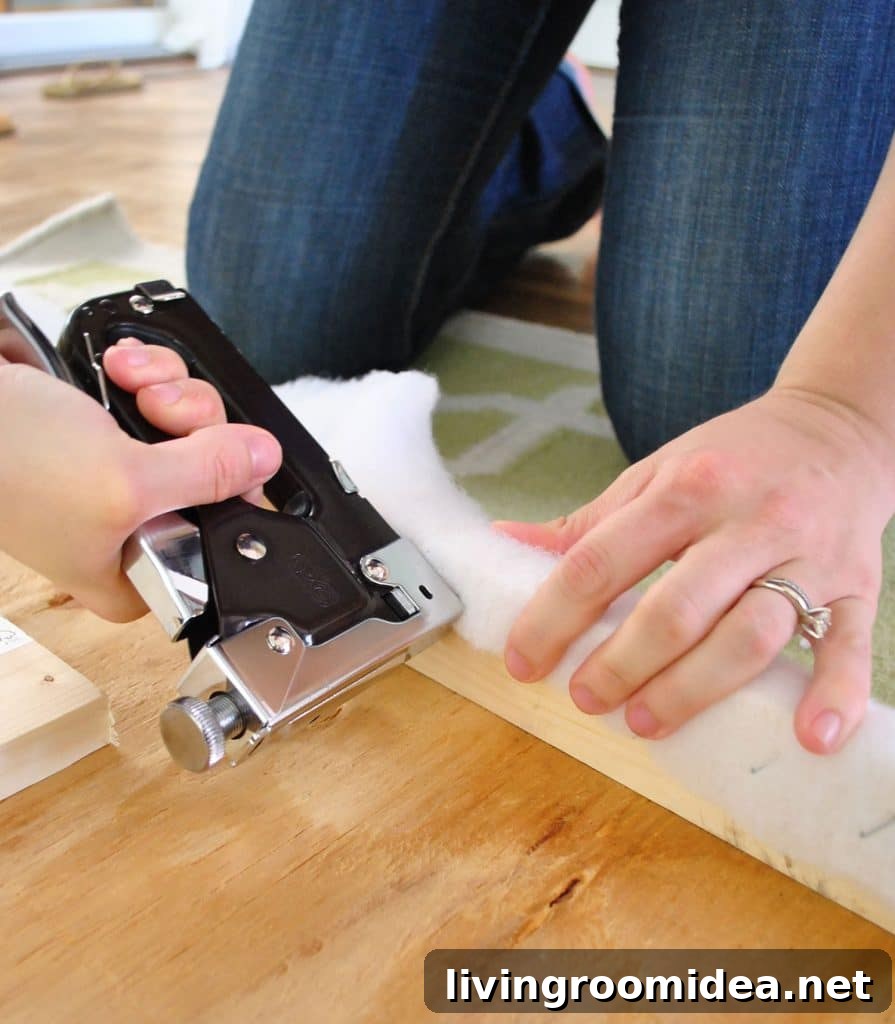
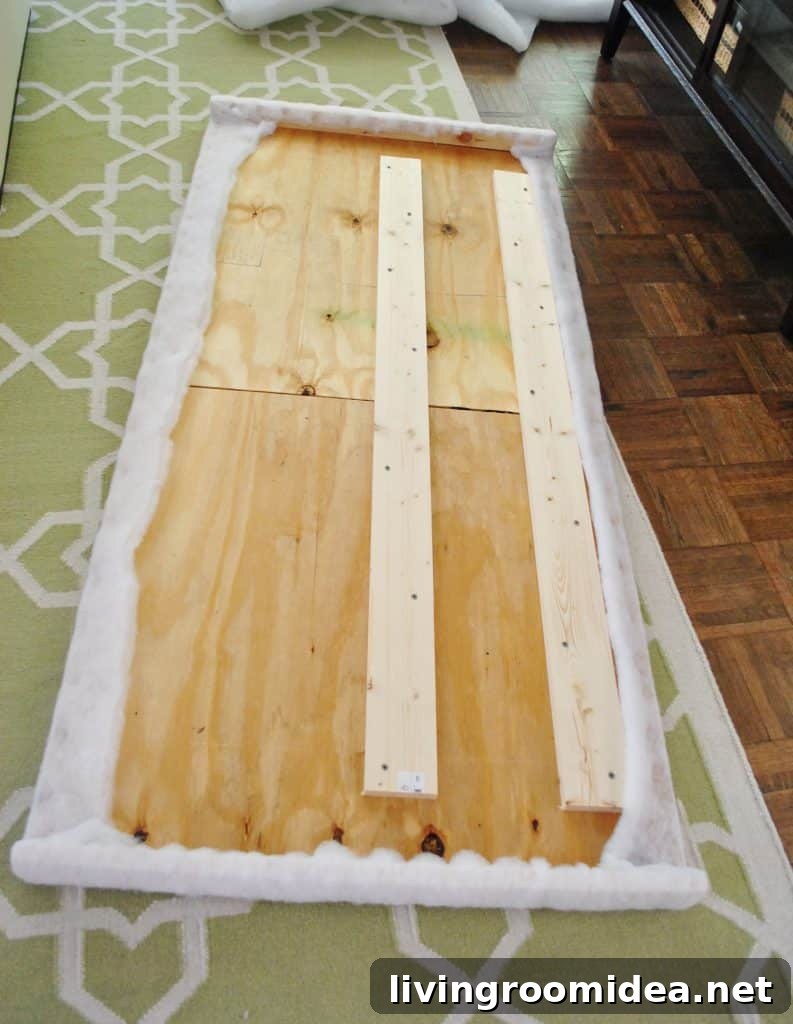
Note: An alternative is to use upholstery foam glued to the plywood with spray adhesive for a thicker cushion. Batting is easier to wrap around edges and gives a softer, rounded profile.
Step 3: Staple On Your Fabric
Iron your fabric first to remove creases. Lay it face down, place the padded frame on top, and trim excess fabric, leaving a few inches to wrap and staple to the back.
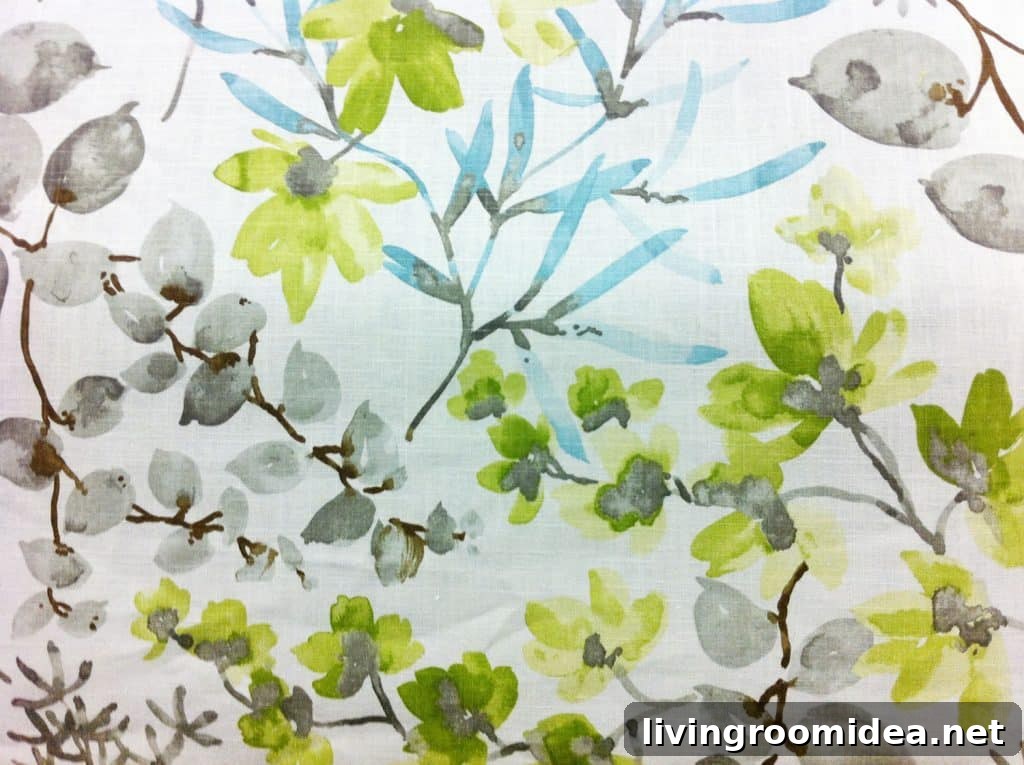
Start by stapling the center of one side, then pull the fabric tightly across to the opposite side and staple the center there. Repeat for the top and bottom, pulling firmly to avoid wrinkles. Work out toward the corners, folding neatly and stapling every few inches. Take your time to get the fabric snug—this prevents sagging over time.
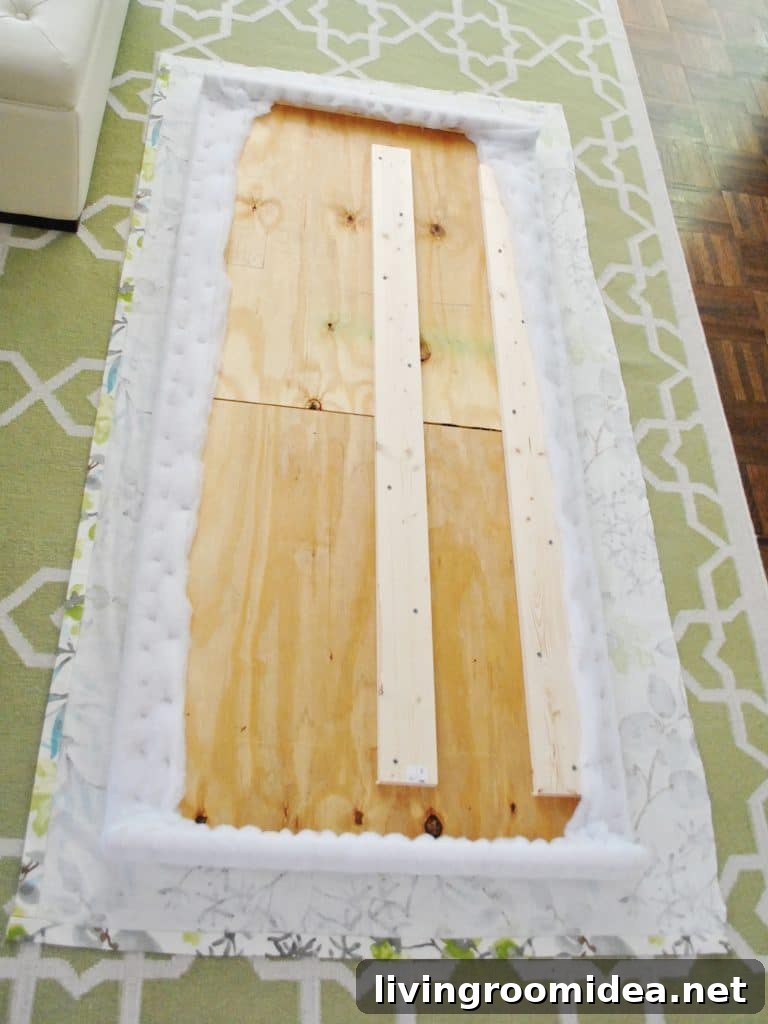
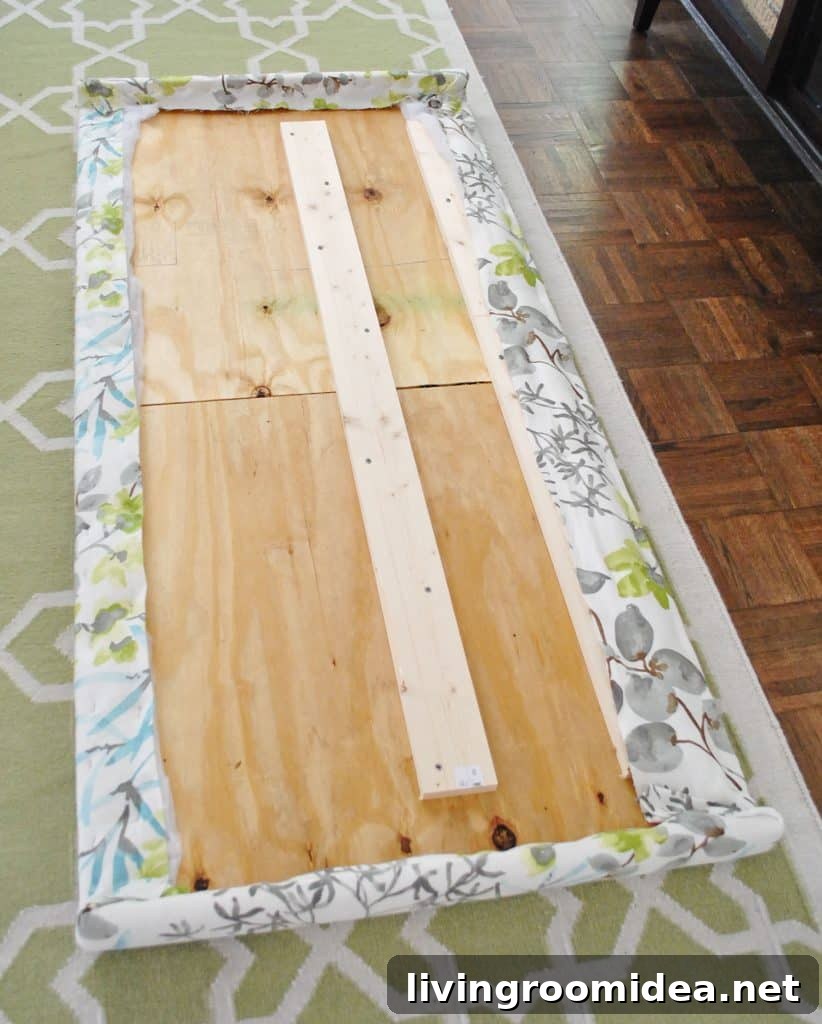
The upholstery step is quick—this project took under an hour once the frame and batting were ready. When you flip the headboard over, you’ll see the finished, cushioned front and taut fabric.
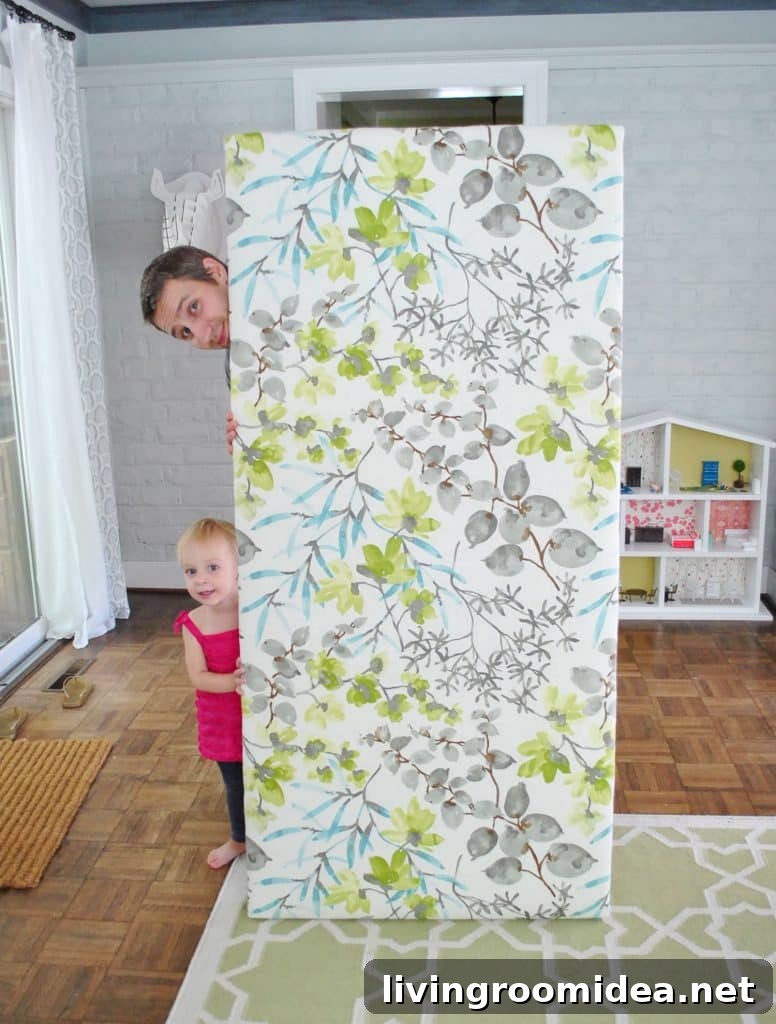
Step 4: Hang Your New Headboard
You can attach the headboard to the bedframe or to the wall. A french cleat mounted to the wall is a sturdy, reversible option: one angled board is fastened to the wall, the mating piece to the headboard, and the two lock together. Pre-made metal cleats are also available if you prefer.
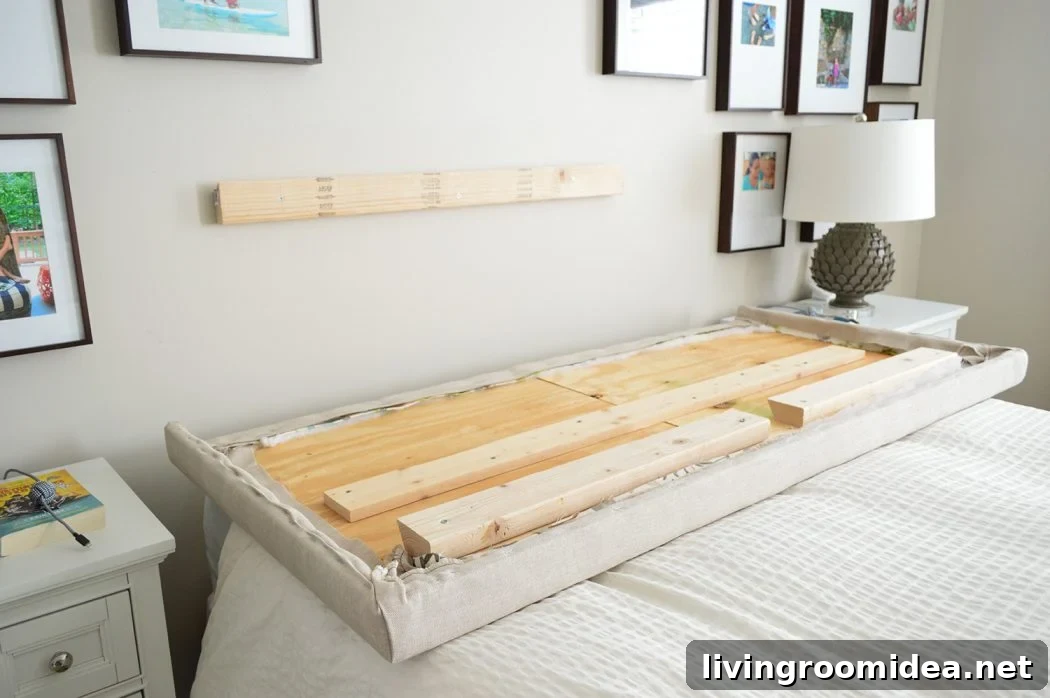
For bedframes with existing headboard supports or posts, you can also screw the new headboard into the frame—just use screws short enough that they won’t protrude through to the other side.
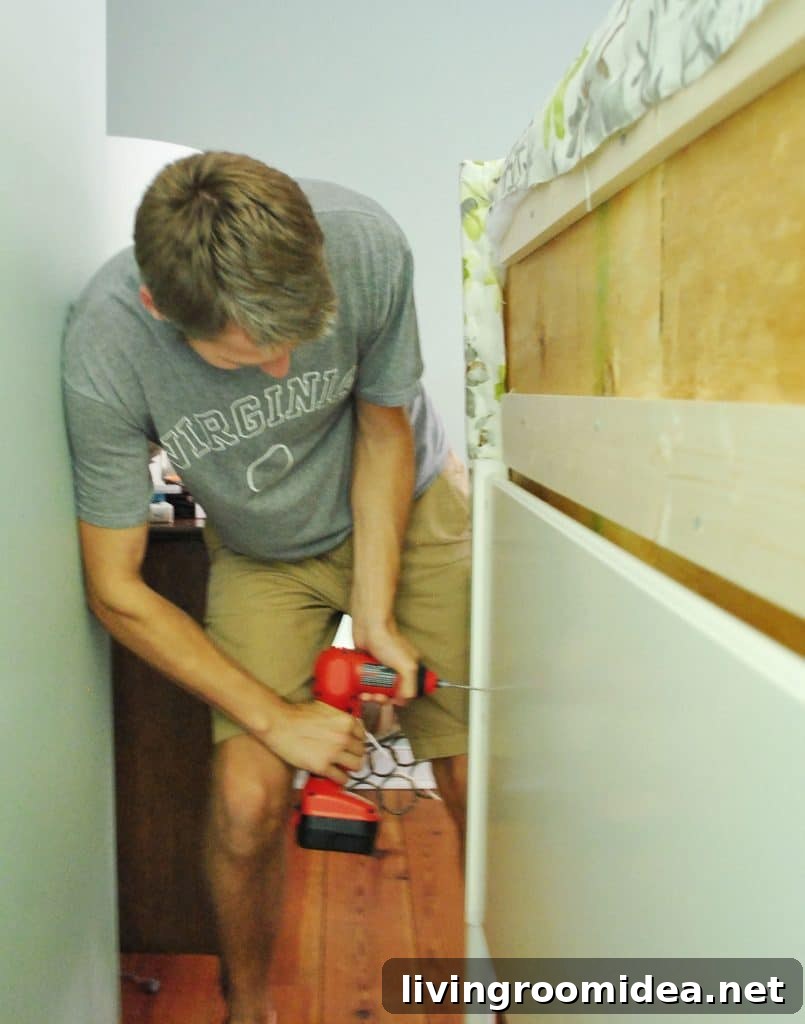
Tip: Mount the headboard so its bottom edge sits at or just below the top of the mattress to avoid a visible gap.
Step 5: Enjoy Your Handiwork
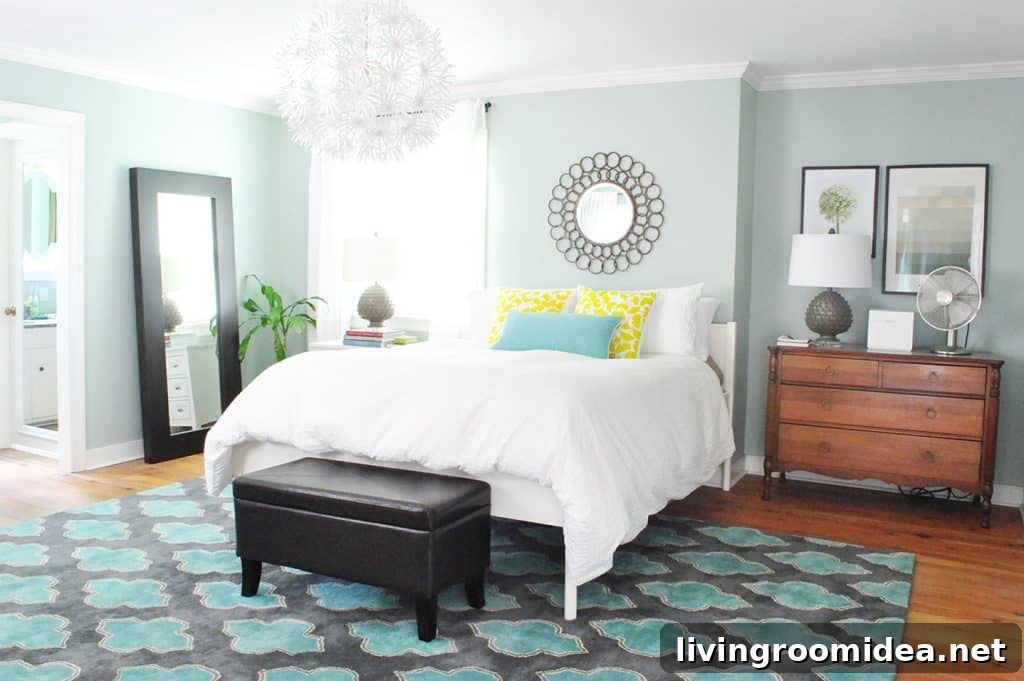
After hanging the headboard, return the bed to place and enjoy the immediate style and comfort upgrade. A new patterned or textured fabric can tie bedding and accessories together and transform the room’s look.
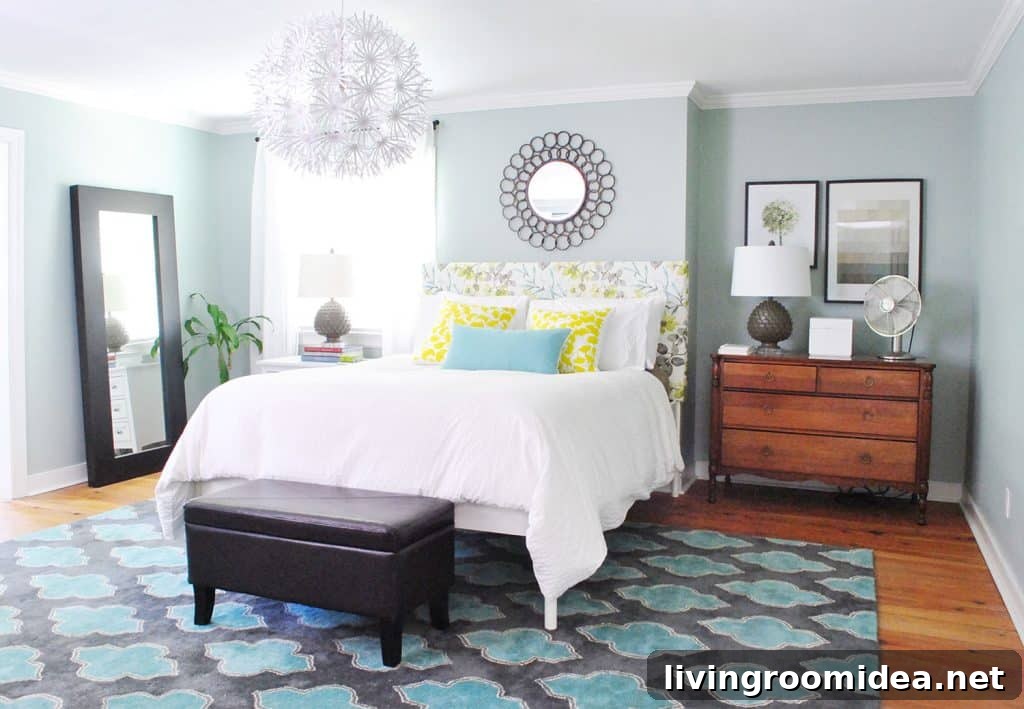
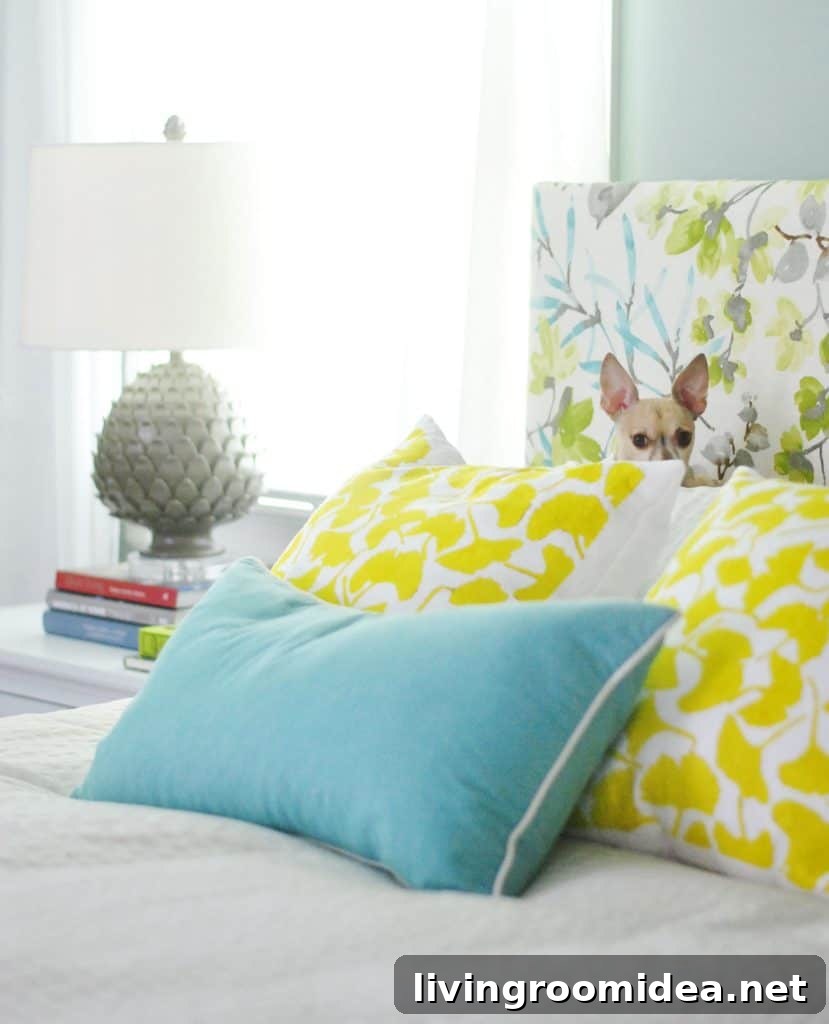
Small finishing touches like coordinating pillows and accessories help the headboard feel like an intentional part of the room.
DIY Upholstered Headboard Cost
Example cost breakdown from this project:
- Wood frame (plywood and bracing): $22
- Two layers of extra-loft batting (on sale): $4
- Fabric (discount designer fabric reused from another project): estimated $40
- Total spent: $66 (using fabric already on hand reduced the out-of-pocket cost)
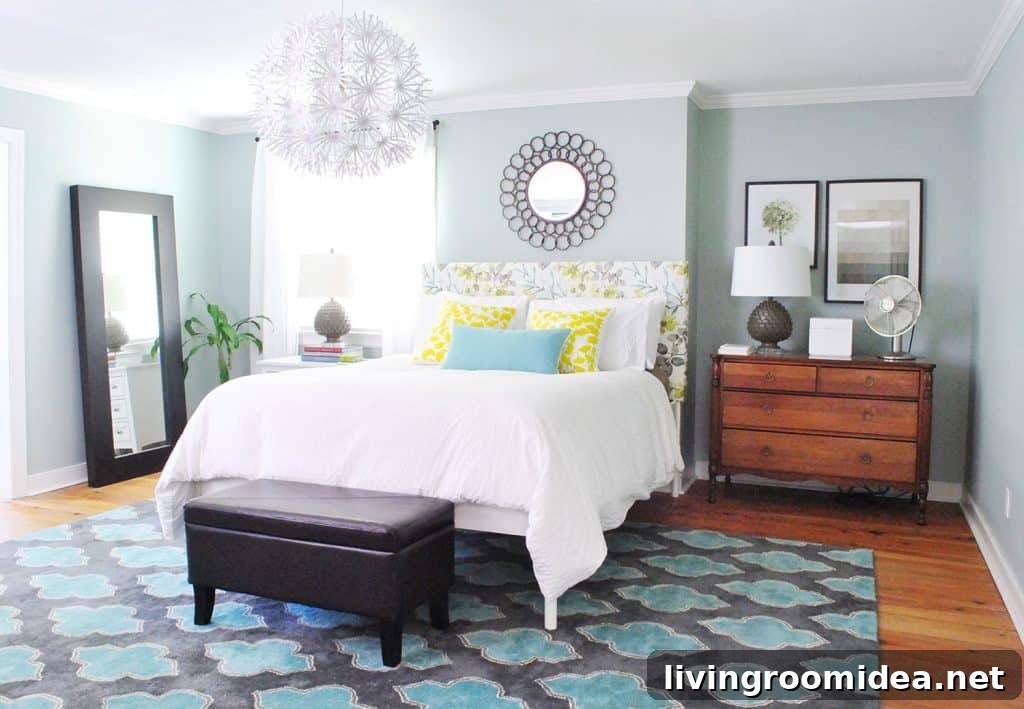
Building your own upholstered headboard is a cost-effective way to get a custom look. Even modest savings add up compared to ready-made or custom-ordered upholstered headboards, and the project gives you full control over fabric and scale.
*This post originally included affiliate links and product references.