
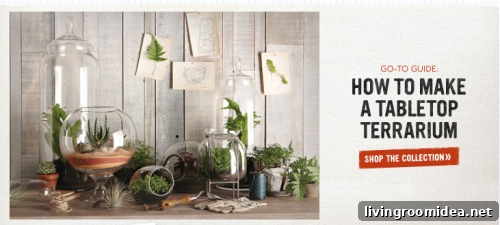
Think you don’t have a green thumb? I don’t either, but that hasn’t stopped me from getting my hands dirty creating small gardens. I kill a few plants along the way, but I find gardening fun and therapeutic, so I keep trying—and learning as I go.
Update: here are some of my own tiny gardens!
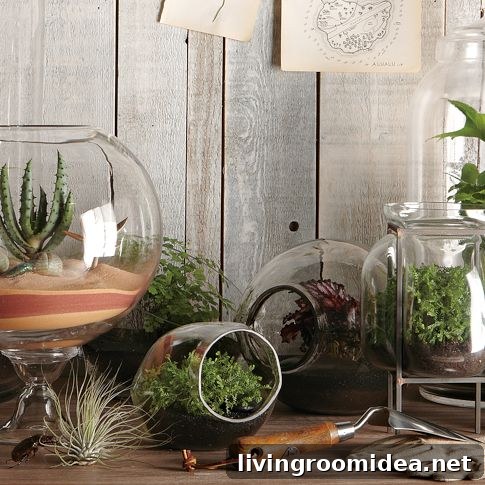
Open Face Terrariums West Elm
Small gardens are the perfect place to experiment—you don’t have as much to lose as when planting a tree or a hedge. Container and tabletop gardening make it easy to try new plants and styles without a big commitment.
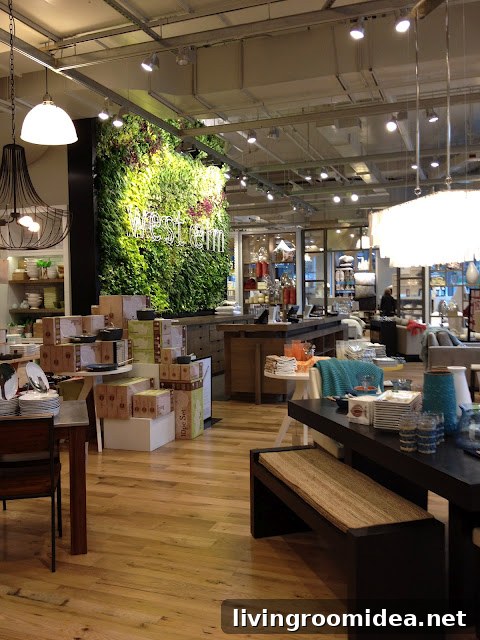
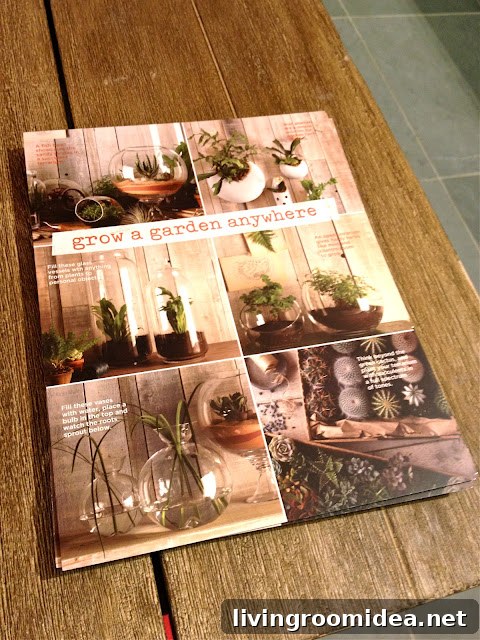
Recently I attended an urban gardening demonstration at the new Seattle West Elm store. I was excited because I’ve been wanting to make terrariums for a long time, and the demo showed how approachable they are. After seeing the process in person, I realized how simple and satisfying a tabletop terrarium can be.
West Elm Glass Jar Terrariums
The event included a hands-on demonstration for building terrariums, and West Elm even gifted each attendee a glass jar to get started. I plan to put mine together soon and will share the result—terrariums are a great first project for anyone curious about indoor gardening.
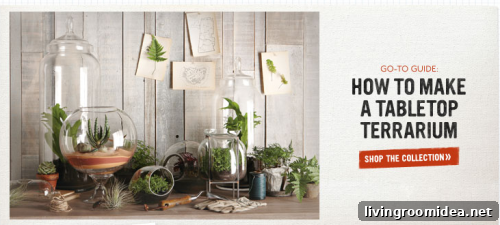
How to make a tabletop terrarium
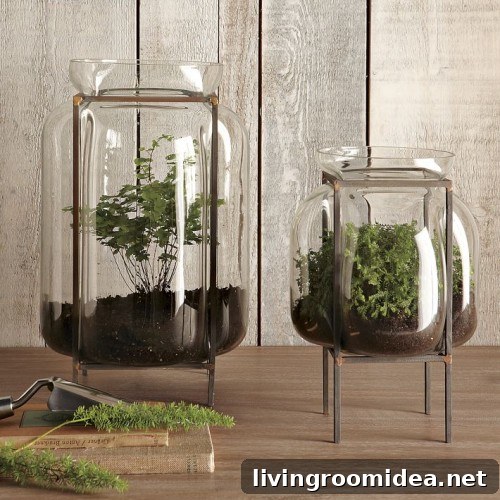
West Elm Glass Terrariums
At the event I also admired the hanging glass planters, especially for air plants—these fascinating plants grow without soil, which makes them ideal for creative displays. Hanging glass planters can be suspended from a porch, umbrella, or any spot that benefits from a bit of greenery without taking up floor space.
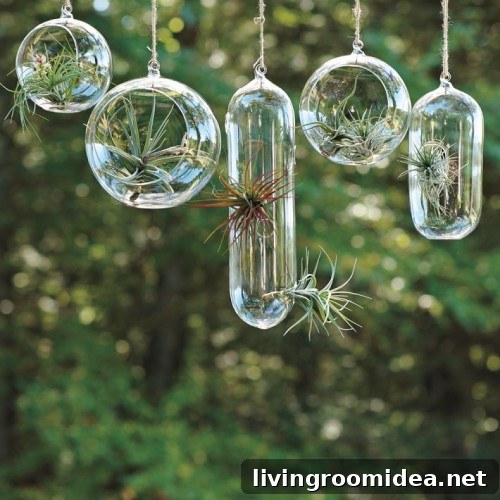
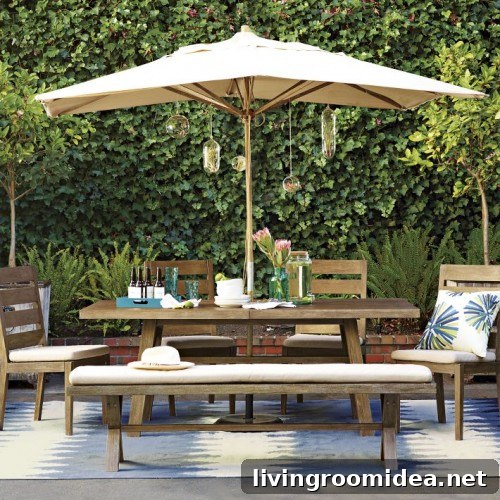
Another favorite was a bee-hive-shaped glass dome used as a terrarium on a cake stand—a charming centerpiece idea that shows how versatile small gardens can be. Even a tabletop or cake plate can become a mini garden.
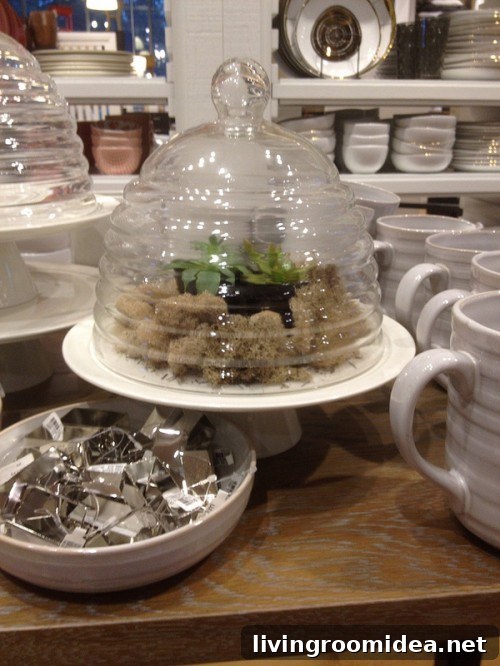
Tabletop planters are especially suited to apartment living—no deck or yard required. With pots, jars, or hanging planters, you can bring greenery into compact spaces and still enjoy a variety of plant styles.
I started moving toward small-space gardening after living in a house with a large, overgrown yard that became overwhelming to maintain. I decided I preferred gardens I could manage myself—smaller, intentional gardens that invite puttering rather than constant upkeep.
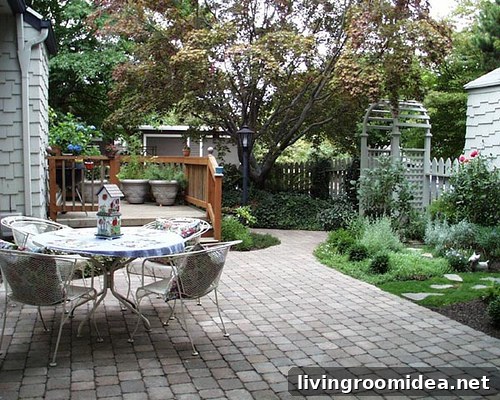
In our tiny Portland yard, I replaced grass with a curving paver patio, planted creeping plants, and created a compact backyard oasis that was simple to maintain. The scale was just right: enough plants to enjoy, but not so many that it became a chore.
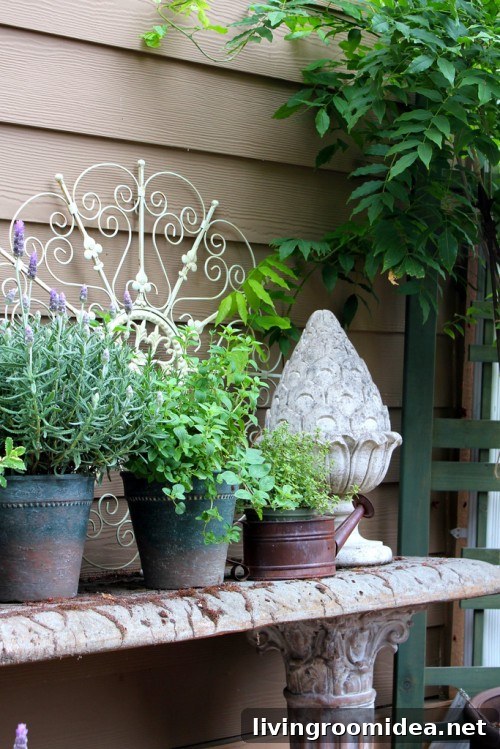
Last summer I added a small potting table and herb garden on our current back deck, and it turned out to be one of my favorite projects. Container gardening reduced the anxiety of plant failures—if something didn’t thrive, I could replace it easily. Many of the plants I bought survived, and a blueberry bush I replaced is now flourishing in a container and producing healthy leaves and fruit.
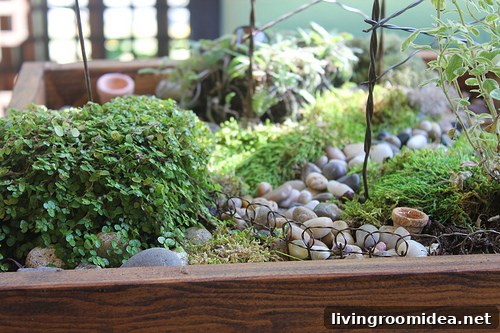
I even made a miniature fairy garden last year, which sparked a new obsession with gardens in boxes and glass jars. My kids teased me at first, but they ended up loving it—and the fairy garden gained attention in several publications. Small, imaginative gardens are fun for both adults and children.
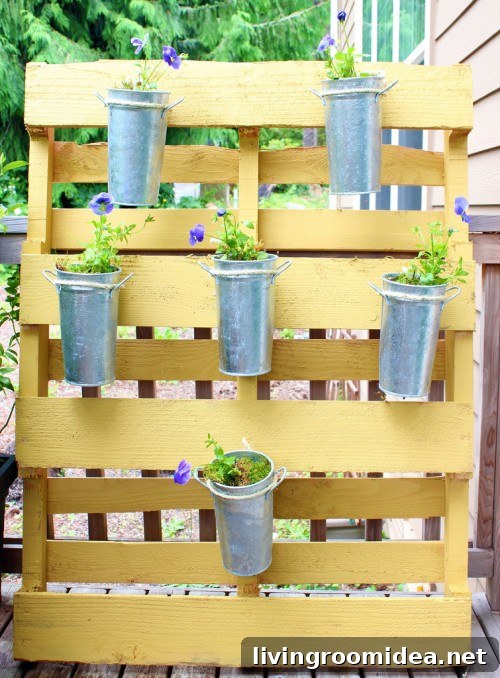
Another compact solution I used was a pallet garden—perfect for balconies or small decks. Vertical and stacked planters are great ways to maximize greenery in limited spaces without sacrificing style.
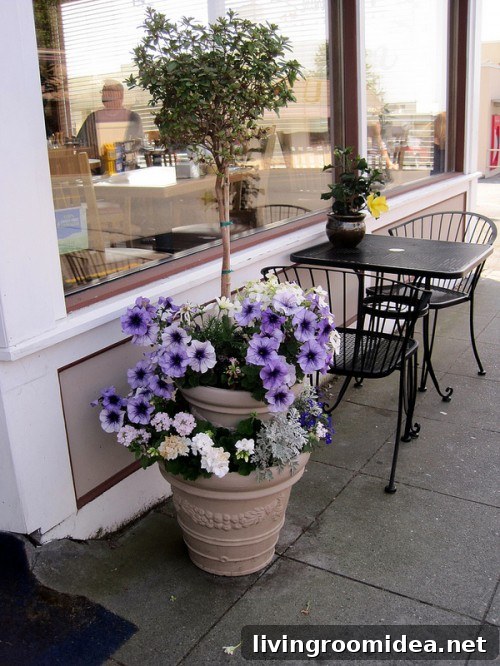
Stacked planters are another easy idea: two pots, one smaller than the other, create a layered look that works well for flowers, herbs, or a small ornamental tree. Container gardening opens up many possibilities for small yards, patios, and balconies.
There are so many fun ways to garden, even when space is limited. Whether you prefer terrariums, hanging planters, pallet gardens, or stacked containers, small-space gardening offers creativity, low maintenance, and big satisfaction.
Do you enjoy small-space gardening? Have you ever made a terrarium garden?
See my Five 5-Minute Miniature Gardens for quick ideas and inspiration!