
 BHG
BHG
I I love having a morning routine. I’m not naturally a highly organized or rigidly scheduled person, but I rely on a few simple routines to keep my home “clean enough” and to help me manage a busy life without getting overwhelmed. These basic habits have been part of my life for over a decade and have made daily responsibility feel manageable rather than burdensome.
While some people thrive on elaborate, color-coded charts and detailed schedules, I do best with short, flexible routines. If a system is too complex or time-consuming I lose interest quickly. I’ve tried many approaches, and what works for me are straightforward, repeatable tasks that fit into the rhythm of my day rather than demanding strict adherence to an idealized plan.
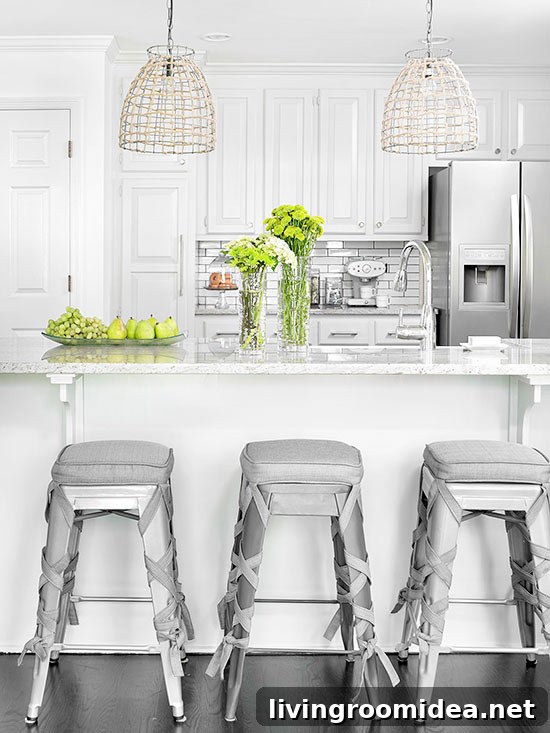
Confession: I’m more likely to be motivated to deep-clean the bathrooms if I’m planning a gathering than if a chart tells me when to do it. That’s okay—what matters is the outcome. I want my toilets and bathrooms to be clean, and when they need attention I’ll clean them right away. Small, timely actions keep tasks from piling up and make upkeep feel doable.
Housekeeping is just one of many demands on my time. I run a business, help manage a church, and care for my family and home. I love a clean house, but the time I spend on homemaking has to fit with other priorities and remain enjoyable. For that reason I keep my daily routines simple and motivating.
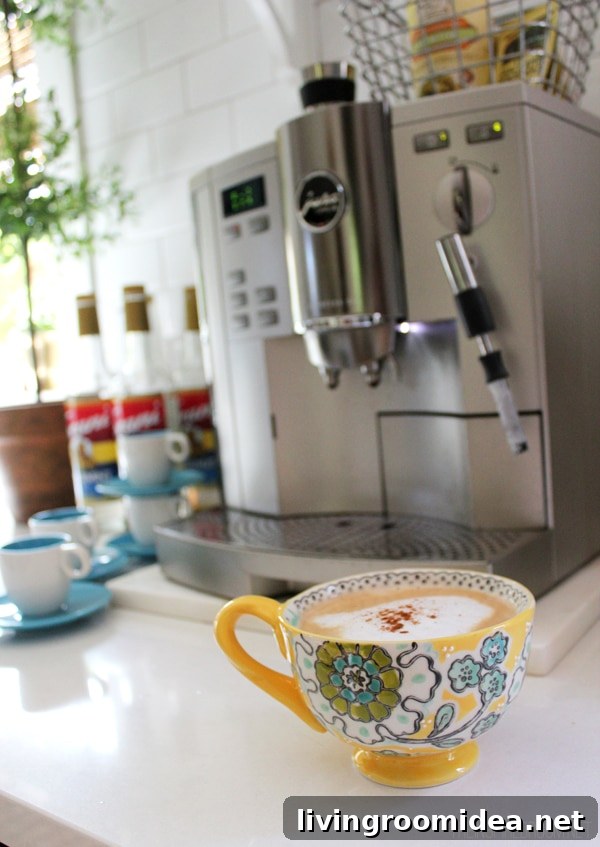
Why is a morning routine so important?
My routines give me a sense of calm and progress. They prevent small tasks from accumulating into overwhelming chores and they set a positive tone for the day. Perhaps most importantly, my routine contributes to my emotional wellbeing—when I enjoy what I do in the morning, I feel more content and productive throughout the day.
If my mornings were full of tasks I dread, I’d be less likely to get started. Instead, I design a routine that includes things I actually enjoy—simple rituals like coffee, music, or quiet time—alongside the necessary chores. This combination helps me feel motivated and ready for the day.

How much time does a morning routine require?
A realistic morning routine can be as brief as 10–30 minutes or extend to an hour or two, depending on your schedule. Choose a length that you can consistently maintain. Even small routines—getting dressed, brushing your teeth, and wiping the sink—make a noticeable difference.
Everyone’s mornings look different. Parents, workers, and people with other obligations will design distinct routines. The key is to avoid excuses and create something simple and repeatable that supports your day.
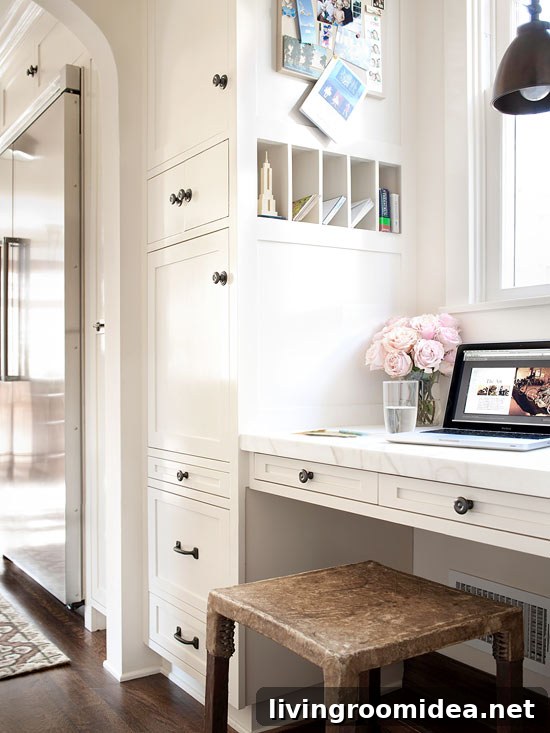
Set up a morning routine with three kinds of tasks:
1. Daily essentials you complete every day to feel productive and put together—brush teeth, make the bed, shower, get dressed, have coffee, unload the dishwasher, or spend a few minutes in quiet reflection.
2. Quick catch-up tasks you rotate depending on need or available time—run a load of laundry, sweep the kitchen floor, or wipe the bathroom counter.
3. One or two enjoyable activities you look forward to—coffee, journaling, reading, prayer, a short walk, or listening to music.
Try to follow your routine most days. It may feel awkward at first, but habits form with repetition; after a few weeks your routine will feel natural and you’ll likely start looking forward to it.
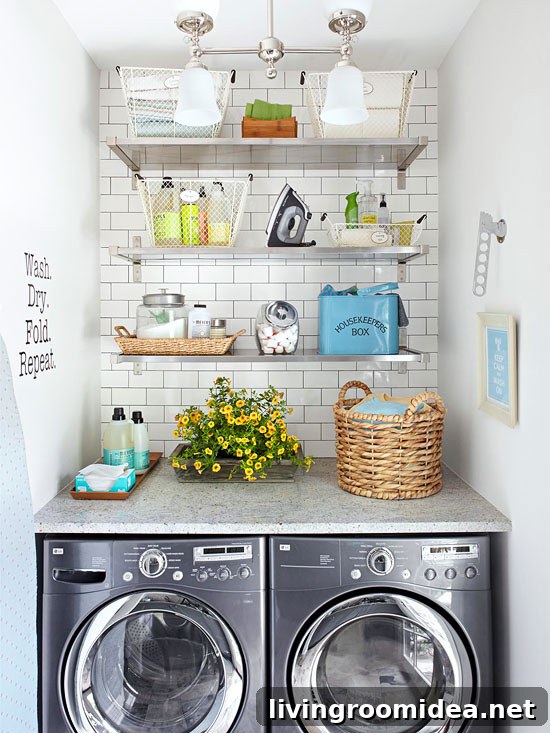
My basic morning routine
– Brush teeth and wipe out the sink.
– Make the bed to discourage crawling back in and to start the day with order.
– Open the blinds for daylight and energy.
– Turn off porch lights (I turn them back on as part of my evening routine).
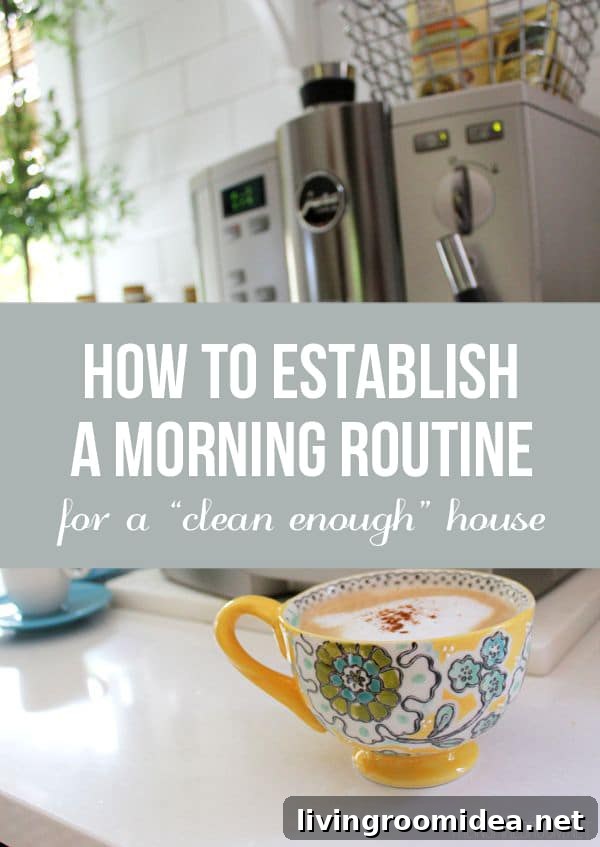
– Make a cup of coffee—this small ritual helps me begin the day in a pleasant way.
– Quiet time for reflection or planning.
– Unload the dishwasher, place breakfast dishes in it, and keep the sink clear.
– Shower (my thinking time), start a load of laundry and set a timer to move it to the dryer.
– Apply light makeup and dry hair so I feel put together, and get dressed fully—shoes included—because being dressed helps my productivity.
– Move laundry to the dryer when the timer goes off and lay out clothes promptly to avoid ironing and clutter.
– Turn on the computer and begin the workday.
Want more ideas for being happier at home?
- One Thing I Do Every Day to Be Happy—simple daily practices can shift your mood and perspective.
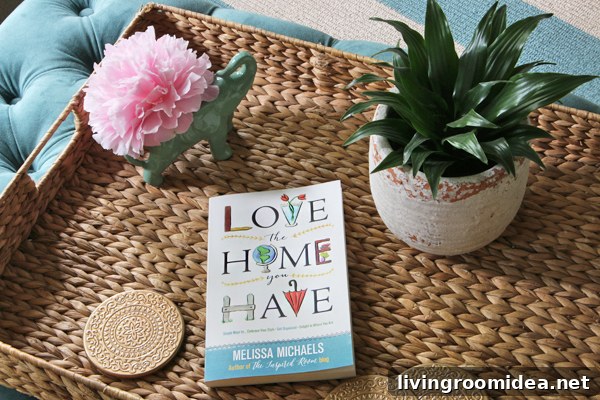
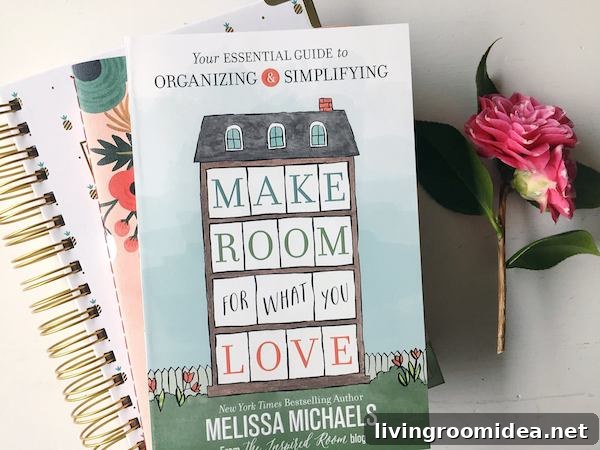
- Explore books about loving and organizing your home for more inspiration and practical tips.

Find more ideas and resources to help you enjoy your home and create routines that support your life.