
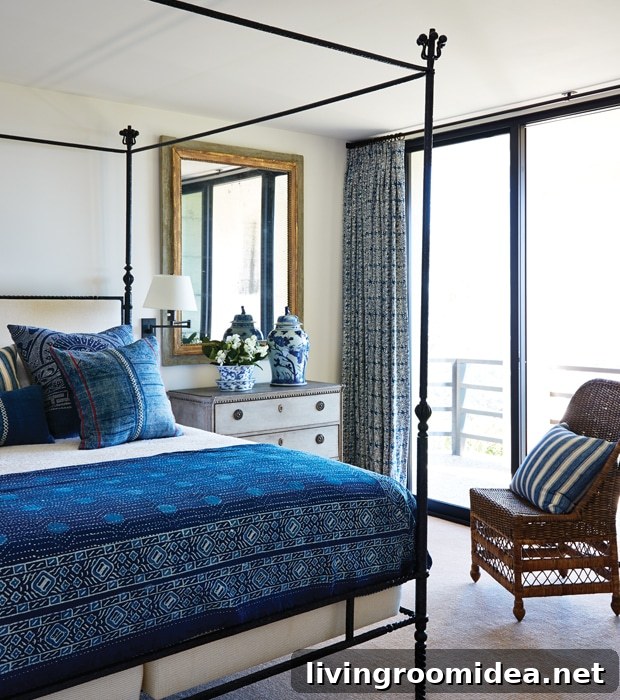
House and Home May 2015 / Photographer: Stacey Brandford
Hi friends! It’s been a while. I didn’t mean to disappear from the blog last week — a few large projects, tight deadlines and some unexpected life events demanded my attention. Between family and work, I needed to pause for a moment to focus on what was most pressing. All is well now, and I appreciate your patience.
I have several posts coming that will update you on what I’ve been working on, including our bedroom makeover and the new shutters. But for today I wanted to answer a reader question.
On a recent bedroom post, a reader asked how I “connect the design dots” to create a cohesive look throughout a home. When you like several styles or colors it’s easy for rooms to feel disjointed. It’s a common problem, and the good news is that bringing things together is usually simpler than it seems.
I’ve written about this in my decorating books and other posts, but here’s a concise, practical approach to blending a mix of styles so your home feels unified and intentional.
Create Continuity.
You don’t have to limit yourself to a single trend or palette. It’s fine to use a mix of furniture styles and accessories you’ve collected over time. The key is to introduce some continuity so the varied pieces read as part of the same story.
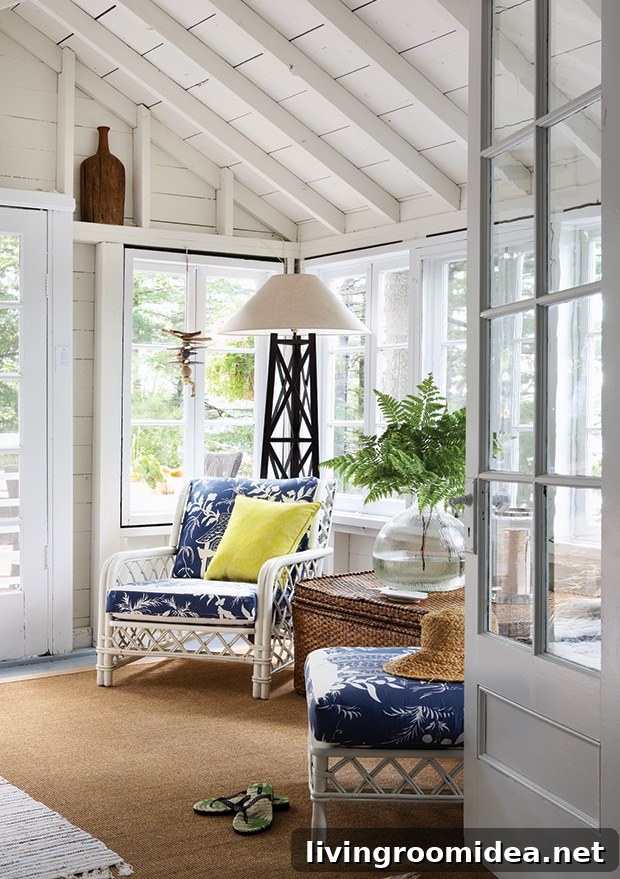
House and Home / Photographer: Michael Graydon / Designer: Anne Hepfer
What elements create continuity?
1. Color
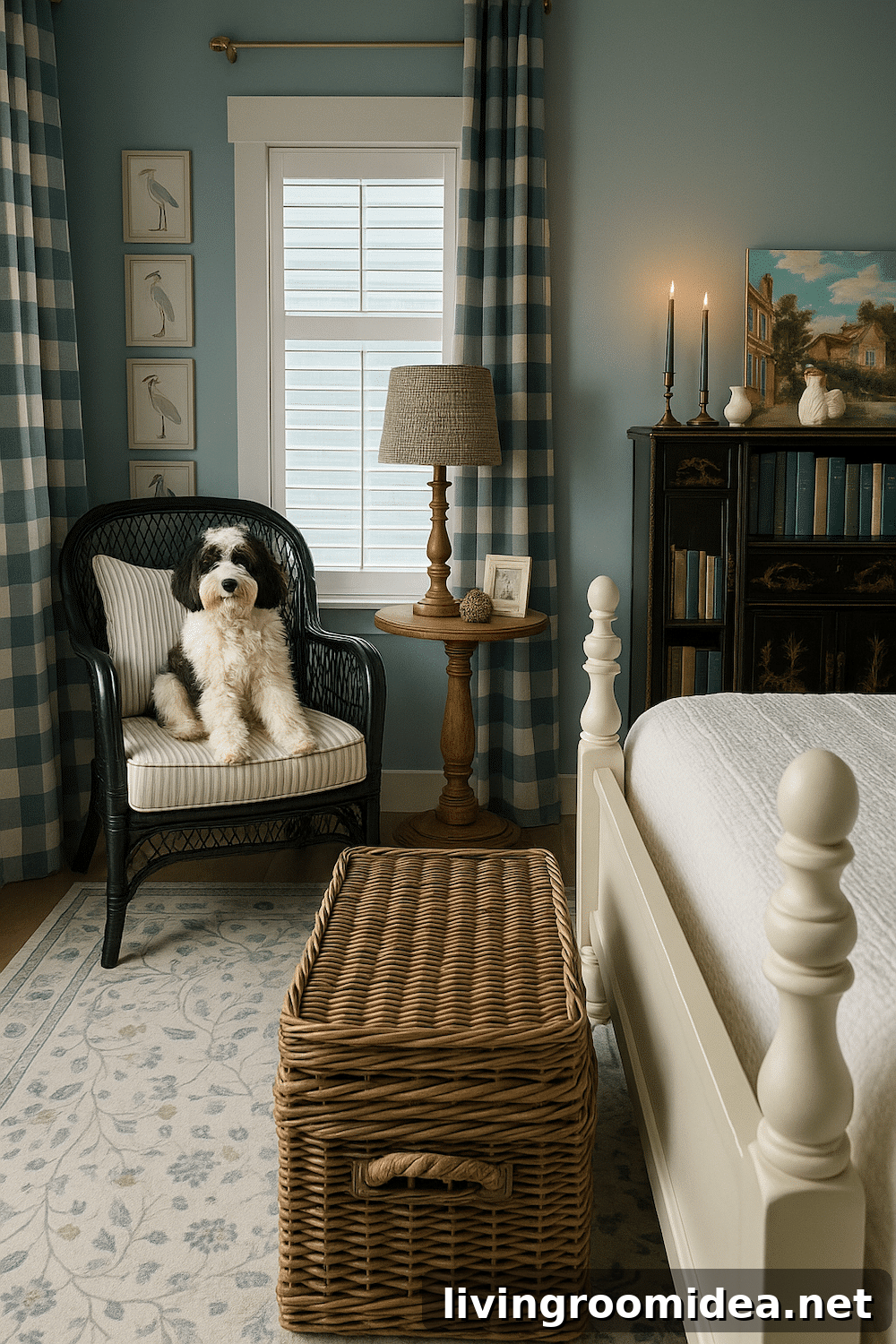
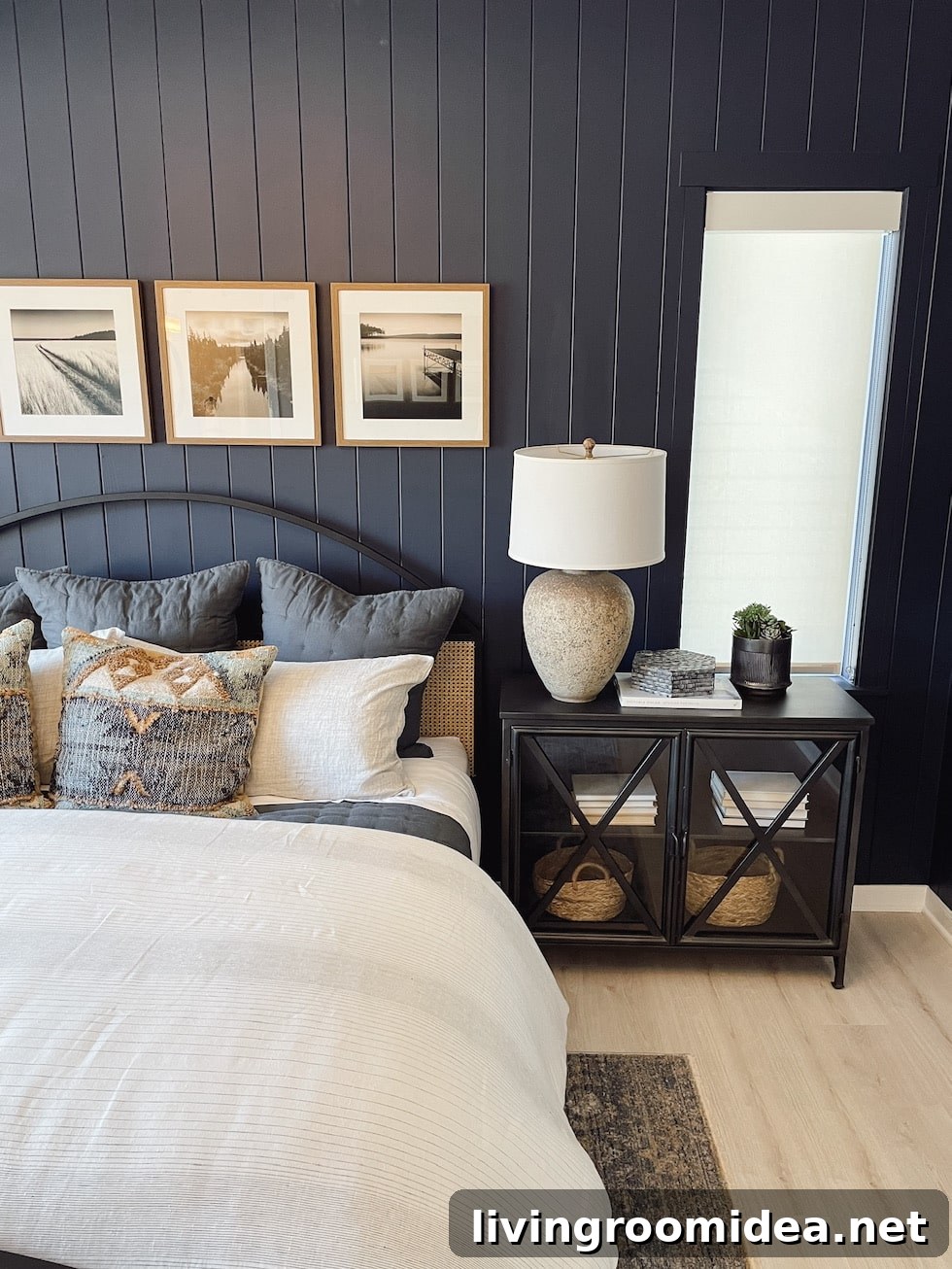
Repeating a color throughout a room or between rooms is one of the simplest and most effective ways to unify a space. The eye notices color repetition and interprets it as a deliberate choice. The same principle applies to wood tones — you can mix woods, but repeating a particular tone helps tie pieces together.
2. Pattern
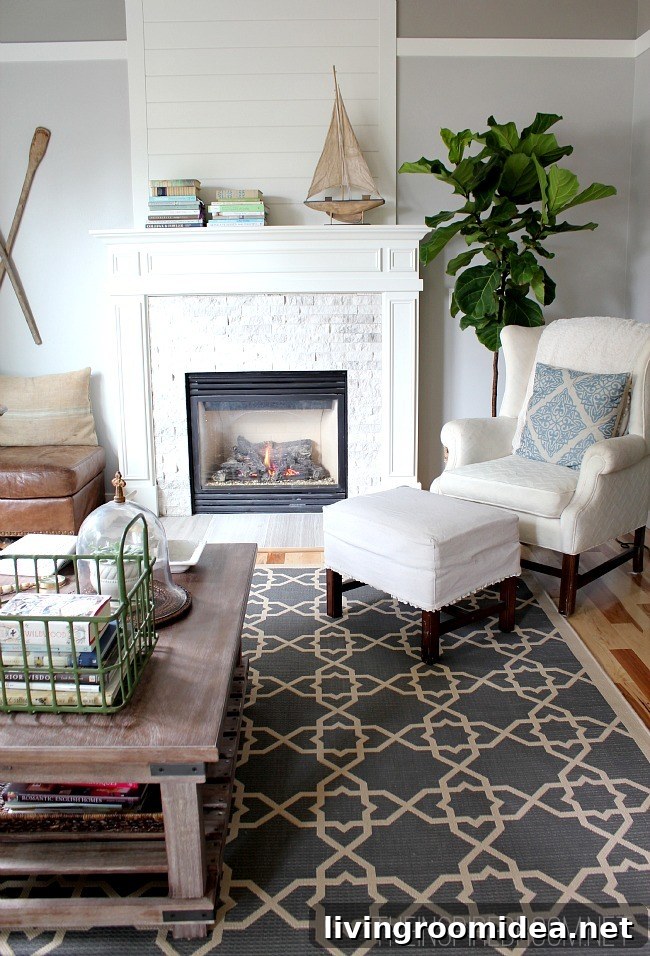
Repeat patterns to create cohesion. This can be as straightforward as using two or three pillows with the same fabric on a sofa, or choosing a large patterned rug that brings the seating pieces into alignment.
3. Architecture
Architectural elements repeated throughout the home add strong continuity. Consistent door styles, matching hardware, repeated molding profiles, uniform flooring, and coordinated metal finishes in faucets and lighting all help the home feel intentional and connected.
4. Accessories
Accessories are an easy and flexible way to create unity. Matching lamps on different tables, a series of vases in a similar color family, or recurring shapes in decorative objects will make the design feel thoughtful and cohesive.
5. Style
Even if you enjoy multiple styles, repeating one style or a recurring shape can provide a common thread. For example, a single farmhouse antique placed in several rooms can subtly anchor that aesthetic. Similarly, repeating a furniture silhouette — like several straight-lined pieces — can unify diverse elements.
When you intentionally repeat color, pattern, architectural detail, accessories, or a particular style, the pieces you love will work together rather than compete.
So, what is your style?
Do you prefer an eclectic mix or a more consistent approach? Thinking about the elements above can help you decide where to add repetition to make your home feel balanced and welcoming.
Want to create a home you can’t wait to come home to? I can help with that!
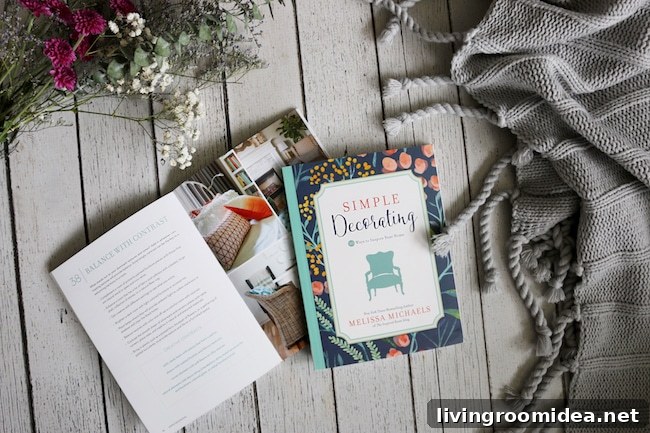
Grab your copy of Simple Decorating to jump-start your style and refresh your home with budget-friendly, practical ideas. You’ll learn to embrace your style, reimagine spaces, and transform hard-to-love areas into favorite destinations.
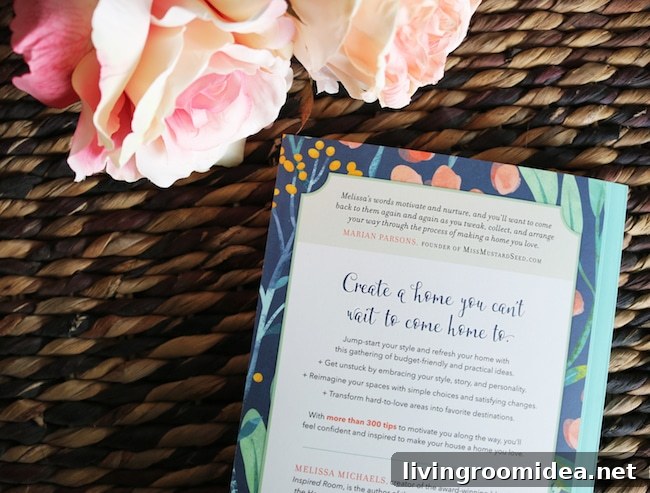
Order Simple Decorating from your preferred bookseller.
Related Post:
3 Tips to Mix and Match to Get the Style You Want