
Sponsored by Arhaus
You’ve probably heard me talk about updating a home for fall by adding more texture. Many people ask what that actually means and how to do it. Texture is the mix of materials, patterns and finishes that make a room feel layered and inviting. Below I’ll share practical designer tips for adding textural interest that will carry your space through fall, winter and into spring.
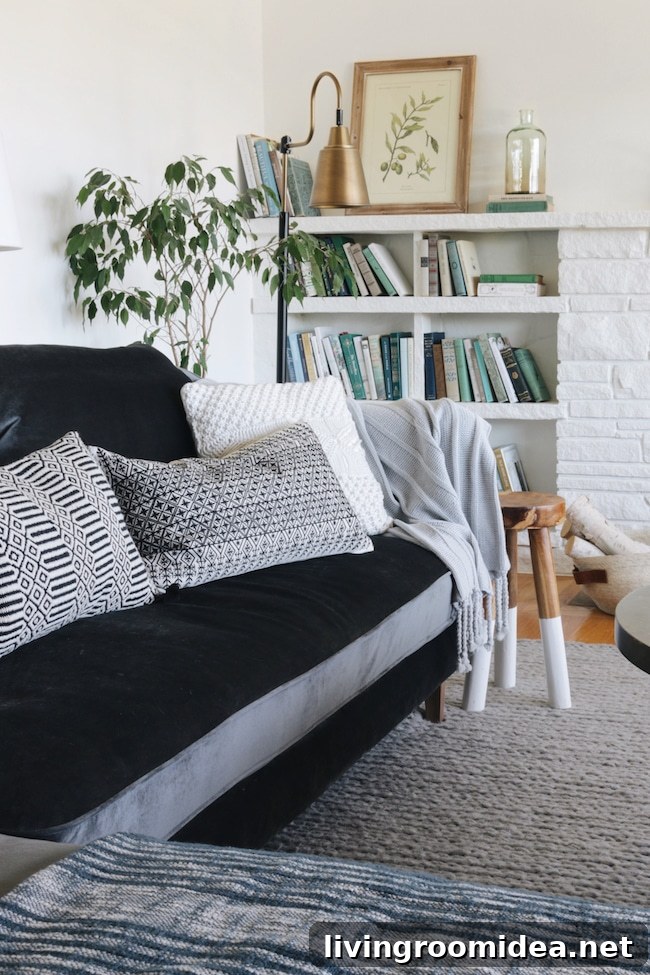
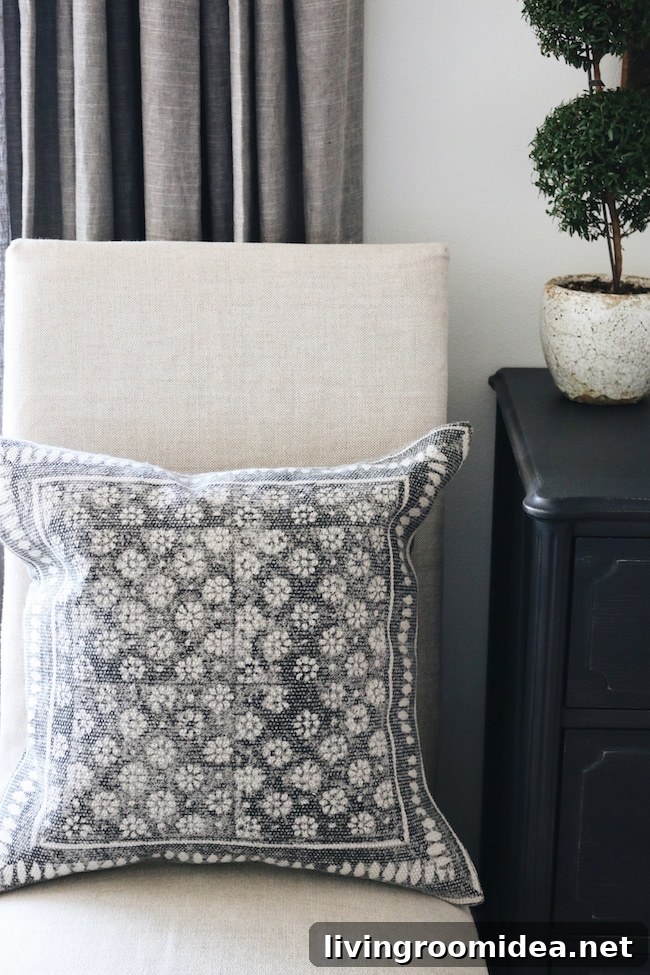
I recommend combining a range of patterns and materials that coordinate without competing. When I started looking for new textured pieces, I was drawn to a collection of pillows from Arhaus because of their craftsmanship and timeless designs. Quality pillows last for years, so I look for a substantial insert—down if possible—and a removable cover in a soft, durable fabric and classic pattern.
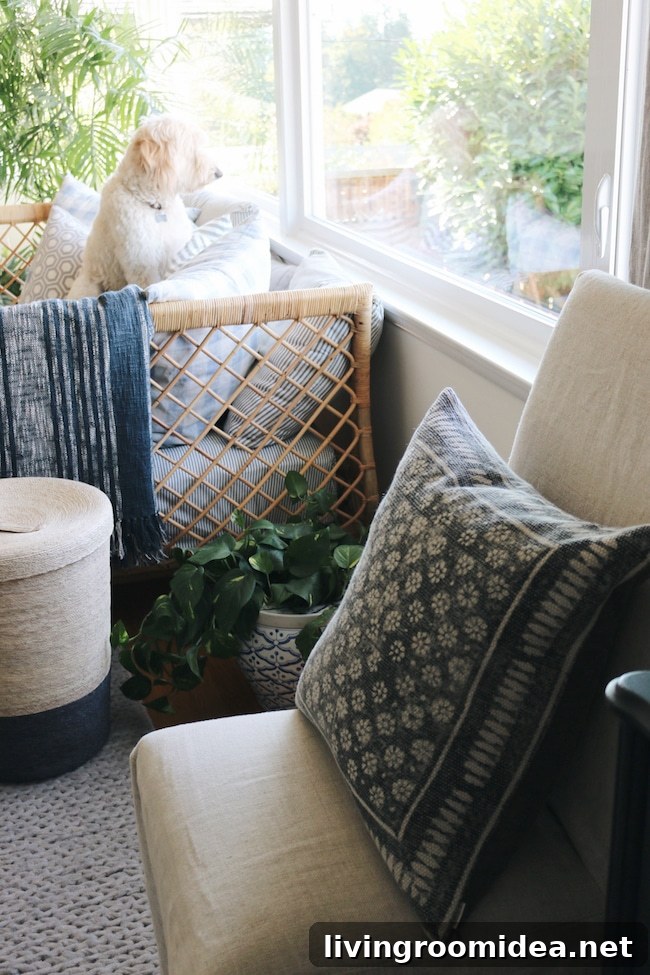
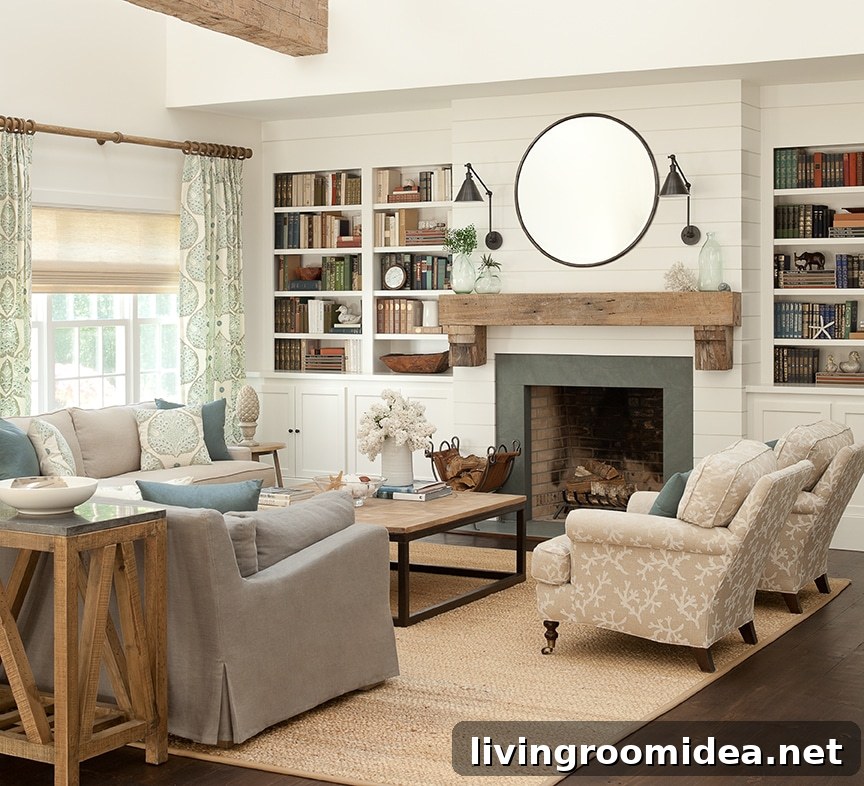
Think about pairing organic, unique and contrasting textures to create visual depth. In autumn I lean toward heavier, more tactile fabrics: chunky knits, nubby weaves, woven leather, and hand-finished details. Add these materials through pillows, throws, poufs, baskets and artwork. Aim for each accessory to have its own distinct texture so the eye can travel across the room.
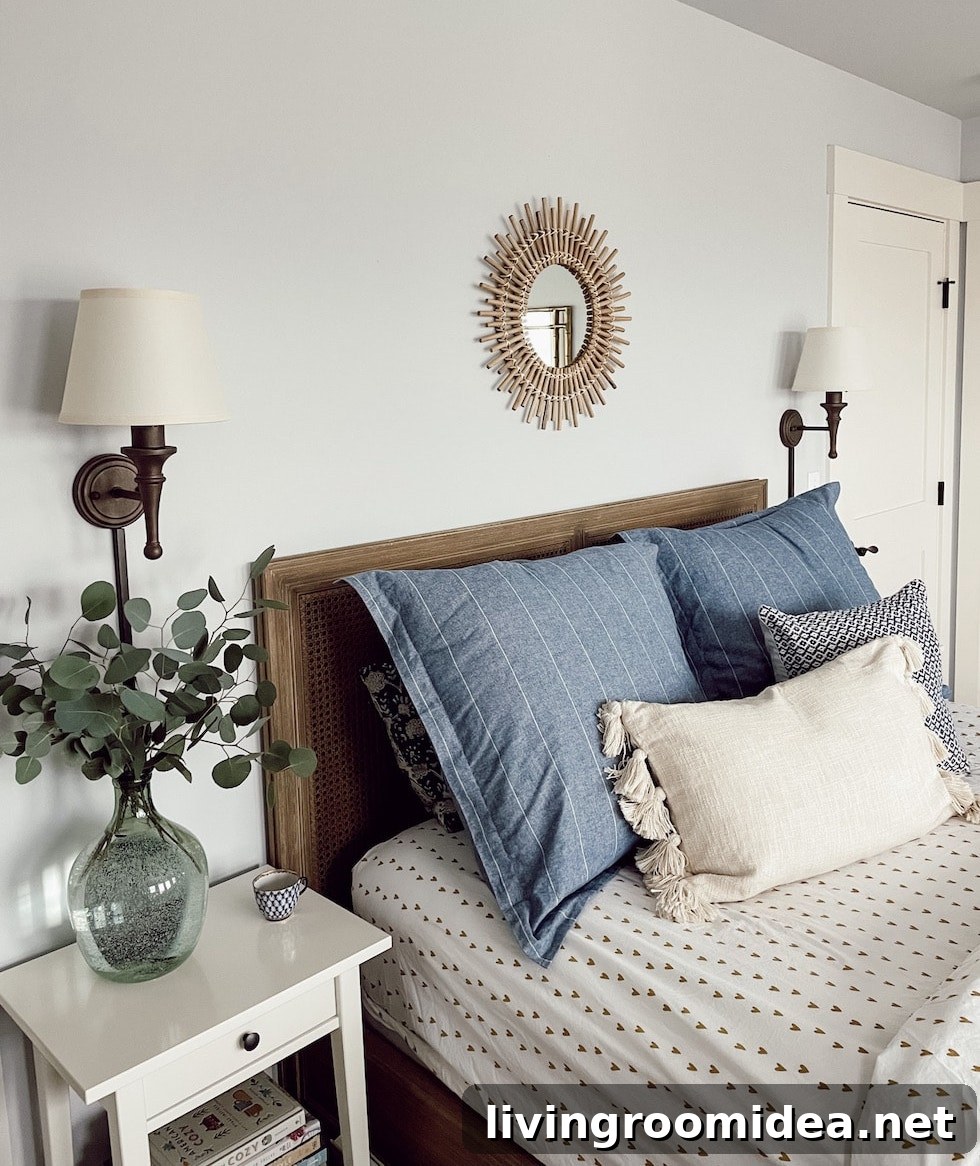
Small details amplify texture: tassels, visible stitching, fringe, or mixed patterns on a single piece make it feel artisanal and layered. These finishing touches turn ordinary items into focal points.
Color plays a role too. I’m drawn to organic palettes—muted blues, grays, greens, whites and blacks—paired with warm woods and matte metals. These hues let texture be the star while keeping the space calm and cohesive.
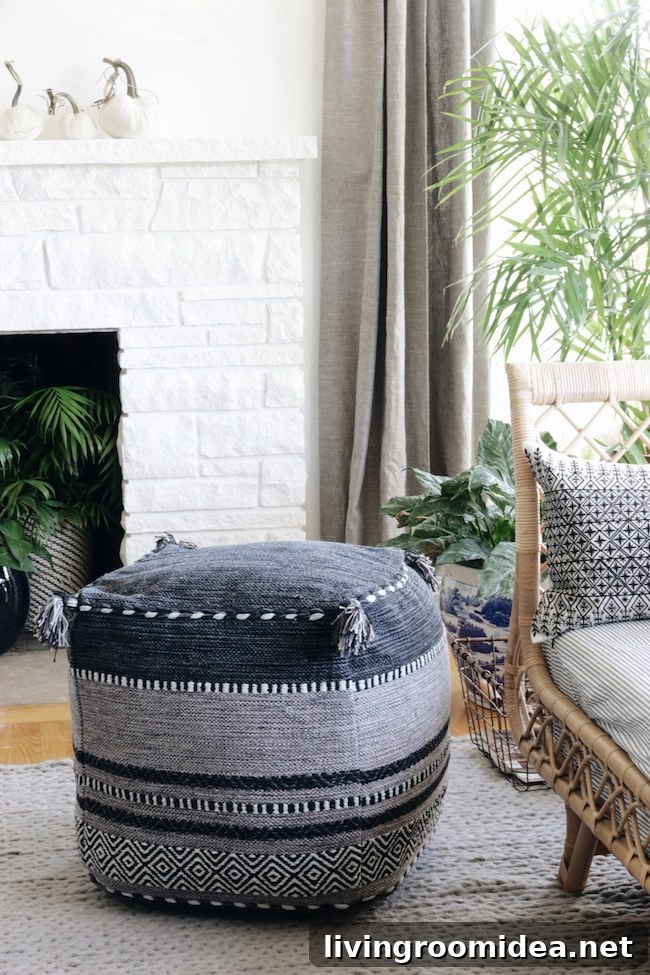
A pouf is a perfect example of utility and texture combined. This piece mixes patterns and finishes while remaining sturdy enough to sit on, rest your feet, or hold a stack of books beside the sofa. Small multifunctional pieces like this add comfort and practicality without clutter.
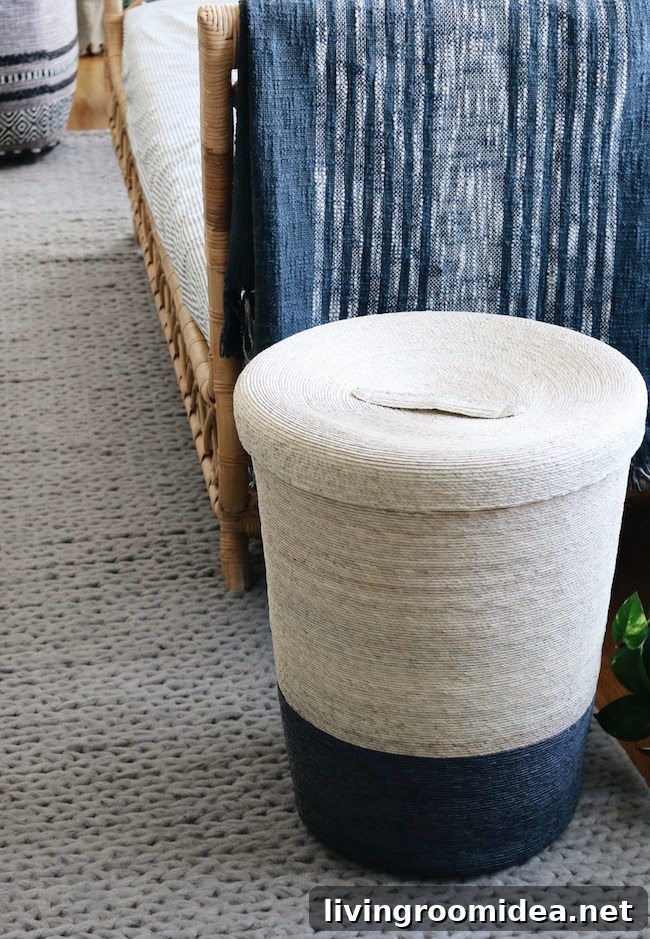
Baskets are another versatile textural element. A navy-striped dipped basket brings color, pattern and function all at once. Make sure the items you choose are inviting to touch—soft throws, woven baskets and tactile fabrics encourage you to engage with your home and make it feel lived-in.
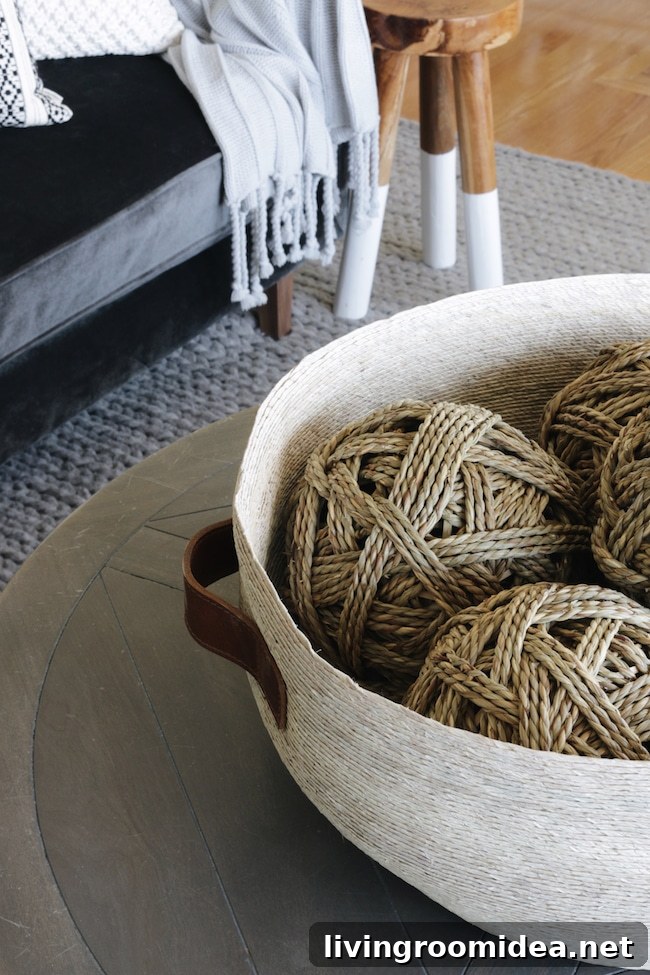
Accessories can be a textural feast. I love grouping organic rattan balls in a basket with leather handles for a simple, sculptural display. These small arrangements create interest without overwhelming the room.
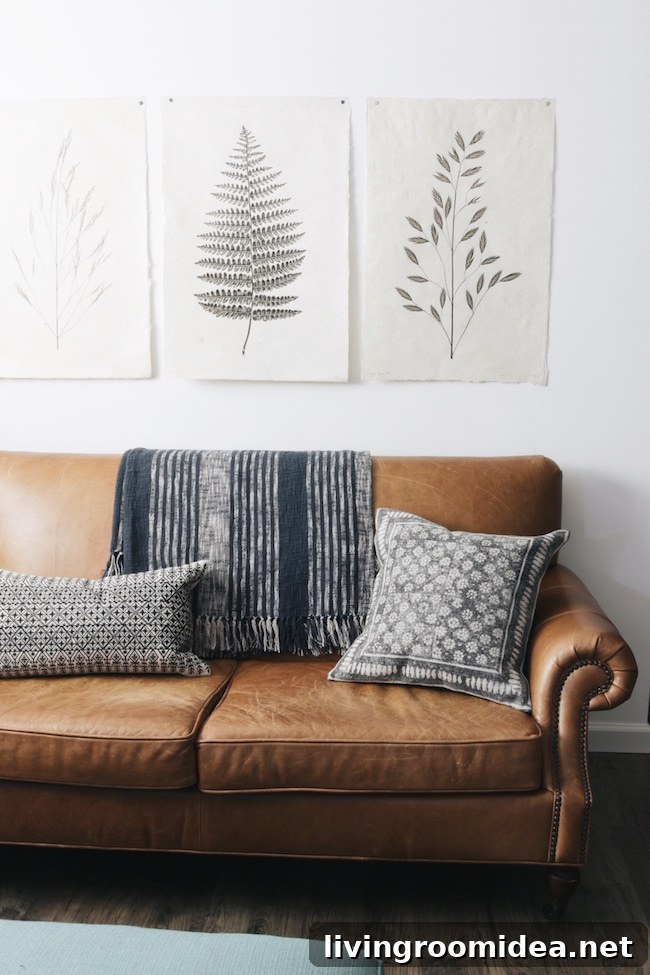
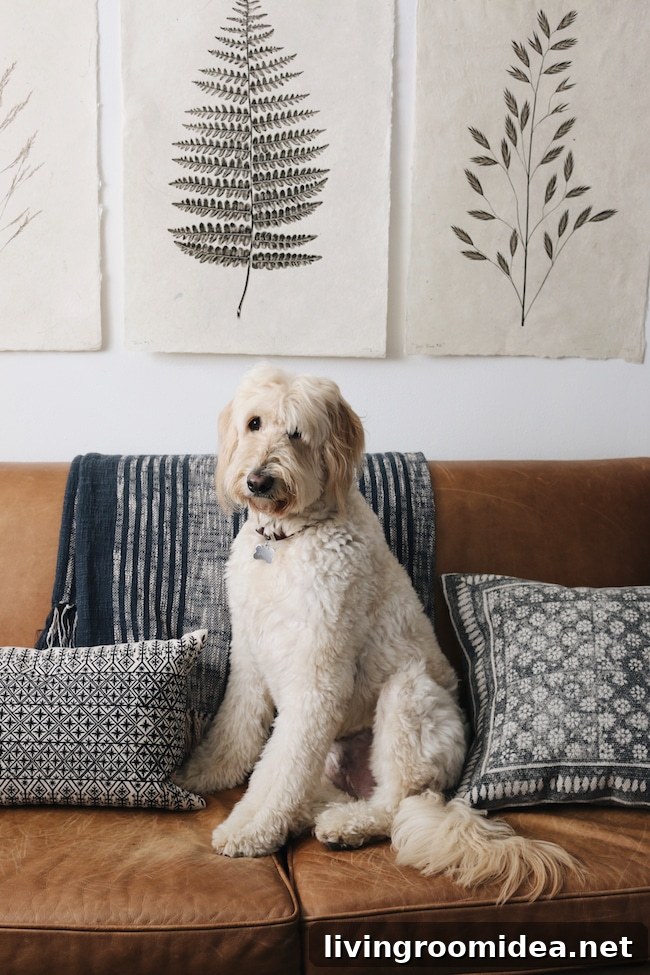
Artwork and wall hangings offer another opportunity to introduce texture. Botanical prints on handmade paper, for example, add subtle depth; the paper’s natural fibers create a soft, tactile surface so the piece reads beautifully without a frame. Such elements soften walls and calm a space while remaining understated.
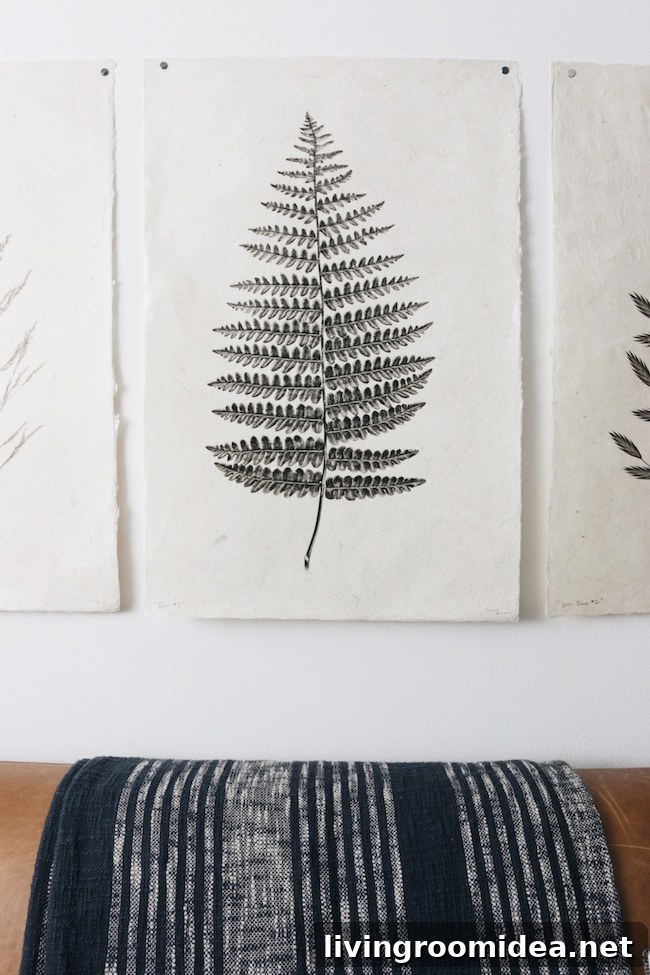
Texture can be bold or quiet. When used thoughtfully, it makes a room feel layered and comfortable without shouting for attention. The combination of materials—textiles, woven fibers, wood and metal—creates depth and warmth that lasts beyond a single season.
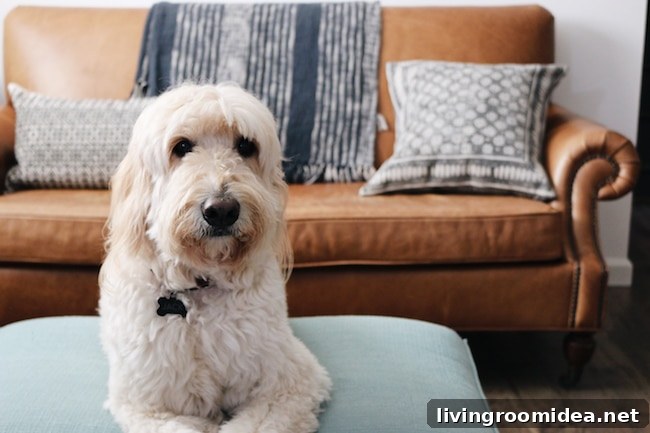
Even pets add texture and coziness—Jack thinks he contributes the best texture in any room, and he’s not wrong. Whether you have a furry companion or not, layering textiles and tactile objects will help the space feel just as welcoming.
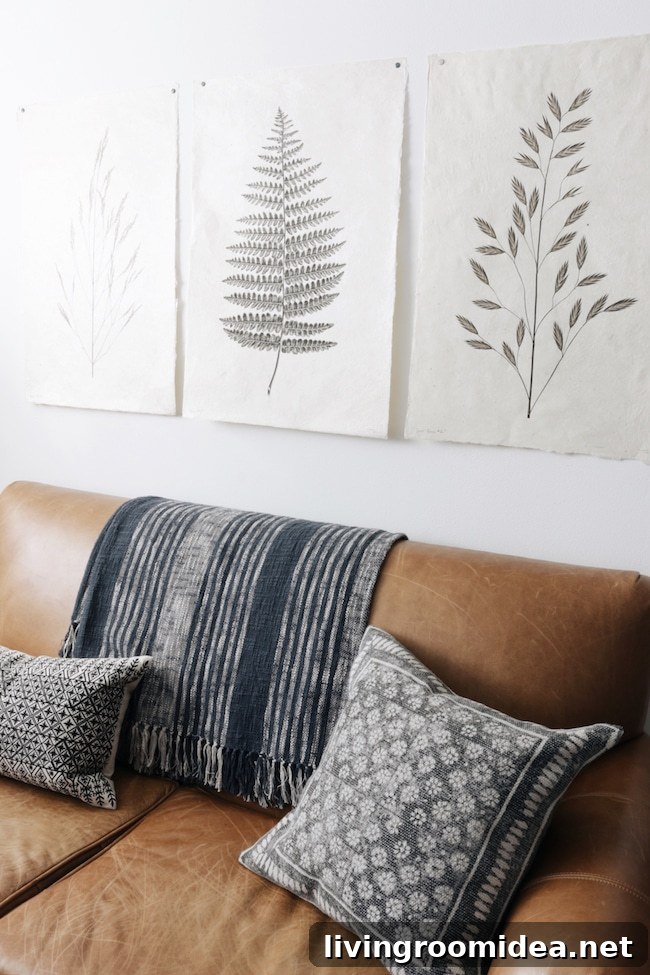
Below is a curated collage of items I found at Arhaus. Each piece stands on its own but also contributes to a cohesive, cozy atmosphere when combined.
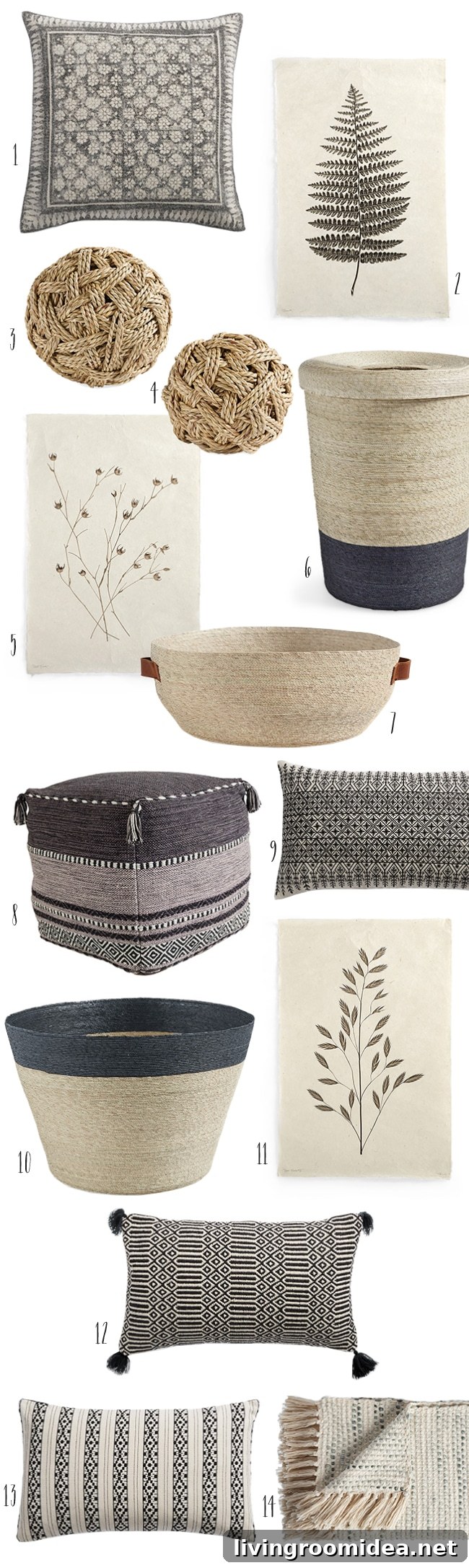
All items are from Arhaus
***** THIS GIVEAWAY IS NOW CLOSED *****
To enter to win a $500 gift card to Arhaus, comment below this post with one item you’d love to have.
Arhaus employees and their family members are not eligible. Giveaway ended Thursday, October 19th. Winner chosen at random.
This post was sponsored by Arhaus.