
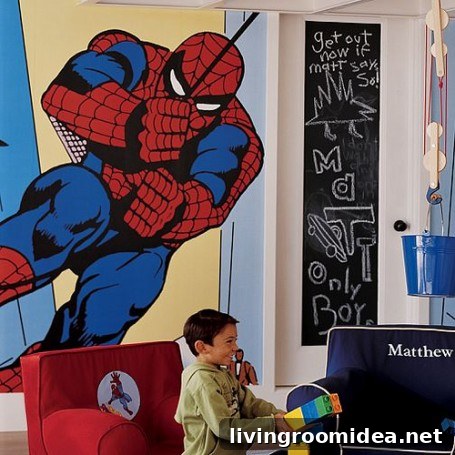
Disclaimer: Ugh. This photo above disturbs me. I’m not a fan of the giant Spiderman.
Decorating and organizing children’s rooms can be a real challenge. Boys’ rooms in particular often require flexible solutions because kids’ interests change rapidly. One month it’s superheroes, the next it’s dinosaurs. As a budget-conscious parent with three children, I can’t redecorate every time a new fad comes along. I also believe it’s important to teach kids to live responsibly and value what they already have, rather than always wanting something new. While a baby nursery is special, once children grow beyond infancy it makes sense to create spaces that will endure as their tastes evolve.
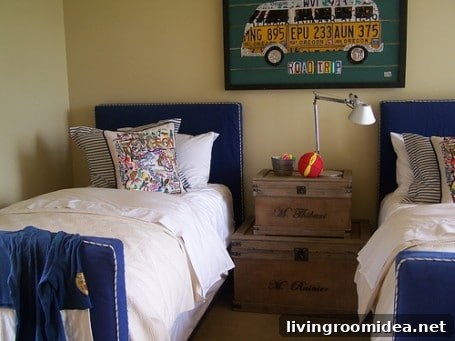
Below are practical tips I’ve used to create kids’ rooms that look good now and adapt easily over time, without breaking the bank.
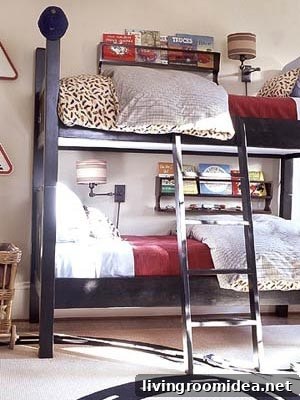
- Keep the room’s foundation neutral and timeless. Use the walls, larger furniture and flooring as a long-lasting backdrop, and add personality with items that are easy to change. Many character-themed bedding options are low quality; choose washable sheets you like and pair them with a durable classic comforter or quilt that will last.
- Pick a paint color you can live with for years unless you genuinely enjoy repainting. I avoid frequent painting, so I choose a hue that works long term.
- Provide plenty of shelving for displaying the things kids collect. They’ll create changing vignettes with toys and memorabilia—don’t hide everything in a box if it can be shown off on a shelf.
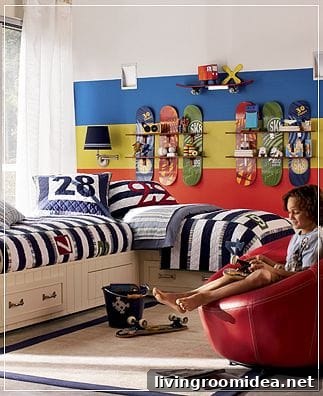
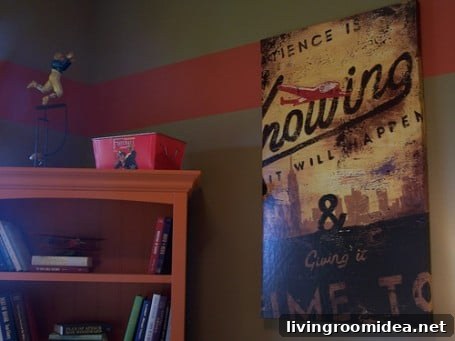
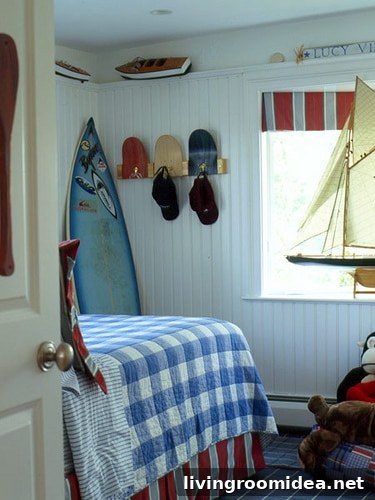
- Boys often outgrow “cute” decor faster than girls, so for boys’ rooms choose classic rugs, fabrics and bedding patterns to save money long term.
- Keep decoration simple. Kids already have colorful toys and artwork—adding too many extra items creates visual clutter. Use what they already own to decorate: hooks for hats, attractive toy displays, colorful bedding or curtains, and framed artwork.
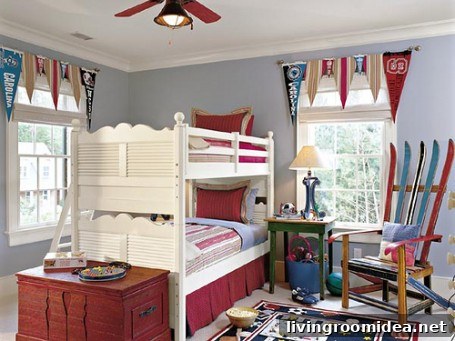
- Provide lots of places for children to display their drawings and art—backs of doors, bulletin boards, clips on walls or simple frames that make it easy to rotate pieces. Encouraging kids to create and display their work keeps them engaged.
- Chalkboards are versatile: kids can draw, practice lists, write reminders or leave notes for family members. Chalkboard paint can convert doors, furniture or walls into writable surfaces for schedules, school reminders or memory verses.
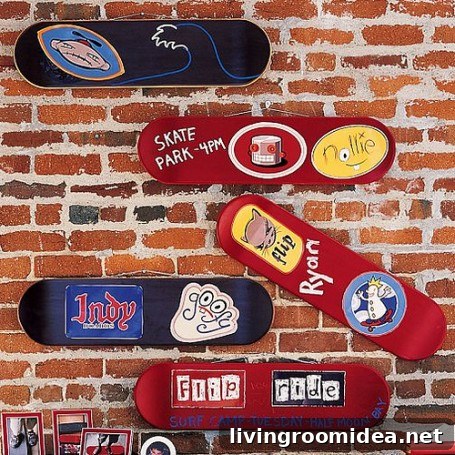
- Make organization child-friendly. Under-bed storage containers are a favorite—they’re labeled with practical, specific categories that children understand and can maintain. In our house bins are labeled WEAPONS, COSTUMES and TOOLS, so my son knows exactly where things belong. Filling the under-bed space with containers reduces clutter from stray toys and clothes.
- Closed or semi-closed storage bins are essential. Open shelving works for a few display items, but most toys should be hidden in bins or baskets to reduce visual mess.
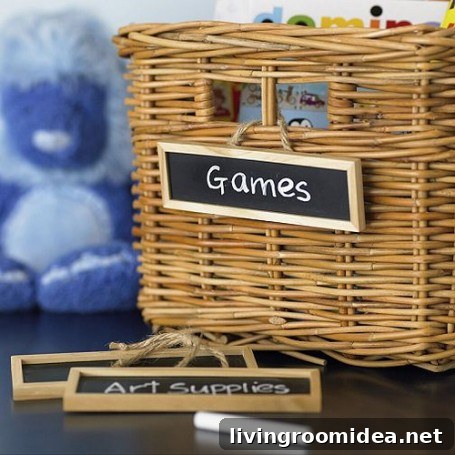
- Sort items into broad but specific categories and label bins accordingly. Labels like ACTION HEROES, LEGOS, CARS or ART SUPPLIES are more effective than a single TOYS label. Labels can be changed as interests evolve.
- Large toy chests are often better used for dress-up clothes or costumes rather than small toys, which can be harder to keep organized in a big box.
- If you enjoy hands-on projects, personalize select furniture pieces—desks, chests, chairs or lamps—to reflect a child’s personality. Murals can be meaningful but are a big commitment. Consider timeless patterns like stripes or nature motifs, or involve your child in a smaller painting project.
- Maximize vertical space with bookshelves near the bed to encourage reading and keep books tidy. Displaying books with covers out can double as decoration while promoting reading.
- Provide a good reading light by each bed and, where space allows, include an adult-sized chair and lamp for bedtime stories.
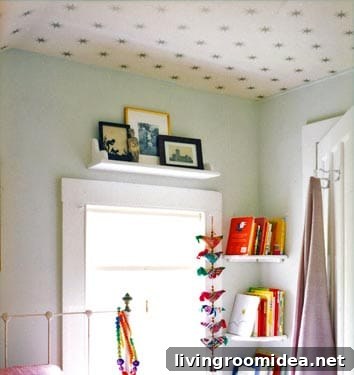
- Use small corner shelves to make every inch count. Shelving above doorways can showcase items you don’t want children handling—only if it’s safe and out of reach.
- Divide rooms into functional zones when possible: a dress-up area, a building set zone, an art corner. Clear zones help kids know where things belong.
- Establish simple cleaning routines. Once a place exists for everything, a daily 10-minute “cleaning frenzy” before dinner helps kids maintain their own spaces and keeps clutter in check.

RELATED ARTICLES BY THE INSPIRED ROOM:
NEED HELP GETTING STARTED WITH A ROOM DESIGN?
Room Design: Where to Begin (See a quick play room makeover!)
NEED MORE CHILDREN’S ROOM INSPIRATION?
The Superhero Exception
About a Boy and His Room
Girls’ Rooms: Fanciful Rugs and Lamps
Eye Candy: Girls Rooms
Whimsical and Tasteful Children’s Rooms
WHERE TO FIND BEDDING, ROOM DECOR and MORE INSPIRATION:
Boy’s Bedding @ Horchow
Boys’ Rooms @ Garnet Hill
Girl’s Bedding @ Horchow
Girls’ Rooms @ Garnet Hill
Children’s rugs, wall art and furniture; children’s bedding and accessories are widely available through specialty retailers and catalog sources.