
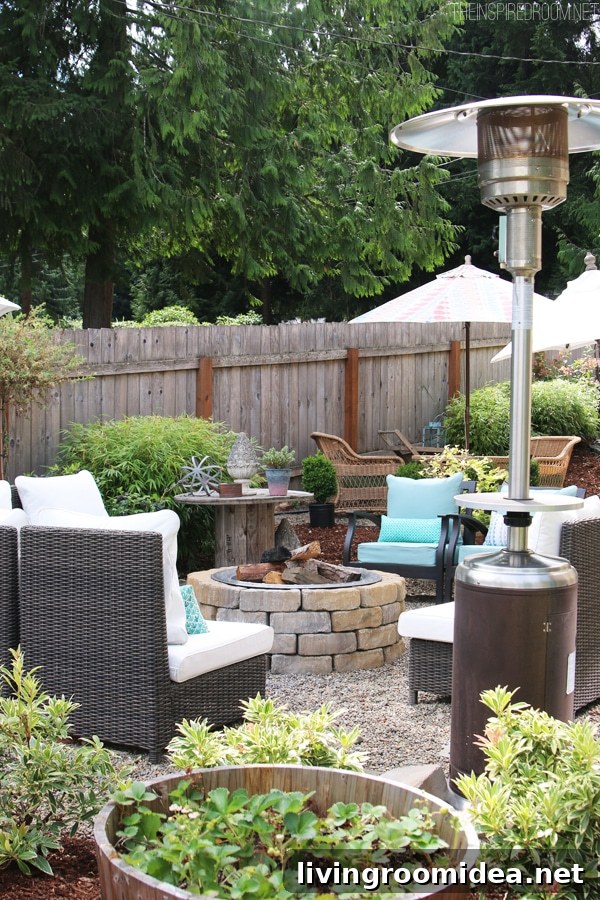
If you’re just returning from summer break to the blog world, here’s an update: our family recently moved and we’ve been settling into our new home in Seattle while getting our son started at his new school. We’re thrilled to be here, though the logistics of moving have been a challenge. If you want the backstory on why we moved, our moving day, and the house-hunting process, those posts cover the details.
Next week I’ll share a short video tour of the new house — I’m excited to show you the rooms and the projects we have planned. But before that, I wanted to share a project I promised earlier this summer from our previous home: our backyard makeover. When we first moved into that house the backyard was a blank slate — new construction with no landscaping, trees, planting beds, patios, or walkways.
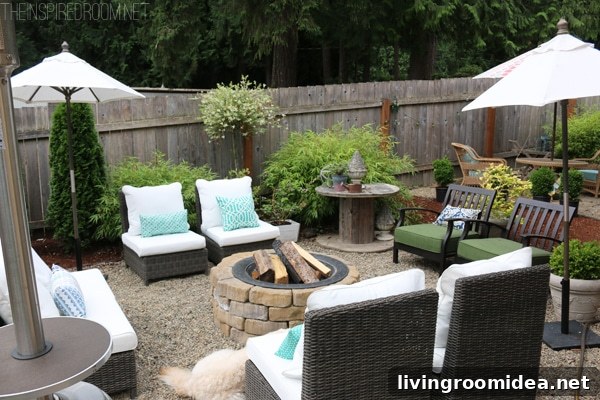
Gradually, layer by layer, we added the missing elements. The yard wasn’t completely finished — there were still plants to add and rocks to finish lining the gravel patios and walkways — but the progress revealed the original vision and how far it had come. I took a few quick photos before we moved so you could see the result.
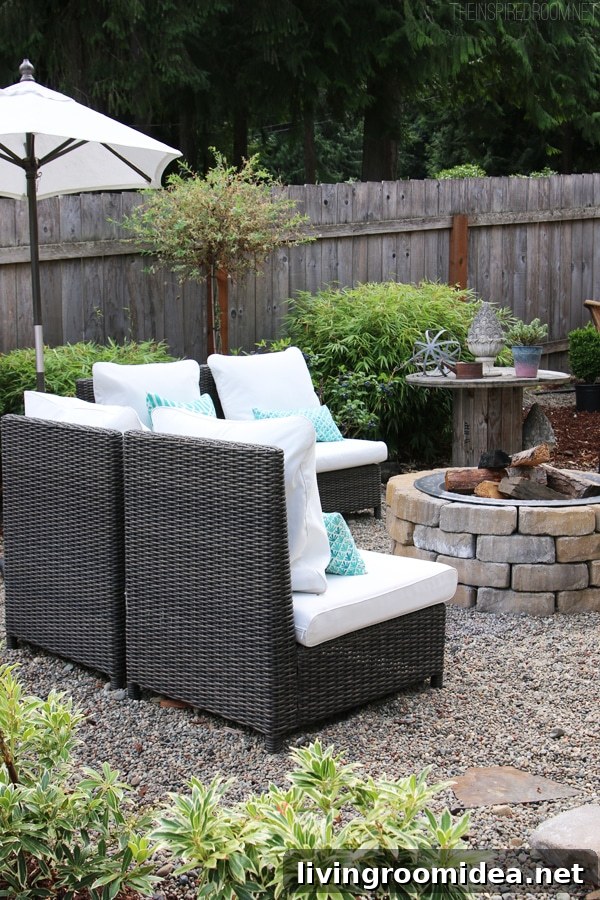
When we moved in, only the neighbor’s fence lined the back; the rest of the yard wasn’t fenced. After our son Jack joined our family, we fenced the entire backyard for his safety and enjoyment. That fence became our starting point — it defined the borders and provided a backdrop for plants and outdoor furnishings.
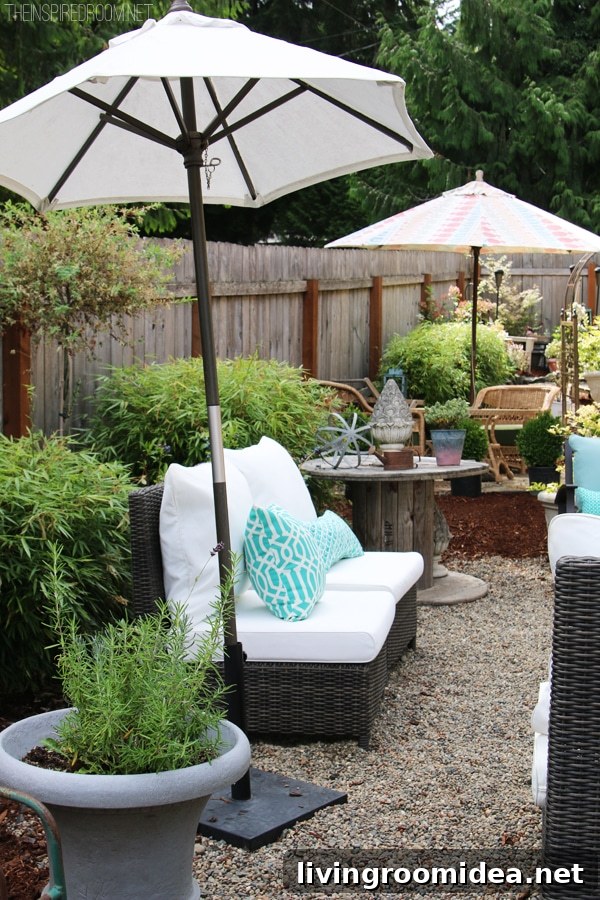
Our main goal was to divide the outdoor space into distinct zones. The open expanse initially felt overwhelming, even though the yard wasn’t large. With nothing to begin with, it’s hard to know where to start. The first major zone was a central pea-gravel patio designed for a firepit and seating. From that anchor point we added paths of pea gravel and flagstone leading to a secret garden, vegetable and herb beds, a dining area, and a spot for the grill.
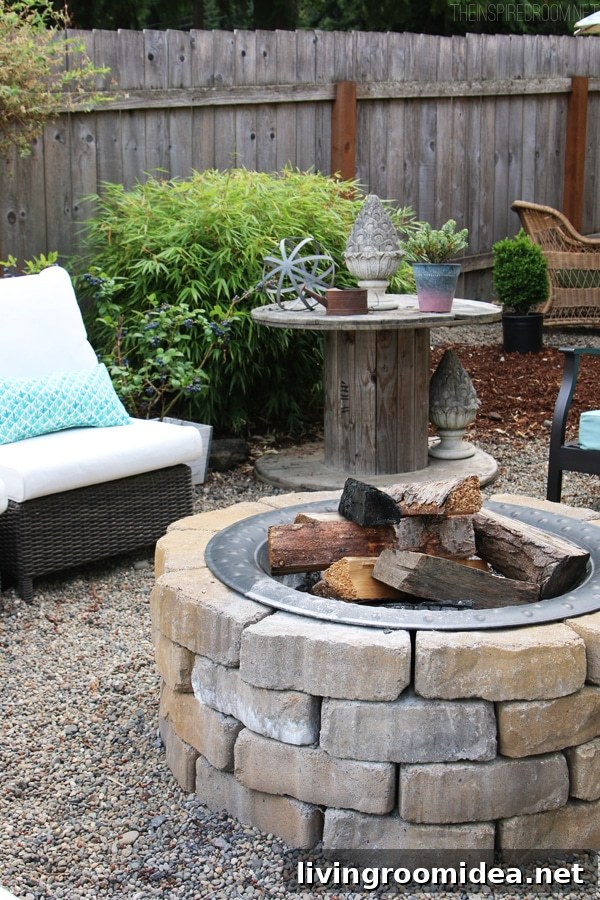
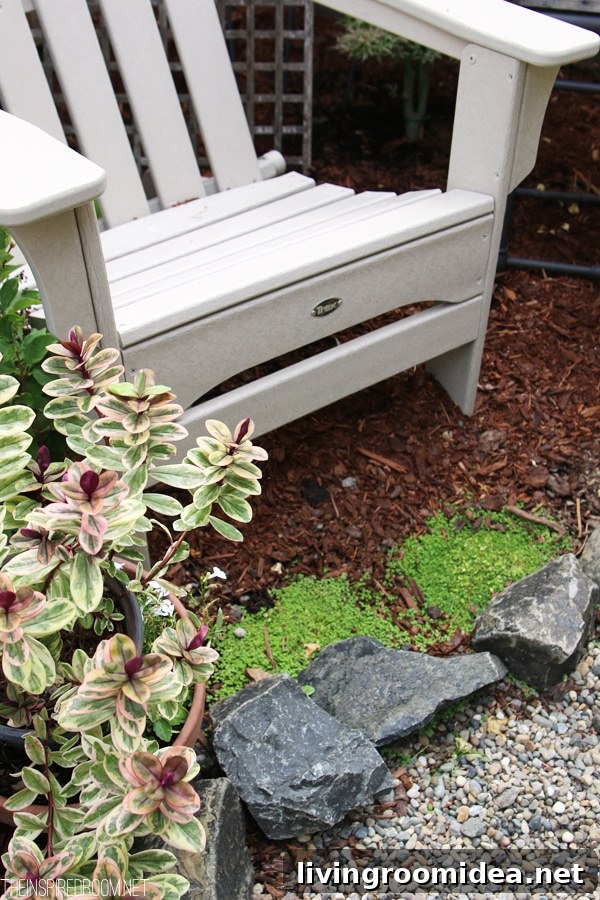
The pea-gravel patio was a big step — once it was in place, creating additional defined areas became much easier. We shared some progress updates while building it, and watching the space evolve was rewarding. We also added non-permanent decorative elements — antique metal trellises, plant stands, pots, and outdoor furniture — most of which we were able to move to our new house.
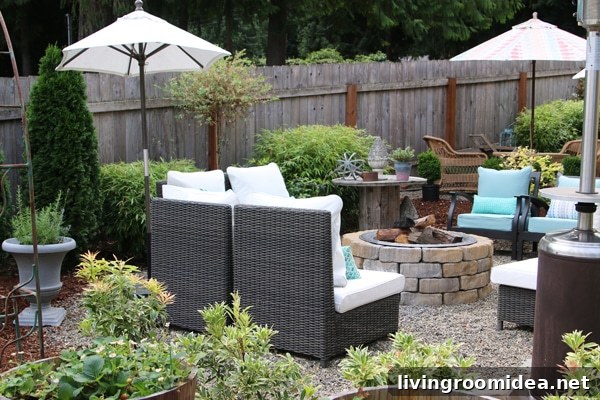
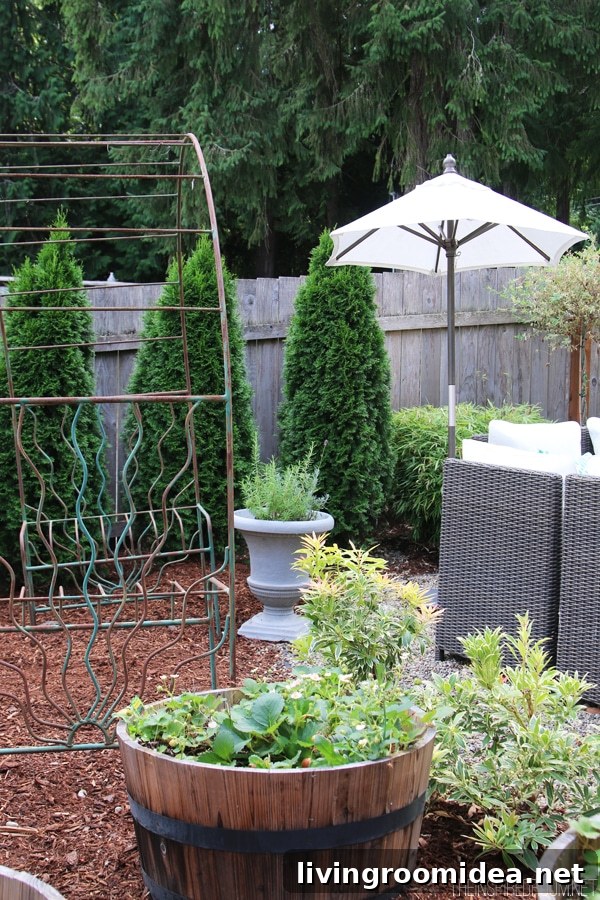
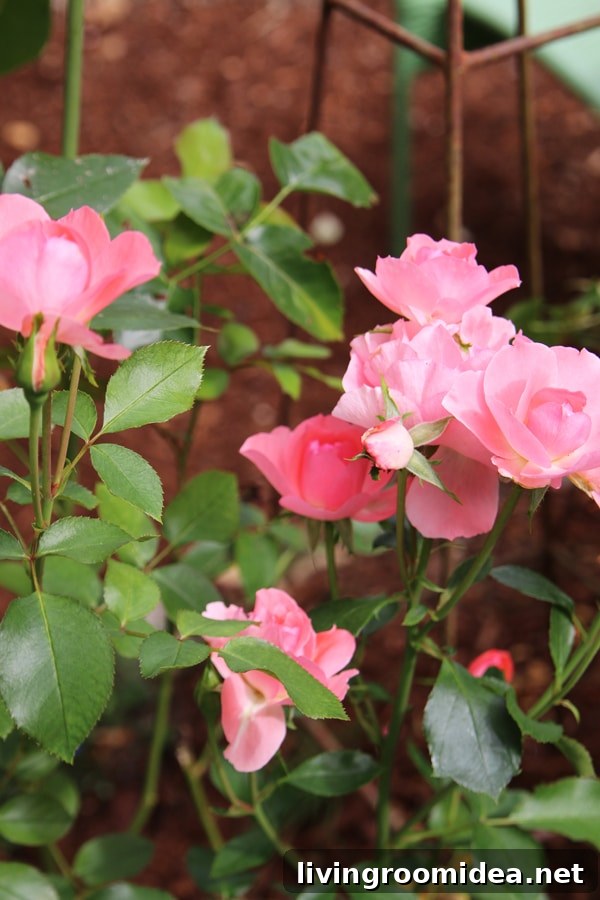
Leaving the established plants was the hardest part. We had planted fruit trees, roses, hydrangeas and many flowering shrubs — it felt like leaving behind little members of the family. Fortunately, our new yard already has established planting, so we won’t be starting completely from scratch this time. You’ll see that yard soon.
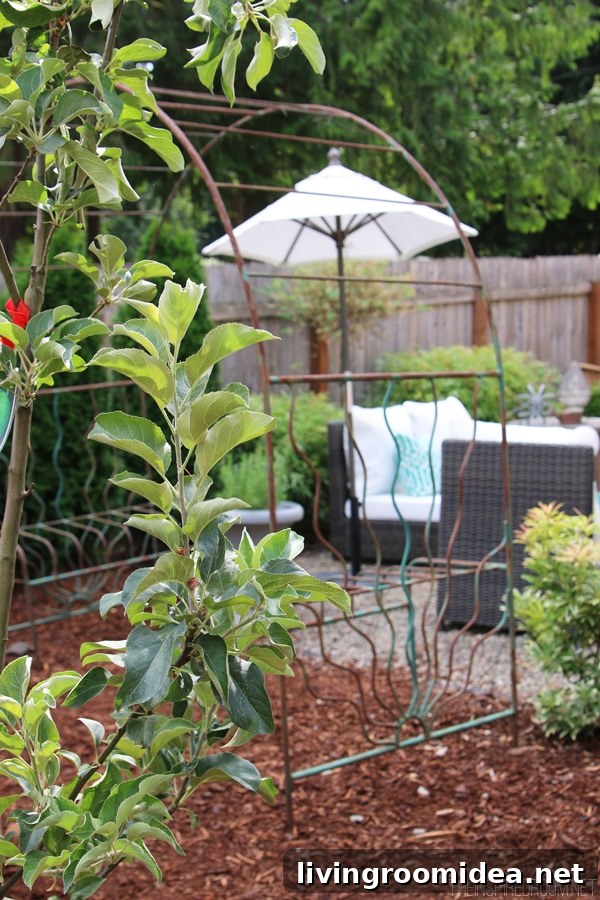
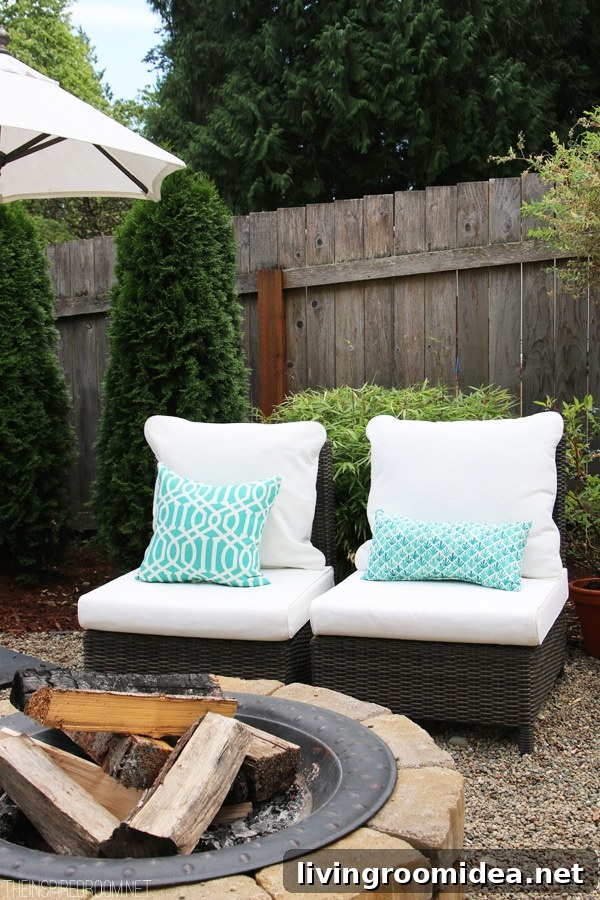
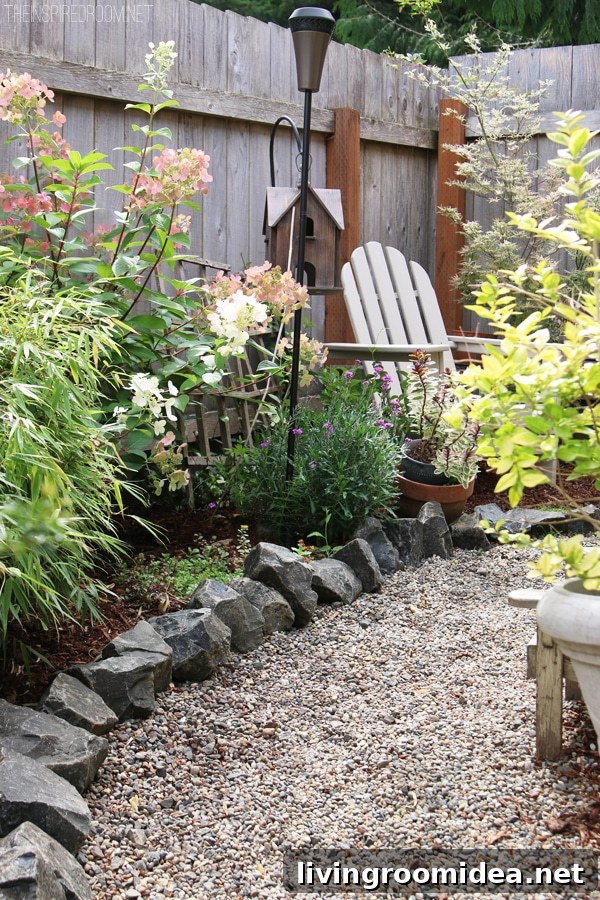
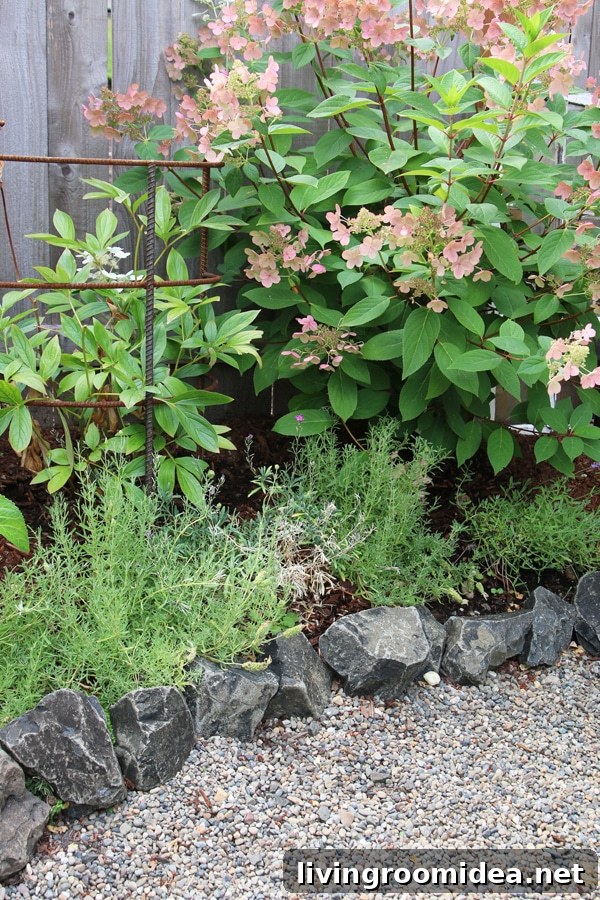
I especially loved creating a small “secret garden” filled with scented plants; when it bloomed it smelled heavenly. Though it was still establishing, it came to life over the season and became a favorite corner. I often carried my coffee out to sit among the flowers and breathe in the fragrances.
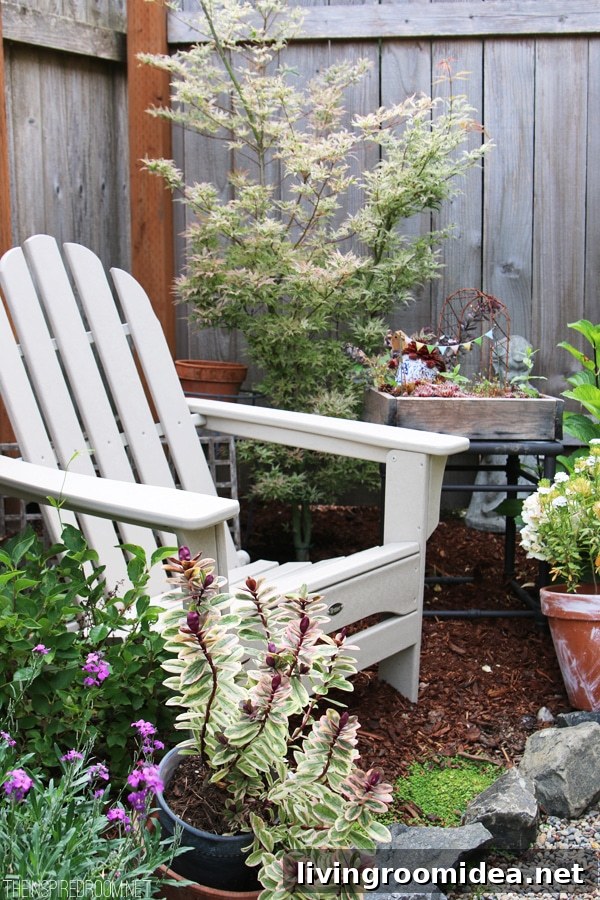
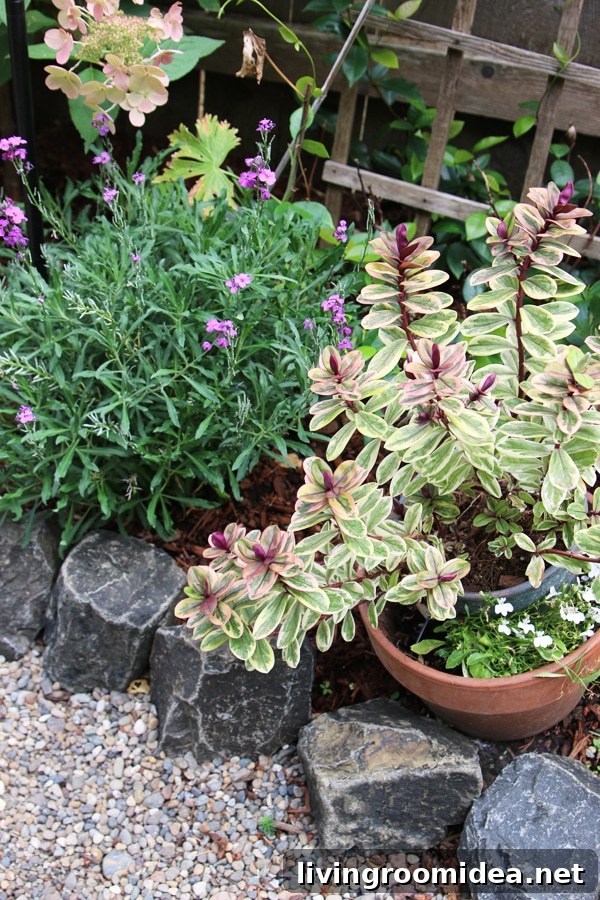
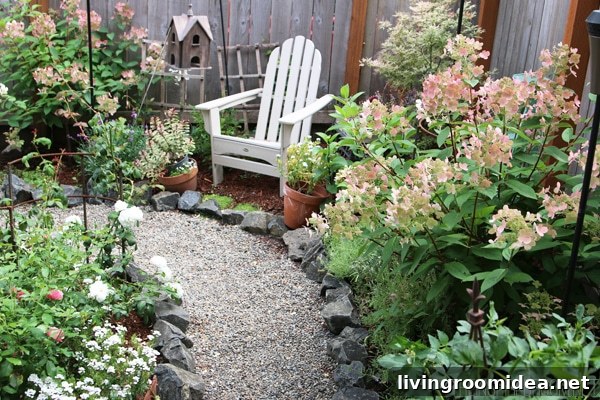
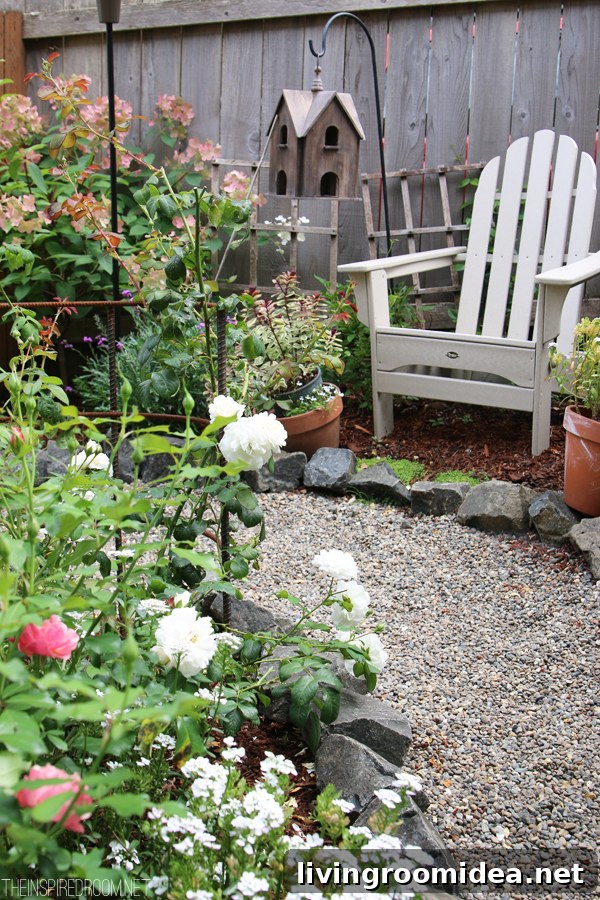
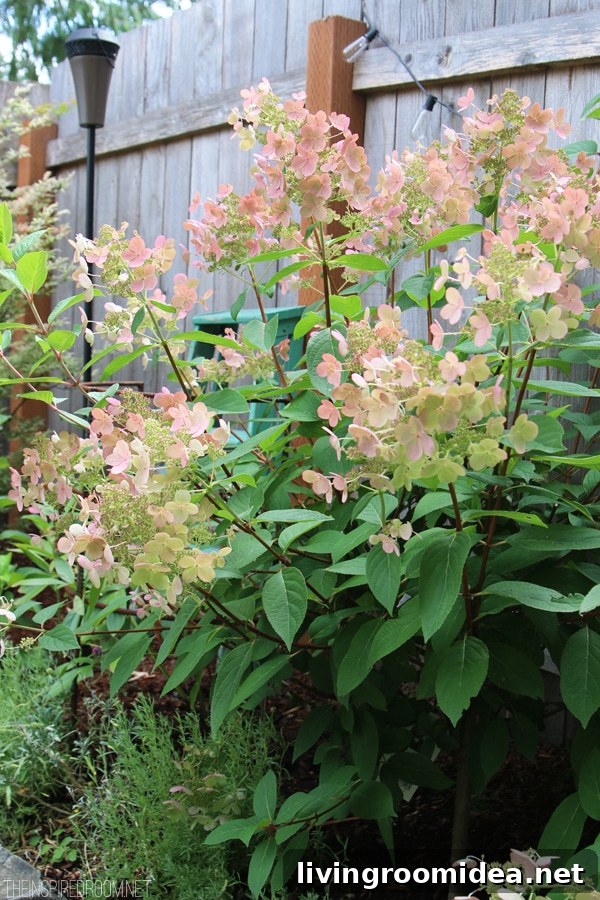
Those hydrangea trees grew quickly — I bought them small at Costco a few years earlier and enjoyed watching them become established and fill out the yard.
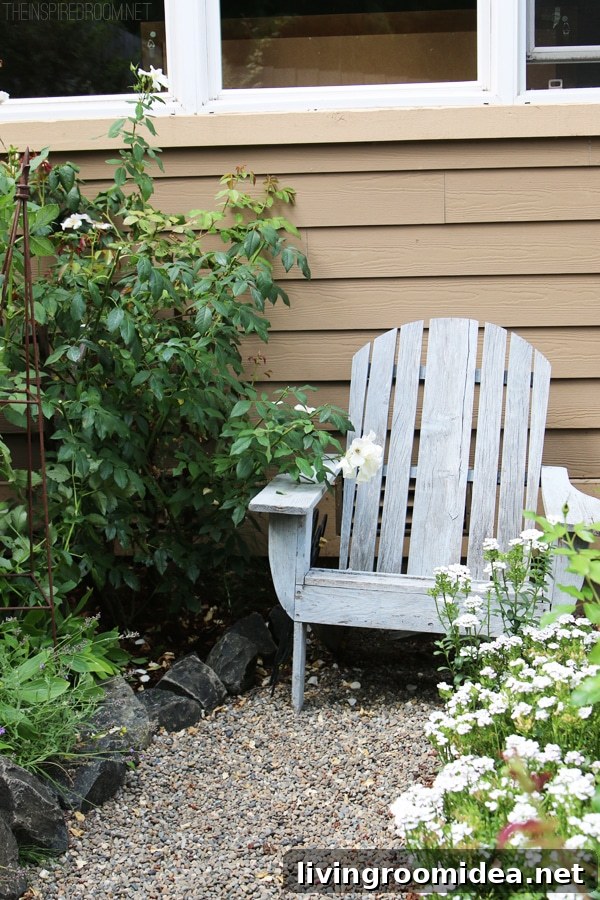
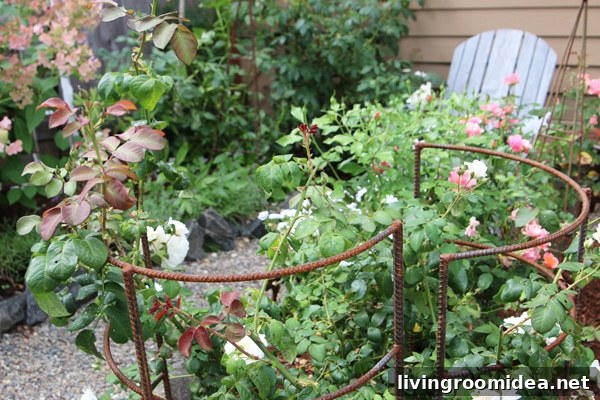
I loved the roses for their scent and for having fresh-cut flowers for bouquets. A cement table near the fire pit usually overflowed with potted herbs and flowers; by moving time it was mostly empty, but it still showed the flagstone border that frames the pea-gravel patio. We liked the natural, slightly untamed charm of pea gravel combined with flagstone.
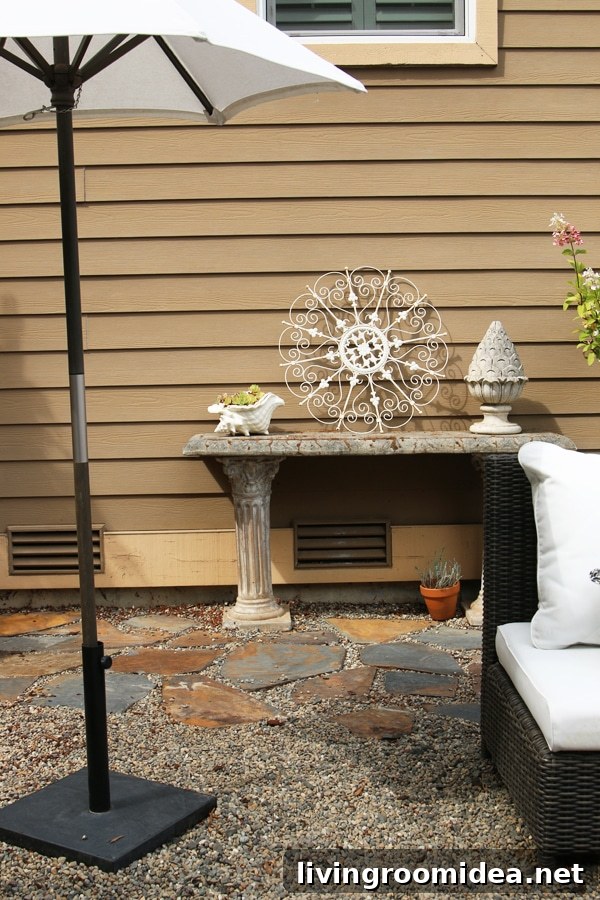
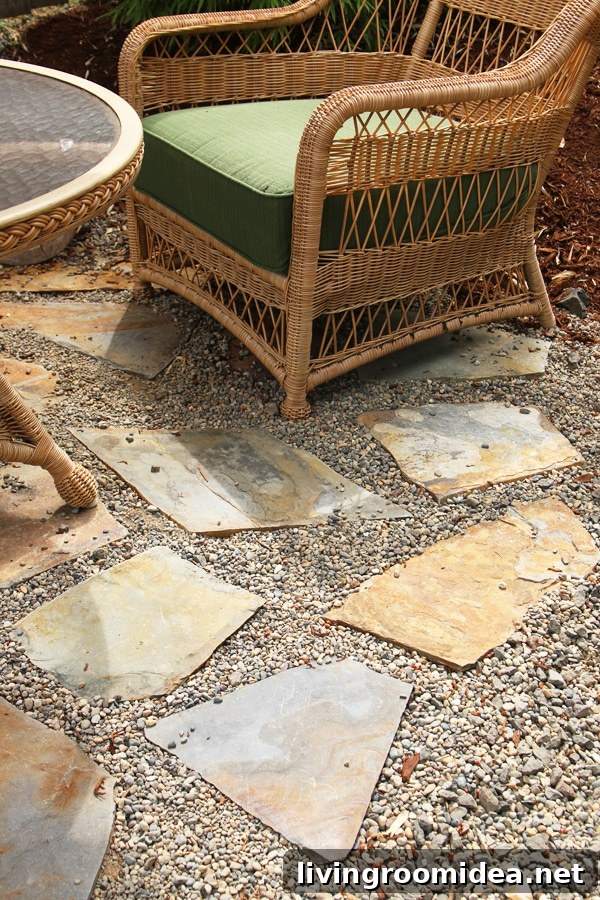
My son even helped lay flagstone into the pea gravel — it was meaningful to work together as a family on the yard and see it take shape.
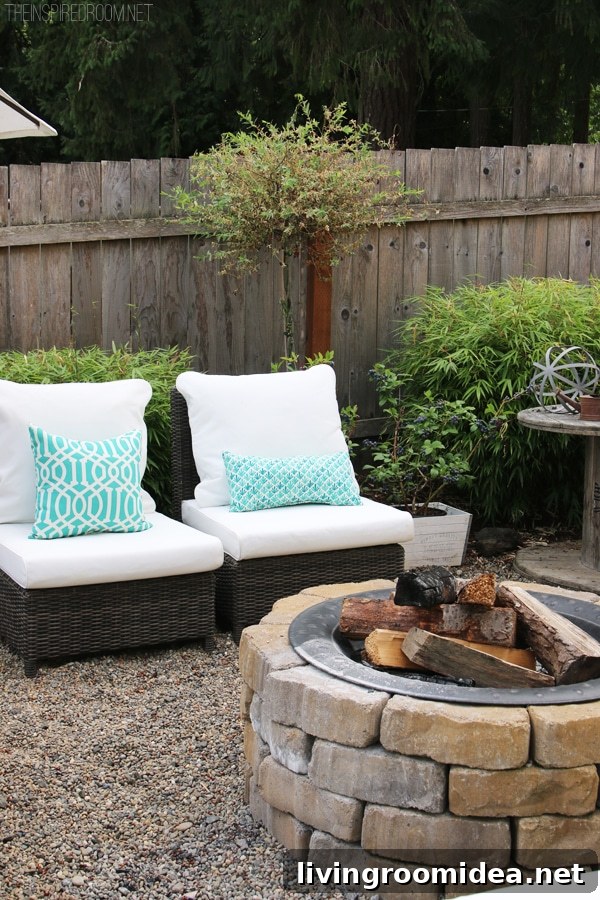
We enjoyed several summer evenings around the fire pit, making s’mores and memories. As the season ended, we felt grateful for the time we had in that pretty backyard.
And now, onward to new backyard adventures!
PS. I also shared a back deck makeover from the same yard in an earlier post.
Related Posts:
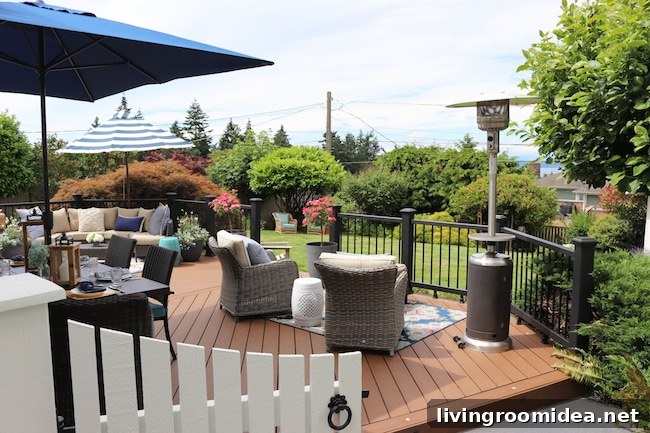
Come Tour Our Trex Deck Backyard Makeover at our Seattle house!
How to Design a Backyard (4 Essential Zones)
Four Lovely Outdoor Rooms (Takeaway Tips)