
A house doesn’t become a home in a day (unless you’re watching a makeover show—then it’s magically finished in about 30 minutes). In reality, the rooms we admire in magazines or online usually took months or years to refine, often with help from designers and lots of edits along the way.
If your home still feels unfinished, cold, or not quite like you, here are simple, practical elements that often make the biggest difference. These are small investments and thoughtful choices you can add over time to create a comfortable, cohesive space.
Furnishing and styling a room can feel overwhelming, but you don’t need to do everything at once. Build your home in layers: start with the essentials, stay within your budget, accept a little trial and error, and give yourself permission to evolve your style gradually.
Enjoy the process—making a home should be a gradual, rewarding journey.
Full Curtain Panels
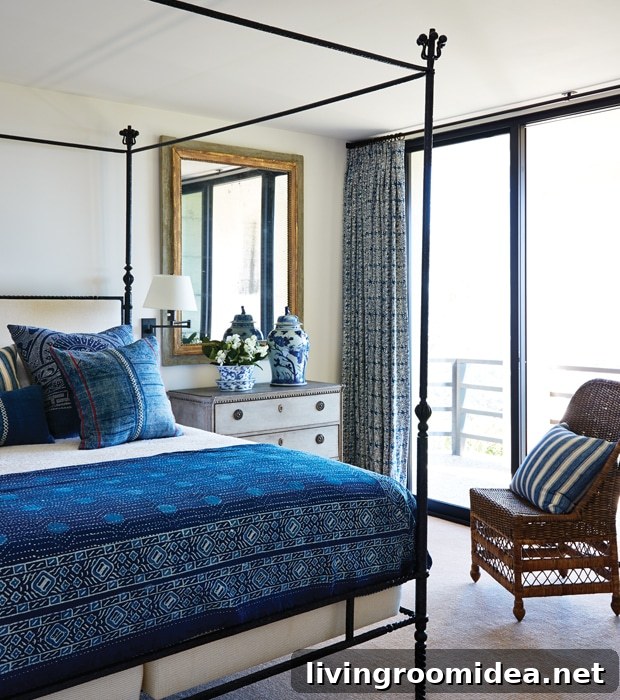
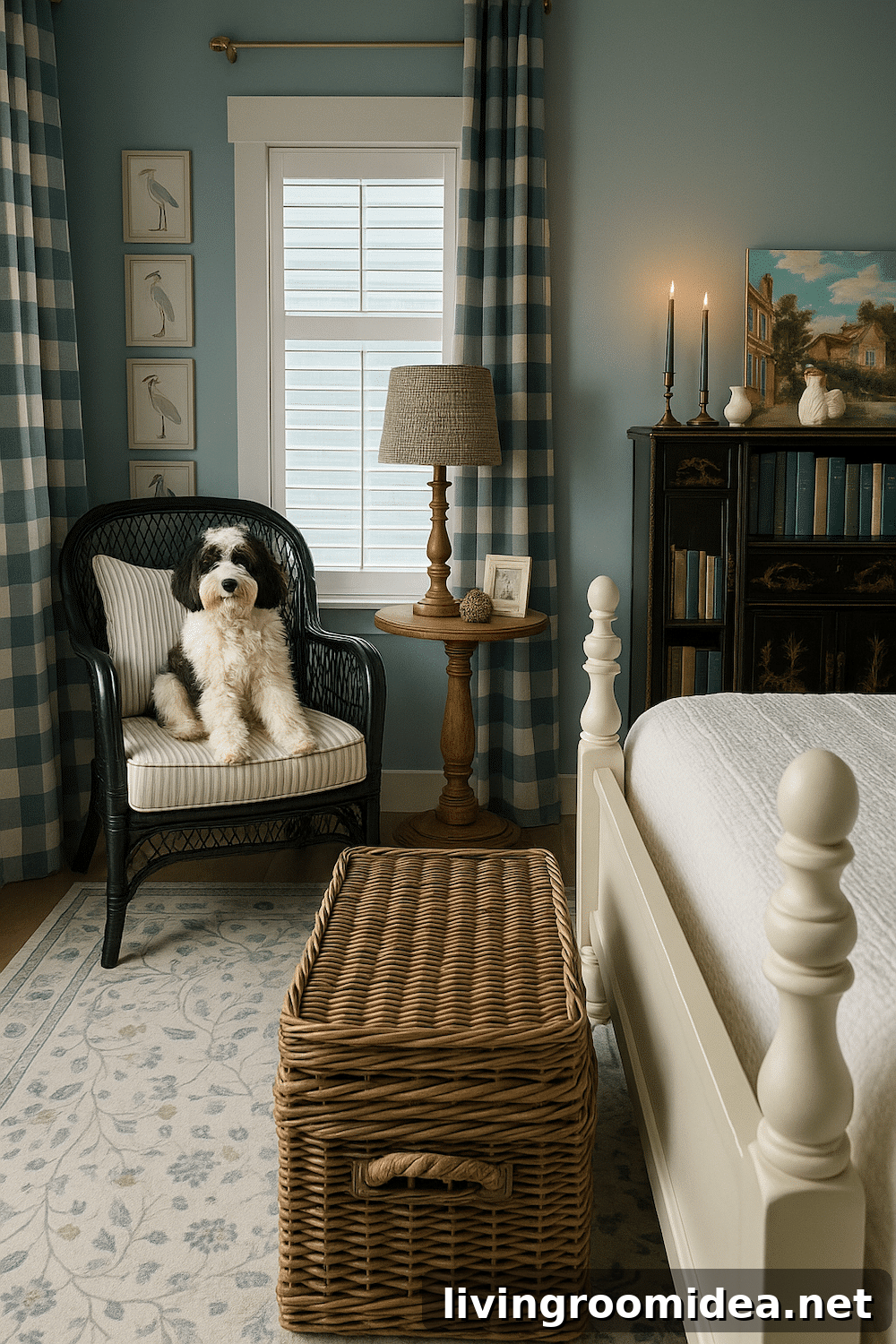
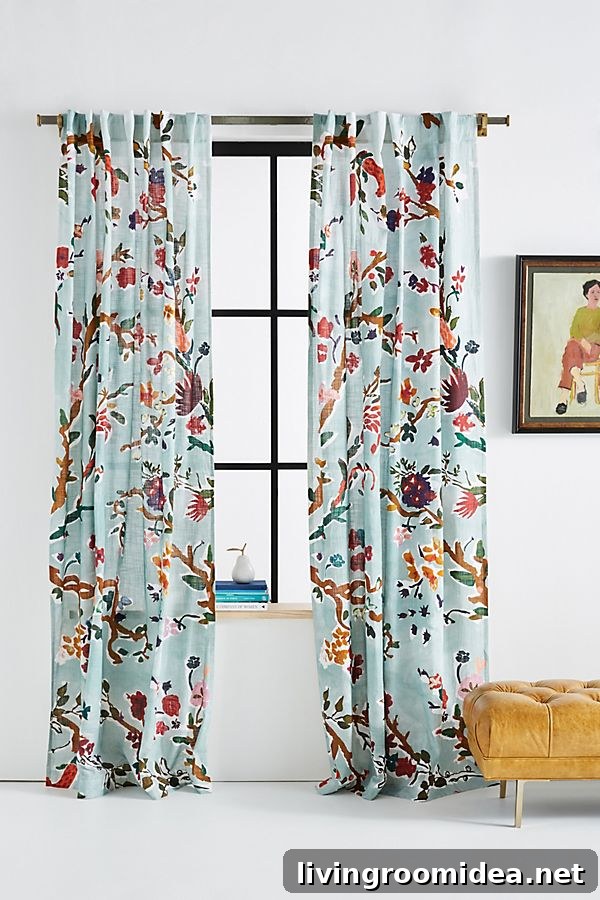
If rooms feel cold or sparse, curtains are an instant way to add warmth and softness. Choose wide, full panels rather than thin or narrow ones—lightweight store-bought curtains can be doubled up to achieve a fuller look. Hang them high and wide when possible to make windows and ceilings feel larger.
Conversation Areas
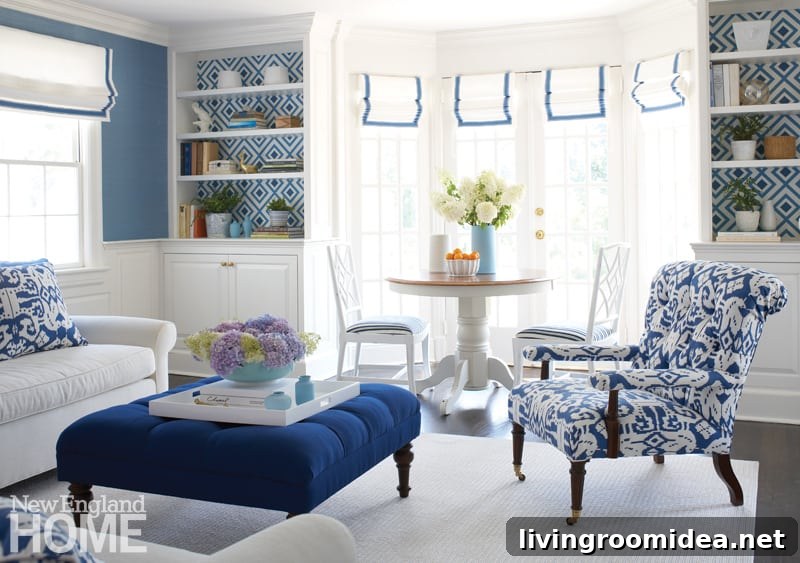
Arrange furniture so people can talk comfortably. Avoid pushing seating to the far edges of a room; bring pieces closer together to create intimate conversation zones. Position side and coffee tables within reach and add lamps nearby so the space remains inviting after dark. If you’re starting from scratch, invest first in a comfortable sofa or a dining set—then layer in rugs, lighting, side tables, and accessories over time.
A Cohesive Color Palette
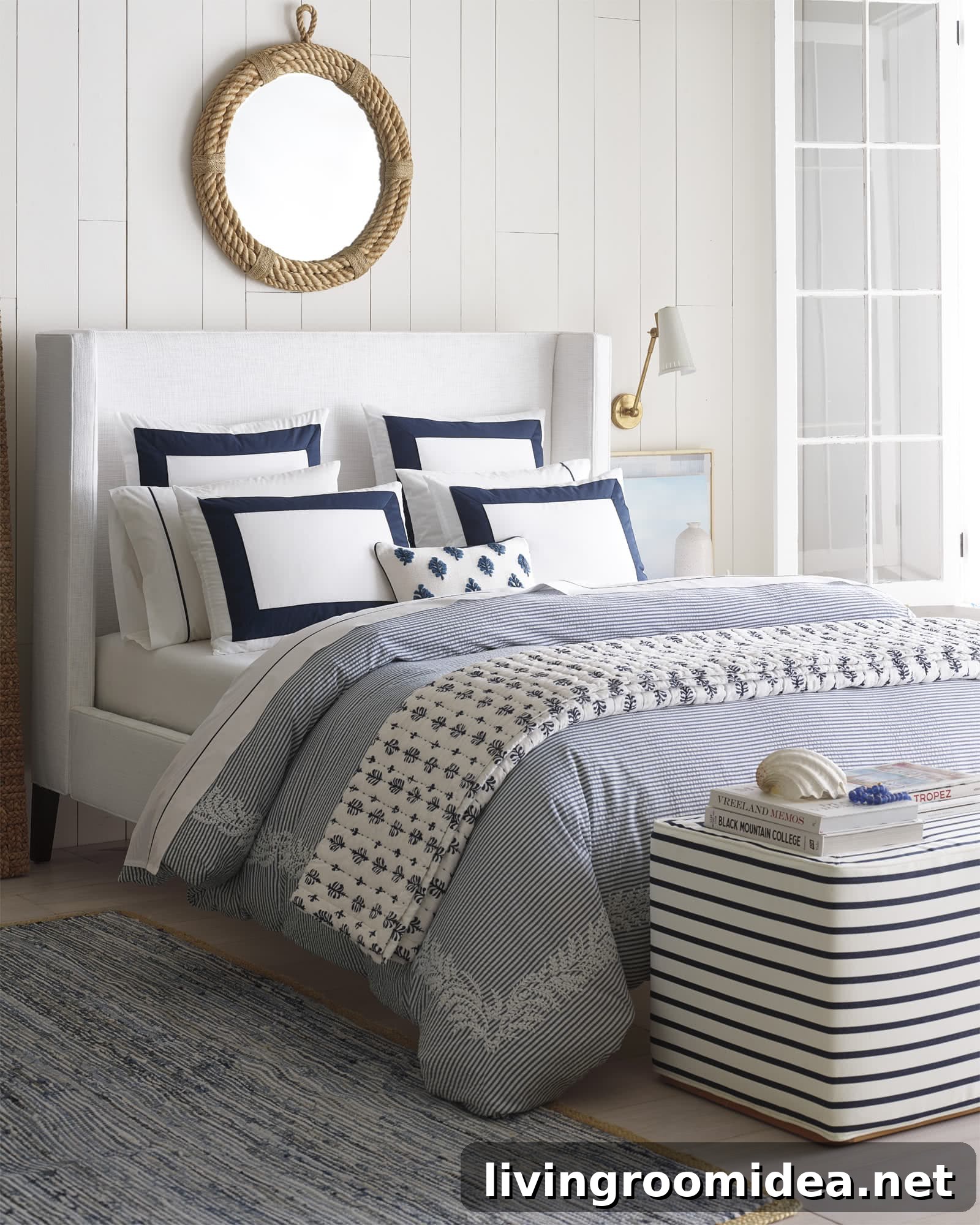
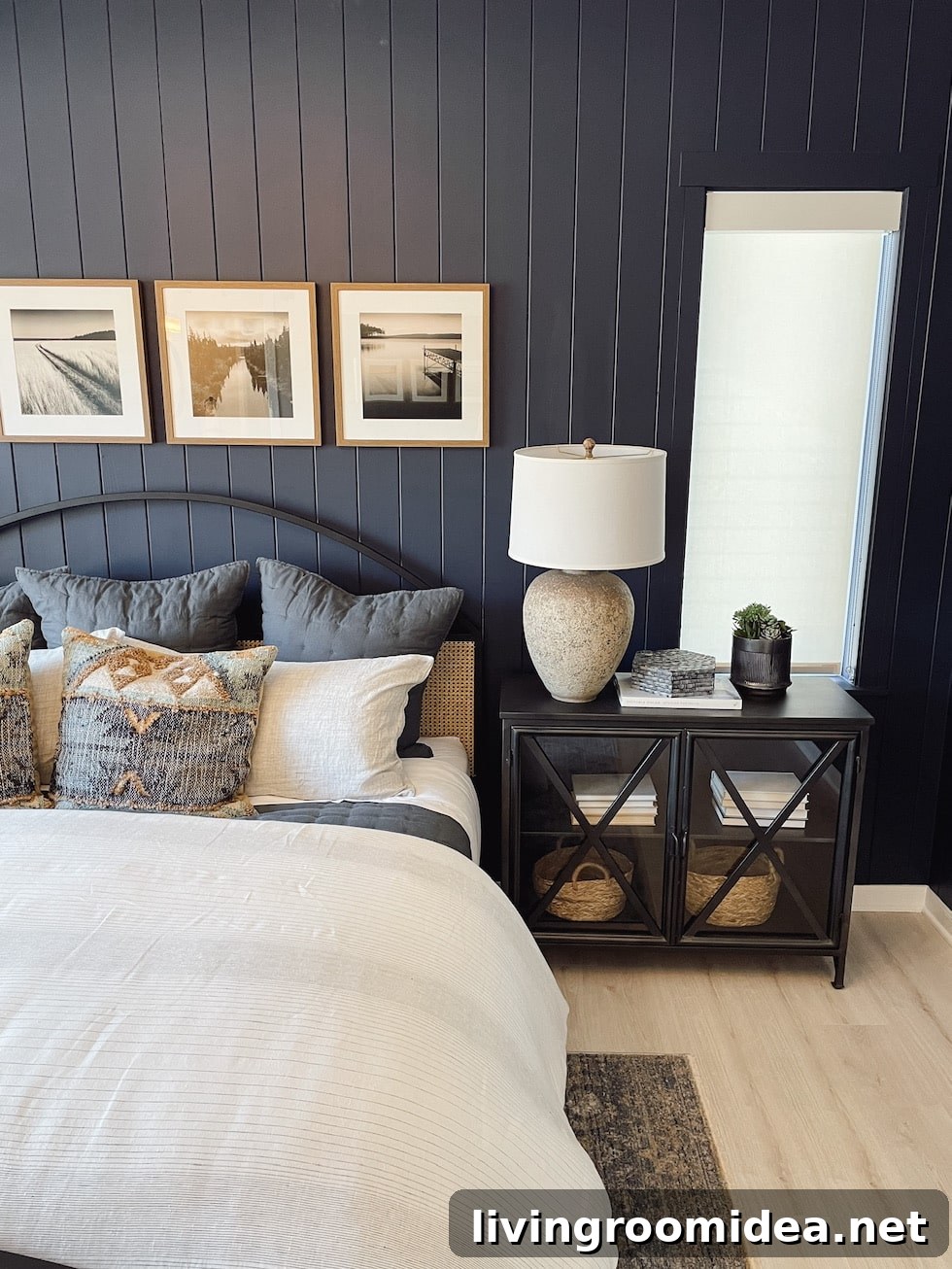
A unified color palette ties rooms together and creates a calm, intentional mood. You don’t need everything to match perfectly—pick a recurring hue to repeat through fabrics, artwork, and accessories so the space feels deliberate and harmonious.
Breathing Room
Sometimes the missing ingredient is simply space. Don’t overcrowd surfaces or cluster every item together. Give furniture and accessories room to breathe so each piece can be appreciated and the room feels balanced rather than cluttered.
Landing Spaces
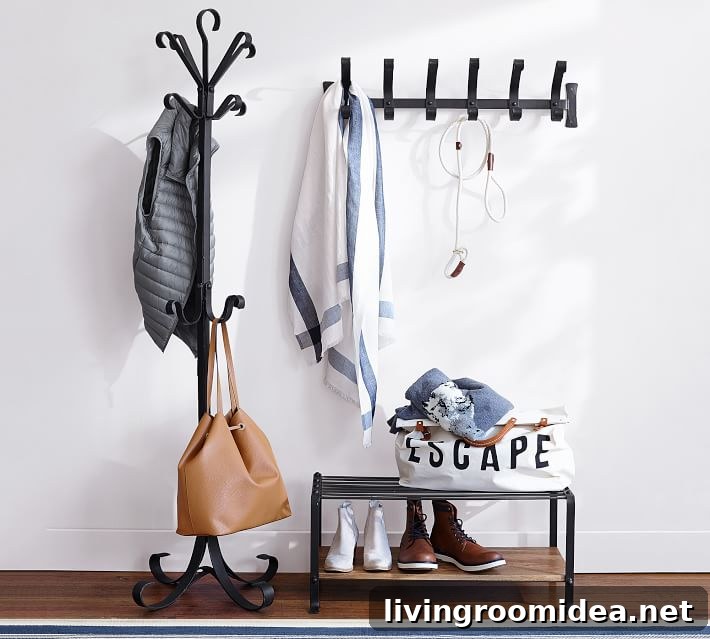
Create designated landing spots for everyday items—keys, coats, bags, leashes—so these things aren’t left to clutter surfaces. Hooks, small benches, baskets, or a simple console table near entryways help keep daily items organized and prevent rooms from feeling chaotic.
Layers of Lighting
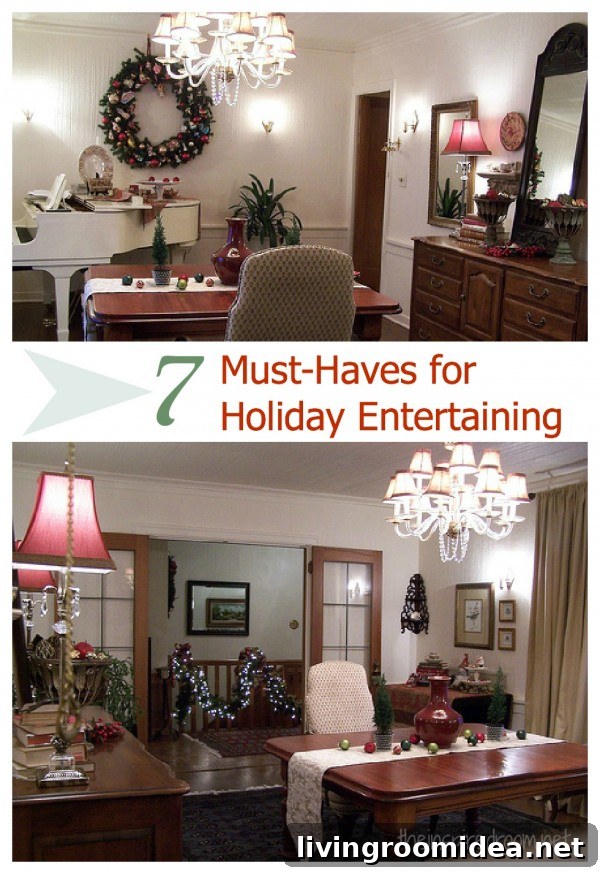
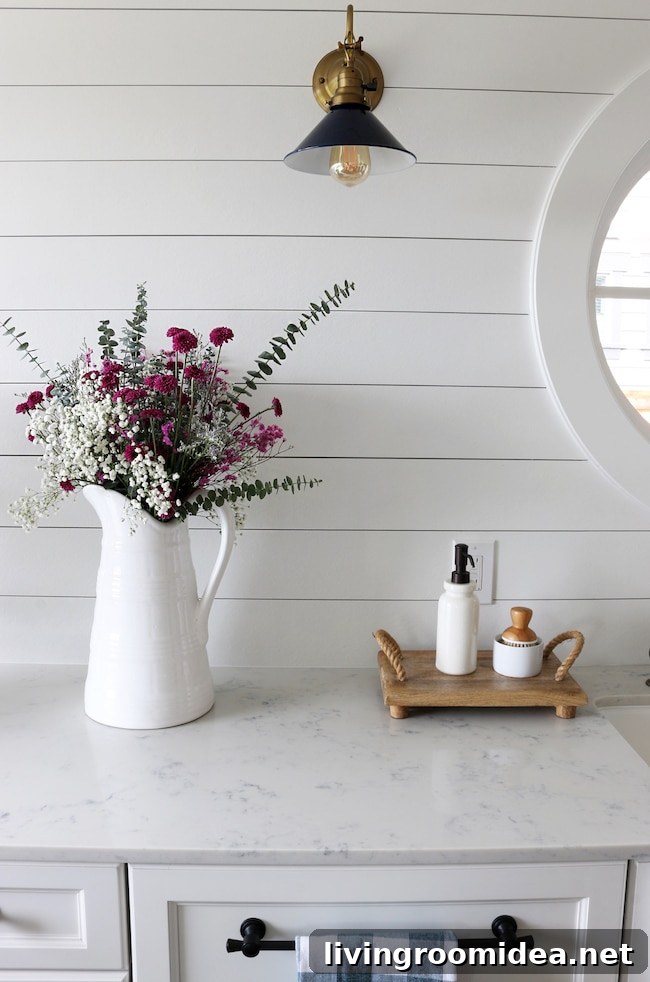
Relying on a single overhead fixture can make a room feel flat. Layer lighting with table lamps, floor lamps, sconces, and task lighting to add warmth and dimension. In a living room, aim for at least two lamps so light is evenly distributed; add a task lamp where you read, work, or craft.
A good lighting plan often combines ambient, task, and accent lighting. Use dimmers where possible to adjust mood and brightness throughout the day and evening.
Further reading on lighting ideas is useful when planning your space.
Bookshelves
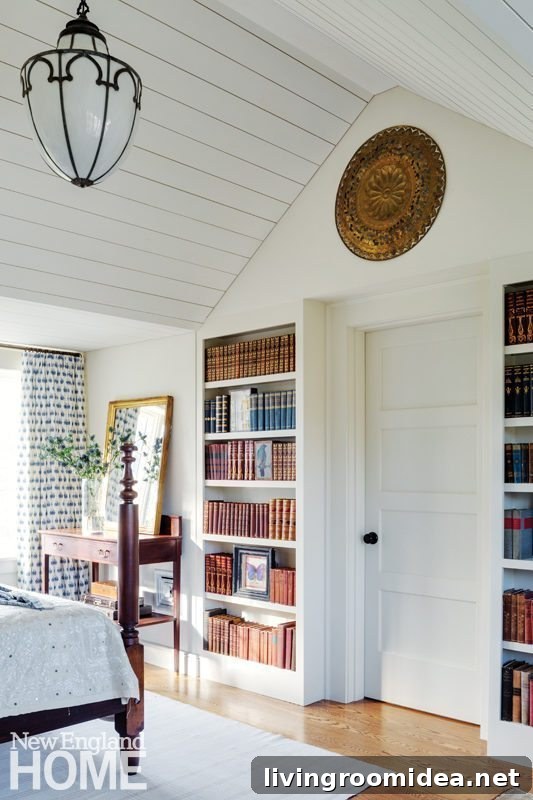
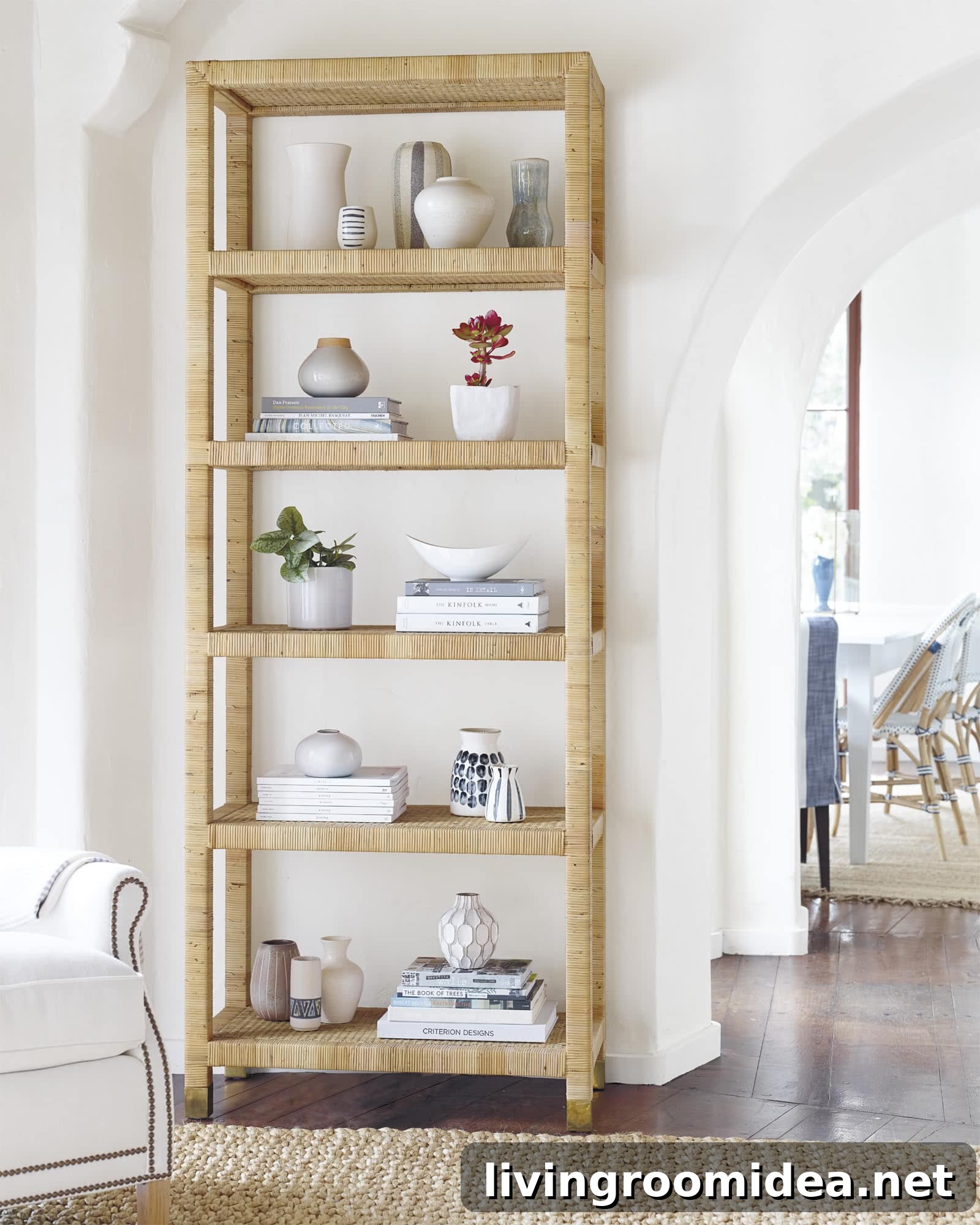
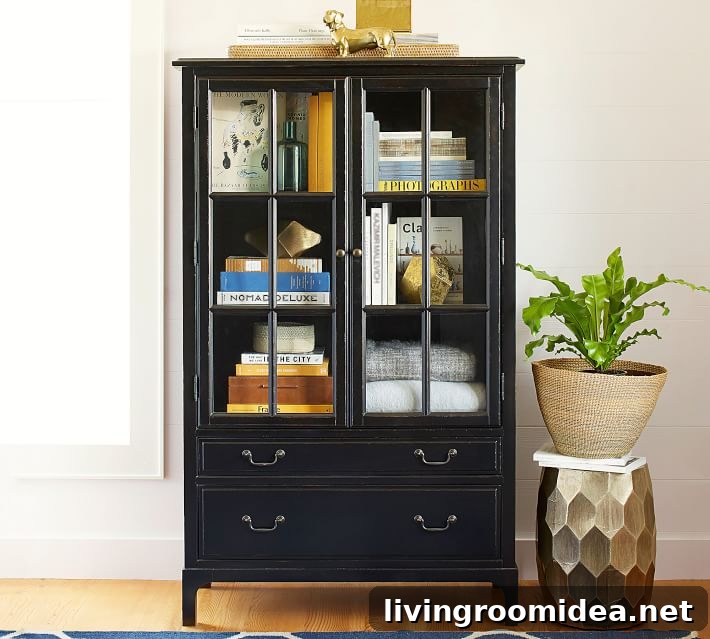
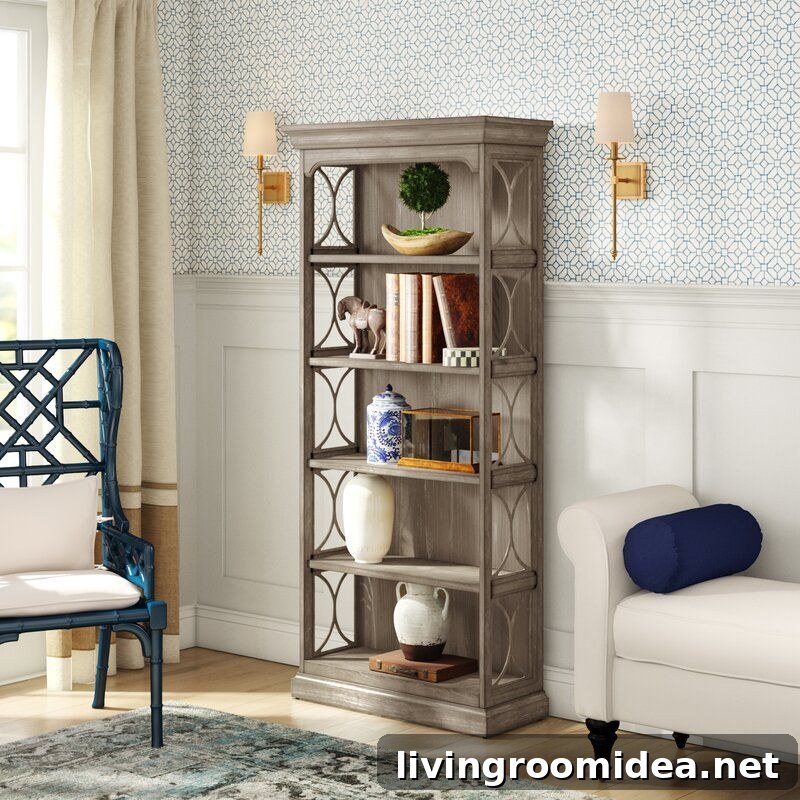
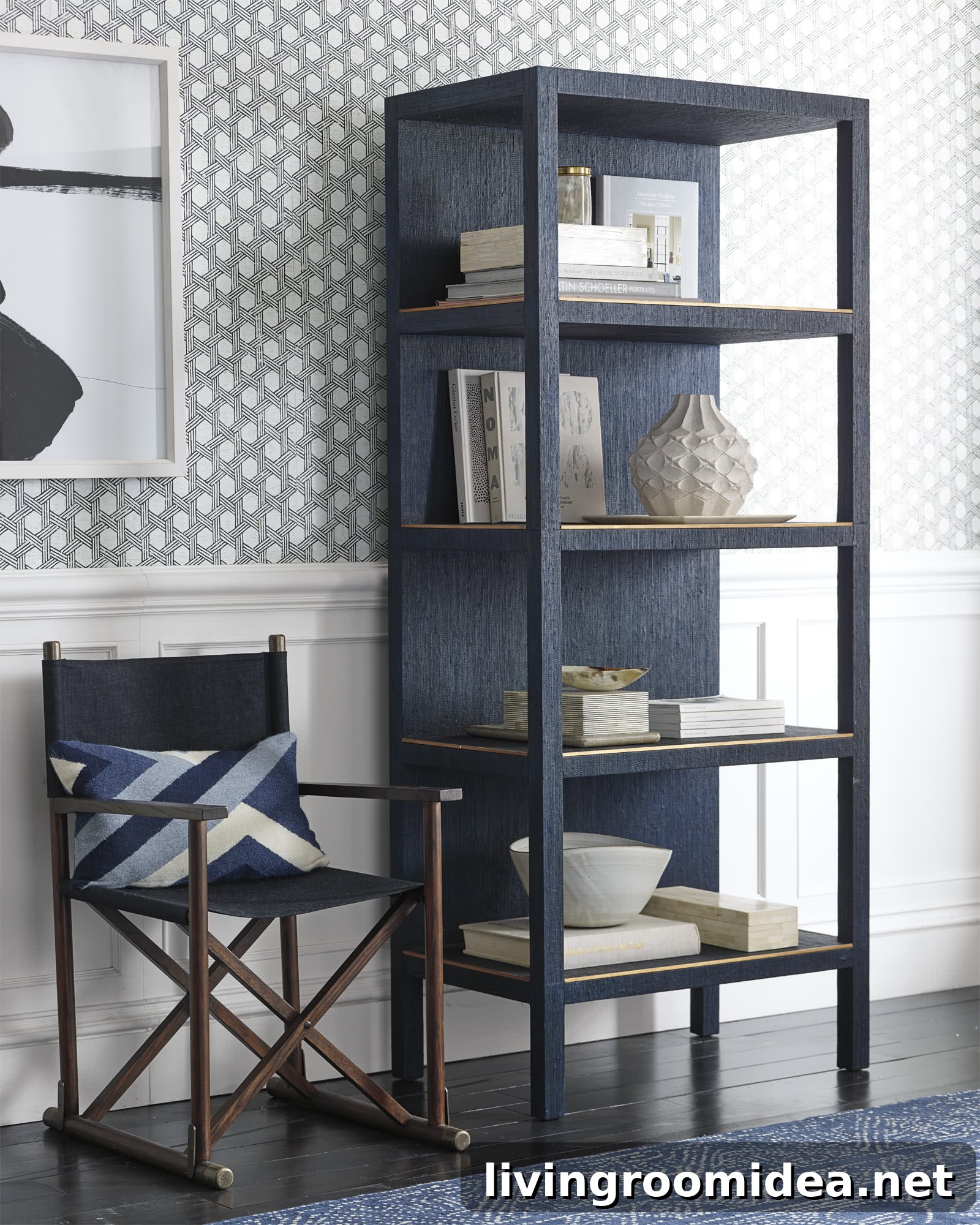
Bookshelves add instant charm and personality while providing practical storage and display. Fill them with books you love or plan to read, mixed with framed photos, ceramics, and meaningful objects to tell your story. Edit periodically to keep shelves from becoming overcrowded.
Area Rugs
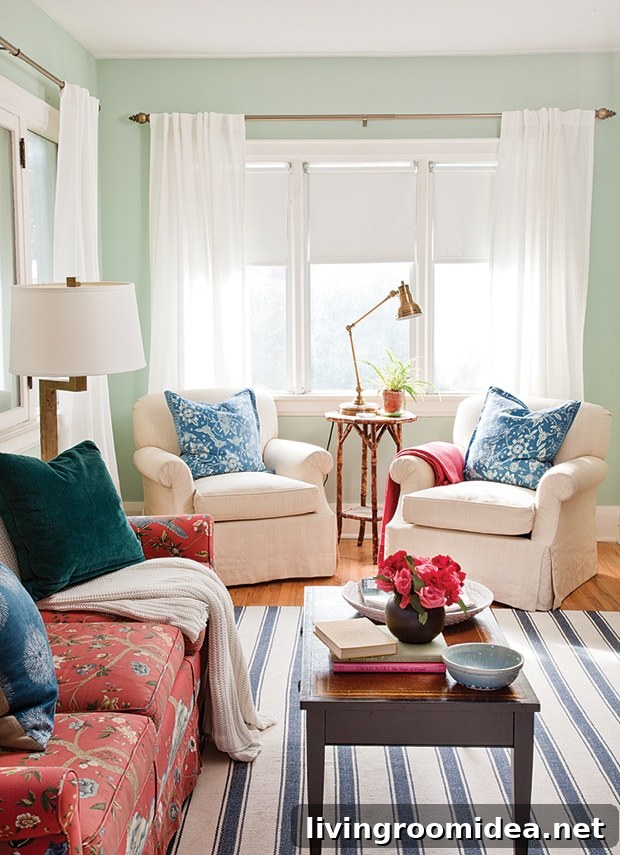
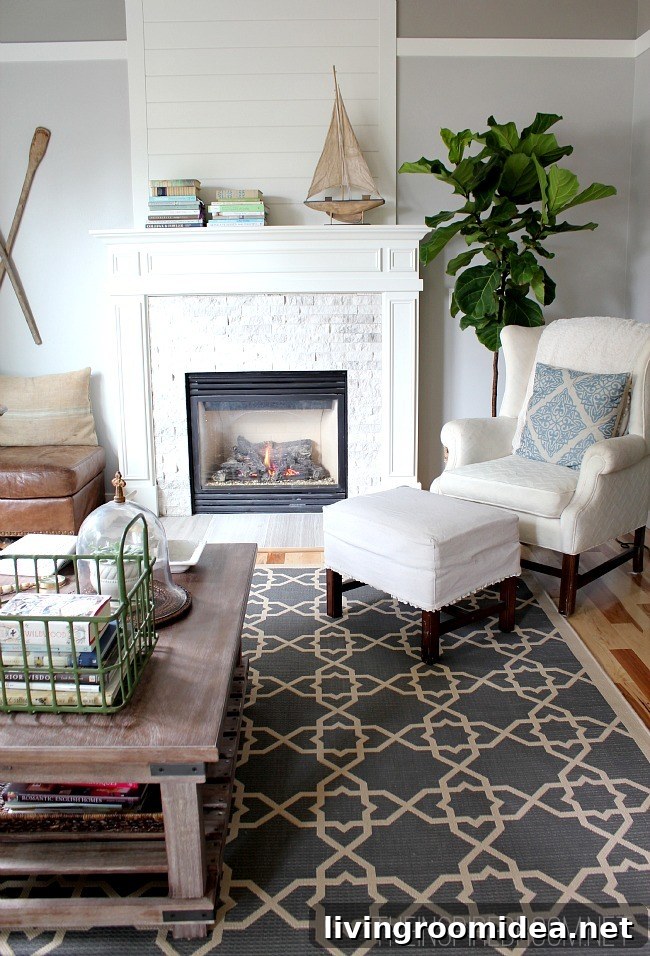
Area rugs soften hard floors and anchor furniture groups. Large rugs that nearly fill the room make the biggest visual impact. In seating areas, ensure at least the front legs of sofas and chairs rest on the rug to create a cohesive zone.
Rugs also introduce texture, color, and pattern—easy ways to refresh a room without a full makeover.
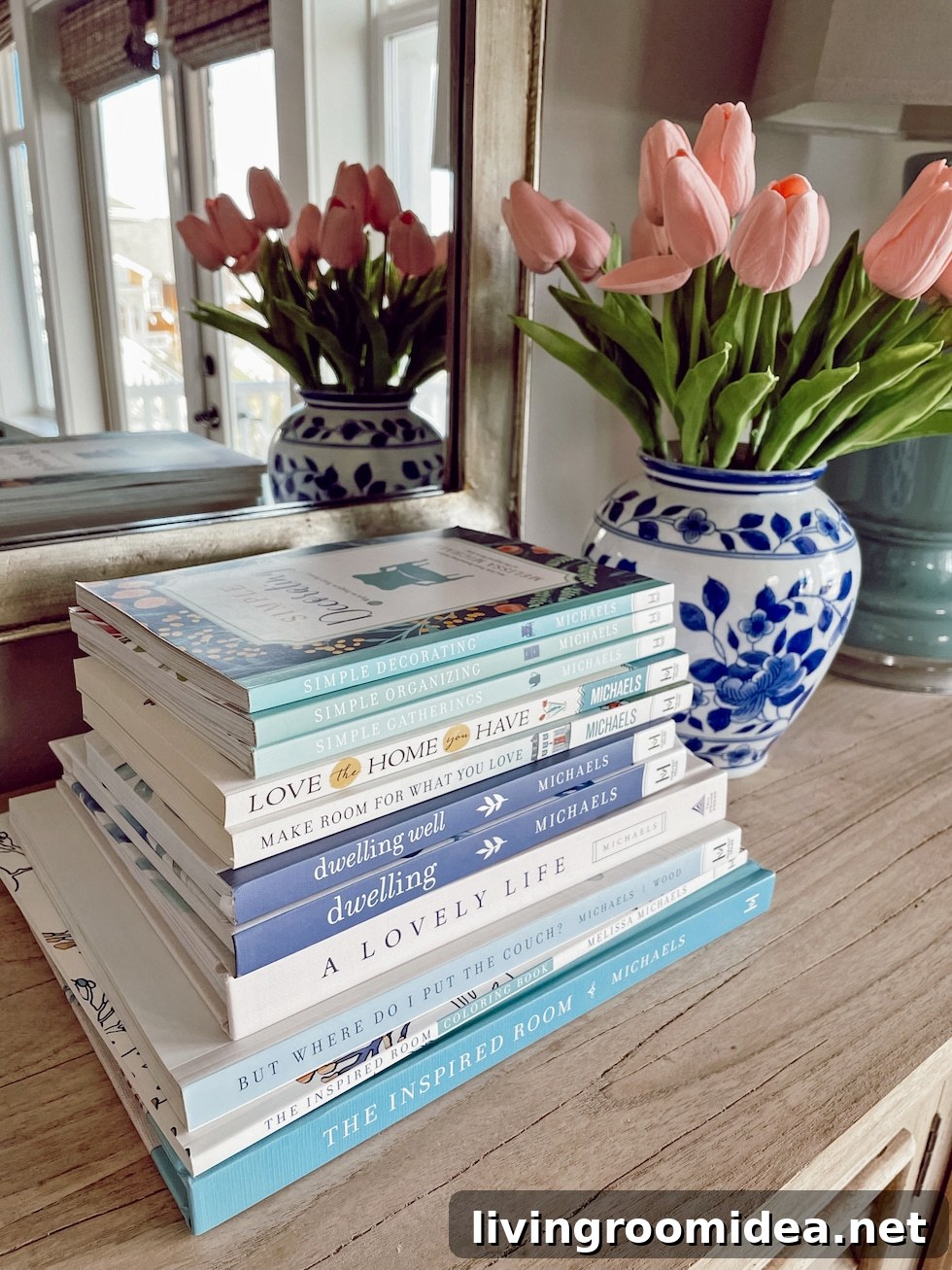
If you want more tips, inspiration, and practical ideas for making your home feel more inviting, look for books and resources that guide you through decorating at your own pace—small changes add up to spaces you love.
Related posts:
How to Decorate: The Slow Process to a Style You’ll Love
5 Things Every Small Bedroom Needs
Finding Your Signature Style
How to Get Out of a Decorating Slump
One Essential Decor Element You Probably Need More of In Your Home
10 Tips for Styling a Large Living Room and Other Awkward Spaces
10 Helpful Guidelines for Decorating Walls