
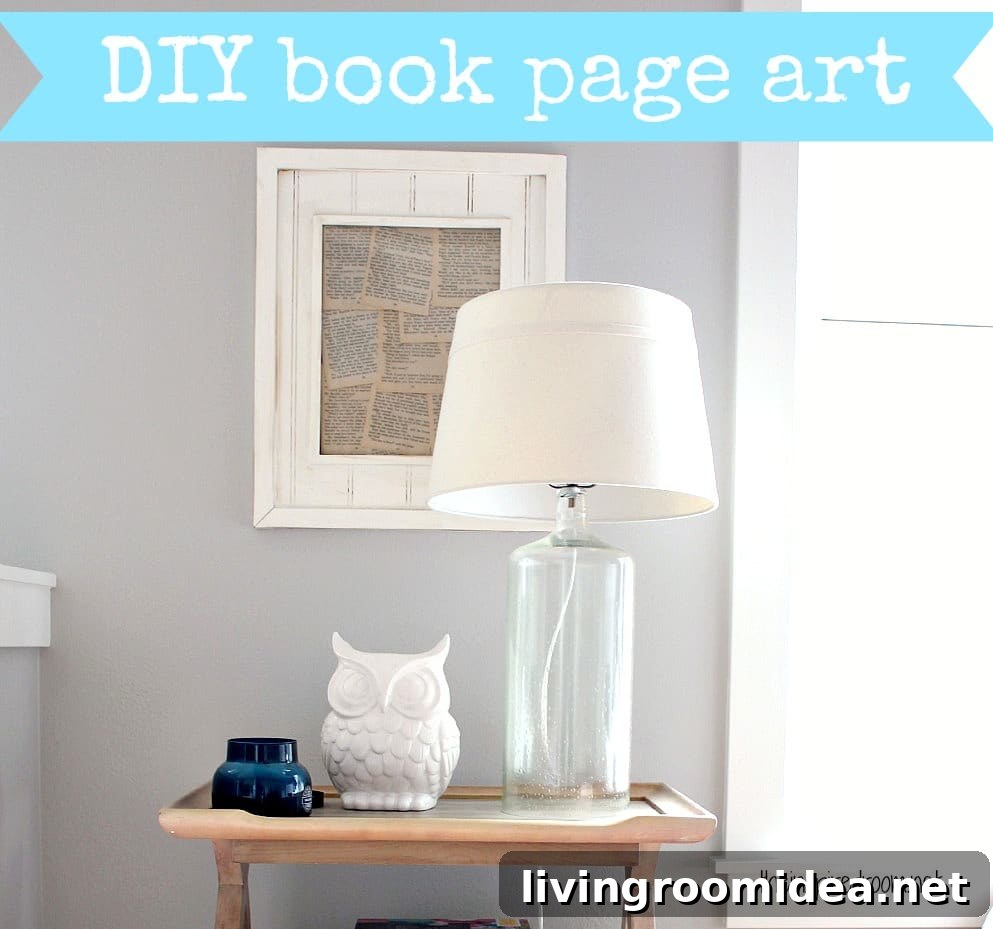
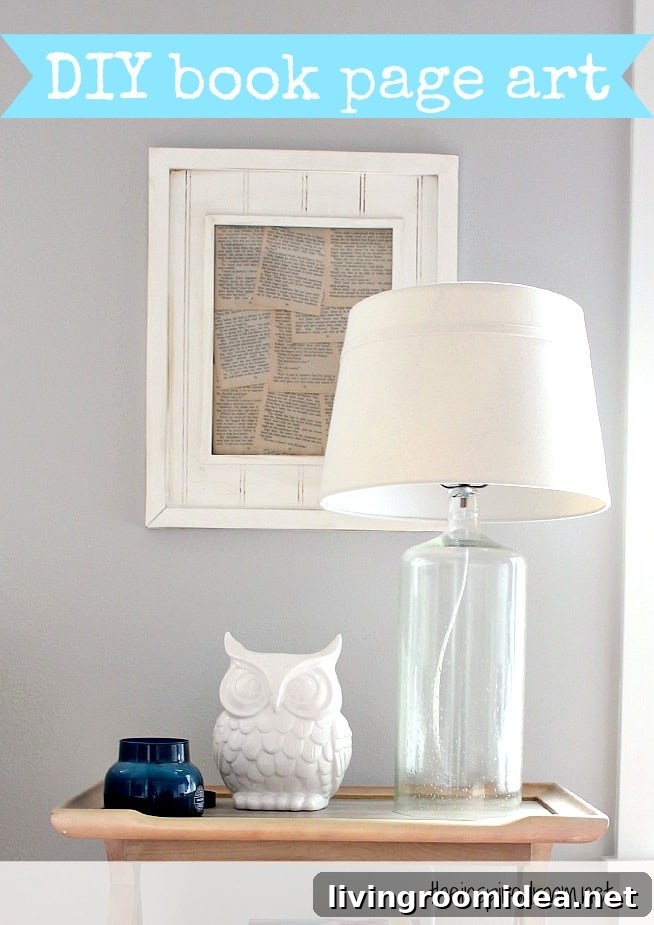
I’m so glad so many of you liked our DIY book page art displayed in that cozy corner of our family room. By popular request, here’s a simple, straightforward explanation of how we made it. This is truly an easy project—if it required complicated instructions, it wouldn’t be my kind of DIY. We threw this together on a whim when we needed quick art for a wall. It took less than five minutes.
Here’s how to create your own DIY book page art.
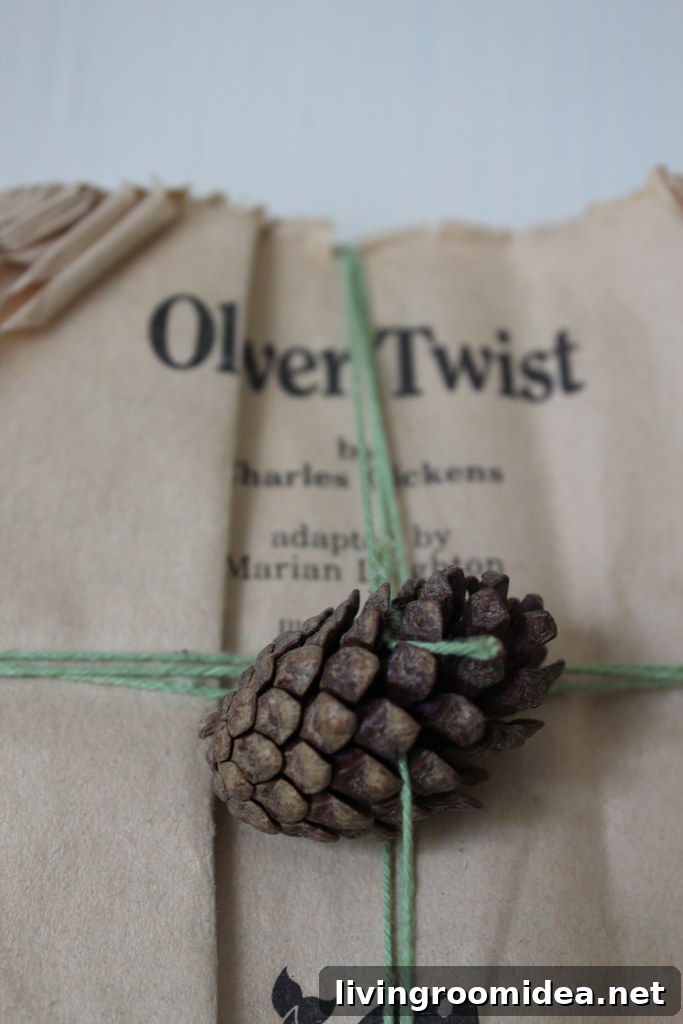
Step One: Choose the book
Pick a book that means something to you or simply one with pages you like. A favorite childhood book works well, but it really doesn’t have to be significant. We used Oliver Twist because it was fun and slightly worn, which gave the finished piece character. If your frame is around 11 x 13, a smaller paperback will show several pages nicely. I like the aged, tattered look, so used books from thrift stores, Goodwill, or garage sales are perfect to keep on hand for projects like this.
In our case the Oliver Twist copy was already dismantled when we bought it, so no pristine volumes were harmed. But even if you decide to take apart a book, I think using its pages as art gives it new life instead of letting it collect dust.
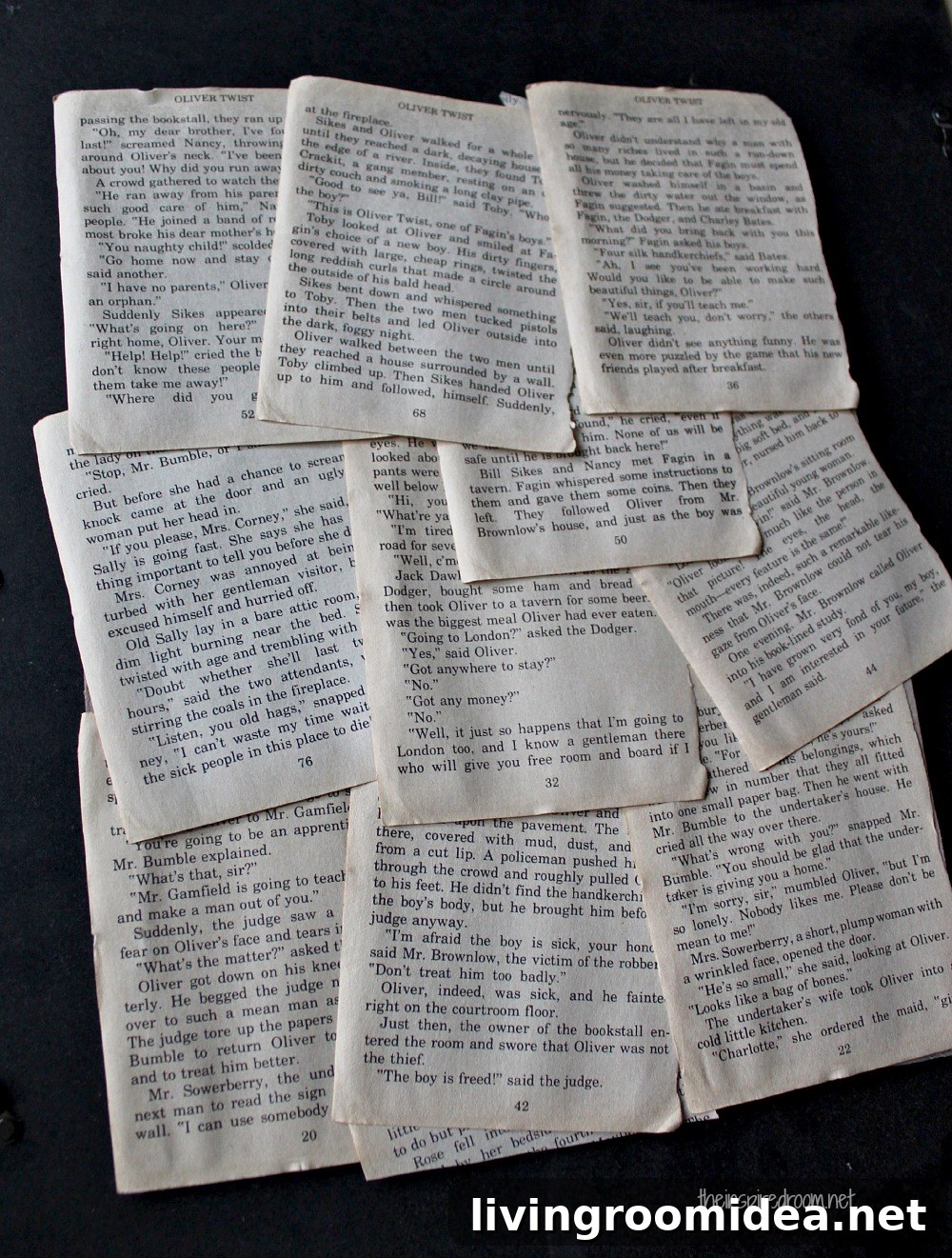
Step Two: Pick a frame and arrange the pages
Use a frame that fits the look you want; ours is 11 x 13. Remove the backing and use the cardboard insert that came with the frame as your base. Fan pages out on the cardboard however you like—there’s no need to be precise. Lay them in rows, overlapping slightly so the text creates visual interest. We didn’t follow any particular order and left out the title page for a separate display because it felt cute on its own.
Secure the pages with double-sided tape or small strips of one-sided tape rolled up. Start at the bottom row and work upward, overlapping each row a bit. Don’t worry about perfection; the charm of this project is its casual, imperfect look.
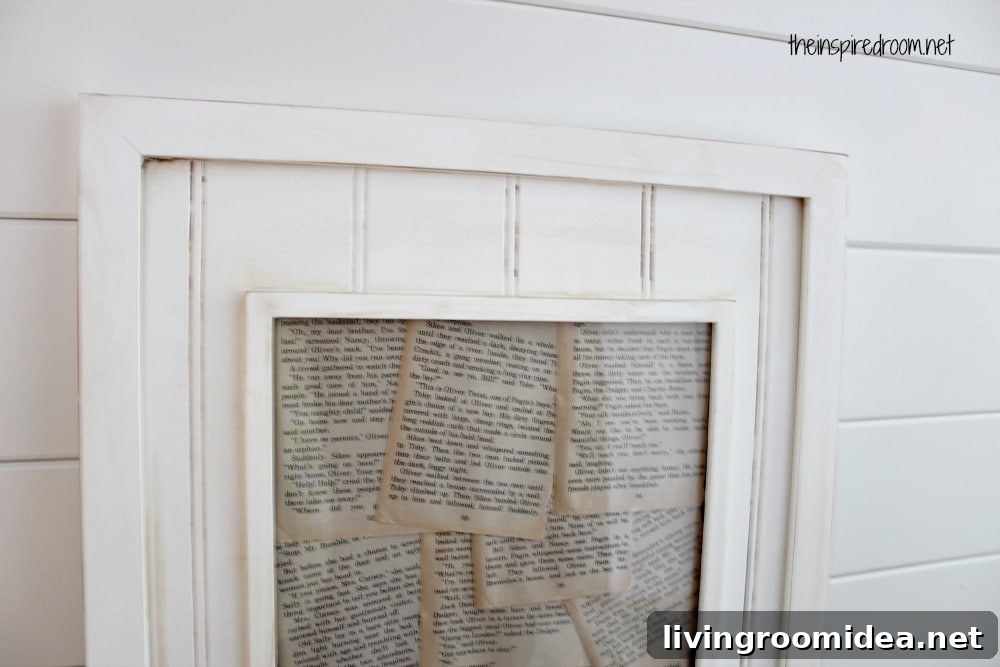
Step Three: Reassemble the frame
Place the cardboard with the attached pages back into the frame. You can keep the glass in if you want the pages to stay flat and dust-free, which gives a finished appearance. If you plan to photograph the art, removing the glass will eliminate glare and reflections, but leaving the glass in is nicer for everyday display.
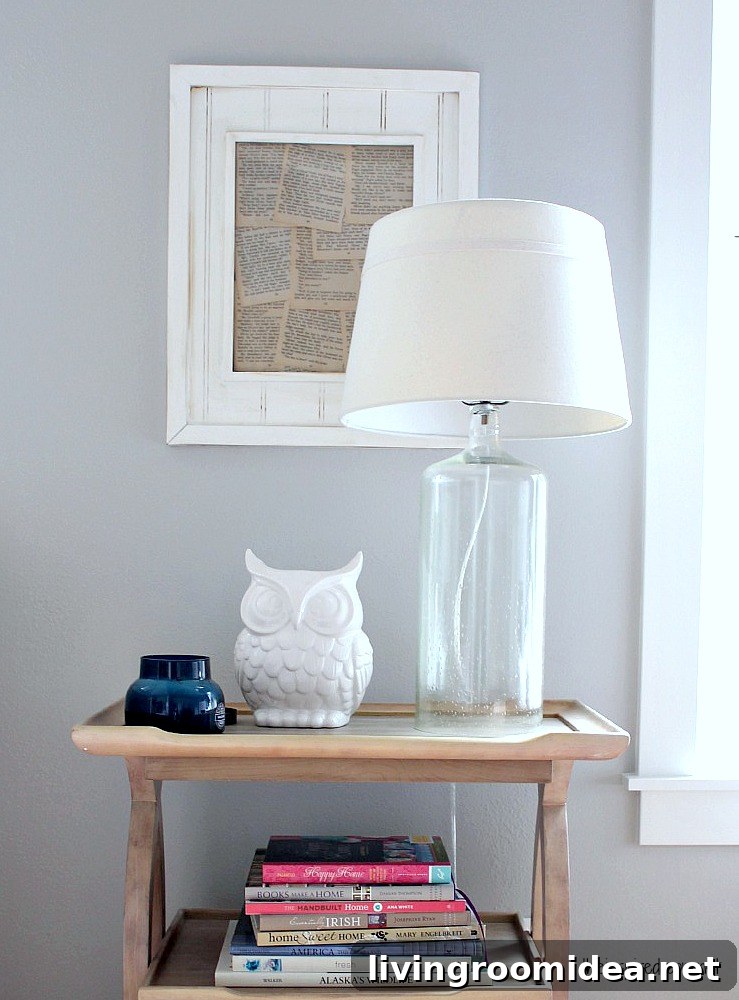
Step Four: Hang and enjoy
Hang your frame where it complements the room and enjoy a simple, affordable piece of art that adds warmth and personality. This project is quick, low-cost, and customizable—try different books, page arrangements, or frame styles to suit your decor.
The end.