
“Many of our choices to bring items into our homes—things we think we need or will enjoy—often create extra clutter and stress. In our culture it’s easy to assume a new purchase will improve life, when in reality it can make things more complicated.”
– Make Room for What You Love, Melissa Michaels
Clutter can drain your energy and add constant friction to everyday life. We accumulate debt buying items we don’t need, select more clothing than we wear, and keep furniture and toys that complicate our space. Then we wonder why our homes feel chaotic and why we struggle to stay organized.
When I noticed my own habit of inviting unnecessary things into my daily life, I made a conscious effort to slow down and pay attention to what I allowed into my home. By being intentional about purchases and possessions, I began to pare down and simplify—reducing stress and creating more calm.
Ask yourself: what daily choices are making life more complicated? Which small decisions could be changed to simplify routine tasks or eliminate them altogether?
Decluttering begins with better decision-making.
Here are five steps to start simplifying your life and home:
1. Avoid temptation
Reduce opportunities to buy or bring in more stuff. Consolidate shopping trips and combine errands so you aren’t visiting stores multiple times a week. Limiting time spent in places that encourage impulse purchases leads to fewer acquisitions and easier choices later.
2. Simplify daily options and choices
If your life is busy or clutter feels overwhelming, you likely have too many decisions to make. Cut down on daily choices by keeping fewer, better-loved items. Instead of thirty outfits, focus on five combinations you love and use accessories to vary them. Rather than several sets of dishes, choose a simple neutral set and add character with colorful salad plates or glasses. Favor multipurpose items over many single-use pieces.
3. Choose the simplest option most often
Avoid rationalizing possessions that add complexity. If you rarely use the food processor, donate it without overthinking. If a tool is needed occasionally, borrow one from a neighbor or family member. Letting go can feel hard at first, but you’ll quickly forget the items you no longer need.
4. Make daily lists and set home goals
Having a clear plan for your day and your home focuses attention on what matters. When tasks and priorities are defined, you make fewer impulsive choices and bring less into your life. A focused vision reduces decision fatigue and helps you complete projects that matter most.
5. When in doubt, get rid of it
During major decluttering projects you won’t have time to analyze every item. If you can’t decide, make the choice to remove it. Don’t dwell on past cost or potential future use; if you’re uncertain and the goal is to declutter, send the item to charity or discard it. Quick, decisive action moves projects forward.
Note: This article is adapted with permission from Make Room for What You Love (Harvest House Publishers 2016) by Melissa Michaels. The book offers practical strategies and tips to simplify so you can make room in your home and life for what you truly love.
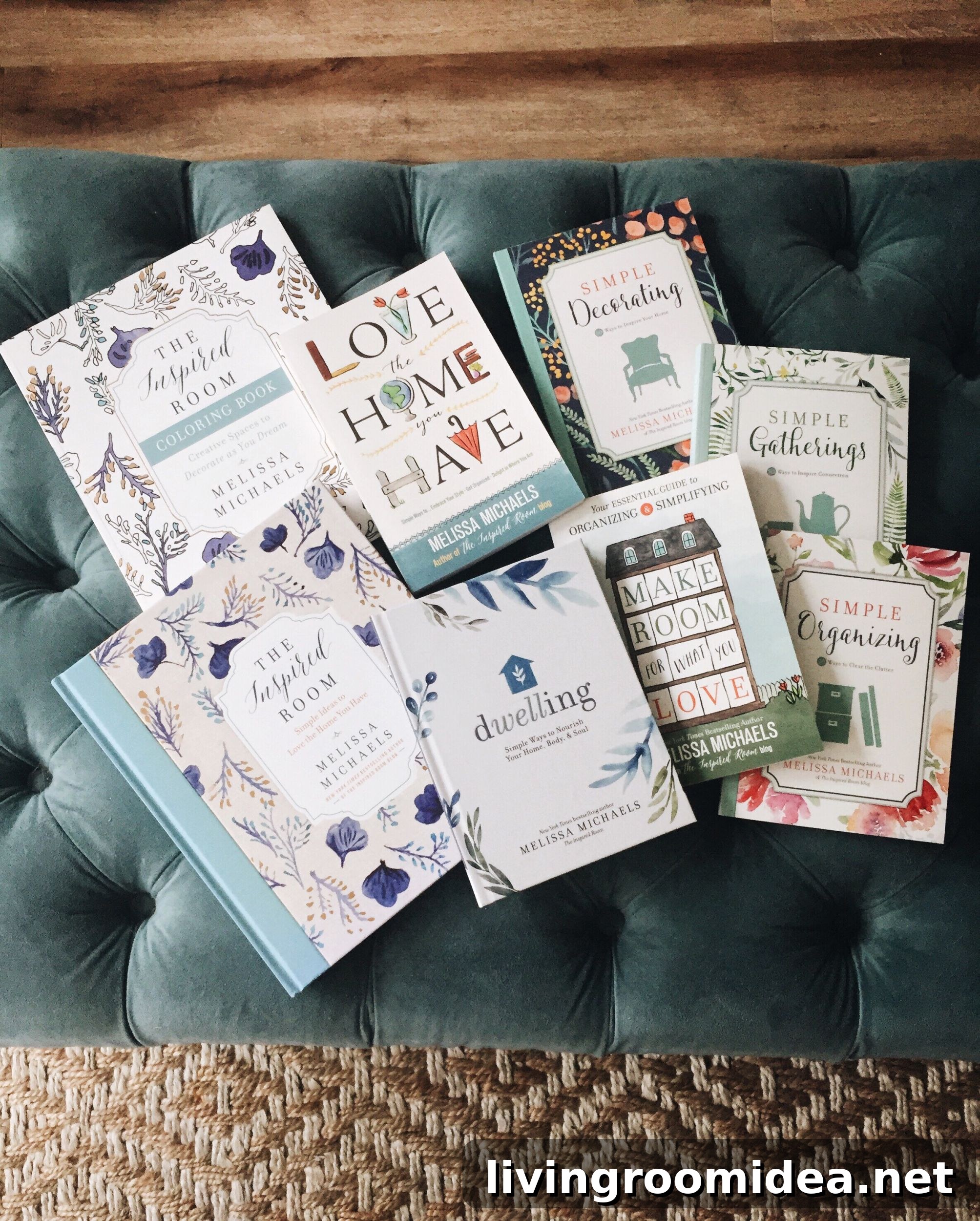
Find more decorating, homemaking, and organization inspiration in my bestselling books!