
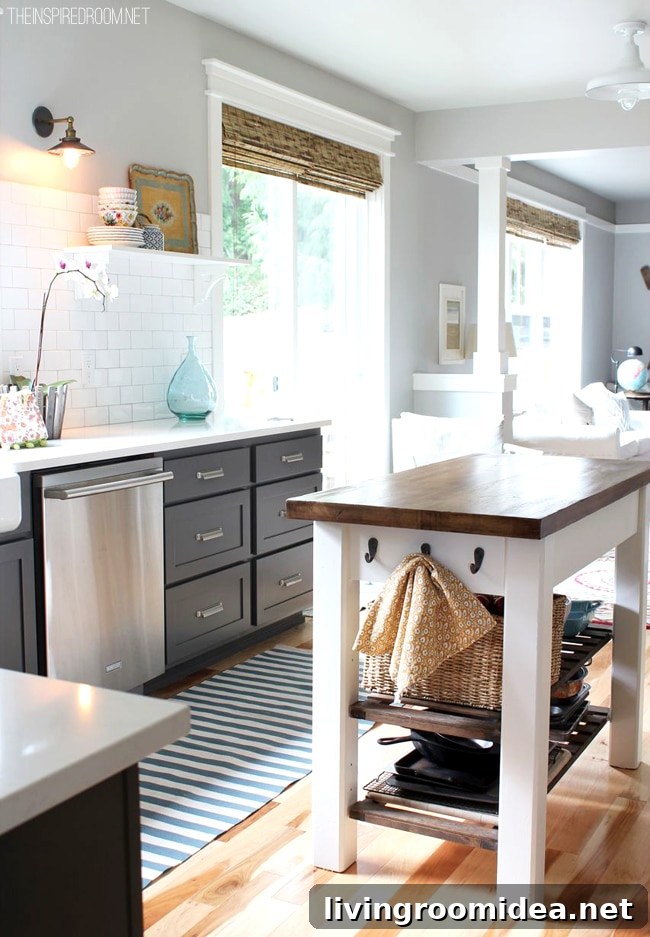
To order blinds similar to the ones shown (mine are out of stock), click this link.
NOTE: If you order window coverings from Select Blinds, use my special link HERE for the best available discount. Enter code INSP1RE5 at checkout for an additional 5% off.
There is a special discount code and link mentioned later in the post—don’t miss it!
Thanks so much for the warm response to my kitchen remodel reveal. I was nervous to share it, so your kind comments were a huge relief. Blogging can feel vulnerable, and your encouragement meant a lot.
One of the most common questions was about the bamboo blinds. Since I haven’t written about them yet, I wanted to share details on where I found them and why I chose them. I’ve read every comment and will address many of your other questions in my upcoming kitchen sources post and the DIY island makeover post.
To see blinds similar to mine (mine are out of stock), click this link.
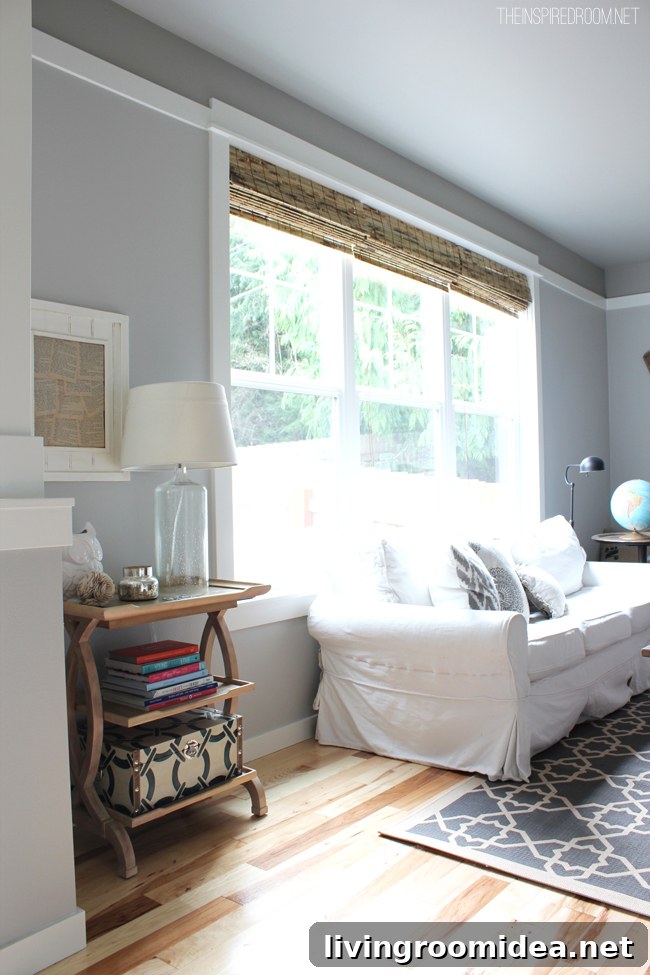
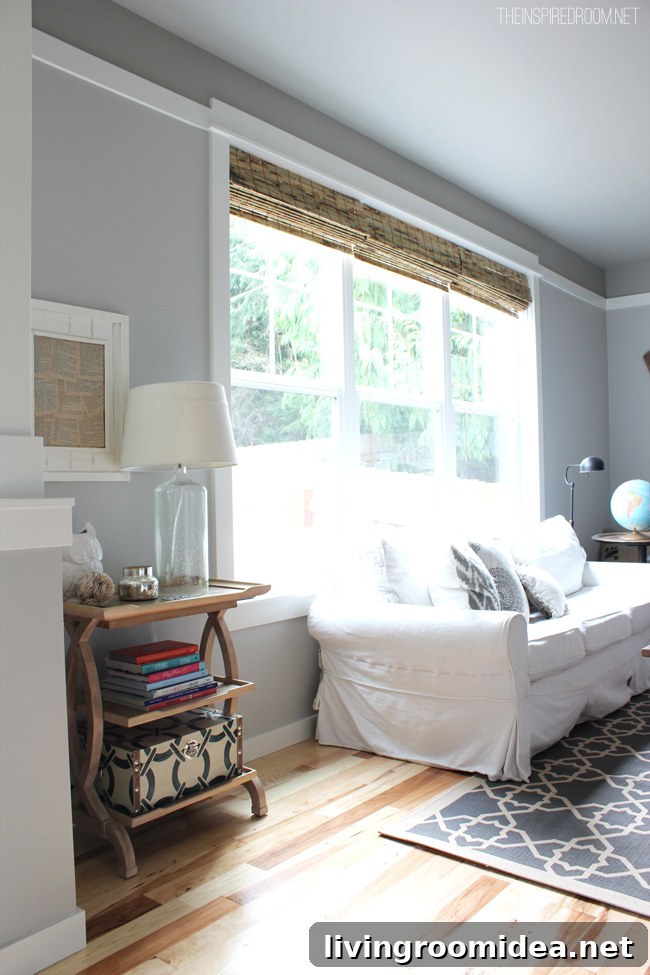
As the kitchen and family room came together and the trim was painted, I initially loved the clean look of having no window coverings. But our view isn’t ideal and we wanted a bit more privacy, so I returned to one of my favorite window treatments: bamboo blinds. I had a similar style in our previous home and appreciated their look and function.
Above is the family room while we were painting, shown with our previous blinds.
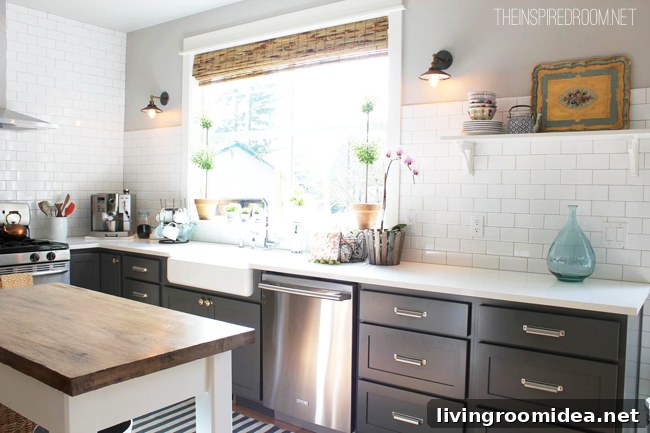
While fabric roman shades or curtains are always attractive, the bamboo roman-style shades felt like the most practical option for these rooms. They add natural warmth near the top of the room, balancing the warmth of the floors, and their texture complements the overall design. Bamboo shades are durable and timeless—less likely to feel dated than a trendy fabric—and provide the flexibility to add curtain panels later if desired.
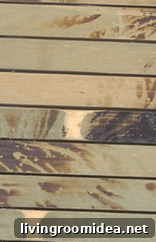
I chose the tortoise-colored bamboo shades because of their rich, layered coloring. At first I worried they might darken the room too much, but they ended up providing the perfect finishing touch. Texture layers make a big difference in a room’s feel, and these shades add that depth.
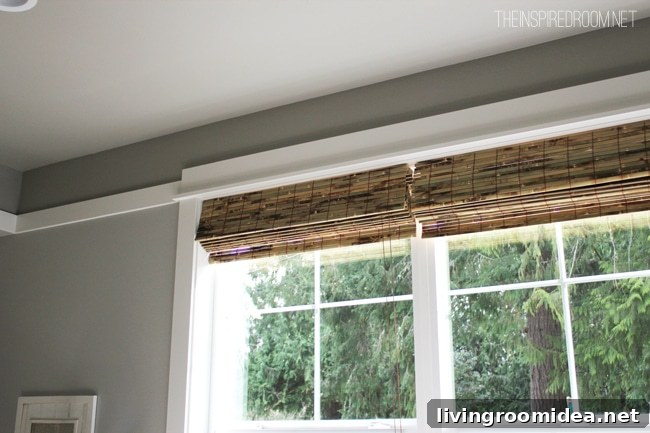
Up close, the shades show subtle variations in tone, including a faint greenish cast mixed with natural wood hues. That subtle complexity was deliberate—I wanted depth in the palette so the blues in the kitchen would interact nicely with hints of green and warm wood, rather than everything matching exactly.
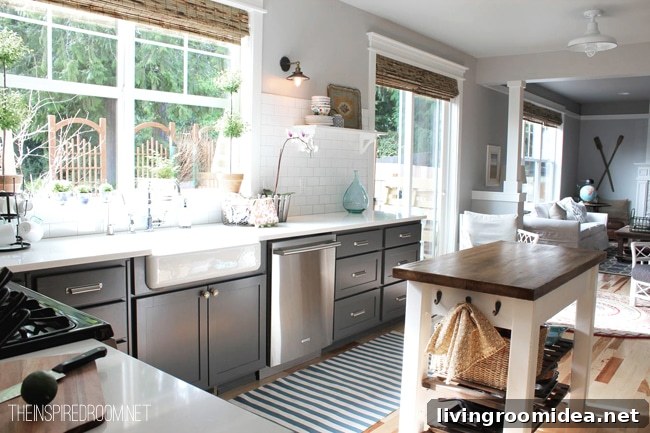
For continuity between the kitchen and family room, I used the same blinds on all windows, including the tall sliding door. The door uses two inside-mounted blinds so each side opens independently. The family room windows consist of three separate blinds mounted on a single header. I prefer inside mounts to preserve the painted trim, but if you need to mount outside or higher than the frame you can order them that way.
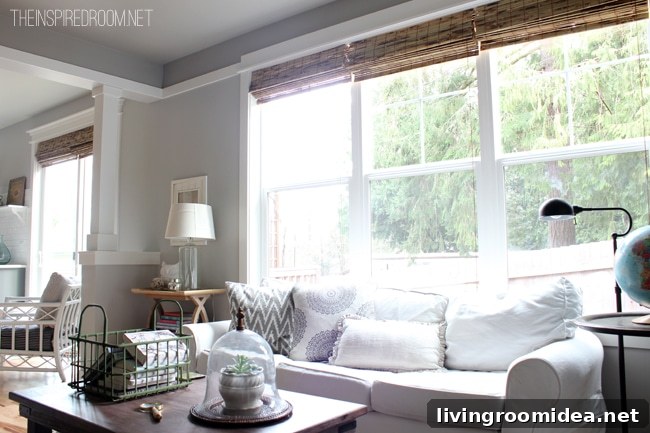
Mostly we chose these blinds for the way they look when raised, but they’re also useful on rare hot summer days or when we want more privacy. They operate smoothly, which encourages regular use. I’m planning to install the same style in our front rooms and dining room in the future.
We haven’t added cord cleats yet, so I’ll be attaching small hooks to the window trim to keep the cords tidy and out of the way.
To see blinds similar to mine (mine are out of stock), click this link.
The Inspired Room readers can get a DISCOUNT (40% off) plus any special offers from Select Blinds by using code INSP1RE5 when ordering.
I measured and ordered the blinds myself—yes, from my phone—and they turned out beautifully. Installation was straightforward; my husband and I installed them together during what we jokingly called our “blind date.” If we can do it, many DIYers can too.
 Find FAQs on my blinds: here!
NOTE: If you order window coverings from Select Blinds, use my special link HERE for the best discount. Enter code INSP1RE5 for an additional 5% off the lowest price available.
Stay tuned for more kitchen details—I’ll answer your questions and share sources soon.