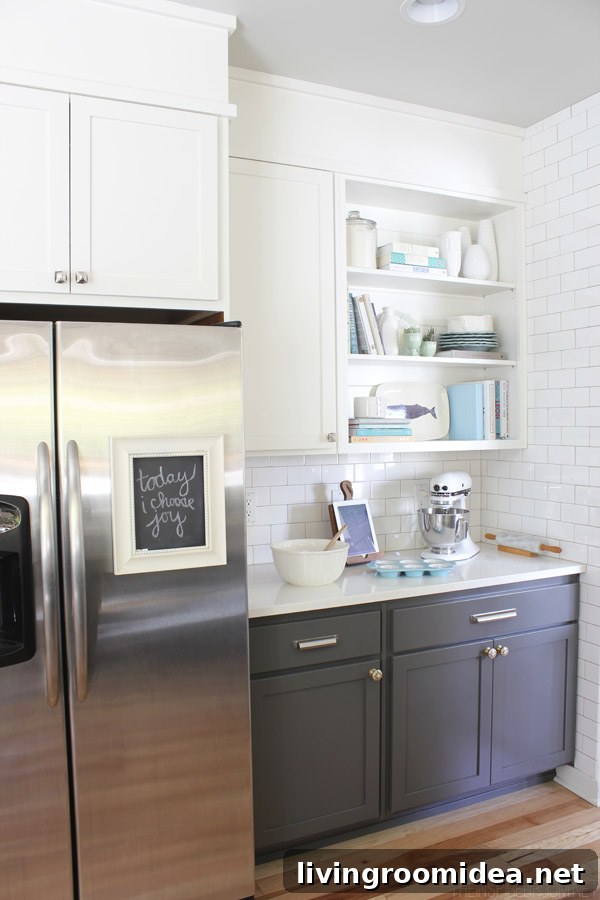
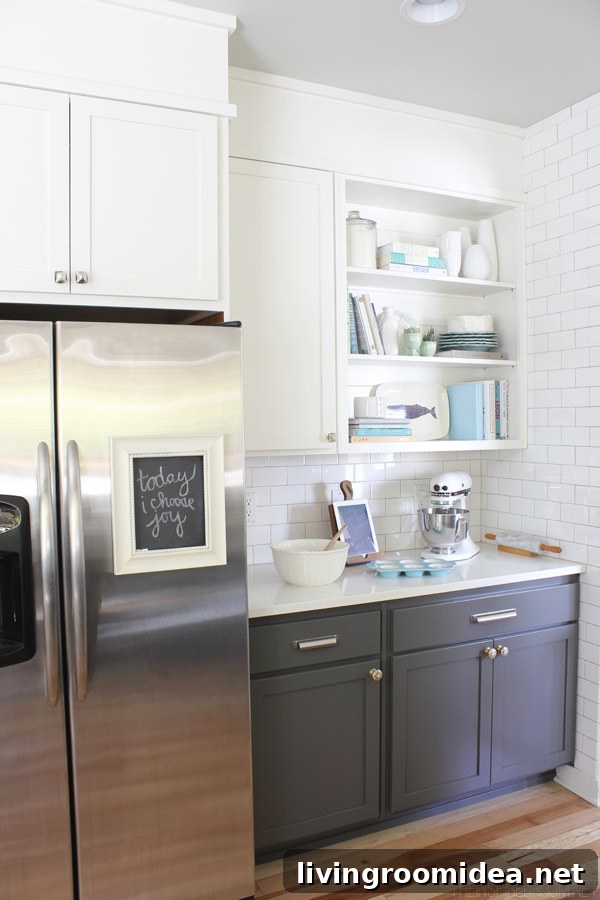
Do you love white cabinets, woodwork and tile? White can look fresh and beautiful, but it can also feel bland or overly clinical if handled the wrong way. Understanding how to use white effectively helps you create the mood you want. I’m not a color expert, but I can share what I’ve learned from decorating my own home.
There are countless shades of white — from bright, crisp whites to warm creams — and the variety can make choosing one feel overwhelming. Once you pick a white for a large surface, you may wonder if every other white in the home must match it exactly.
A frequent question I get is whether I try to match every white in my house. The short answer is no. I don’t match all my colors or whites precisely; in fact, I intentionally use several shades of white throughout my home. There are practical and aesthetic reasons for that choice.
First, trying to match everything perfectly would be limiting. Homes evolve over time, and I want the freedom to add accessories and pieces I love without worrying whether they’re the exact same white. Slight variations in tone create warmth and visual interest. Mixing shades within a palette often makes mismatches less noticeable because the overall effect becomes cohesive rather than exact.
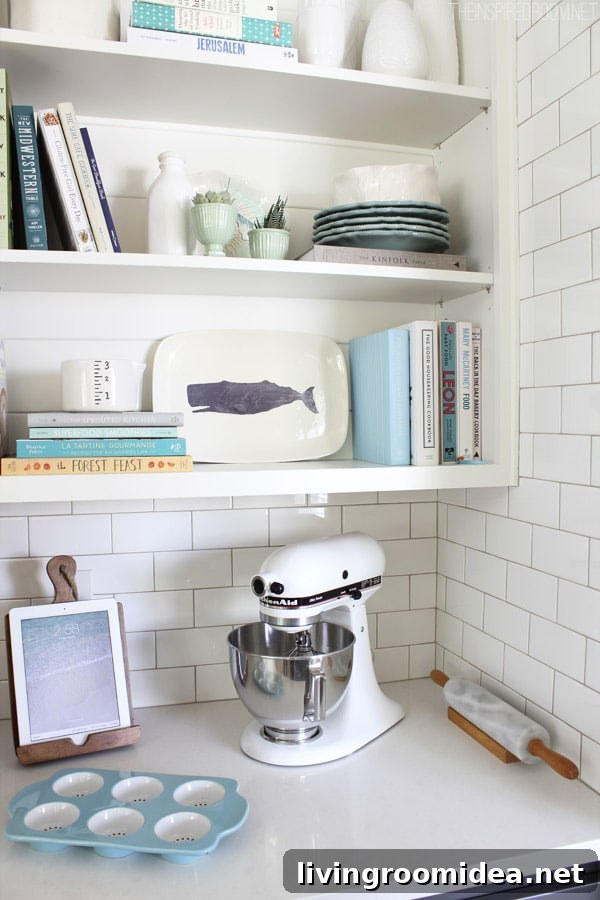
In my kitchen, for example, the tile is a soft white that reads as fairly bright. The countertops are white quartz. The cabinets are painted Benjamin Moore Dove White, which can read as a creamier white next to brighter whites. When tile, counters, and cabinets meet, you end up with three distinct whites that don’t match perfectly — and that’s fine.
I also bring in white dishes, accessories and books that aren’t exact matches. There’s even a bright white mixer on the counter. At first it might seem chaotic, but the more whites you layer in, the less the exact match matters. If everything matched perfectly, the room might feel flat and one-dimensional. A bit of happy imperfection adds warmth and makes a space feel more inviting.
That said, I avoid pairing very dark creams with very bright whites, because the darker creams can look dirty next to stark white. Instead, I work with a range of soft creams, linen-toned whites, gray-whites and bright whites — they blend well and create subtle depth.
The key is balance. Don’t introduce a single creamy white into a sea of bright whites and expect it to look intentional — instead, layer several shades so they read as a cohesive palette. For consistency and flow, I prefer to use one paint color for cabinets, trim and doors when possible, though not every piece in my home is repainted yet. When adding tile, countertops and accessories, mixing whites is perfectly acceptable and often preferable.
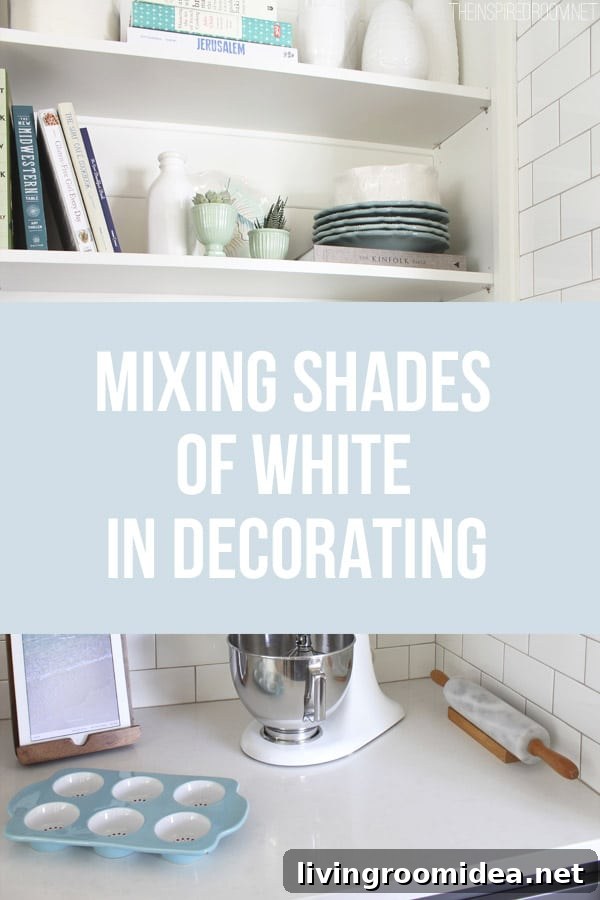
So in your home, do you prefer exact matches or a layered mix of whites?
Sources:
My Kitchen Remodel Sources
Wood iPad Stand
Whale Platter
Many of my favorite cookbooks can be found in my book collection
Lower cabinet paint color is Kendall Charcoal by Benjamin Moore
Related Post:
{Shades of Neutral} Gray and White Kitchens: Choosing Cabinet Colors