 This post was created in partnership with You Need a Budget
Do you ever feel frustrated by financial limits when you imagine future projects for your home or other long-term goals? I do. I tend to live in the moment and I’ll admit budgeting for future wants doesn’t come easily. I love the satisfaction of enjoying something now.
Even if a fancy coffee costs $5, it can feel like a small, immediate pleasure compared with a large expense like new kitchen appliances that might cost $5,000.
Without a plan, small purchases add up and decorative clutter accumulates. Buying inexpensive accessories regularly rarely feels like a problem in the moment, but without a budget you won’t save enough for the bigger changes that truly transform a space. Before long you’ve collected items you don’t love and your room still doesn’t feel right.
If money drifts toward whatever bill is shouting the loudest or whatever impulse feels best in the moment, you miss the chance to be intentional about how you live and spend your resources.

On a frivolous level, I love dining out, buying clothes, decorating, and sipping $5 lattes. On a generous level, I love supporting causes and ministries that matter to our family or someone in need. Practically, I appreciate feeling secure about the future, paying bills on time, and being prepared for emergencies. I want to provide for my family’s needs while enjoying the things money can buy.
Money may not buy happiness, but we should decide what money does for us; otherwise it may be spent on a latte or a new throw pillow instead of saved toward an appliance or an emergency fund.
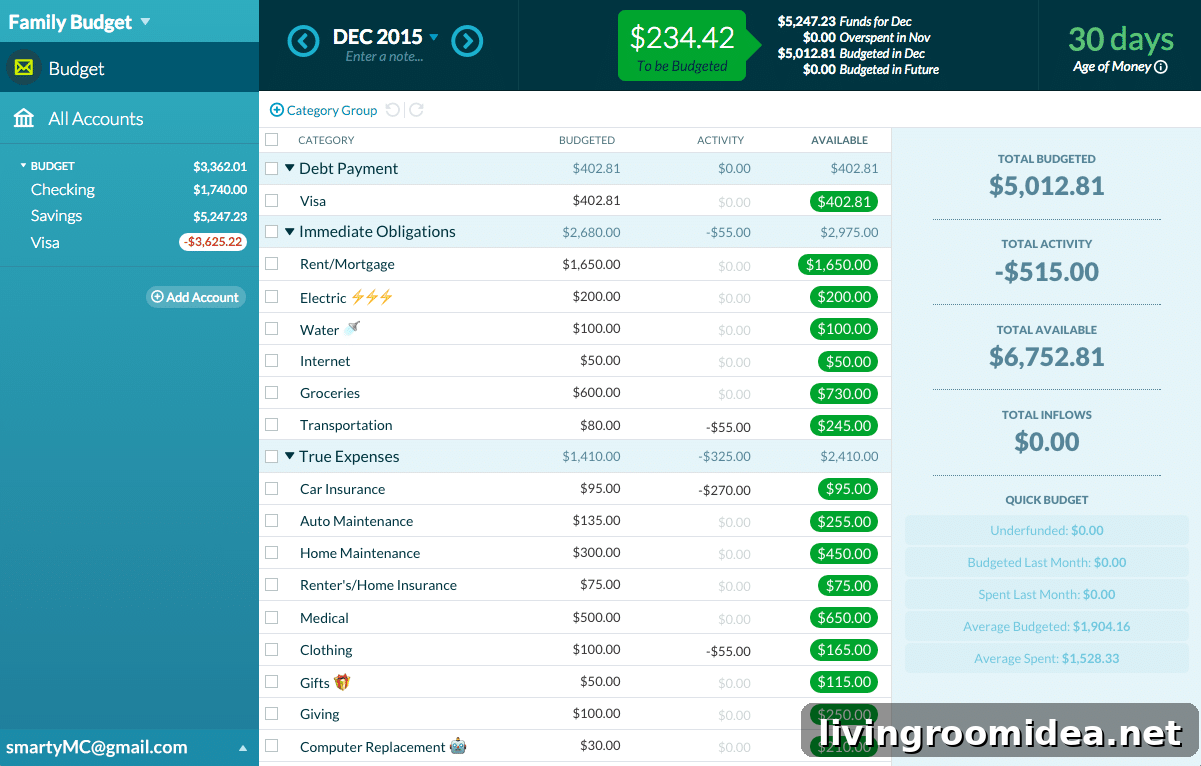
note: the budget images in this post are not of my own budget 🙂
When we moved to Seattle, it became clear we had to be deliberate about spending. We didn’t arrive with a dedicated home improvement fund or a financial windfall. If we wanted to make our long-term goals a reality while giving generously and meeting immediate needs, saving deliberately was essential.
Asking what can be done “on a budget” is not a one-size-fits-all question.
Being on a budget doesn’t mean you’re poor or cheap — it simply means you’ve decided where your money should go. Anyone who cares about how they use money, whether they have a lot or a little, can benefit from a budget.
We each have different goals, resources, and needs. One person might hire a professional for a project while another prefers to DIY and spend on materials. Neither choice is wrong — if each decision aligns with a personal budget, you can feel confident in the result.
The advantage of creating your own budget is that you decide in advance where your money goes. A budget lets you choose when to spend, when to save, when to splurge, and when to be frugal.
A budget becomes your decision-making tool when you face choices like: which chair to buy, this month or next, or whether to buy at all.
I started using an online budgeting system that’s been invaluable for setting goals like home projects. It’s called You Need a Budget (YNAB). When I was invited to share YNAB here, I was excited because it’s a tool I use and because budgeting fits naturally with the topics on this blog.
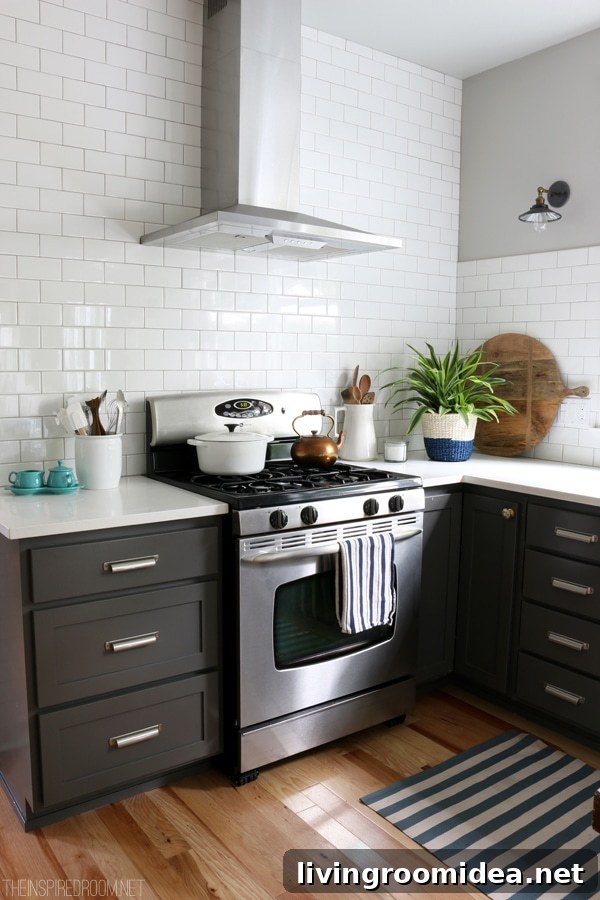
Ask yourself: How can you prepare financially for home improvement projects within your budget? When should you spend, and where should you save or splurge? How can you pay down debt and still reach financial goals while improving your home?
Without a budget, it’s easy to make decisions that derail your goals or to face avoidable surprises. A simple plan helps prevent expensive setbacks and keeps your home decisions aligned with your priorities.
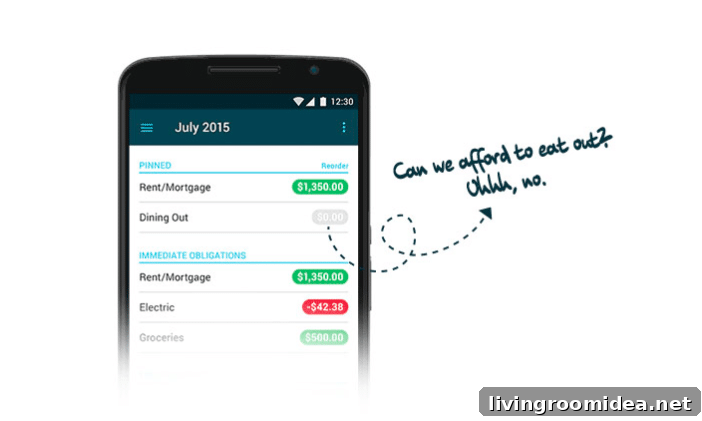
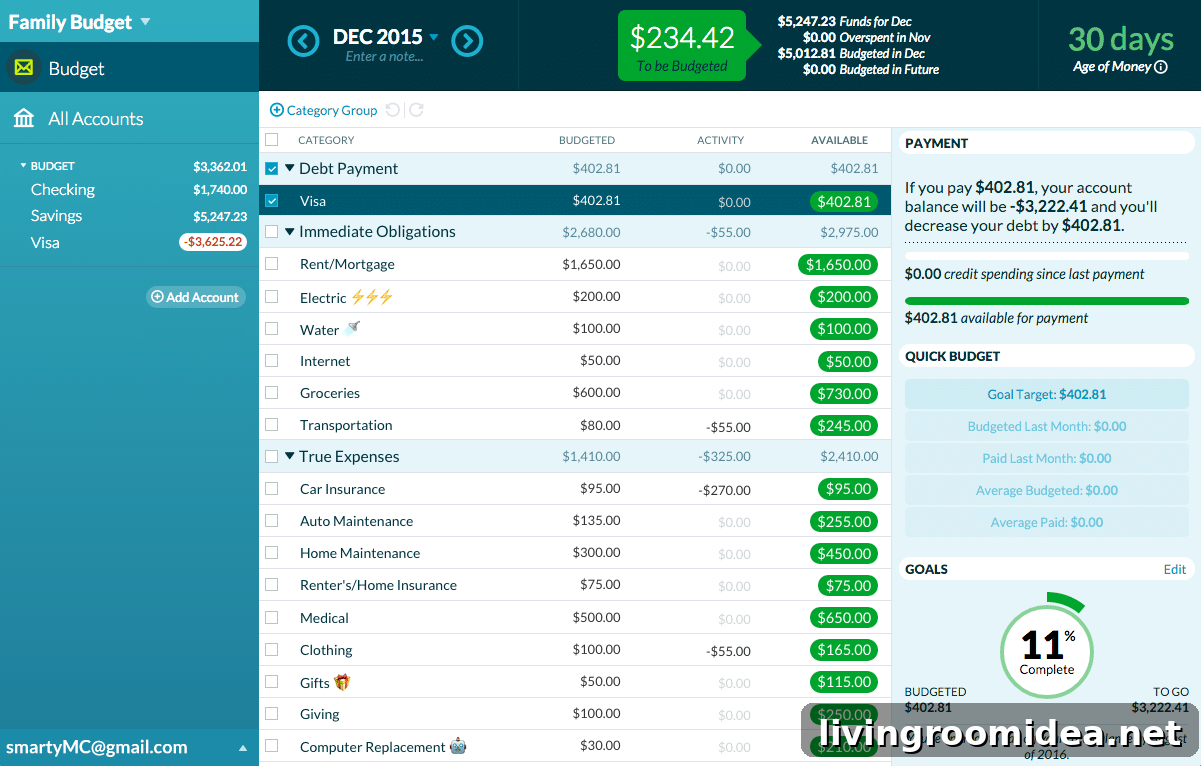
You Need a Budget is a helpful solution. It lets you assign your current money to specific purposes so you always know where funds are allocated. You can create an online budget, set and track savings goals with clear progress indicators, and monitor your plan from your phone. Those features make it easy to stay on track and confident in your choices.
Try YNAB — it can make budgeting feel manageable and purposeful.
***The first 30 readers to sign up for YNAB will receive the first 3 months free. There are video classes and tutorials available when you join, so explore the tools and see how they work for your goals.***