
Choosing artwork to hang on your walls can feel intimidating, especially when you want to create a cohesive grouping. What pieces will look right together? How do you use art to pull the room’s look and mood together?
Over the years I’ve written about selecting art for the home and shared tips and sources. This article focuses on three common mistakes people make when displaying artwork and offers practical advice for creating balanced, cohesive arrangements. I’ll also share two mood boards showing art pairings that work well together.
Art is personal and there’s no single right answer. Some of the best gallery walls break every rule and still look amazing. Use these suggestions as helpful guidelines, not rigid rules. Ultimately, choose what makes you happiest in your home.
Below you’ll find three common decorating mistakes, tips to avoid them, and two mood boards with example pairings.
Three common decorating mistakes people often make when displaying artwork:
- Using only small artwork
Relying exclusively on small frames can leave a wall feeling cluttered or visually fragmented. Incorporate a range of sizes and include at least one larger, statement piece to create a focal point. Larger art adds visual interest without necessarily making the space feel busy—an oversized print can simplify a room’s look while still making an impact.
- Displaying too many artworks with words
Art that features quotes or typography can be bold and expressive, but too many word-based pieces scattered around a room can create visual noise. When your eye keeps moving from text to text, the space can feel frantic instead of restful. If words are meaningful to you, choose one favorite piece to serve as a clear focal point instead of filling every wall with sayings.
A calm, intentional arrangement uses text sparingly so the artwork contributes to the room’s mood rather than competing for attention. Pick the single phrase or piece that best expresses what you want the room to feel like.
- Not creating a cohesive design and color palette
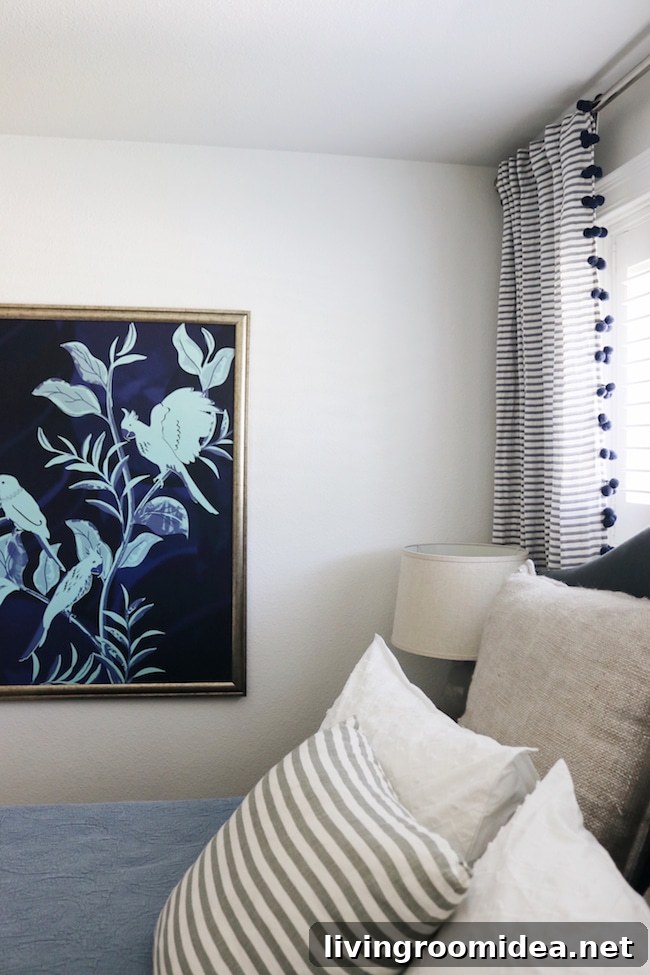
Artwork should complement the room, not make it feel disjointed. Think of art as a tool to reinforce your room’s palette and overall mood. Use the colors in a chosen piece to echo through accessories, pillows, rugs, or plants so the eye travels naturally around the space.
To make a bolder color statement, pick one favorite hue from your palette and repeat it in small doses across the room—ideally three times—in addition to using that color in a statement art piece. Different styles and subjects can be unified by a shared color story, helping varied pieces feel intentional when grouped together.
Also consider scale and style when arranging multiple pieces. Mix textures, frames, and subjects but tie them together with a cohesive color scheme or a repeating motif so the gallery feels curated rather than random.
Below are two example mood boards that illustrate how different art pieces can work together by repeating colors and balancing scale and subject matter.
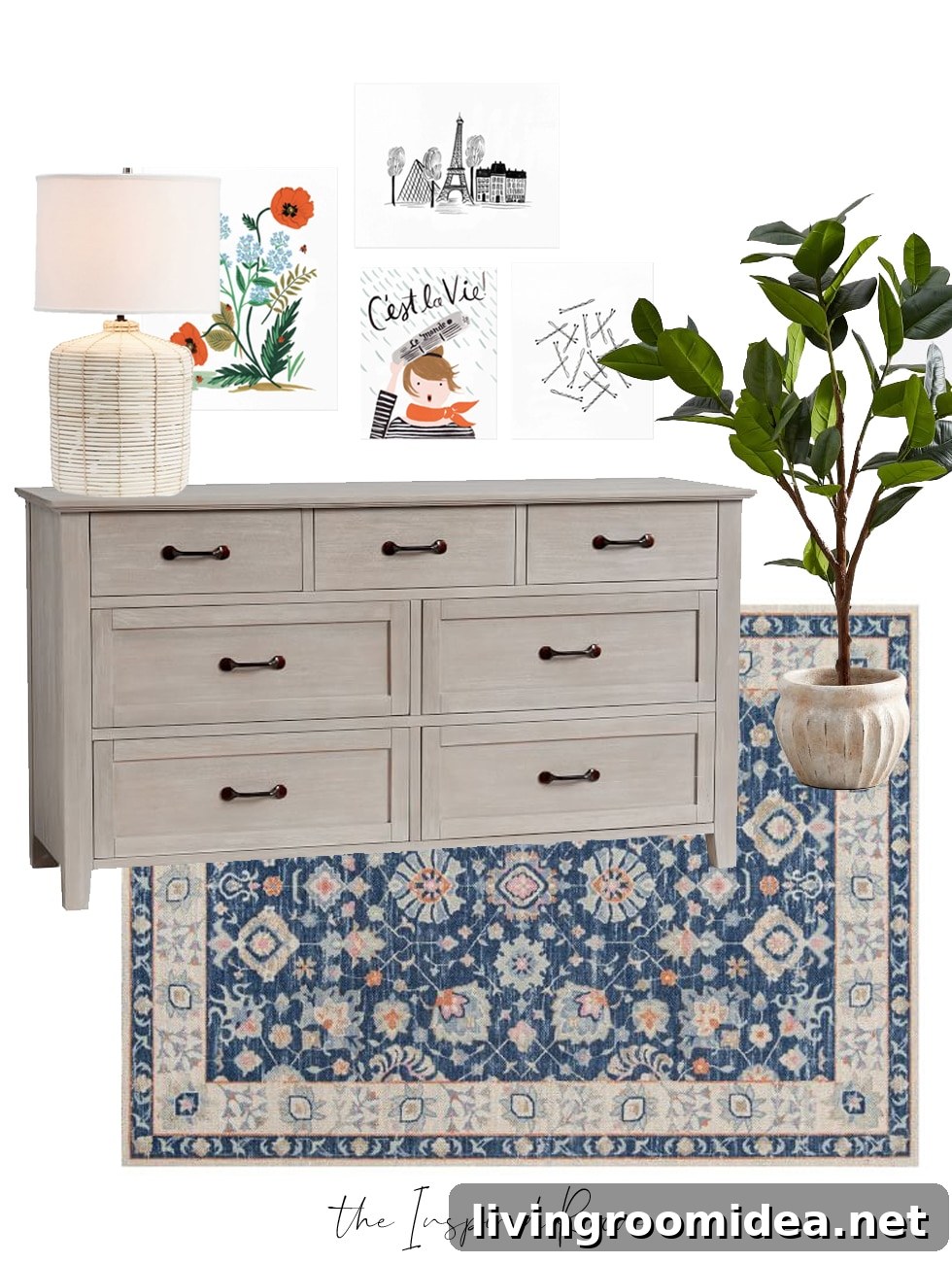
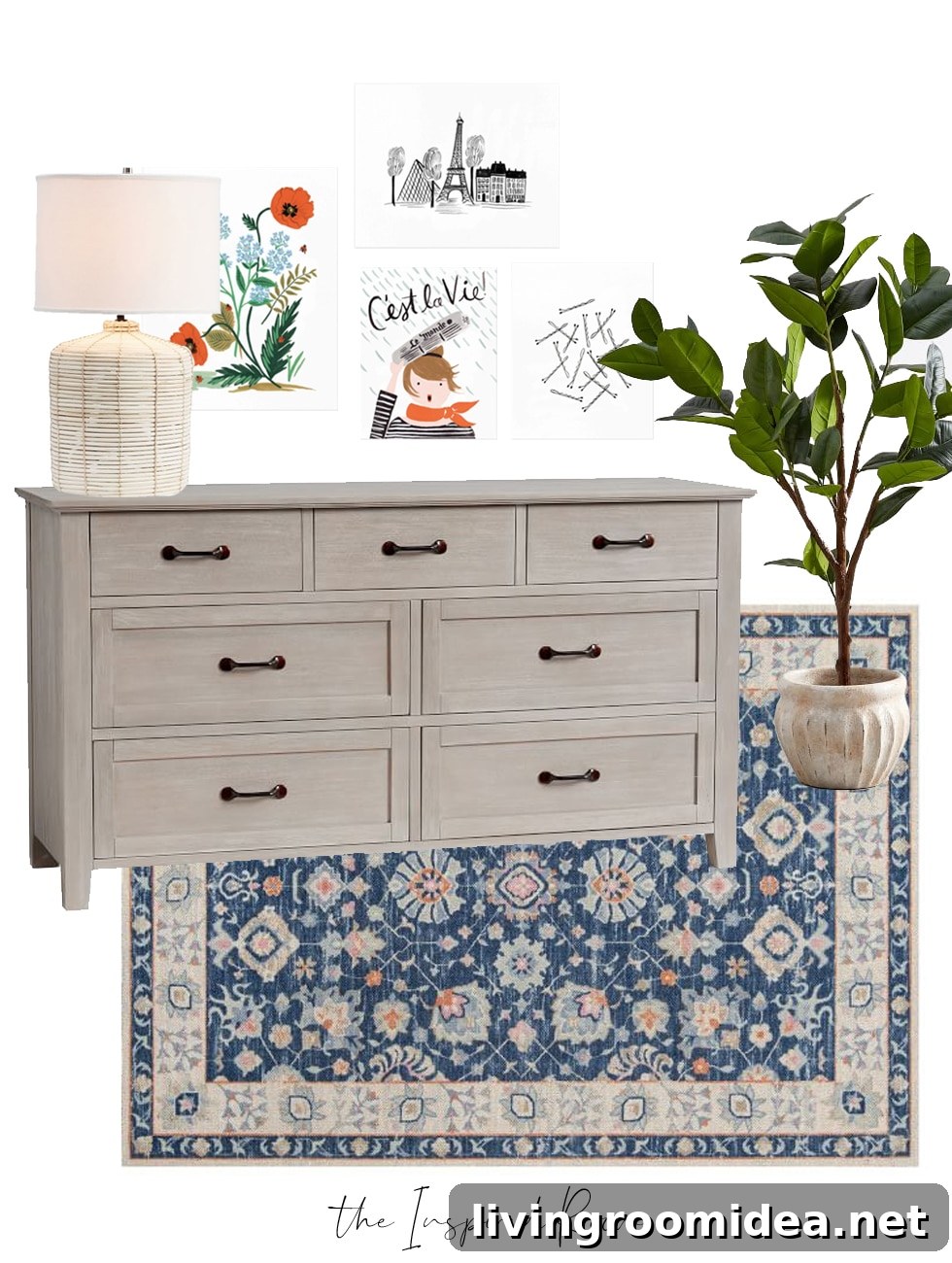
This first mood board mixes subjects: a botanical print, a portrait with the phrase “C’est la vie,” a Paris landscape, and a small-object study (bobby pins). The black-and-white base with pops of red-orange unifies the diverse imagery. The phrase adds a whimsical focal point, while the red-orange echoed in the rug helps the palette read as a coherent whole.
Styling note: When pairing prints, balance scale and color: let one piece be your visual anchor, then repeat accent colors elsewhere in the room so your eye moves calmly from one element to the next.
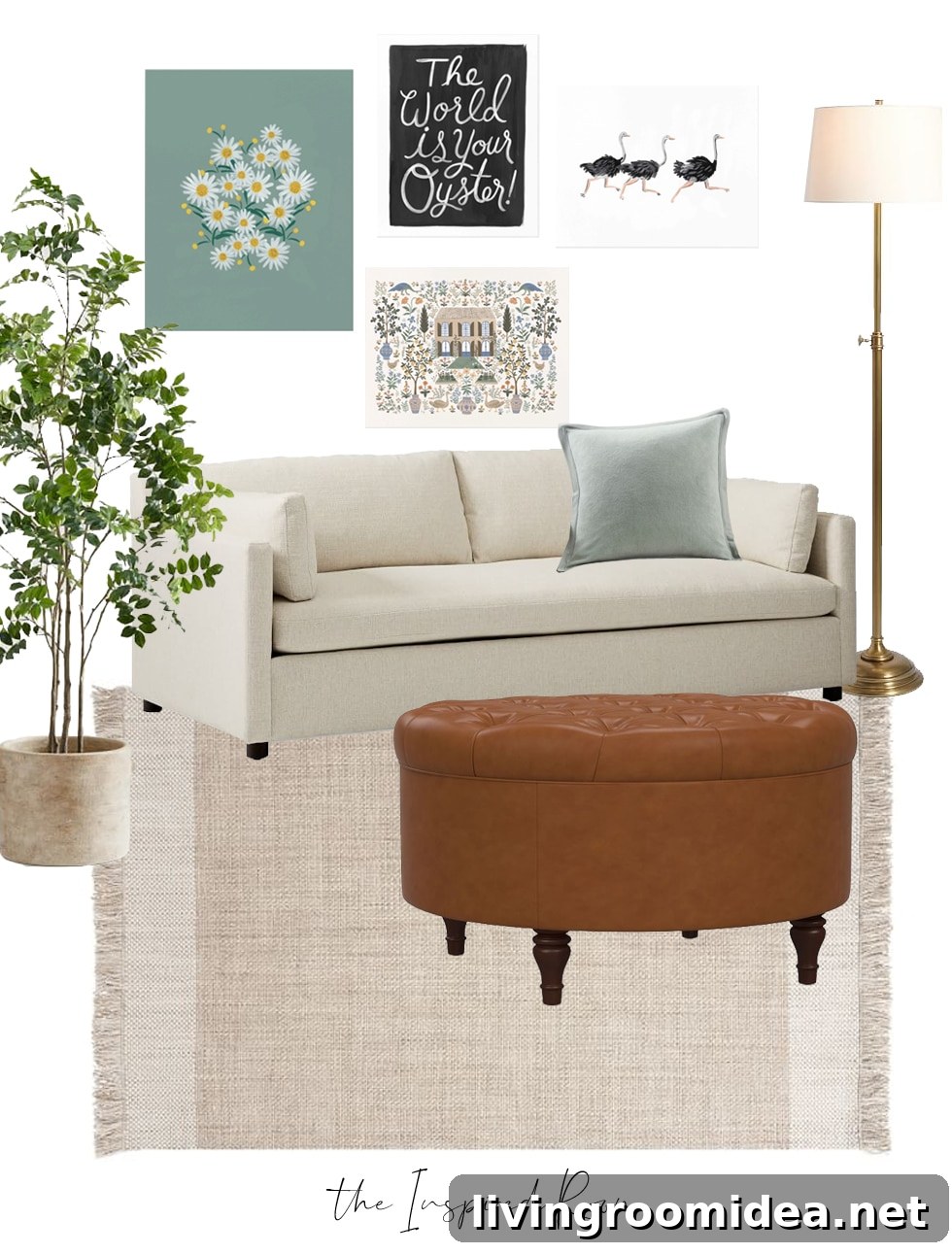
The second mood board pairs a floral, a quote, a detailed house/landscape print, and a simple ostrich illustration. The house print sets a soft, cohesive palette—sage greens, blues, black and tan—and a light green pillow echoes the art’s accent color to guide the eye around the room. Neutral sofa and rug choices let the artwork take center stage.
Styling note: Use neutrals for larger furniture items so your chosen artwork can provide color and personality without competing with upholstery or major decor pieces.
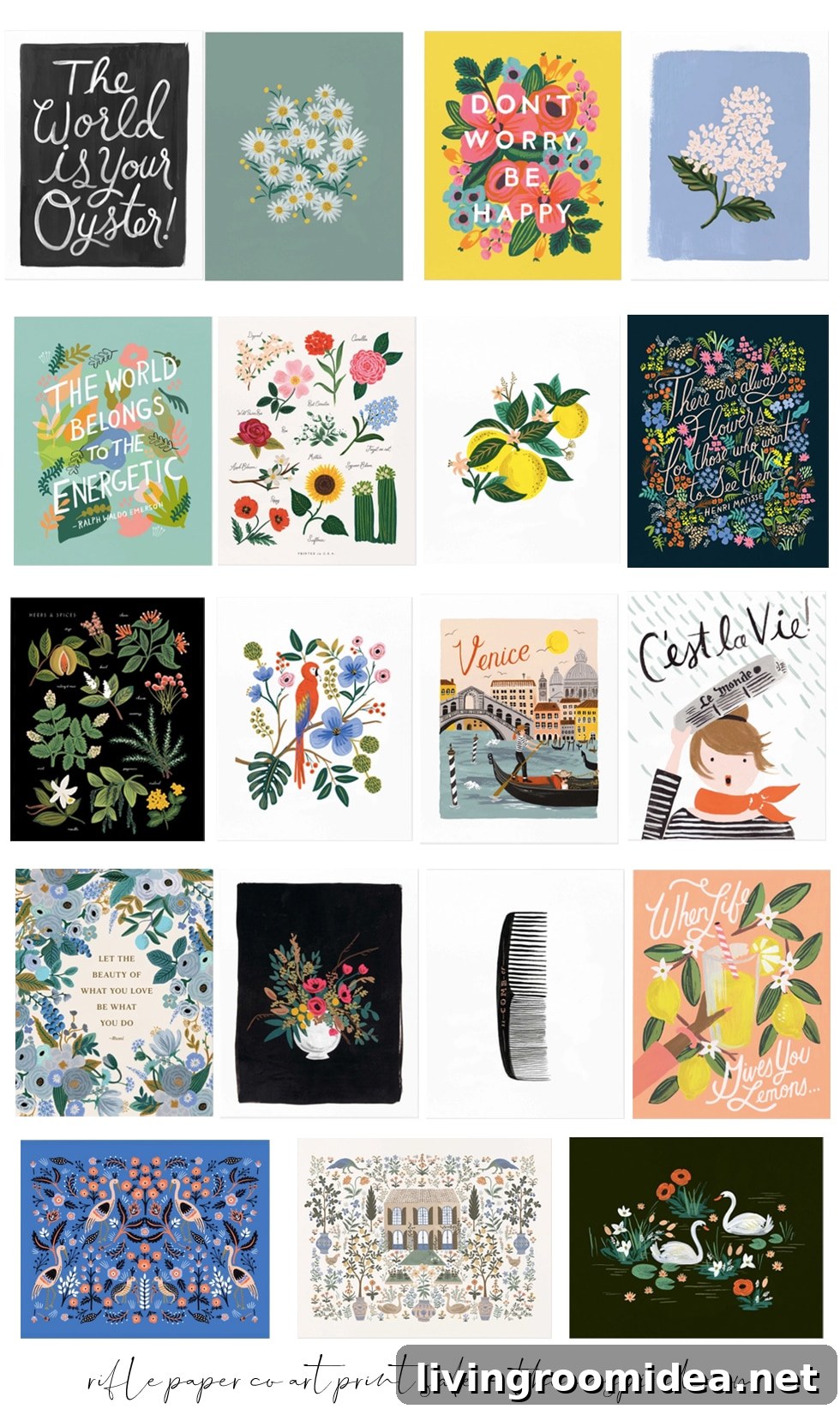
When selecting and arranging art, think about scale, color, and mood. Mix sizes, limit competing text elements, and use artwork to reinforce or introduce a palette that appears in smaller doses around the room. These steps will help create a balanced, intentional look that feels both thoughtful and personal.
For more decorating tips and room-by-room inspiration, explore additional posts and resources on arranging art and creating cohesive interiors. Use these guidelines as a starting point, then adapt them to what feels right in your own home.