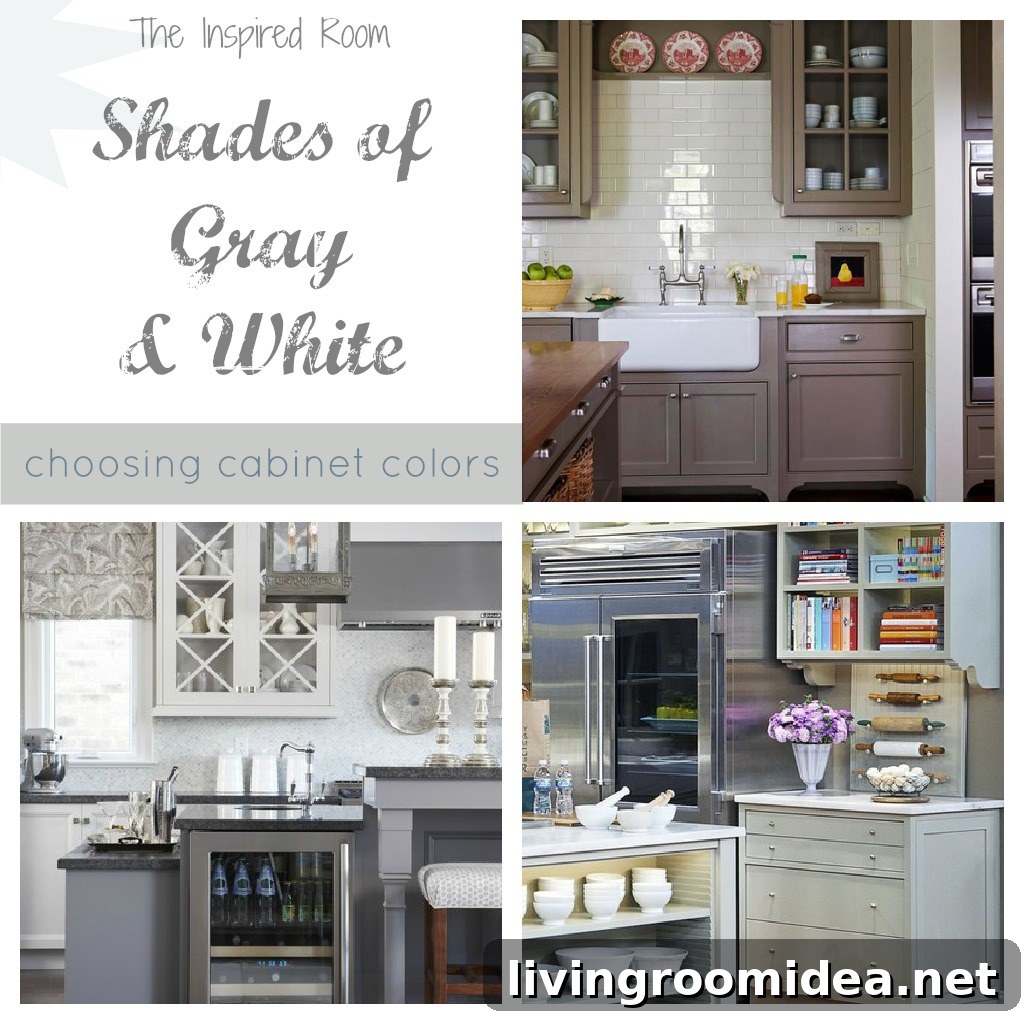
HGTV Sarah Richardson
Thank you for the kind responses about my painted kitchen cabinets. I admit I hesitated to move away from all-white cabinets after years of loving that look, but I’m very pleased with how the space is shaping up. Now that more of the kitchen is finished, I’m excited to share the full picture — there are more elements and subtle colors than the initial photos suggested.
Many of you have asked about cabinet colors while deciding what to do in your own kitchens. I’ve followed a consistent process for choosing colors in the kitchens I’ve redesigned, so I’ll outline how I approached this one and offer tips to help you plan a cohesive kitchen color scheme.
Going “all white” remains a popular option, but there are many cabinet colors that create beautiful, lasting kitchens. Some alternatives can suit a home even better than pure white. While I’ve often favored white—my previous kitchen was a soft antique white—you can certainly branch out and still achieve a fresh, airy result. Mixing in your home’s personality and existing finishes creates a unique, welcoming space.
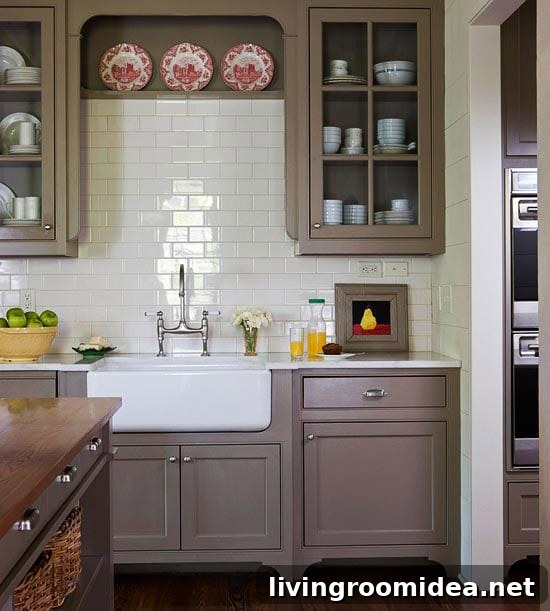
Traditional Kitchen design by Carolina Design Associates, LLC
What I look for in a kitchen is a thoughtful mix of foundation elements:
- white to reflect light
- contrasting neutrals to add interest
- balanced color in accessories and fabrics
- layers of texture and mixed metals
- architectural details that anchor the design
How you combine these elements depends on your taste and your home. Neutral palettes—variations of white, gray, black and tan—are timeless and easy to refresh with colored accents or seasonal accessories. In my experience, neutrals adapt well, and I haven’t found many colors that don’t work with the cabinets I chose. That versatility makes decorating simple and fun.
Think of a kitchen as more than a single paint color or one focal element. A white kitchen can still feel flat if it lacks layers, contrast, or interesting textures. Conversely, colored cabinets can be stunning when balanced with the right materials and finishes. Your cabinets, walls, counters, tile and fixed architectural elements should all work together to create the overall mood.
For example, if you’re set on white counters and subway tile, those choices become a key part of the design. You can then select cabinet colors that either recede to highlight architectural features or provide contrast to ground the room.
.
How I chose my cabinet color
If you want the decision details, here’s my thinking. If you just want photos, you can skip ahead. My aim was a custom, cohesive feel rather than the builder-standard look we started with. I made a few firm choices first: white counters and white subway tile. Those selections offered light, texture, and a neutral backdrop that wouldn’t compete with the floors.
I loved wood counters in a previous home, but in this house the new wood floors provide the warm wood tone I wanted. Wood counters or all-wood cabinetry would have blurred that balance, so I opted to let the floors do the warming while keeping counters bright and clean.
If you have fixed elements you’re not changing—like flooring—use them as a starting point for the rest of your design.
Once I committed to white counters and subway tile, I evaluated which cabinet colors would complement those decisions and the rustic floors. I ruled out several options:
- green felt too “cabin-y” with the wood floors;
- yellow lacked enough contrast;
- red was visually overwhelming;
- pale blues or teals felt too cottage-y for our Craftsman-style home;
- black would be too harsh in large areas; brown would read as uninspired;
- I wanted cabinets darker than the soft gray walls to provide depth.
With those choices eliminated, pure white cabinets seemed excessive with white counters and subway tile; I didn’t want a clinical feel. I wanted contrast to balance the brightness and to create visual rest. A deeper gray offered the timeless balance I wanted—combining classic elements like subway tile and an apron-front sink with a slightly modern edge to suit our newer home. The gray also harmonized with the rustic floors and gave the room a calm, grounded feeling.
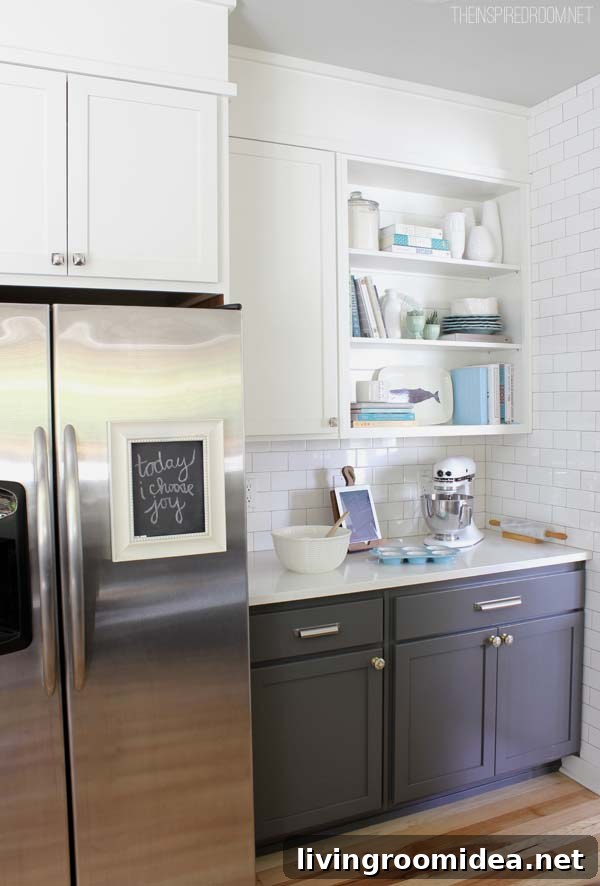
To honor my love of white and to add visual variety, we painted the upper cabinets white. The combination of white upper cabinets, white plank walls and white subway tile keeps the work area feeling bright and airy, while the darker lower cabinets provide contrast and balance. The floors add warmth, resulting in a space that feels light, clean and soothing.
There are still details to share—new ceiling fixtures, a DIY island makeover, rug and seating choices, and how we’re layering color and pattern with accessories—but the mix we chose feels right for the house and for how we use the space.
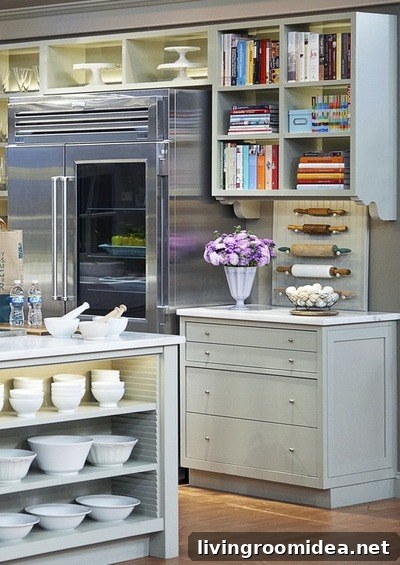
Every kitchen is unique. Consider all the elements and aim for the right balance—once you get the right mix, your kitchen can be gorgeous no matter what cabinet color you choose.