
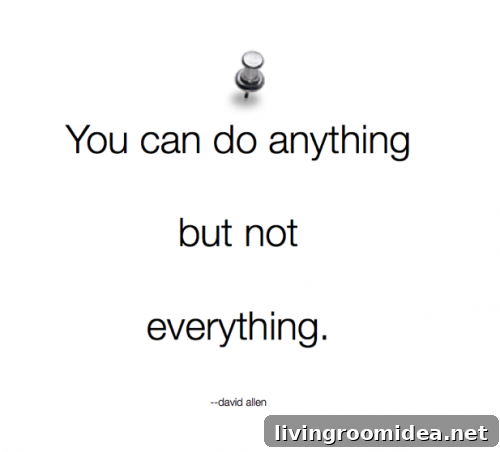
Inspirational words have a subtle power to uplift a room and the people who inhabit it. Framed prints, canvases, or simple typographic art can set the mood, reinforce values, and create a focal point without overwhelming a space. When chosen thoughtfully, a single phrase can articulate intention, provide daily encouragement, and enhance the overall design of your living area.
Choosing the Right Message
Select words that resonate with your household’s personality and purpose. Short, clear phrases work best for visibility and readability—think one- to three-line statements. Consider whether you want the message to be energizing, calming, or reflective. Words that align with your routines or goals (such as “breathe,” “gather,” or “create”) will feel more meaningful and authentic in the space.
Typography and Style
Typography plays a key role in how a message is received. Bold, large fonts create impact and draw attention, while script or hand-lettered styles add warmth and character. Neutral, minimalist typefaces complement modern interiors, whereas ornate or vintage fonts suit eclectic and traditional rooms. Keep contrast in mind so the text is easily read from across the room—dark text on a light background or vice versa.
Placement and Scale
Think about where the artwork will be viewed from most often. Position typographic pieces at eye level in entryways, above sofas, or near dining tables to ensure they’re noticed. Scale the artwork to the wall and surrounding furnishings: a small print can get lost on a large wall, while an oversized piece can dominate a delicate vignette. Grouping several smaller typographic pieces into a gallery arrangement can balance scale and create visual interest.
Material and Finish
Materials influence the feel of a message. Canvas and wood add texture and warmth; metal or acrylic can lend a sleek, contemporary edge. Frames bring structure and polish—choose a finish that complements other hardware and accents in the room. Non-reflective glass or matte finishes prevent glare and make text legible in various lighting conditions.
Color and Mood
Color affects emotion and legibility. Monochrome palettes offer timeless elegance and integrate easily with most decor. Accent colors tied to the room’s palette can create cohesion and draw attention to the words. Softer hues feel soothing, while brighter tones energize. Always balance color choices with readability so the message remains clear.
Personalization and Authenticity
Personal or custom pieces carry special meaning. A family motto, coordinates of a cherished place, or a brief phrase in a loved one’s handwriting transforms decor into memory. Authenticity matters: choose words that reflect your life and values rather than following passing trends. This ensures the artwork remains relevant and cherished over time.
Practical Tips for Styling
- Mix typographic art with photographs or simple mirrors to prevent a room from feeling one-note.
- Use mats or mounts to add breathing room around text and improve focus.
- Consider removable adhesive hooks or picture-hanging systems for easy rearranging without damaging walls.
- Rotate pieces seasonally or when you need a fresh perspective to keep the space feeling alive.
Incorporating inspirational words into your living spaces is an accessible way to shape atmosphere and communicate intention. Thoughtful choices in message, type, scale, and material will ensure the words enhance your decor while remaining meaningful day after day.