
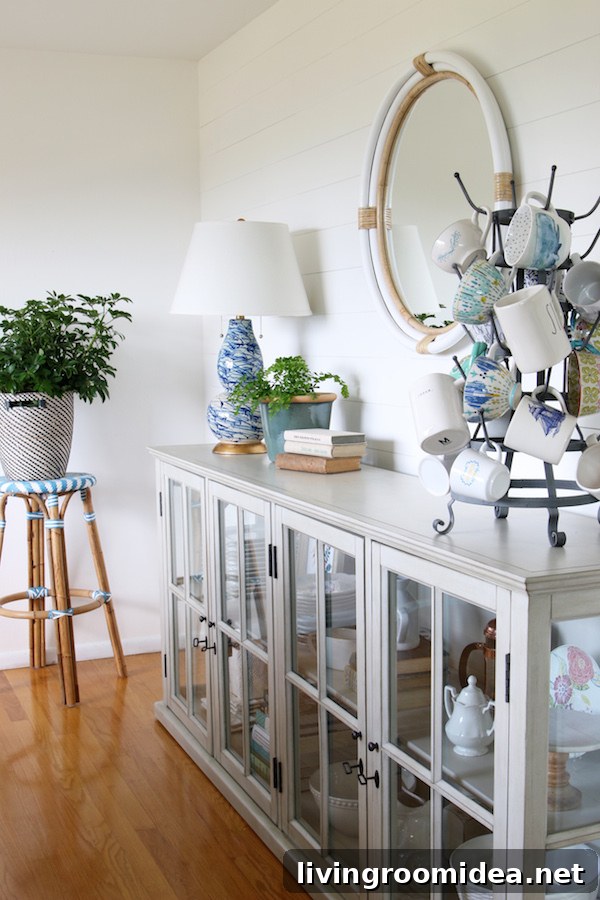
It’s no secret—I love shiplap walls. I’ve been a fan for many years, so I wanted to share what I’ve learned from multiple projects over time. Below I answer common questions, explain the materials we used, and show how we finished edges and corners.
Our shiplap wall has made a meaningful impact in our home. We’ve used planked and tongue-and-groove walls in several houses, so I can share notes from different eras and styles. This isn’t a step-by-step DIY guide—I’m not a professional contractor—but it’s a practical FAQ with tips and photos from projects we’ve completed.
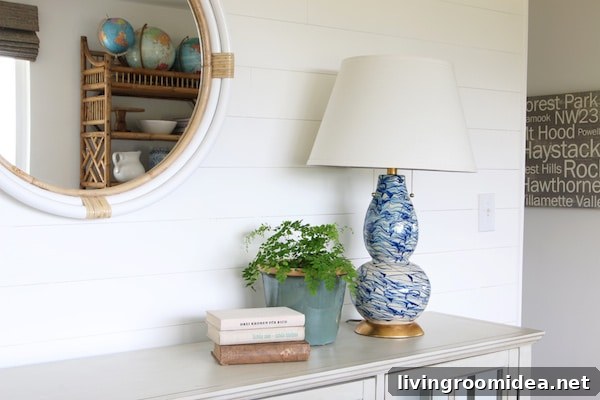
Let’s talk about shiplap walls!
Shiplap didn’t begin with television designers—its history stretches back to siding and the backing used behind plaster walls. Over time it became a decorative feature used in interiors and exteriors alike. It’s versatile and works with farmhouse, traditional, and modern aesthetics when installed or finished in a style that suits your home.
You can paint shiplap any color you like; white is common but not required. Lighter colors keep the look bright, while deeper tones add warmth and drama. Consider testing paint samples on the actual wall to see how light affects the color throughout the day.
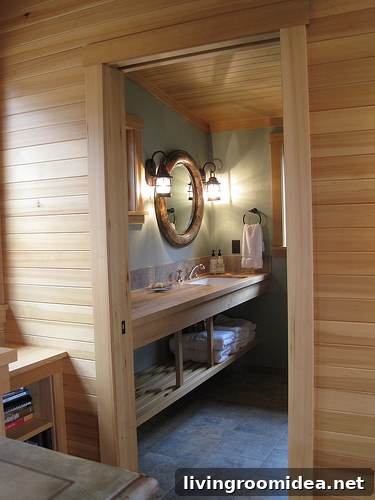
At our beach house the shiplap remained natural wood and unpainted. It was installed years ago and still reads as a classic, warm finish. In recent projects we’ve chosen different materials and installation approaches to fit each home’s character and budget.
Although “shiplap” technically refers to a specific jointed board style, many people use the term for any planked wall. I’ll use the popular term here for clarity.
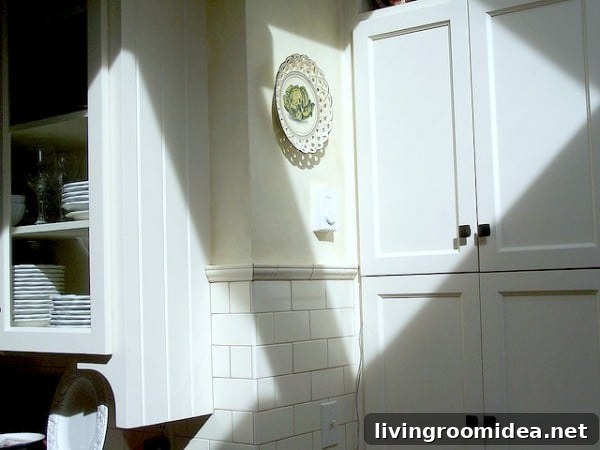
Where and when to use planked molding
Planked walls can be used in many places: entire rooms, a single accent wall, cabinet backs, ceiling panels, or the backs and sides of open shelving. We installed vertical tongue-and-groove planks behind shelves and on cabinet sides in an older Tudor-style house to match existing trim, and in another house we used planks across a bathroom ceiling. The material and orientation can be chosen to complement the architectural style of each room.
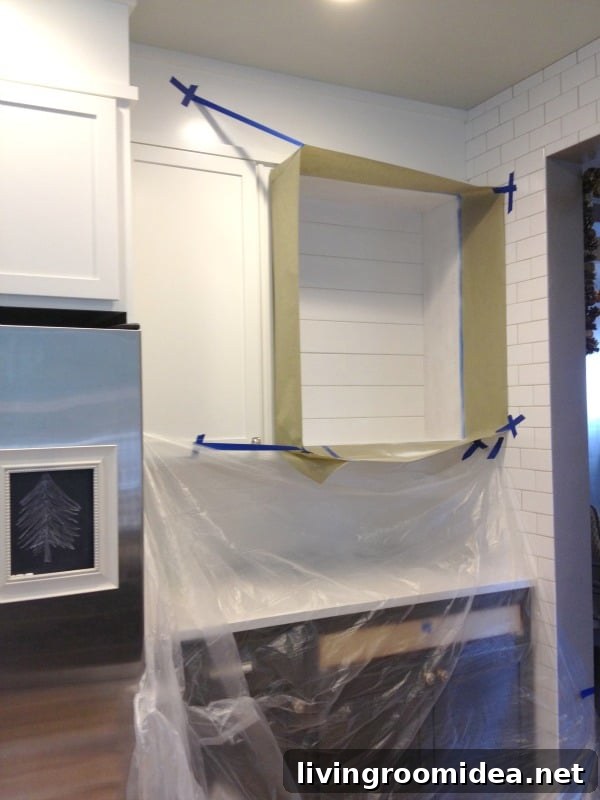
In some projects we used long pine tongue-and-groove boards for a chunky, authentic look. In others, especially where budget or ease of installation mattered, we chose primed MDF boards cut to width and installed them as planks.
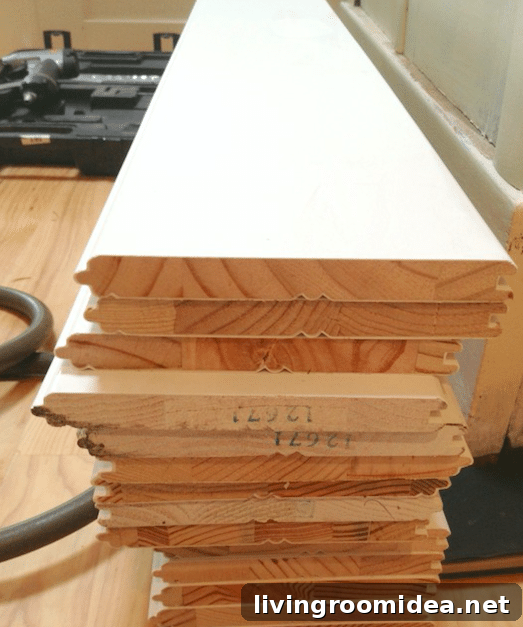
What wood to use for planked or shiplap walls
Solid pine tongue-and-groove boards provide a warm, substantial feel and interesting profiles. Some boards include beading or a V-groove depending on orientation—installing the face one way can give a beadboard look while flipping it reveals a V groove. Real wood has character—knots, slight imperfections, and depth—but it’s typically pricier and may require more maintenance.
For our current dining room we chose a different approach: primed MDF baseboard molding cut to 5 inches wide and 1/2 inch thick. MDF is more affordable, comes pre-primed, and accepts paint smoothly. It’s an efficient option for a painted planked wall and is commonly available in consistent widths suitable for shiplap-style installations.
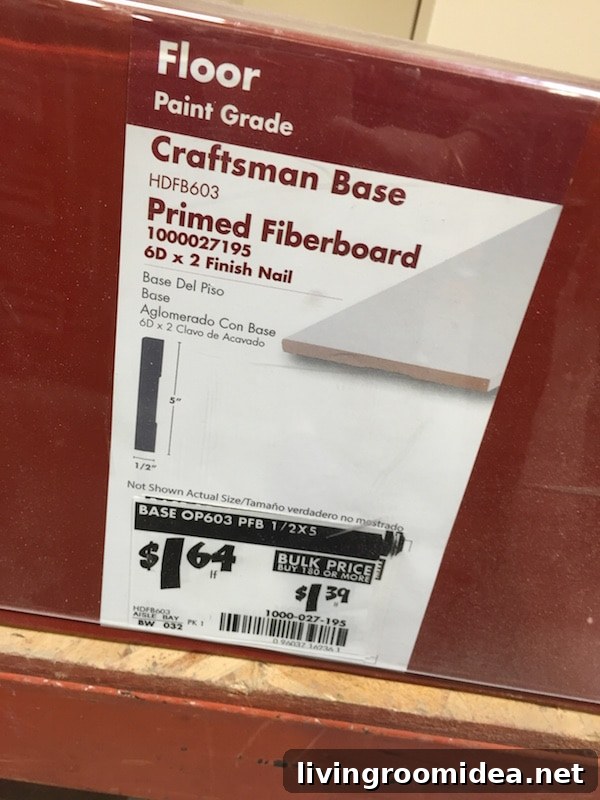
MDF baseboard molding for shiplap walls
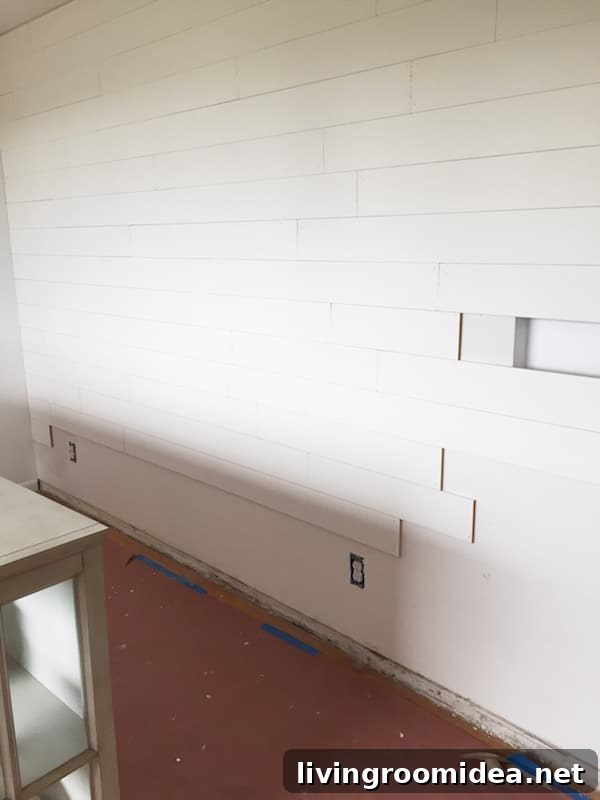
Using MDF baseboard molding as the plank material is a practical choice: it’s already primed, easy to paint, and comes in widths that mimic traditional shiplap. Our contractor used boards similar to the photo we provided from a big-box store. MDF panels are simple to cut and install, and they save both time and cost compared with milled solid wood.
Plank walls with staggered board installation
Instead of running one long board the length of the wall, we used staggered, random-length boards to create a slightly older, less modern look. The contractor glued and nailed the boards closely together rather than spacing them with even gaps, producing a subtle groove that’s less likely to collect dust and reads more refined in a small room.
This approach also mimics the imperfect, layered look of older paneling—paint seepage into a few grooves helps reinforce that authentic feeling and prevents the wall from looking too new or fussy.
How to finish the edges of shiplap boards
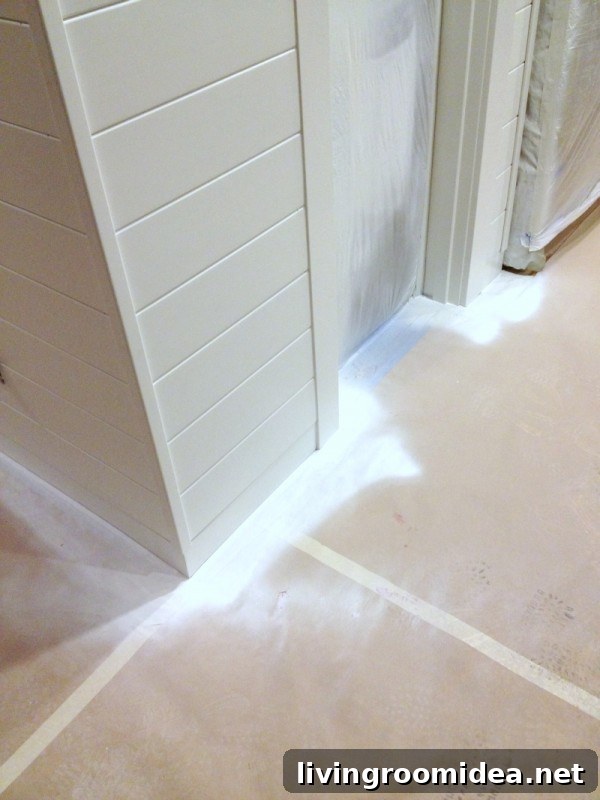
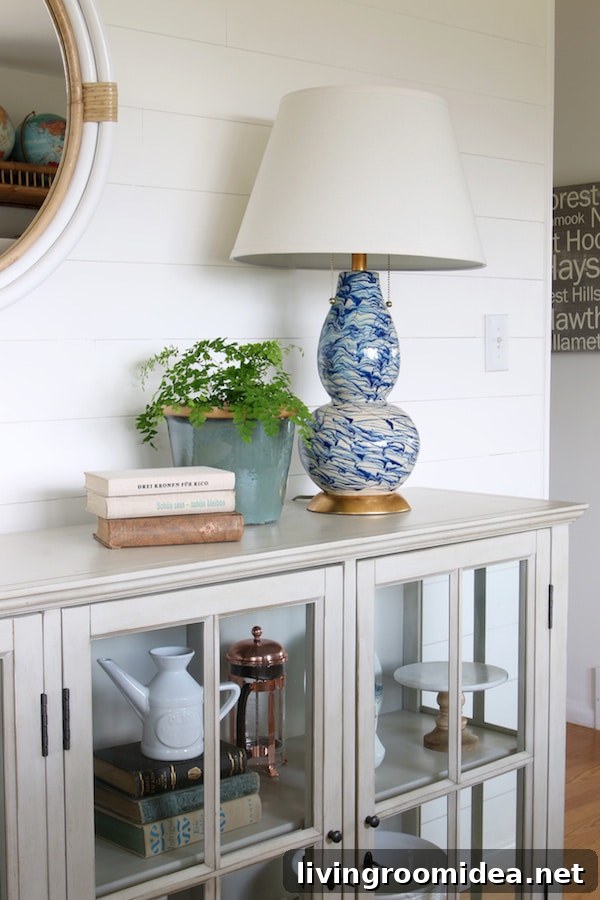
Finishing the outer edge of the shiplap can be done with a small end cap or trim piece that neatly terminates the boards. We used a subtle end cap and then caulked and painted the joint for a seamless appearance. When possible, wrapping shiplap around a corner looks great, but an end cap and careful caulking create a clean finish when the board stops at a wall.
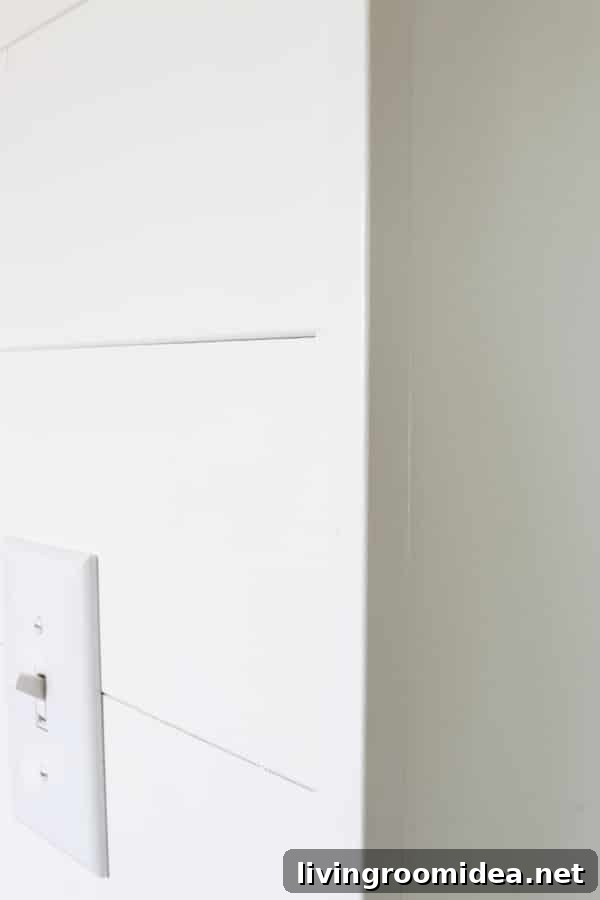
On the other side of our installation the planks simply run to the adjacent wall and are caulked to blend into the surface, creating the illusion that the planks are integrated with the wall rather than applied on top.
Dealing with crown molding and baseboards
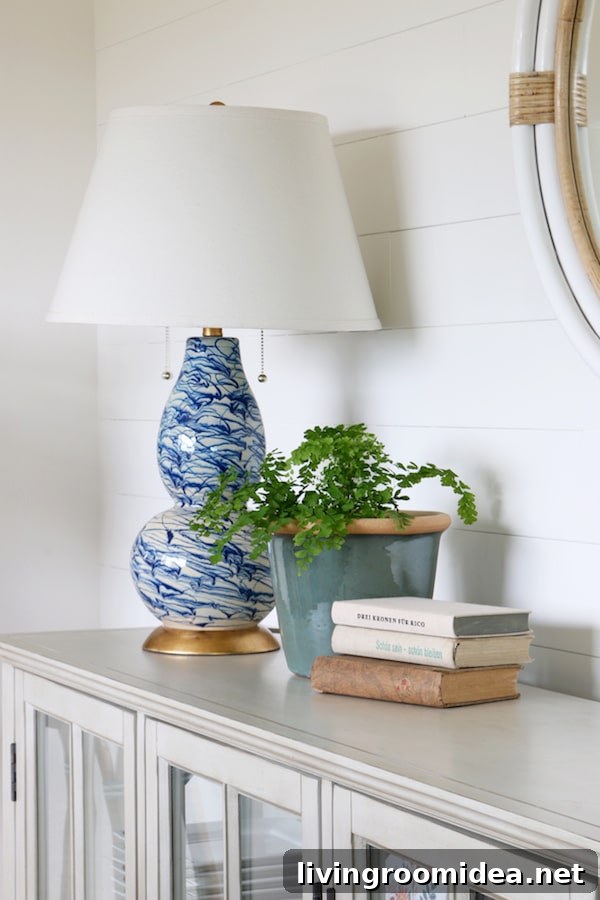
Horizontal shiplap can finish at the ceiling without crown molding by installing the top board tight to the ceiling and caulking the seam. For vertical installations you’ll typically want a trim piece at the ceiling. In our project the contractor removed the baseboards and reinstalled them over the planking for a polished look, though leaving baseboards in place and letting the planks overlap them also works fine.

Additional thoughts on installing shiplap
Planked walls add architectural weight and texture, and they can alter how a room feels—sometimes making it appear taller or wider. A subtle groove and random board lengths create a quiet, integrated look rather than shouting “new feature.” Doing one accent wall is a budget-friendly way to introduce texture; you can always add more walls or ceilings later.
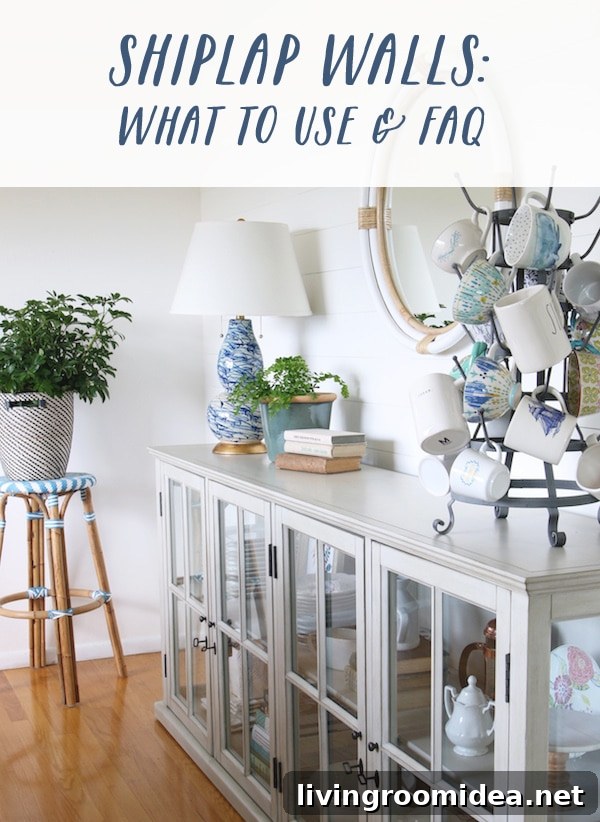
We’ll definitely add more planked walls or ceilings in our home—it’s a look I continue to love.
If you have other questions about materials, paint choices, or finishing techniques, feel free to ask.

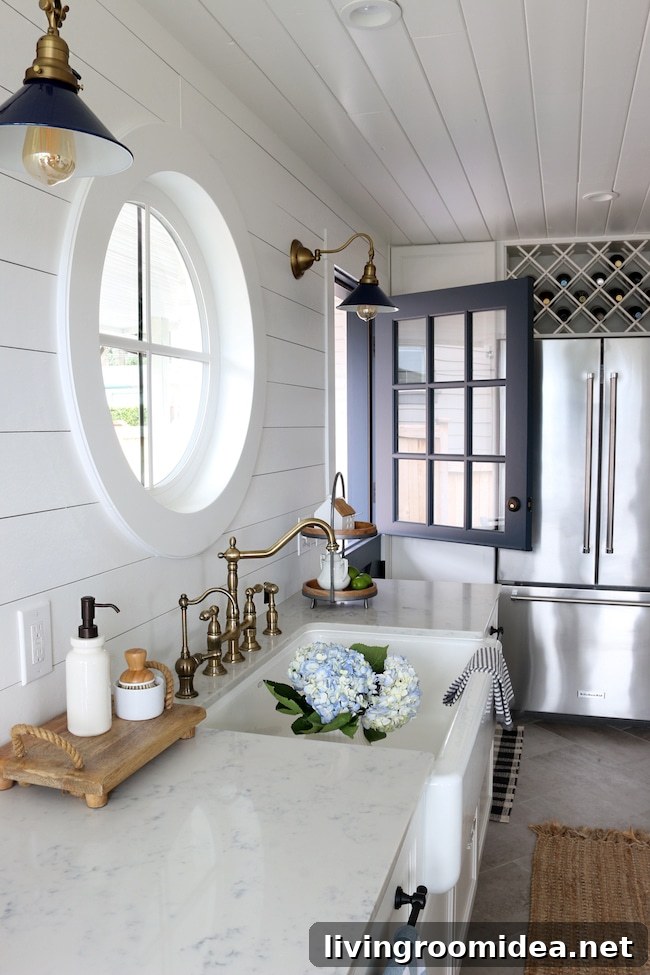
Paint color tip:
Always test paint colors in your own home before committing. Lighting and neighboring finishes change how a color reads. Peel-and-stick paint samples are a convenient way to test larger swaths of color on your walls without committing to a whole can.