
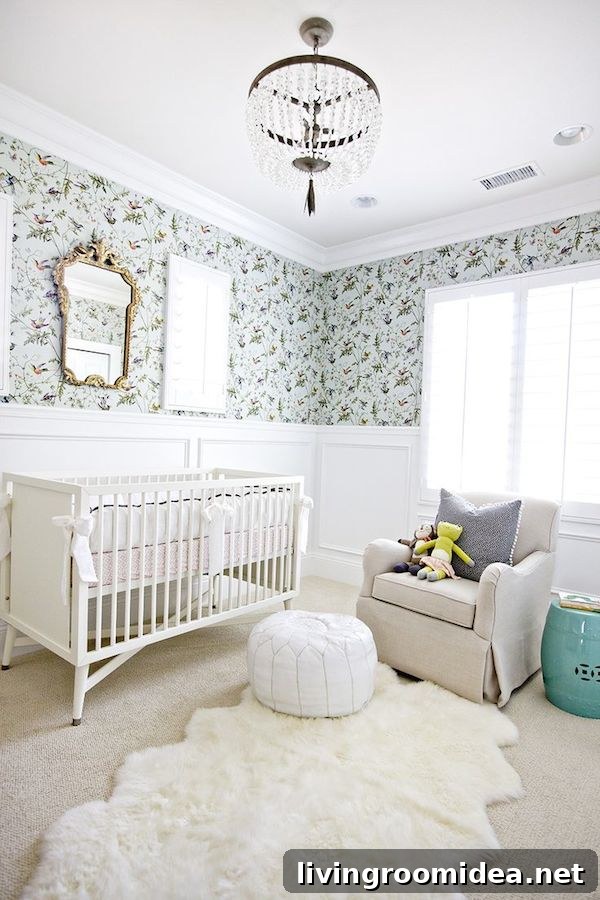
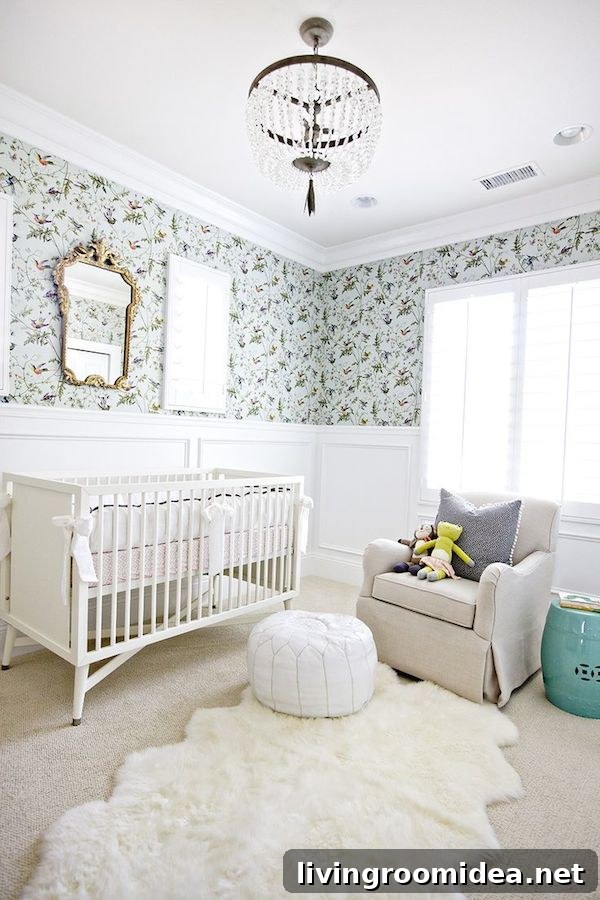
Design by Shea McGee – Photography by Brooke Palmer
Today I want to answer a question I get often from readers and from friends who are new parents: how to design a modern baby nursery that feels sweet but not overly themed or juvenile, and that will grow with the child. Many parents want a room that feels timeless and stylish while still being cozy and practical for a baby.
Below I’ve gathered inspiration rooms that strike that balance—spaces I would happily design again. These nurseries avoid heavy themes and instead focus on classic color palettes, interesting textures, and a few playful accents. The result is a gentle, grown-up look that still feels warm and welcoming for a little one.
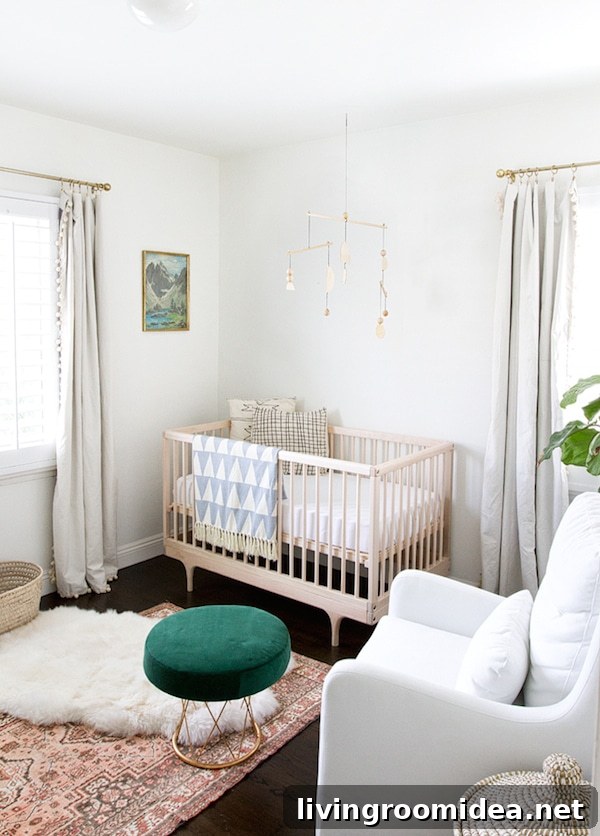 Neutral and gender‑neutral palettes make rooms adaptable as children grow.
You don’t have to shop only at traditional baby stores to create a unique nursery. A memorable room can be built from the styles you already love: simple furniture lines, soft textiles, and a handful of tasteful accessories. These choices create a cohesive space that feels intentional rather than themed.
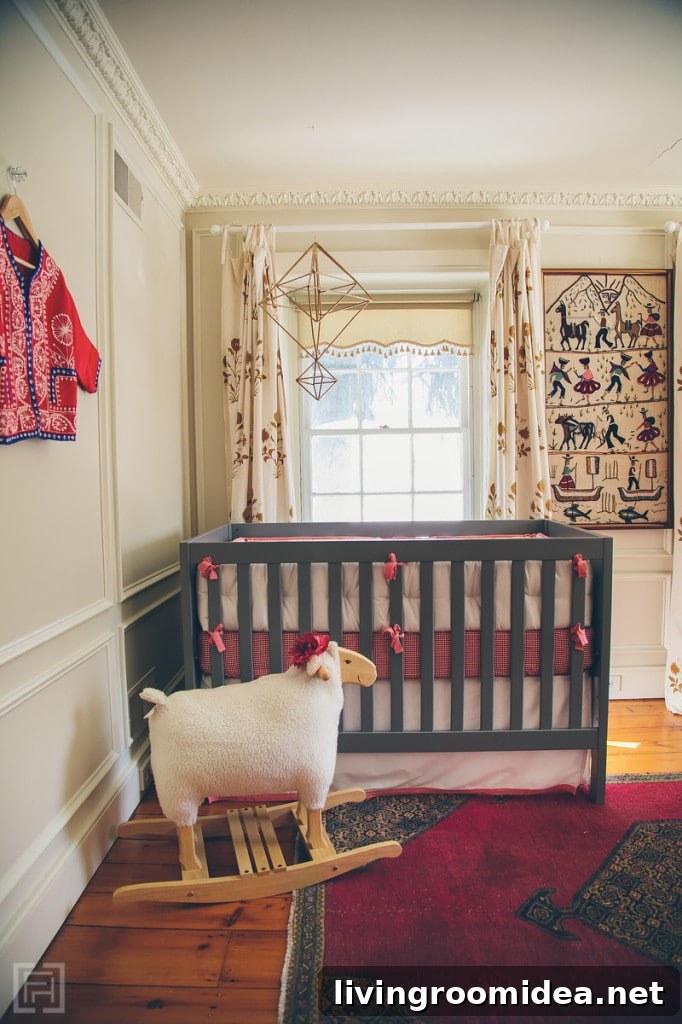
Thoughtful furniture placement and layered lighting make a nursery comfortable and functional.
Focus on elements that add warmth and sensory interest: a soft, touchable rug for tummy time, curtains that filter light gently, and a comfortable rocker or glider for late-night feedings. Wallpaper or a painted accent wall can provide personality without overwhelming the room. Simple decorative trims like pom‑pom details or oversized tassels add whimsy while remaining sophisticated.
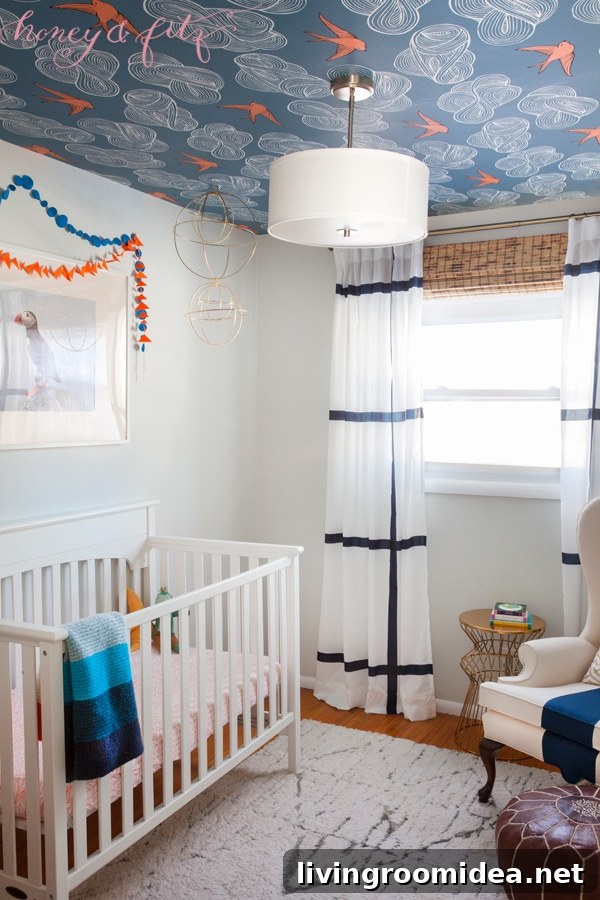
A well-chosen color story—like soft blues with warm accents—keeps a nursery fresh and versatile.
Choose durable, practical pieces that can transition as the child grows: a convertible crib, a dresser that doubles as a changing station, and shelving for toys and books. Textiles are an easy way to update a room over time—swap out cushions, rugs, or curtains for a new look without a full redesign. Lighting is another key element; a statement fixture paired with a dimmable lamp creates both style and function.
Small, thoughtful details make the space feel personal. Plush toys, framed artwork, and a favorite blanket add character while keeping the room uncluttered. Consider storage solutions that keep essentials within reach but out of sight when not in use, preserving a calm, airy atmosphere.
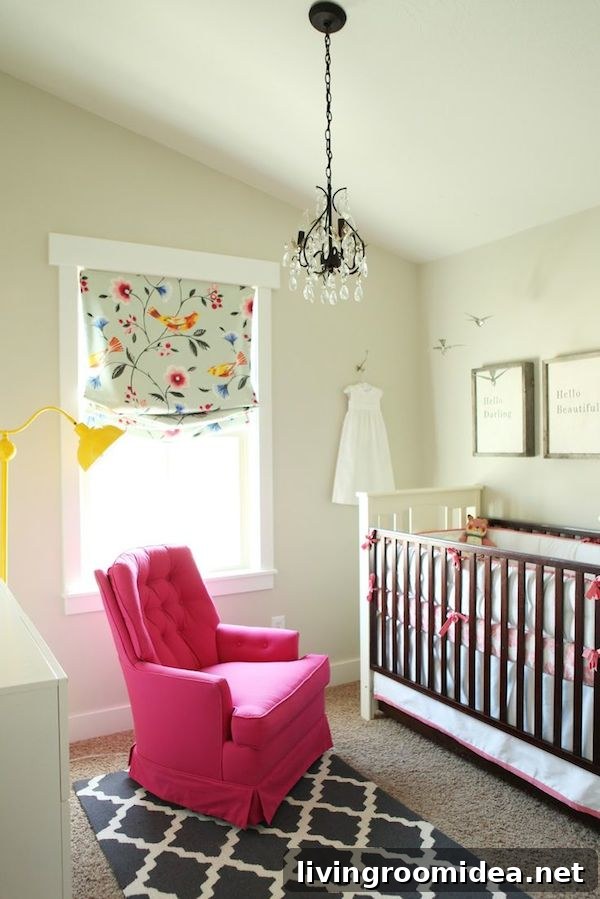
Mixing textures—wood, soft fabrics, woven baskets—adds depth and comfort to a nursery.
Are these rooms not adorable?
If you’re planning a nursery, start with a clear color palette and two or three anchor pieces, then layer in texture, lighting, and small accents. This approach creates a room that feels curated, comfortable, and adaptable as your child grows.
Related Posts:
Shared Spaces
Children’s Rooms: Decorating and Organizing Tips
Inspiration from the Children’s Room board on Pinterest