
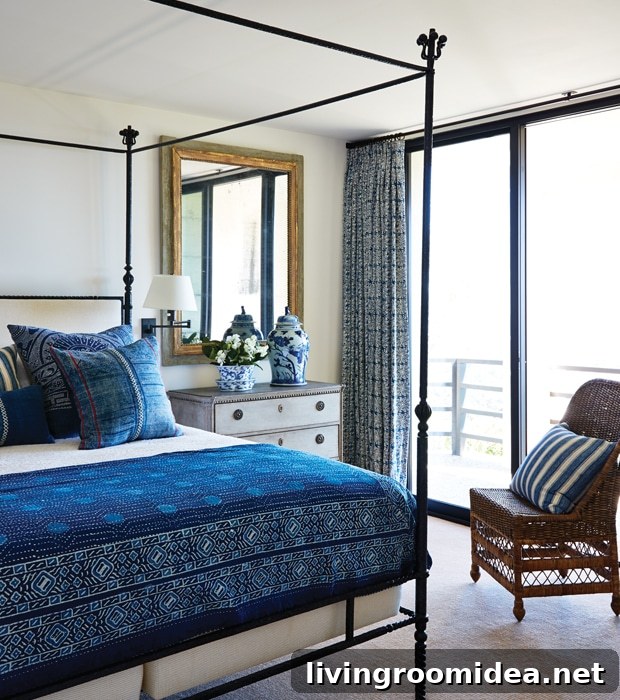
House and Home May 2015 / Photographer: Stacey Brandford
Hi friends — it’s been a while! I didn’t mean to disappear from the blog last week, but a few large projects, deadlines and some unexpected events demanded my attention. Between family, work and life, I needed to pause for a bit to focus. Everything is fine now, and I appreciate your patience. I have several posts coming that will share what I’ve been working on, including our bedroom makeover and the new shutters.
In the meantime, I wanted to answer a reader question that came up on a recent bedroom post. A reader asked how I “connect the design dots” to create a cohesive style throughout a home. When you love different styles or colors, your rooms can go through awkward phases. The good news is that with a few thoughtful moves you can make a collected, cohesive home without sacrificing the pieces you love.
Creating continuity across a room or your entire home is easier than it may seem. You don’t have to limit yourself to a single trend or a monochrome palette. Instead, aim to repeat certain elements so your eye reads the space as intentional and tied together. Below are practical ideas I often use and share in my books.
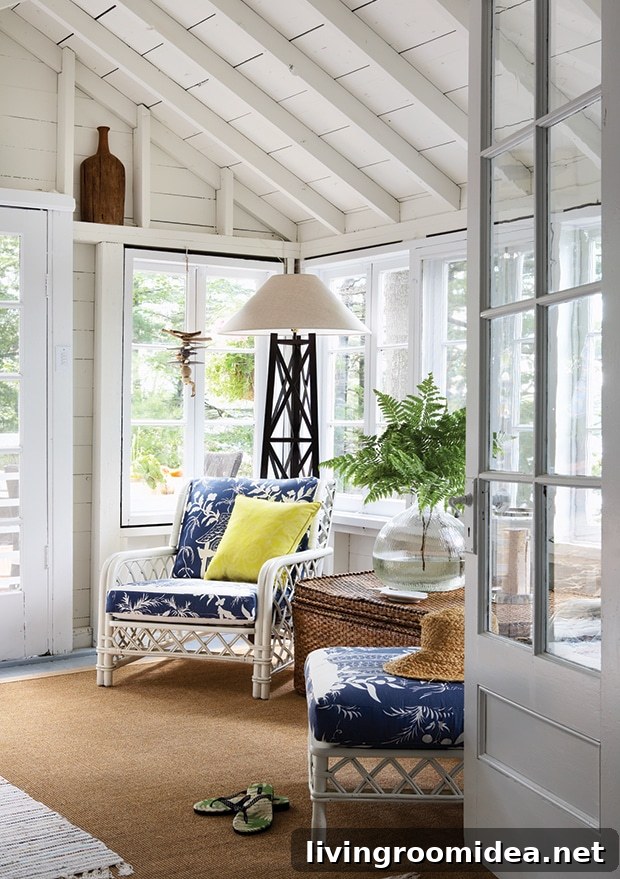
House and Home / Photographer: Michael Graydon / Designer: Anne Hepfer
Create Continuity
Mixing furniture styles or collected pieces is perfectly fine — in fact, it makes your home unique. The key is to introduce repeated elements that create a visual thread through rooms. Below are accessible, effective ways to build that continuity.
What elements can help you create continuity?
1. Color
Repeating a color throughout a room or across rooms immediately ties things together. Even subtle repeats — a recurring accent color in pillows, artwork, or accessories — make the space read as cohesive. The same principle applies to wood tones: while mixing wood finishes works, repeating one tone in several places helps connect furniture and surfaces visually.
2. Pattern
Use pattern deliberately. Repeating a pattern on a few pillows, a throw, or a rug can unify varied furniture pieces. A single large patterned rug can also anchor a seating group and bring harmony to different styles.
3. Architecture
Architectural details lend continuity when repeated. Matching door styles, consistent trim or molding, repeated hardware or similar lighting fixtures all reinforce a unified look. Consistent flooring throughout an open plan or connected rooms is another strong visual connector.
4. Accessories
Accessories are an easy and budget-friendly way to create continuity. Matching lamps, repeated shapes or similar-color vignettes across surfaces create rhythm and help guide the eye from one space to another.
5. Style
Even if you love an eclectic mix, choose at least one style or repeated shape to anchor the look. A matching pair of chairs, a recurring antique piece, or a consistent furniture silhouette appearing in multiple rooms will make a varied mix feel intentional. For example, adding one farmhouse-style element in several rooms can subtly tie a different mix of pieces into a coherent whole.
Repeating a shape — such as several straight-lined pieces or multiple rounded elements — also builds visual continuity without forcing you to choose a single design era.
So, what is your style?
Do you lean toward an eclectic mix, or do you usually stick to one style? Consider starting with one or two repeated elements and see how quickly a room begins to feel more connected.
Want help creating a home you love? I can help.
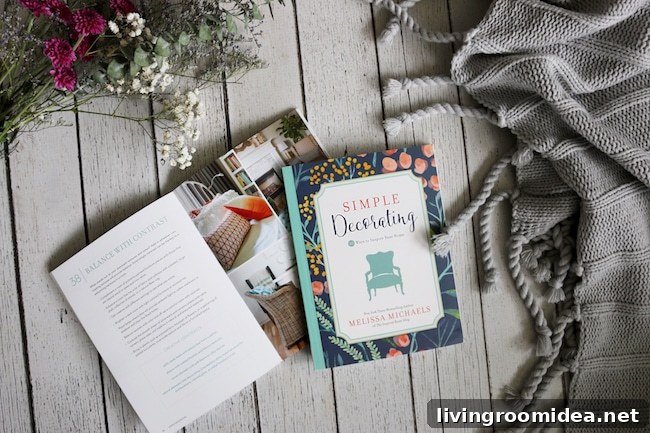
Grab your copy of Simple Decorating to jump-start your style and refresh your home with practical, budget-friendly ideas. Learn to embrace your style, reimagine spaces, and transform overlooked areas into favorite rooms.
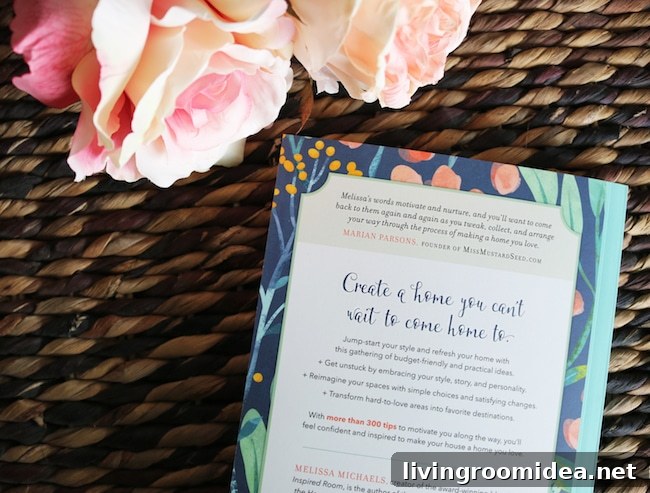
Order Simple Decorating on your preferred retailer to get practical tips that make decorating approachable and enjoyable.
Related Post:
3 Tips to Mix and Match to Get the Style You Want