

Do you have cleaning routines in your family?
When my daughters were little, we experimented with games and activities to make daily tidying feel less like a dreaded chore and more like part of our routine. Some ideas worked, some didn’t, and our kids sometimes gently mocked our creativity. One memorable system was a chart where they earned a smiley face for each item picked up and could trade those in for cash at the end of the week — an experiment that taught us as much as it taught them. They learned to be clever (and we learned to refine our approach).
Over time, through trial and error, we discovered several techniques and habits that helped our kids develop skills, responsibility and a practical approach to keeping their spaces neat.
1. Have Realistic Expectations.
“Clean your room” is vague and overwhelming to a child. When I asked for that, I often returned to find very little changed. Instead, I learned to give specific, manageable tasks: “Put your clean laundry away,” “clear off your desk,” or “place toys in the bin.” Clear, concrete instructions make it easier for children to succeed and build confidence. Small wins lead to better habits and a clearer understanding of what a tidy space looks like.
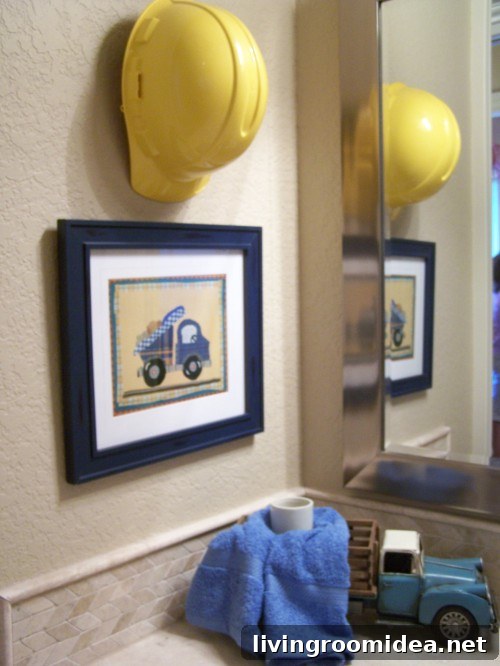
2. Set Timers
Deadlines motivate kids. If left open-ended, tidying can turn into play time. Setting a 10–15 minute timer turns cleanup into a focused activity and often makes it feel like a game. We called these bursts “cleaning frenzies.” The timer creates urgency, helps children work efficiently, and over time teaches them to complete tasks more quickly and with less prompting.
3. Have a Place for Everything
Many struggles came from unclear systems. If children don’t know where things belong, or if they have too much stuff, cleanup becomes frustrating. Regularly decluttering and assigning a clear home for items makes daily tidying easier. Storage that’s accessible at child height and labeled spaces help kids know where things go, fostering both cleanliness and basic organization skills.
4. Set Aside Time for Daily Cleaning.
We tried reserving cleaning for Saturdays, and it took the joy out of the weekend. Instead, spreading small tasks throughout the week made life more manageable. Each child had a daily “zone” they tended to: one day the desk, another day the floor, another day the dresser. A little maintenance every day prevented large, exhausting cleanups and helped everyone keep their spaces consistently better.
5. Rewards, Memory Making and End-of-Week Fun.
My husband and I enjoy rewards like date nights after a busy week, and we wanted our kids to have something to look forward to as well. Sometimes rewards were tied directly to specific chores, like an allowance; other times chores were simply part of being in the family. We usually paired responsibilities with something enjoyable at the end of the week — a family night, special activity, or allowance — to reinforce effort while keeping life fun and memorable.
Teaching children to work does not mean their childhood should be only chores. I aimed to balance responsibility with joyful family experiences, showing that daily discipline and hard work also bring satisfying rewards.
Did our efforts pay off?
Both of my daughters developed strong homemaking habits and work ethics and lead creative, fulfilling lives. We continue to teach our younger son the same principles. I’m glad we invested in clear routines and practical lessons when they were young.
What are your best tips for cleaning with kids?
And what attempts have failed miserably? Go ahead. Confess.
All photos taken by me at the Street of Dreams, Portland, Oregon 2008.