
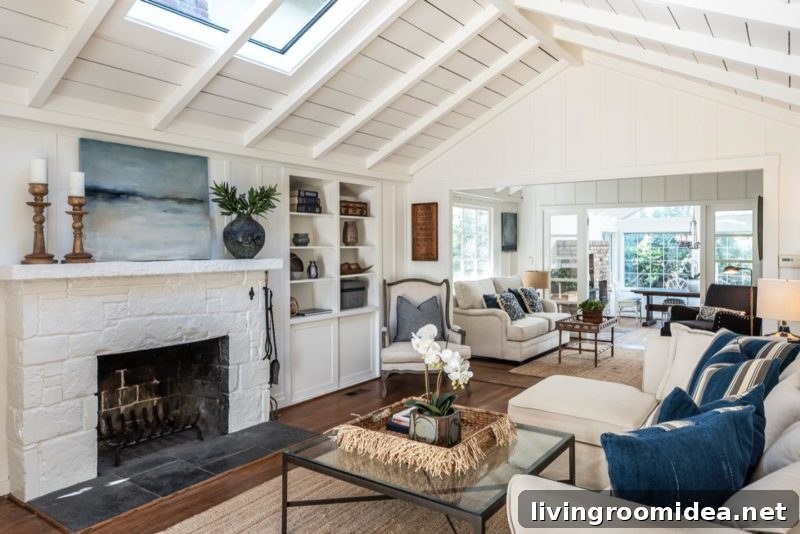
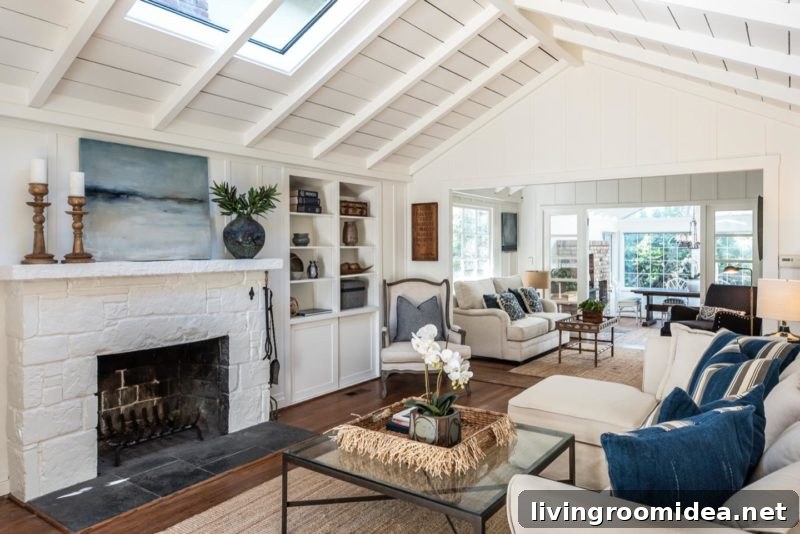
I was browsing online recently when photos of a small coastal cottage in Carmel stopped me in my tracks. This cottage matches the big-picture vision I have for my own house more closely than anything I’ve seen in a long time.
This Carmel cottage is currently sale pending (images originally featured on Hooked on Houses). The listing shows how the home’s details come together. I love Carmel — have you been there?
But behold… do you see what I see? Beyond the charming Dutch door, the cozy paneling, the built-in bookcases, and the vaulted ceiling…
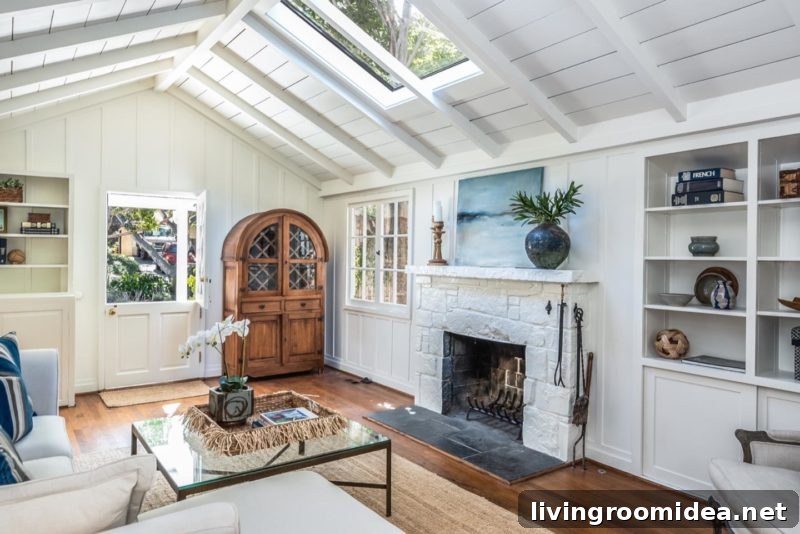
Right in the center of the living room sits a fireplace that looks like my own — not an exact match, but close enough to make me smile. Seeing it made me more confident that my fireplace fits the cottage direction I envision for my home. Painted white, it reads simple and cottagey — a reminder that small changes can have a big impact.
That said, I’m still considering a few updates to my fireplace, living room, and decor, and I’ll share more about those ideas in a future post.
The Carmel cottage is full of character and has inspired me to think through my own home more intentionally.
One step at a time, right?
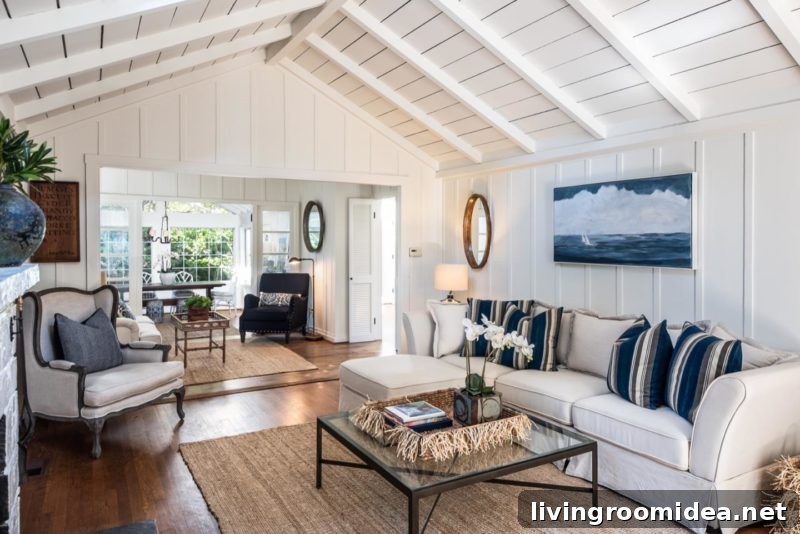
When you’re working with a budget (or just juggling life), it helps to keep a long-term vision and break it into shorter-term plans you can actually achieve.
Updating your home over time doesn’t mean you have to live in chaos indefinitely. With planning, you can pace projects so you enjoy the process rather than feeling overwhelmed.
Timeless Tip: Make simple changes that fit your budget and timeline, aiming for reasonable, lasting quality.
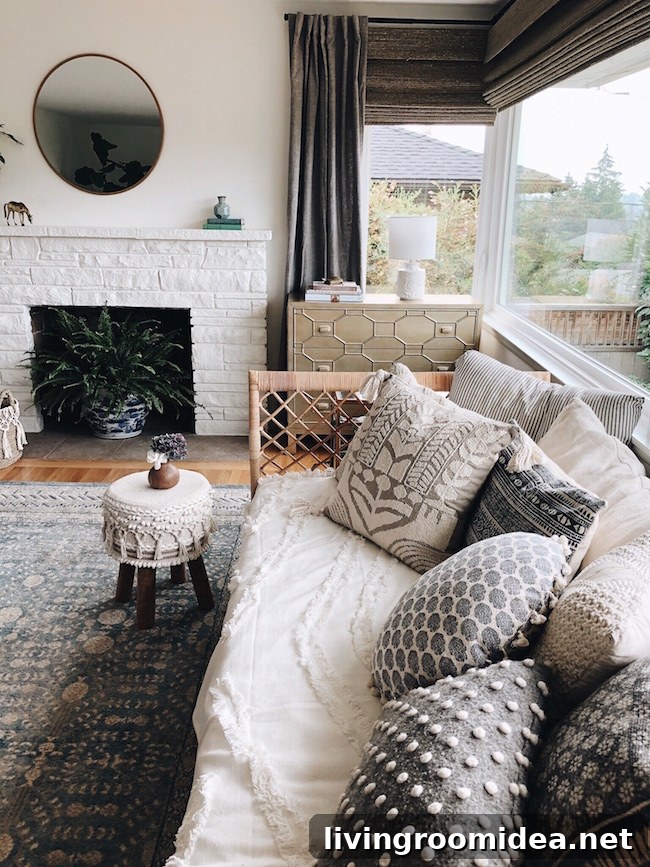
Here are a few cottage-style ideas you can accomplish gradually.
1. Start with a clean slate.
Before investing time and money in adding character, simplify any conflicting or dated features so you have as clean a backdrop as possible. This could mean painting walls, updating an old brick fireplace with paint or a new surround, or removing worn carpet and outdated fixtures.
If you can handle larger, messy tasks—refinishing or installing hardwood floors, adding millwork—do them first so finishes and backdrops are settled. But if that isn’t possible, focus on what you can complete now. A fresher backdrop helps you see which cottage elements will be most effective and makes future improvements easier to plan and budget for.
2. Focus on simple updates.
With a refreshed backdrop, small additions can create a cottage feel over time. Consider classic bamboo blinds, shutters, or uncomplicated curtain panels for windows. Add cozy lighting, cottage-style furniture, rugs, and tasteful accessories. Swapping hardware or artwork is an easy, inexpensive way to refine the style.
3. Add cottage architecture when you’re ready.
Ideally the architecture comes first, but sometimes it’s necessary to work in stages. Once your home feels cleaner and cozier, larger projects may seem less urgent or you may better understand what you truly want. When you’re ready, you could install wainscoting or wall paneling, add crown molding, replace flooring, update doors and windows, or introduce a vaulted ceiling or beams for added charm.
Have you remodeled all at once, or added character gradually?
Both approaches can work. The important thing is to move forward at a pace that fits your life and budget.
Speaking of cottage style:
Cottage style has many lovely variations—from seaside bungalows to Hamptons-inspired homes. Drawing inspiration from different examples can help you refine the specific balance of white, wood, texture, and architectural detail that feels right for your home.
If you enjoy a slow, thoughtful approach to decorating, focus on lasting, simple changes that bring you closer to a style you love. Small updates accumulated over time yield a home that feels cohesive and welcoming.
My book and earlier posts explore this slow, intentional process in more detail and offer practical ideas for loving the home you have.