
Do you sometimes feel your home doesn’t look or feel the way you want? Beyond wanting a prettier space, most of us long for a home that feels like a sanctuary — a peaceful refuge that restores and inspires. Everyone deserves a place like that.
The atmosphere in your home affects your well-being more than you might realize. When we neglect it or don’t know how to improve it, our surroundings can drain us. You may not notice at first, but over time a chaotic or uninspiring environment can lead to feelings of unhappiness, exhaustion, or overwhelm.
The good news is you don’t need a perfect life, a big budget, or a dream house to create a sanctuary. With a few thoughtful changes, you can design a calming, restorative home no matter the size, style, or location.
Five common reasons your home may not feel like a sanctuary
1. Too much clutter.
Clutter steals calm. Even when you love your possessions, if they’re not displayed or organized well they can overwhelm you. Without simple systems for daily life, your space can feel chaotic and unwelcoming, making it hard to relax at home.
2. Uninviting lighting.
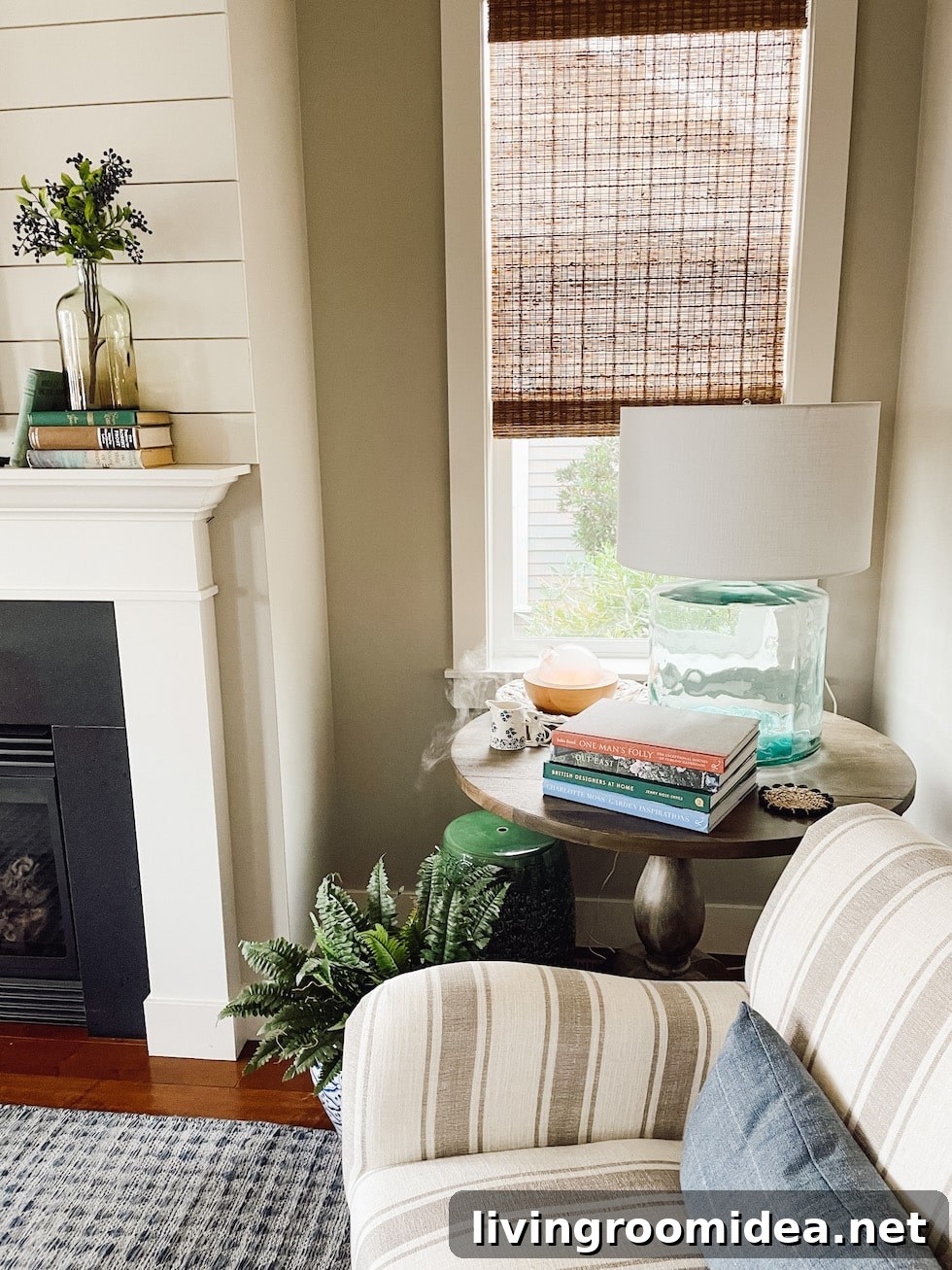
Lighting changes a room’s mood more than most people realize. A dreary or harsh light can make a space feel cold or sad. Increasing natural light, adjusting bulb color temperature, and layering ambient, task, and accent lighting can transform a room into a warm, cozy place.
3. The space doesn’t meet your needs.
Sanctuary isn’t about square footage or a certain style — it’s about how well a space supports your life. If your home isn’t arranged for how you live, it will feel unorganized and unsatisfying. Making small functional changes — creating clear zones, adding storage, or rearranging furniture — can make your space work harder for you and feel more welcoming.
4. Your home tells the wrong stories.
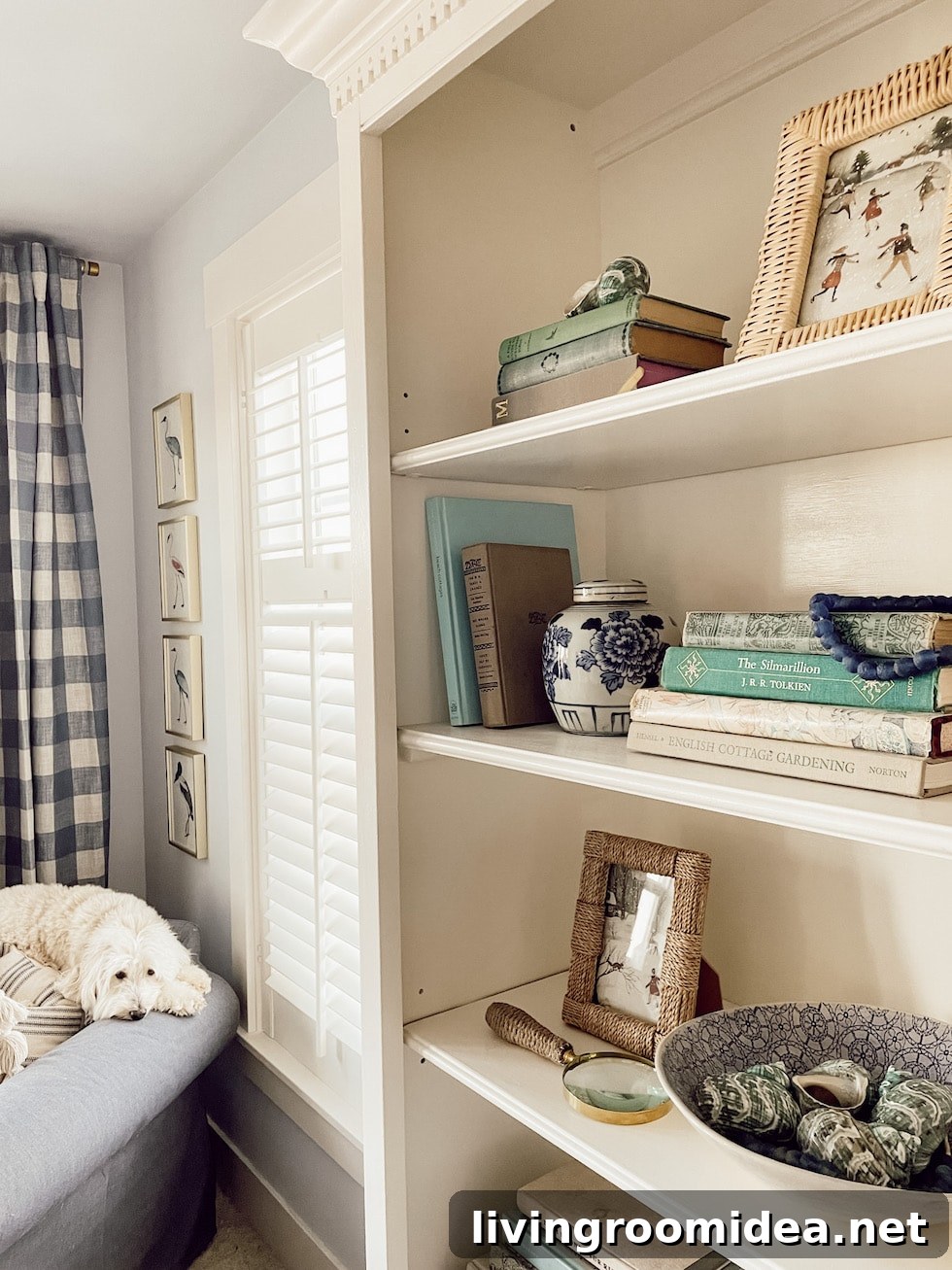
Our surroundings communicate messages to us. If your decor, furniture, or layout remind you of things you don’t like — an outdated style, impulse purchases that don’t feel cohesive, or painful memories — the home won’t feel like a refuge. Curating meaningful, intentional elements helps your space tell stories that support rest and joy.
5. Comparison and discontentment.
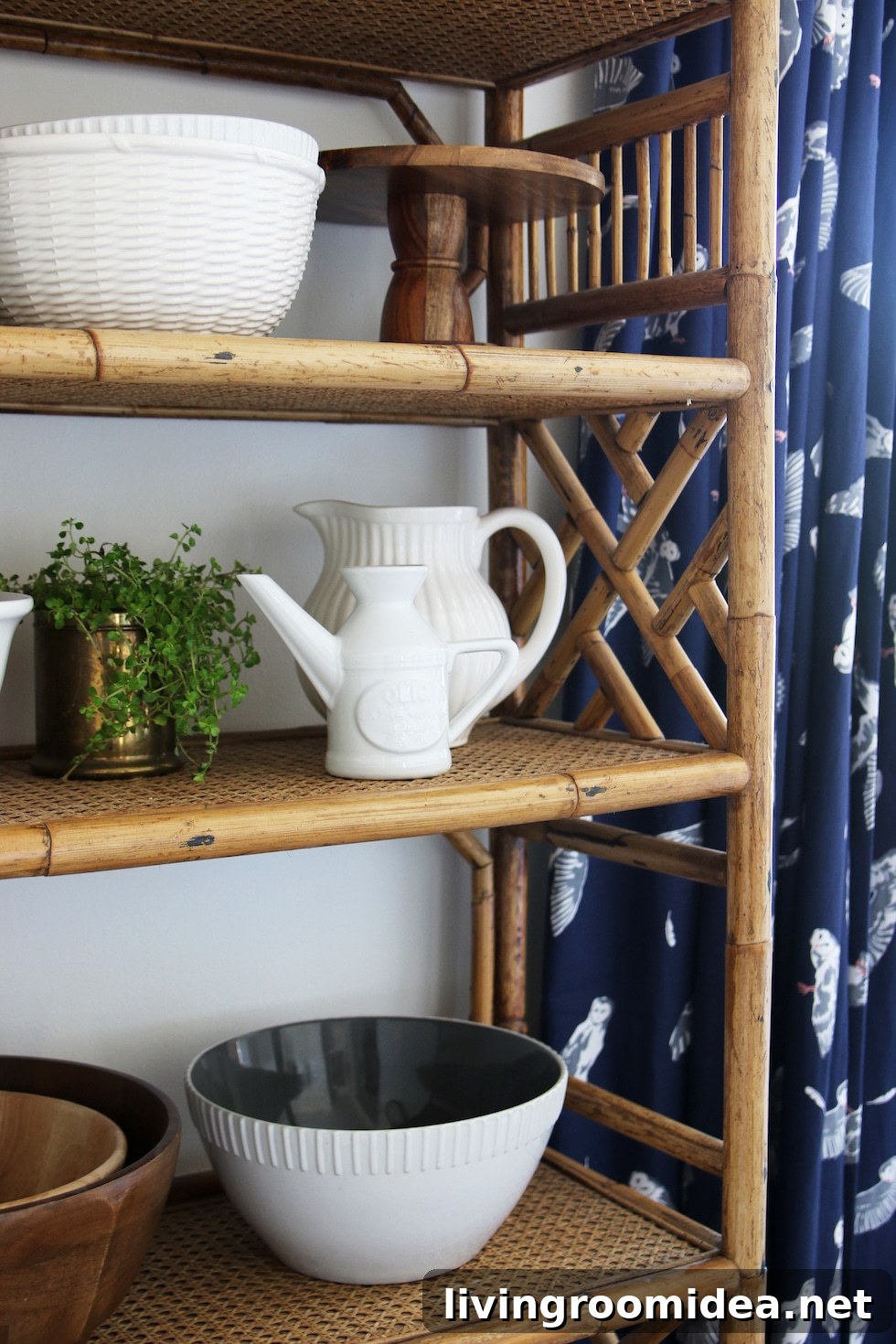
It’s easy to compare your home to others or to an idealized vision of what it could be. That dissatisfaction can sap motivation and make it feel pointless to try. Instead of waiting for the next house or more resources, small intentional changes can help you appreciate and improve the home you already have.
If any of these challenges resonate, take heart: you can find contentment and joy with the home you have now. It may not always be easy, but it’s often possible with thoughtful steps and priorities.
You don’t have to do this alone.
If you’re ready to prioritize your home and well-being, there are resources and communities that can guide and encourage you. Learning simple strategies—decluttering, improving lighting, aligning your space with your needs, and curating meaningful decor—can help you turn your house into a sanctuary.
Registration is open for the spring session.
With guidance, workshops, and community support you can learn practical, actionable ways to make your home restorative. Tools like room planning exercises, organization strategies, and ongoing encouragement make the process manageable and enjoyable.
I’m confident you’ll notice a difference when you begin to prioritize your home as a place of rest. A few thoughtful changes can create lasting improvements in how you feel at home.