
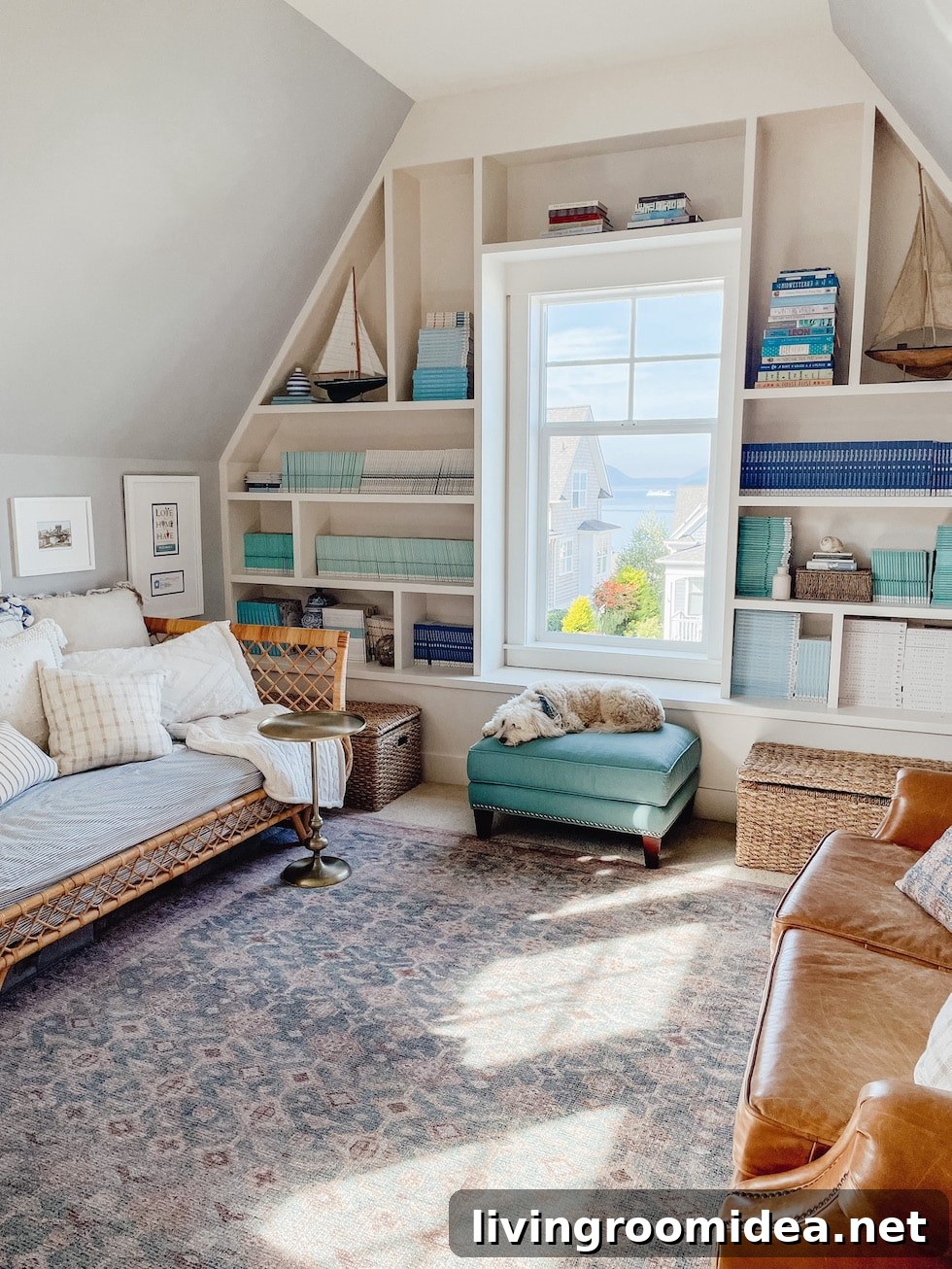
Making a house feel like home doesn’t have to take years. Here are seven straightforward ways we helped our house become a comfortable, lived-in place during our first year here. This October we marked one year since selling our previous home and moving into what we hope will be our forever home—time really does fly.
These simple ideas are meant to inspire and encourage you to make your house feel like home now, whether you’ve lived there for decades or are just unpacking the last box.
Simple ways to make any house feel like home
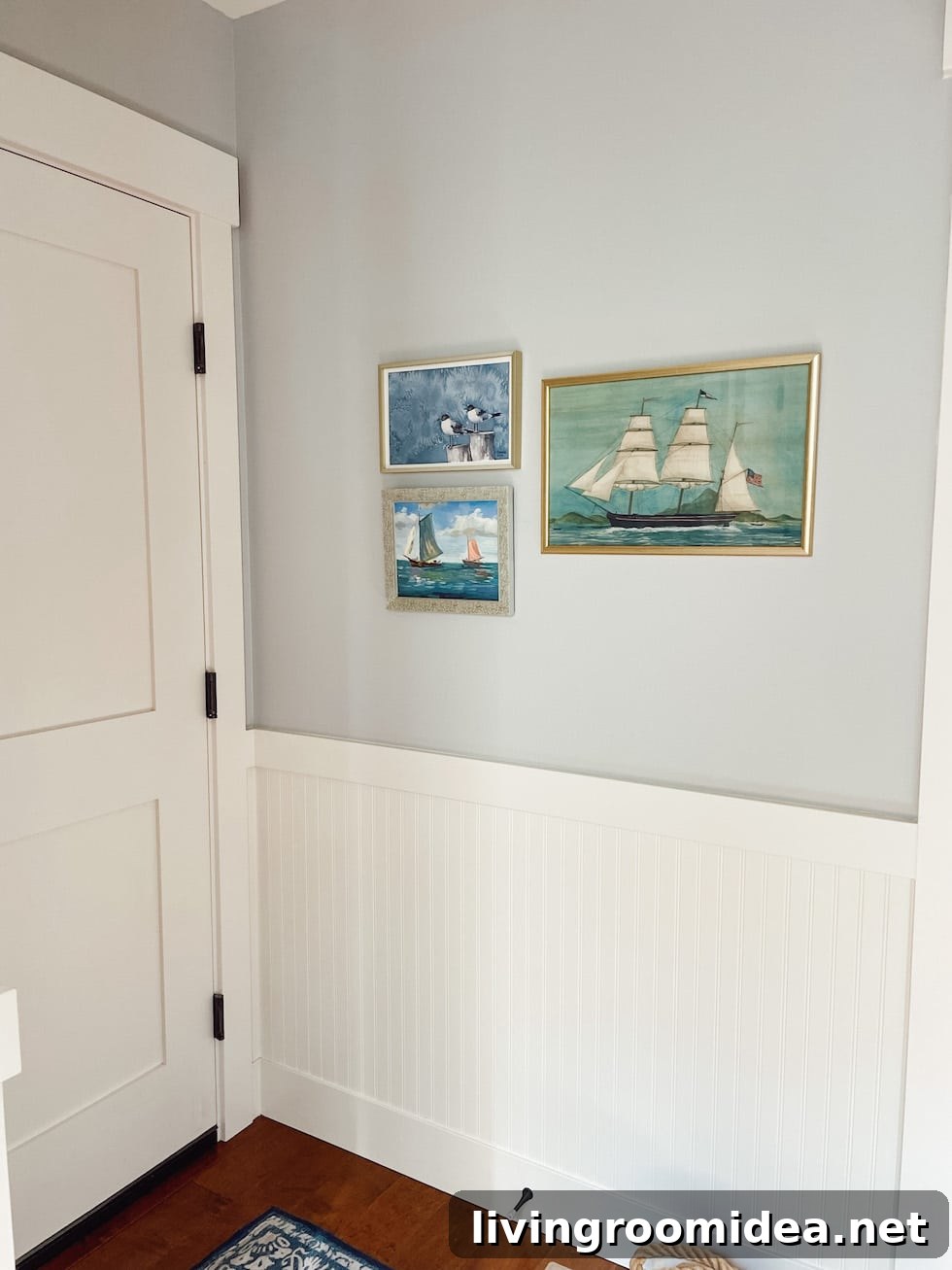
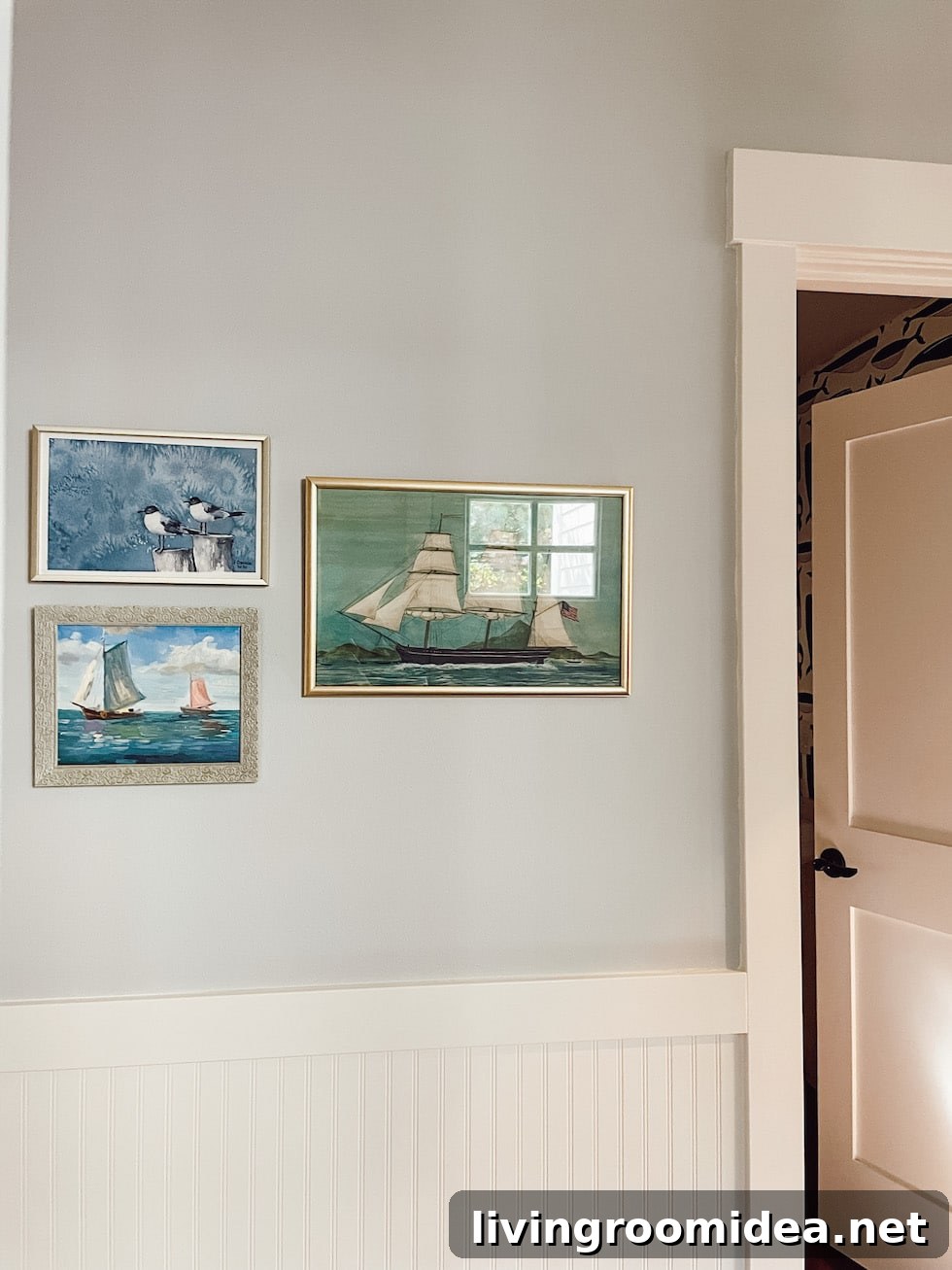
1. Hang art (or photos!) on the walls
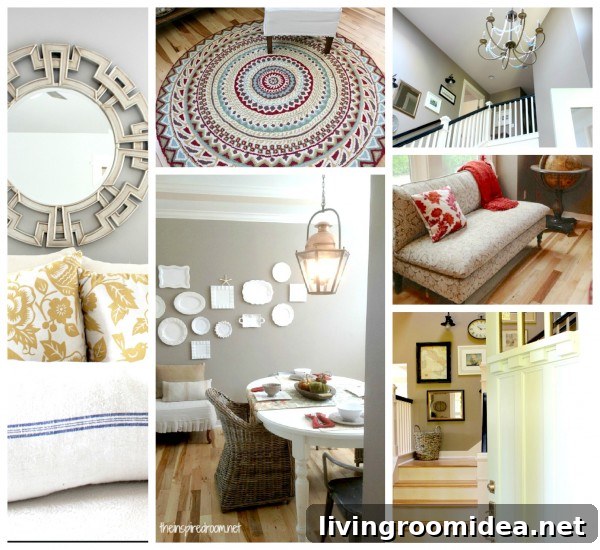
We didn’t wait until every paint choice was final to hang art and family photos. Getting artwork off the floor and onto the walls immediately changed the feel of the rooms. While designers often recommend waiting until paint and finishes are settled, hanging art sooner helps you relax and feel at home right away. Blank walls with artwork leaning on the floor can make a space feel unfinished and prevent you from settling in. Unless you’re about to repaint or remodel immediately, go ahead and hang pieces that make the house feel like yours.
Tip: You don’t need to be 100% certain about placement—art can evolve with the home.
2. Layer in personal accessories and warmth
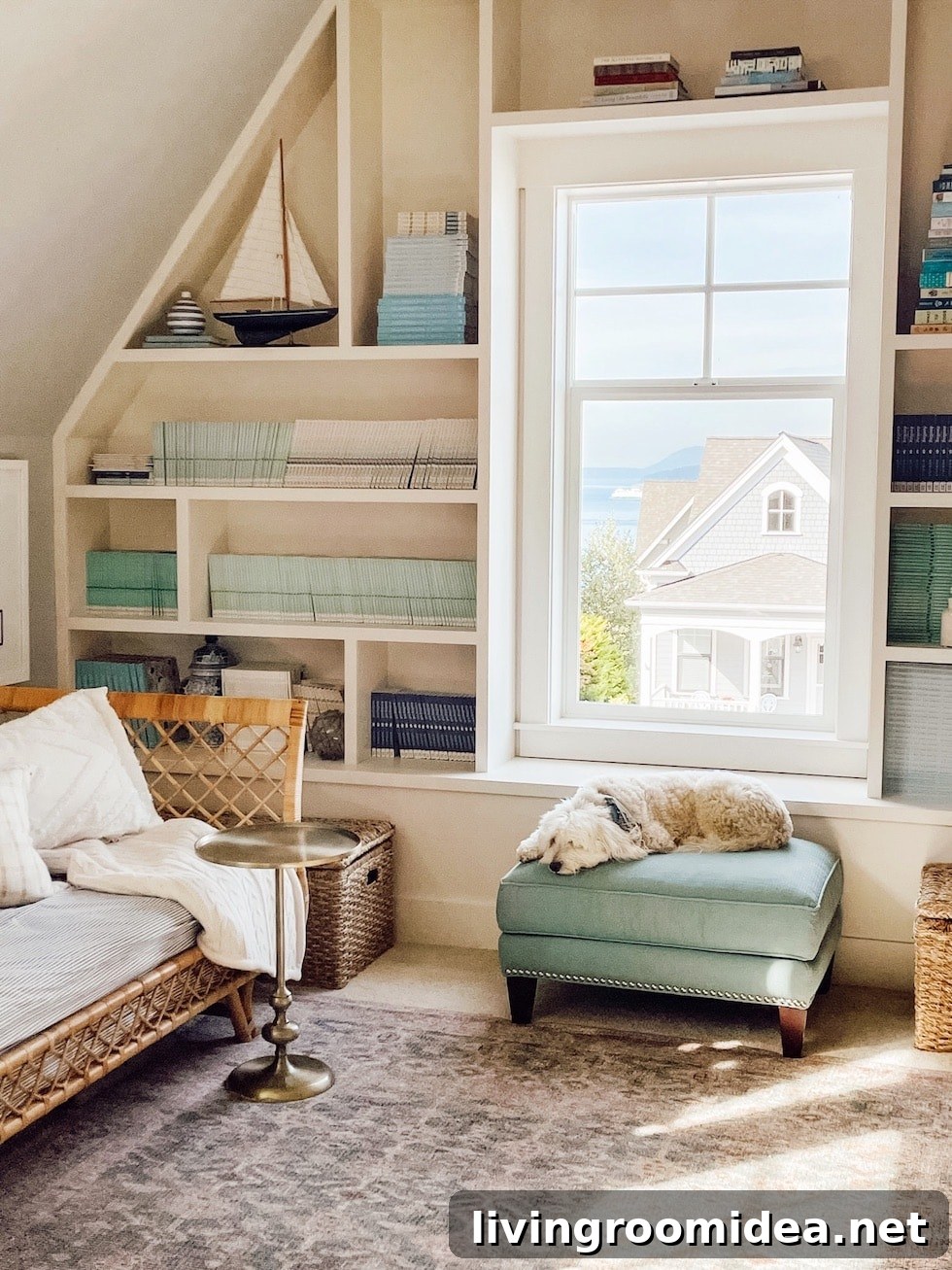
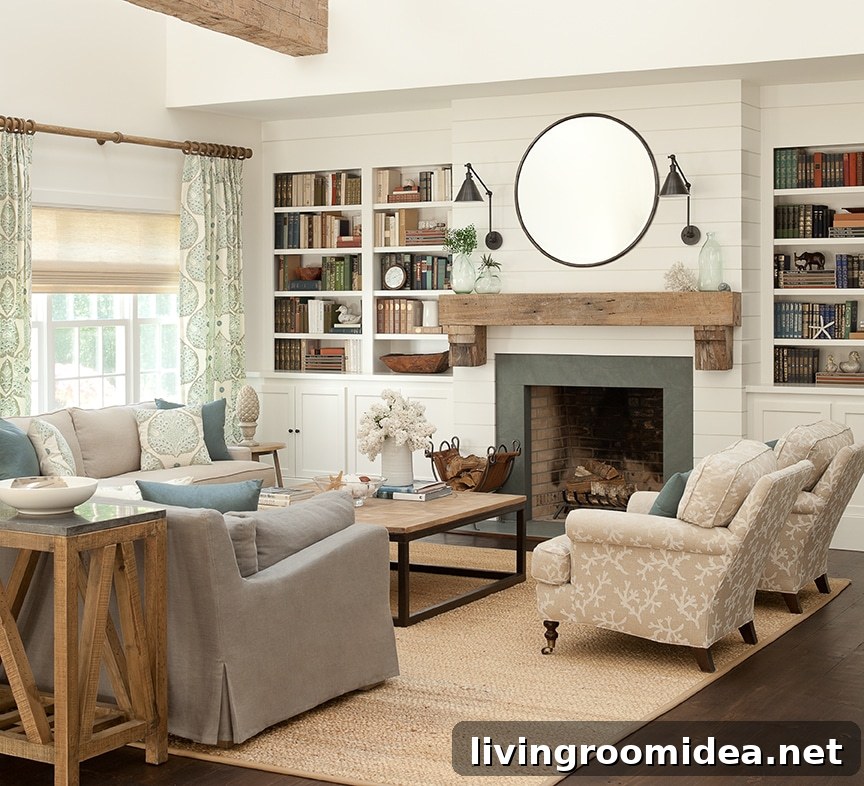
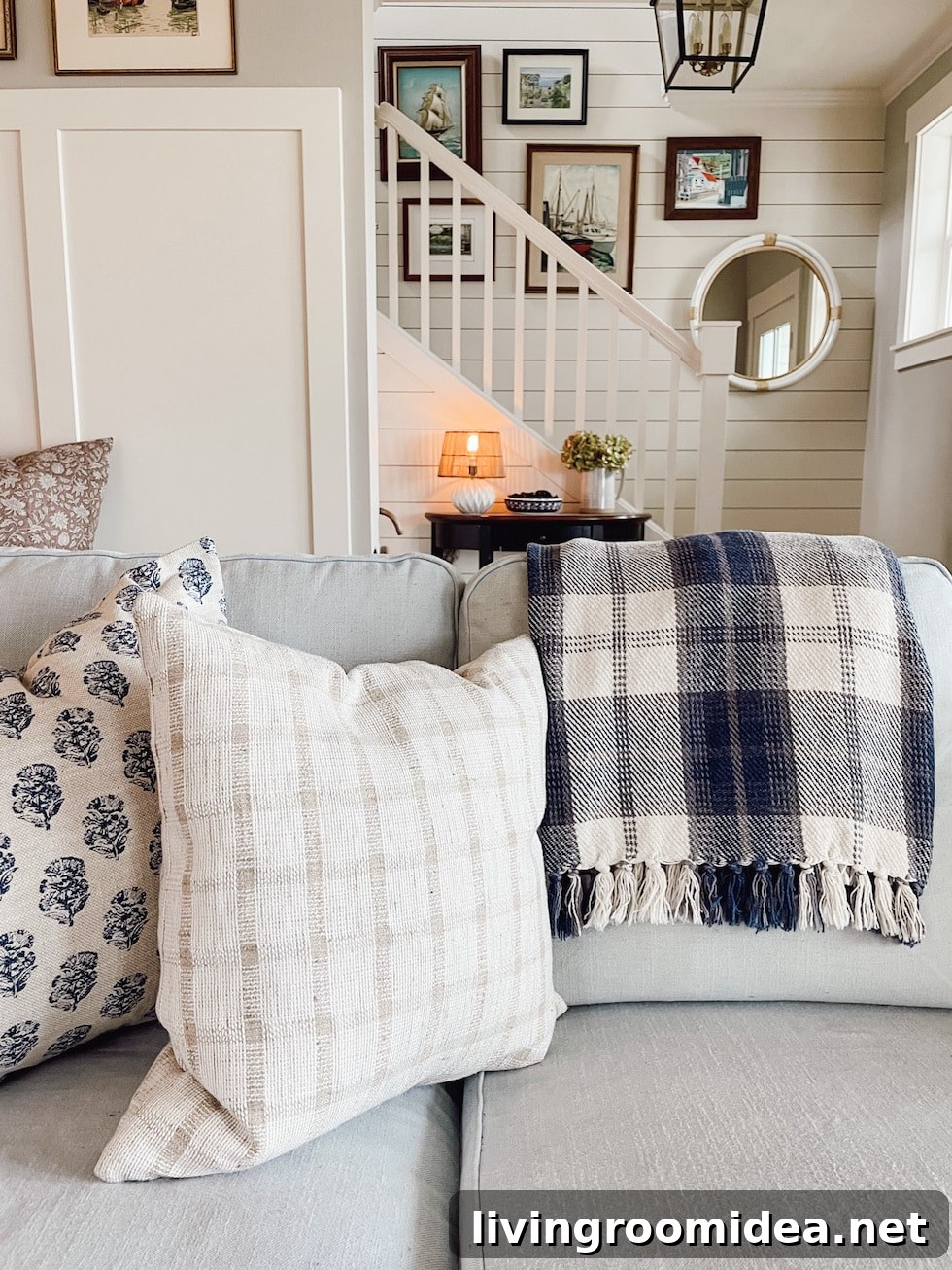
We moved into a house that already had some furniture, which helped us settle faster. To make the space feel like ours, we layered personal accessories, books, textiles and lighting. Throw blankets, new pillow covers and slipcovers instantly add warmth and make rooms feel lived-in. Adding lighting—like a charming entry lantern or battery-powered sconces—brings character and a cozy glow to corners that matter.
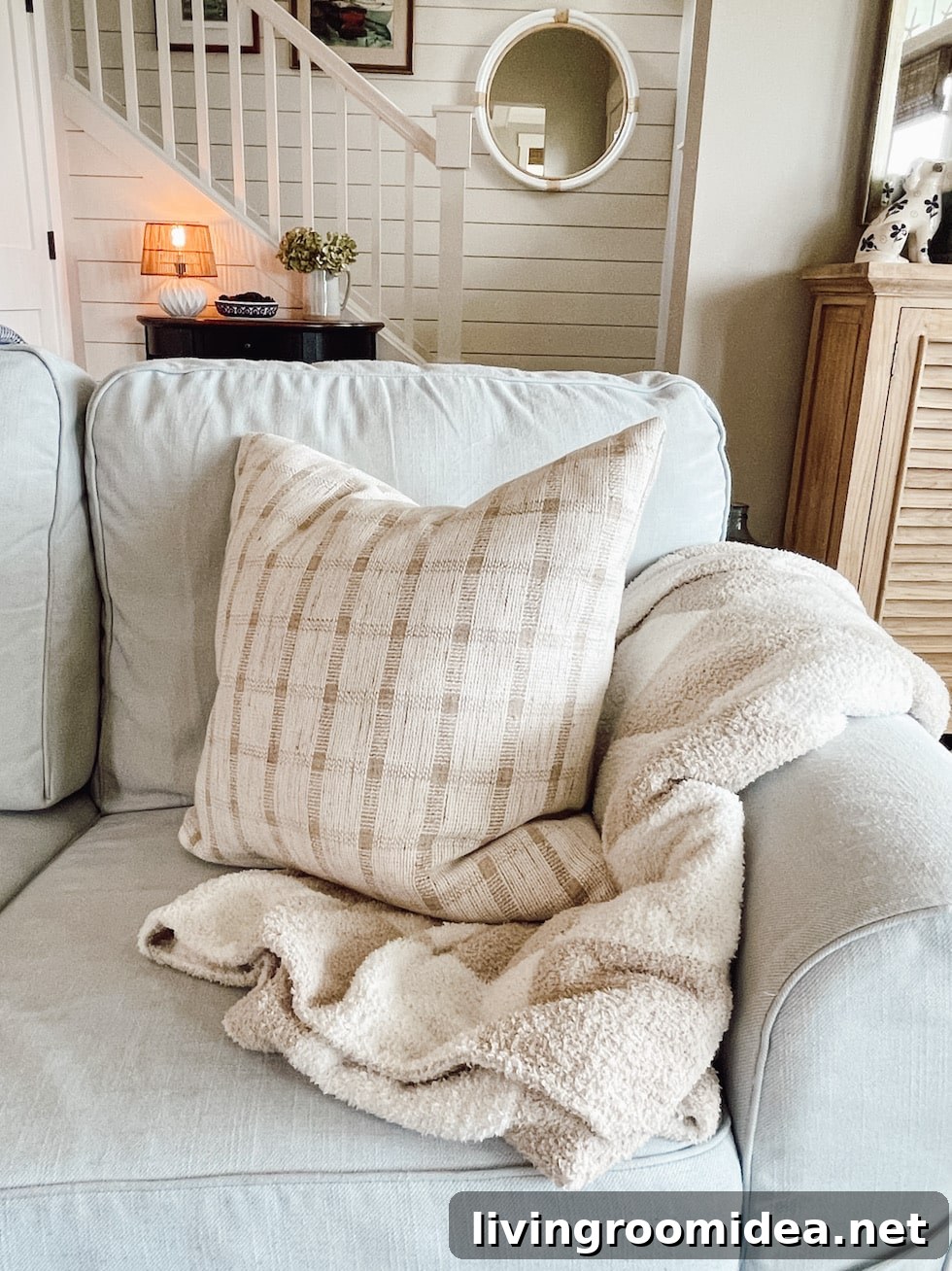
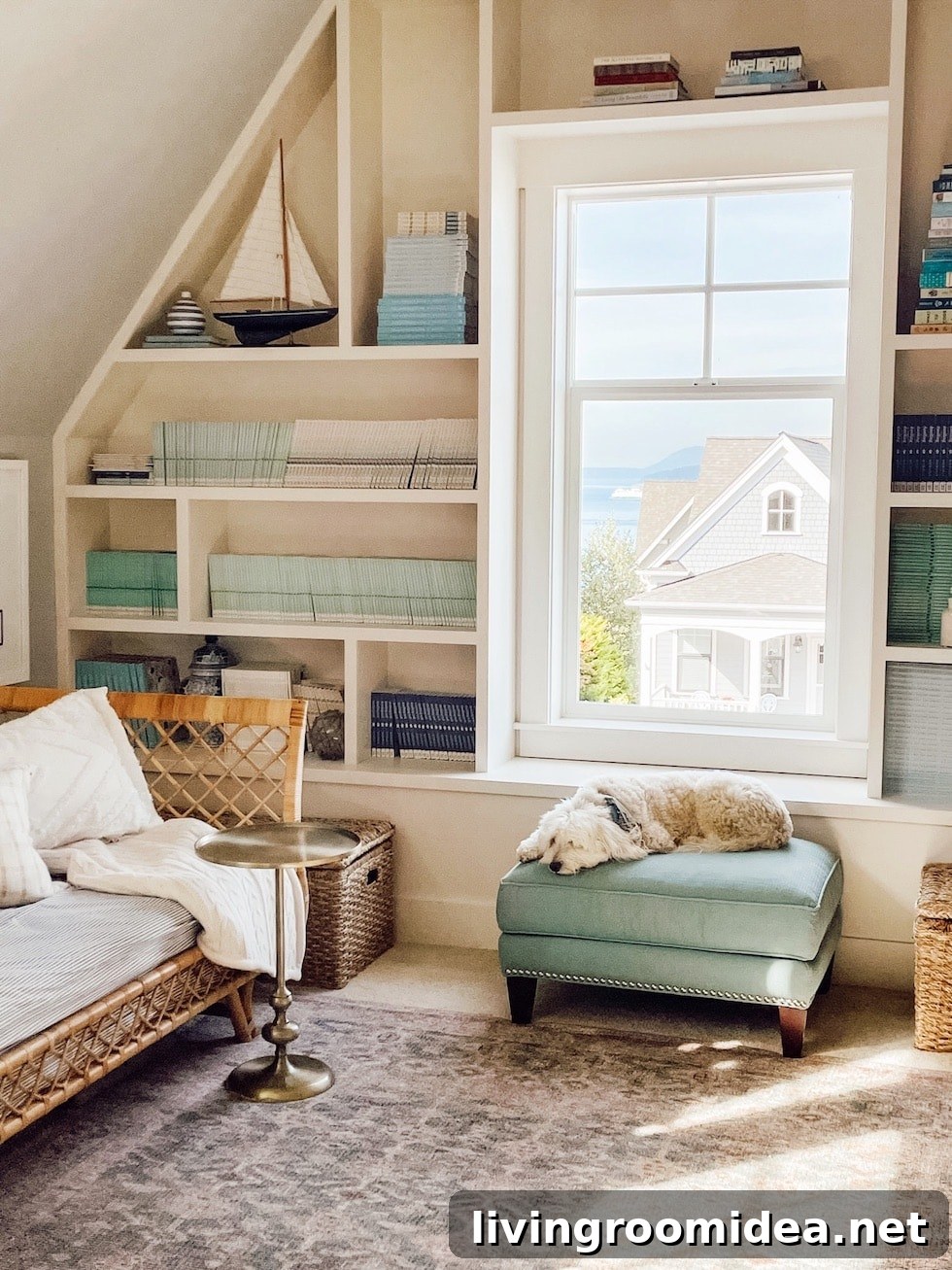
Small, personal items make a house feel uniquely yours. Books, framed photos, favorite ceramics and simple lighting choices bring instant personality without requiring a big budget or major renovation.
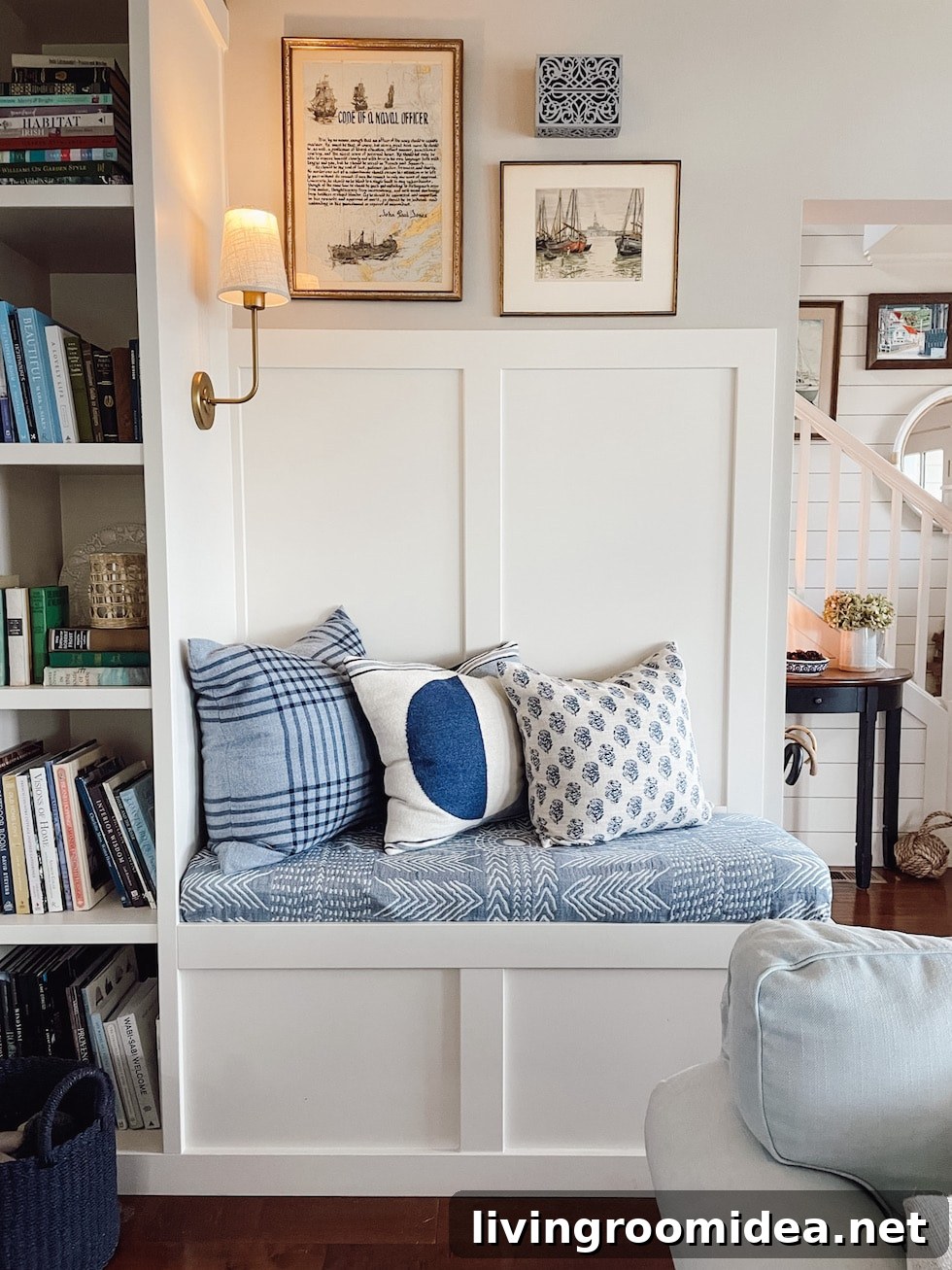
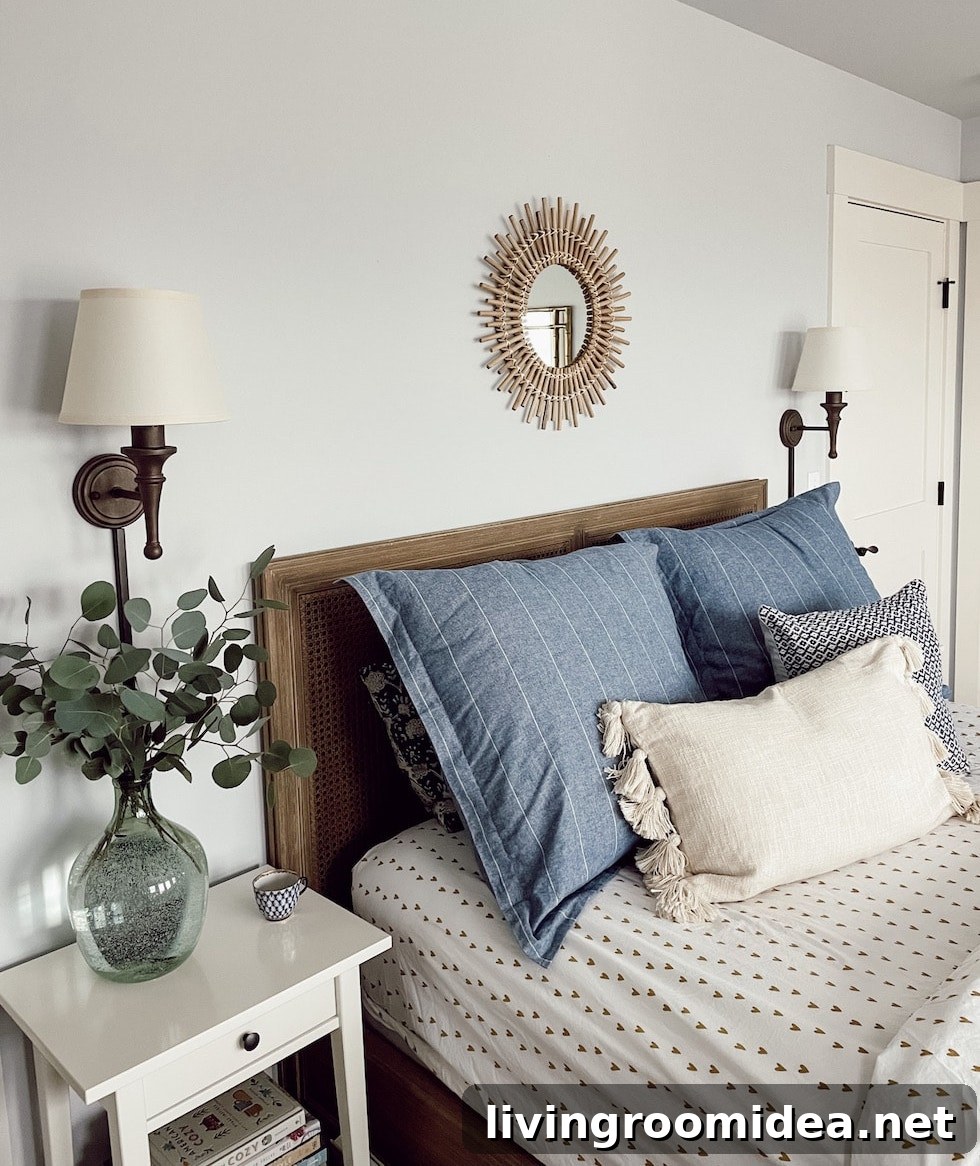
Battery-powered sconces are a great way to add light and personality without rewiring. They warm up a reading nook or book corner and can be wired later if you decide to.
3. Create memories and new traditions tied to the home
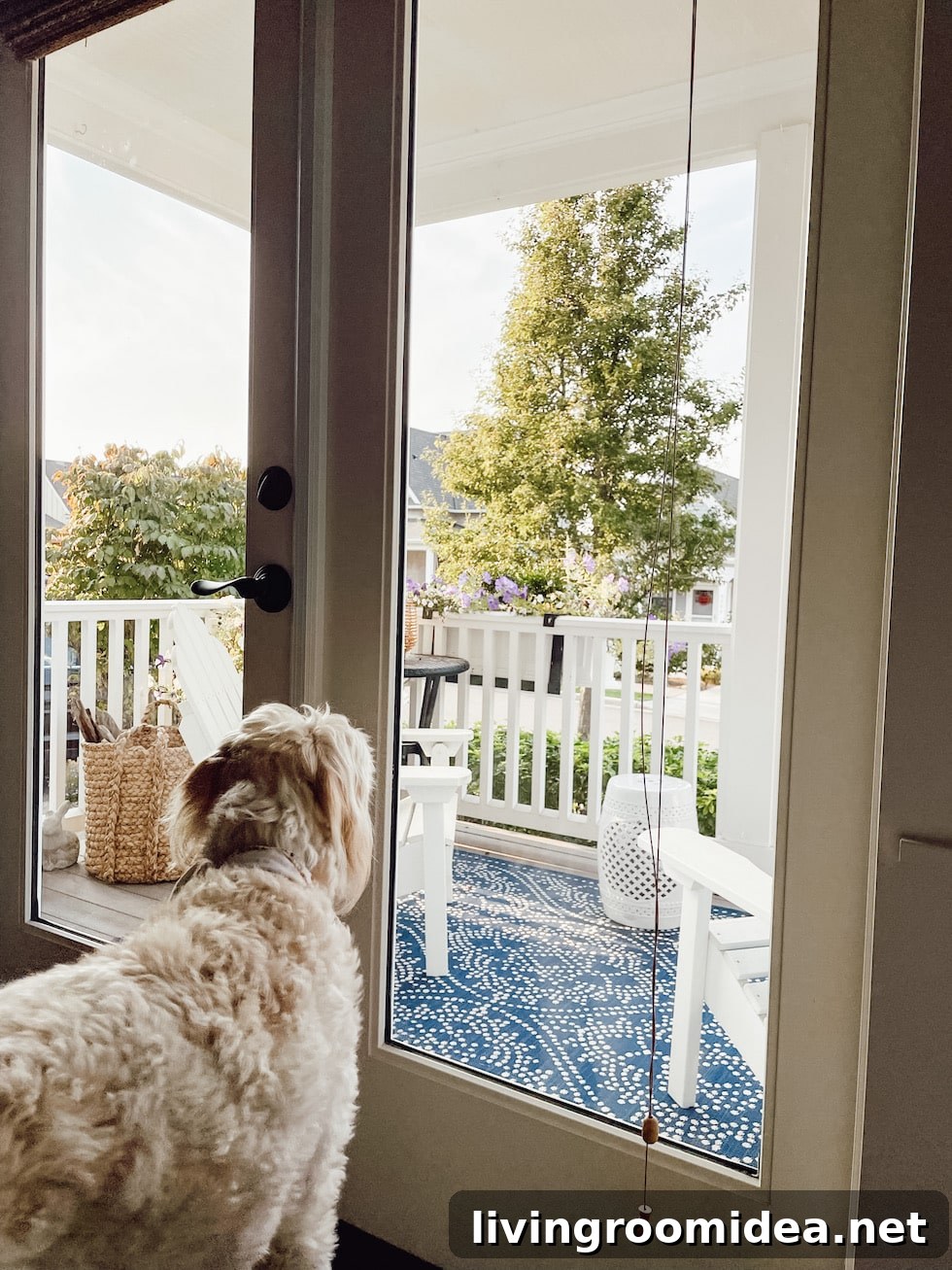
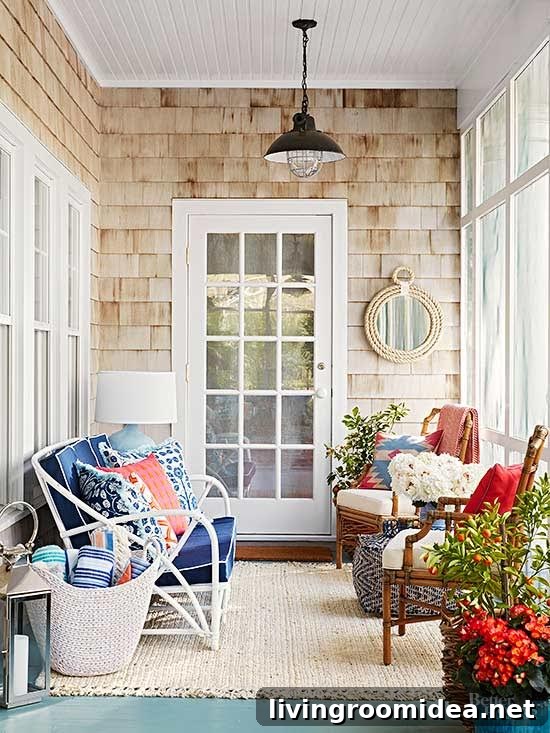
One of the best ways to make a house feel like yours is to create memories in it. We’ve used our covered porch every season—adding window boxes, an outdoor rug and a wall lantern—and those small rituals have become meaningful. We started simple traditions like candles in the window for winter and hanging porch stars at Christmas. Hosting holidays and seasonal activities, even small ones, helps a house feel like home quickly.
Everyday care—cleaning surfaces, washing windows, touching up paint—also builds connection. Puttering and maintaining the home gives a sense of belonging and pride, and the little seasonal projects make the house feel welcoming.
4. Bring comfort to the bedroom
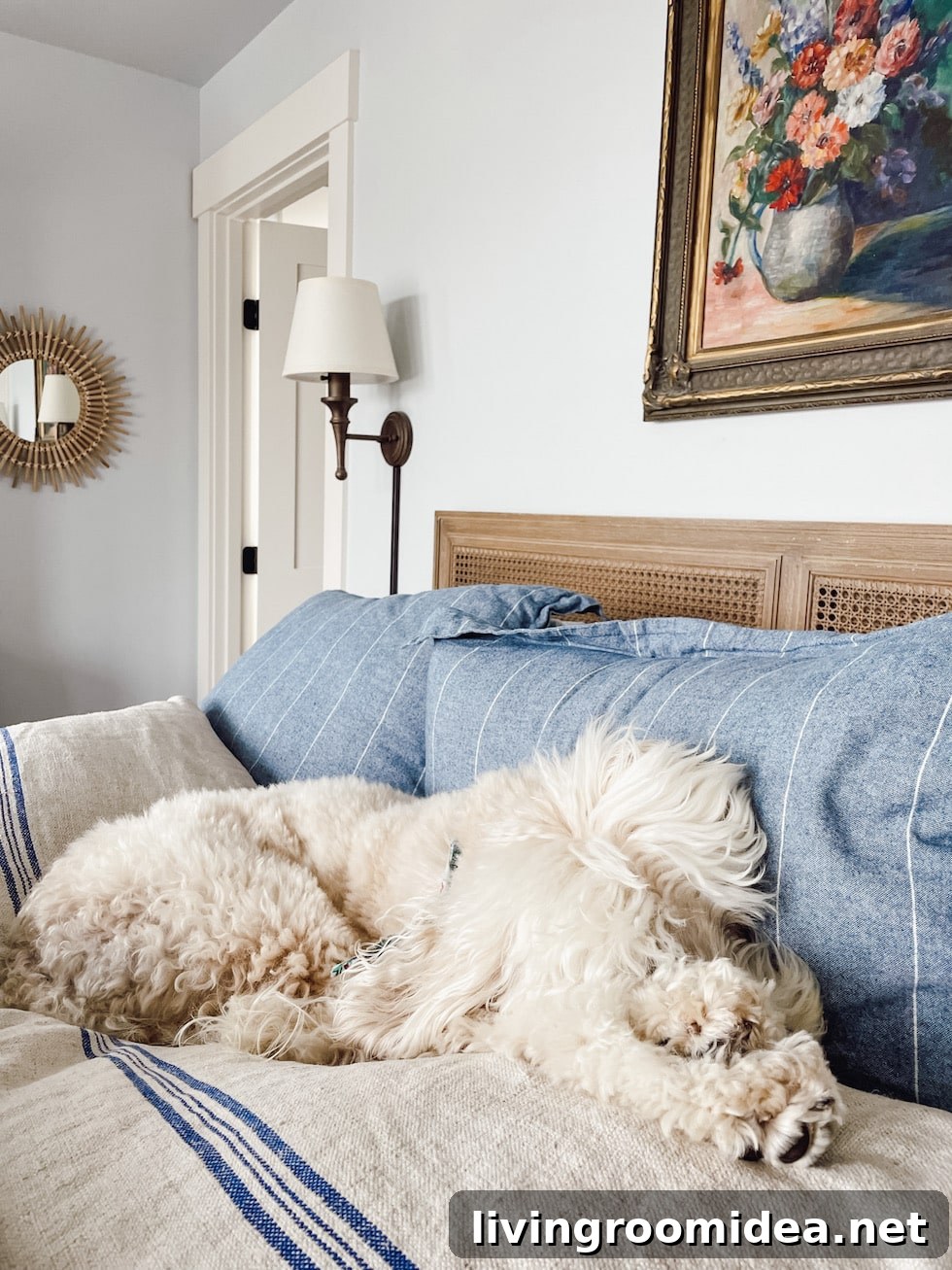
If you must prioritize one room, start with the bedroom. A comfortable, restful bedroom helps you feel at home because it nurtures how you feel day-to-day. Simple updates—like affordable wall sconces, new curtains, soft bedding or battery-operated candles—create a sanctuary without a full redesign. Small, intentional choices can make the bedroom a comforting haven right away.
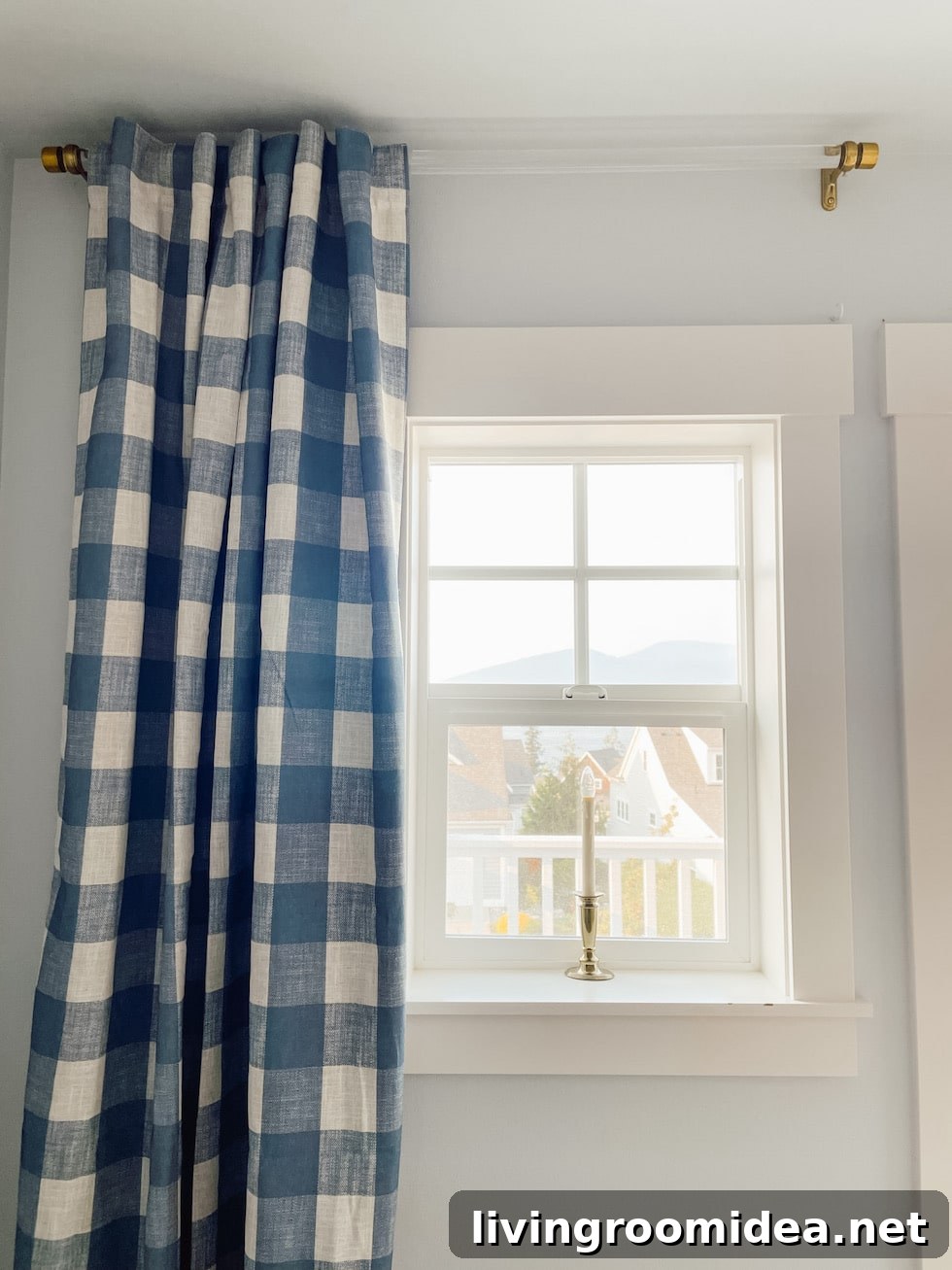
Curtains can be an easy, affordable way to set the tone for a room. Ready-made panels or DIY options let you experiment and enjoy the results without committing to custom treatments.
5. Set up functional spaces first, then focus on looks
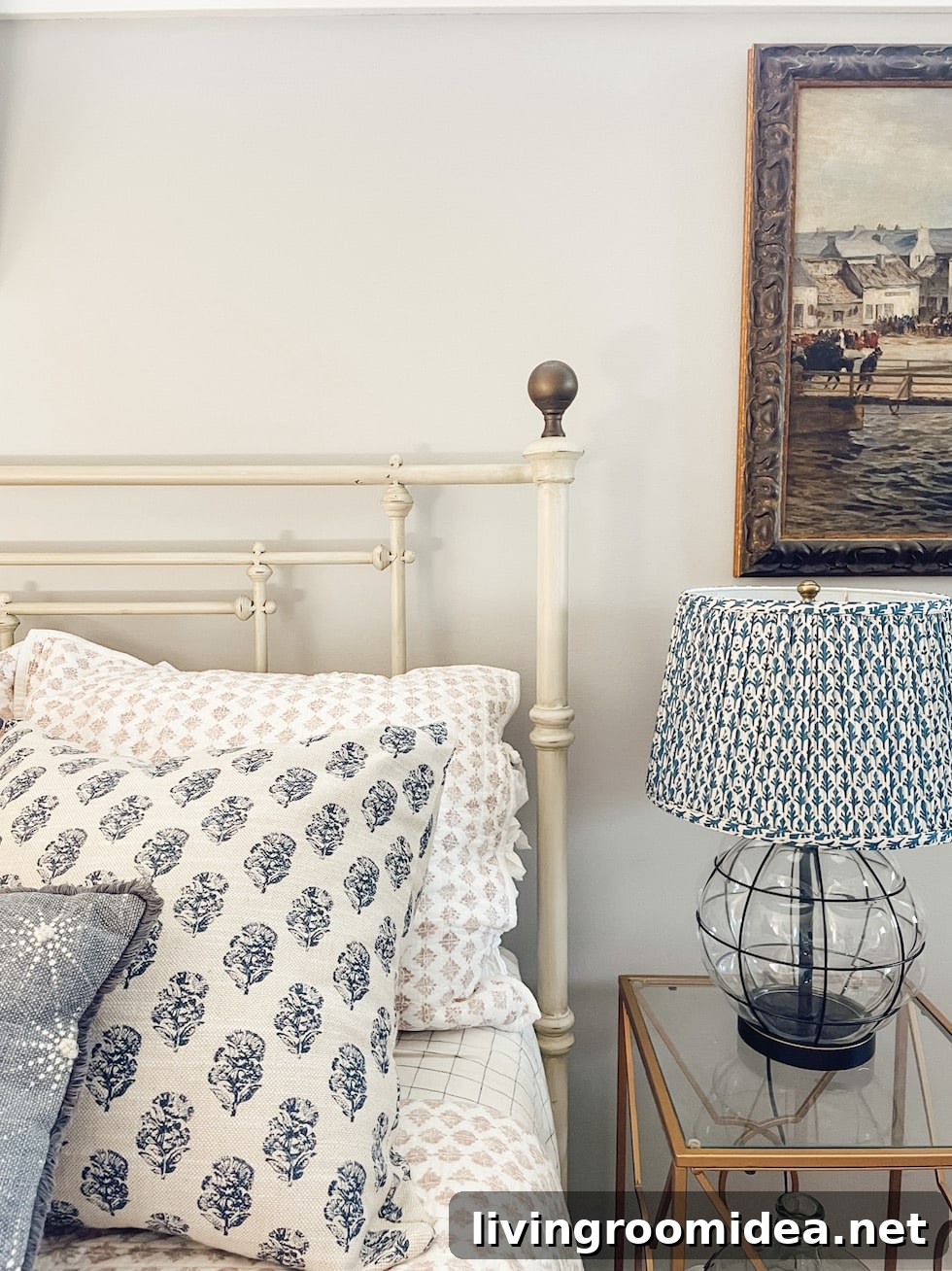
Make spaces work for your life before making them picture-perfect. When we needed a guest bed for a family wedding, we set one up in a corner of my office using what we had. Practical solutions—beds, lamps, storage—meet immediate needs and make a home feel welcoming. Once the function is in place, you can add pretty layers as you find pieces that fit your style and budget.
Practical organization—like under-bed storage for linens—can solve real problems while keeping things tidy and accessible.
6. Use a rug to unify mixed furnishings and styles
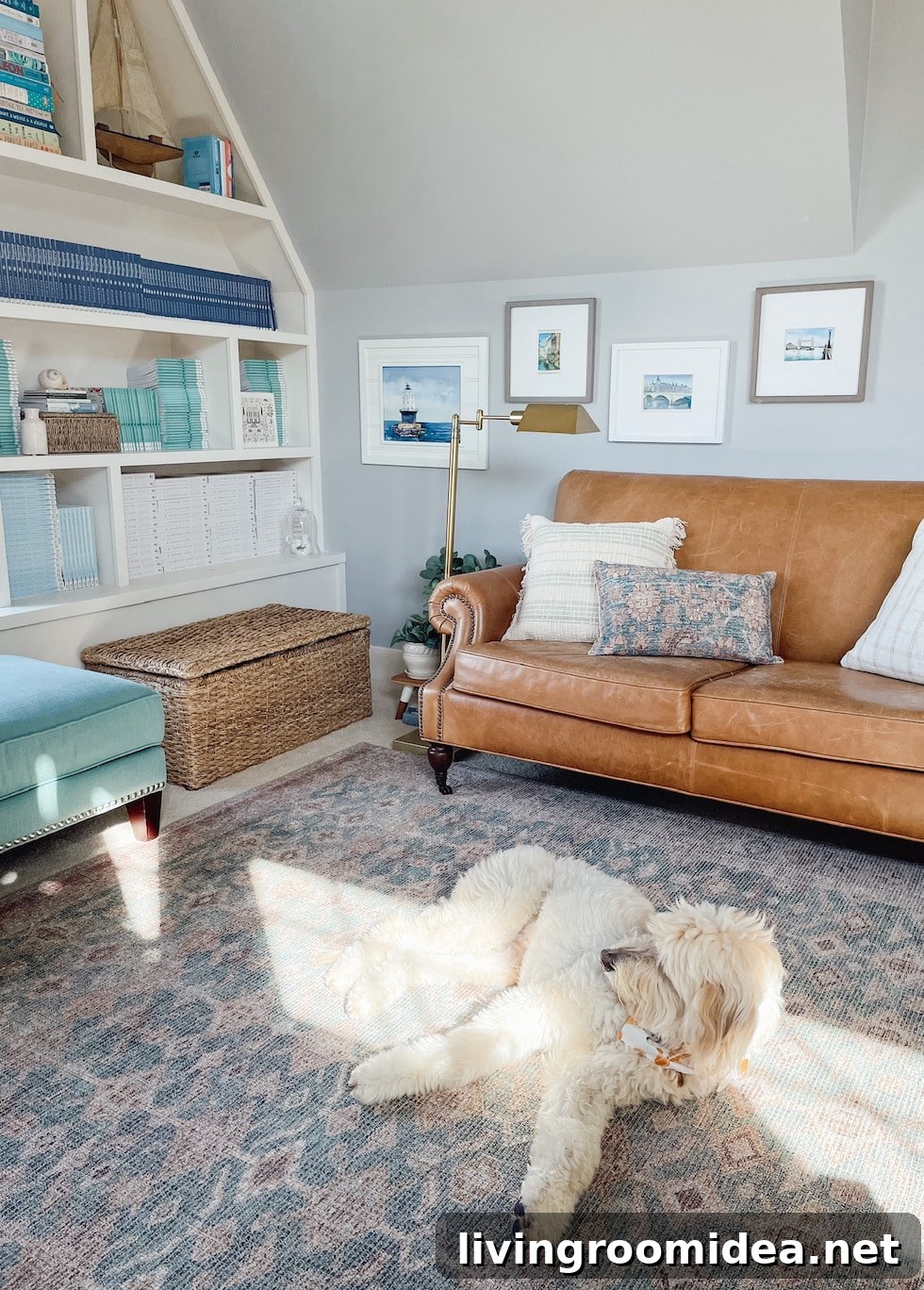
When furniture pieces come from different eras or rooms, a well-chosen rug can pull everything together. Choose a rug with colors that echo your main pieces to create a cohesive look. Even over existing carpet, an area rug can define a seating area and bring a sense of purpose and unity to the space.
7. Live in a home before making major changes
We intentionally took the first year slowly, avoiding major permanent changes until we better understood how we use the space. Living in the home first helps you see what truly needs updating and where to invest. Being patient lets you be creative with what you already own, and helps you prioritize projects that will make the most impact.
Layer by layer, our house is becoming more and more ours, and we now have a clearer vision for the future.
Onward to the holidays and year two!