
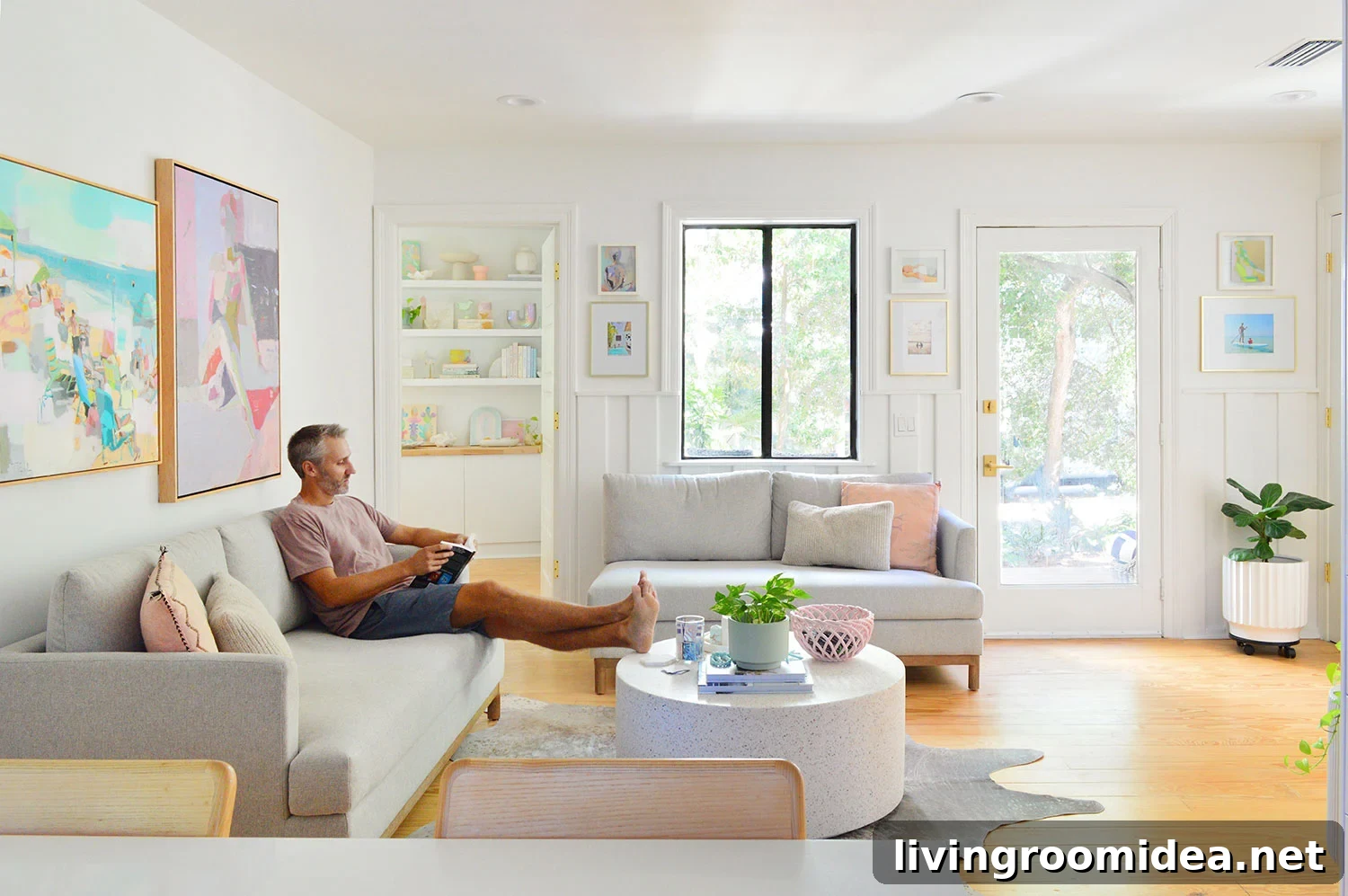
Since we downsized to our current 1,400-square-foot home three and a half years ago (our previous house was more than twice that size at 3,150 square feet), we’ve learned a few layout lessons that make small-house living feel spacious and practical. Smart storage is essential, but specific layout choices are what truly help a family of four live comfortably without feeling crowded.
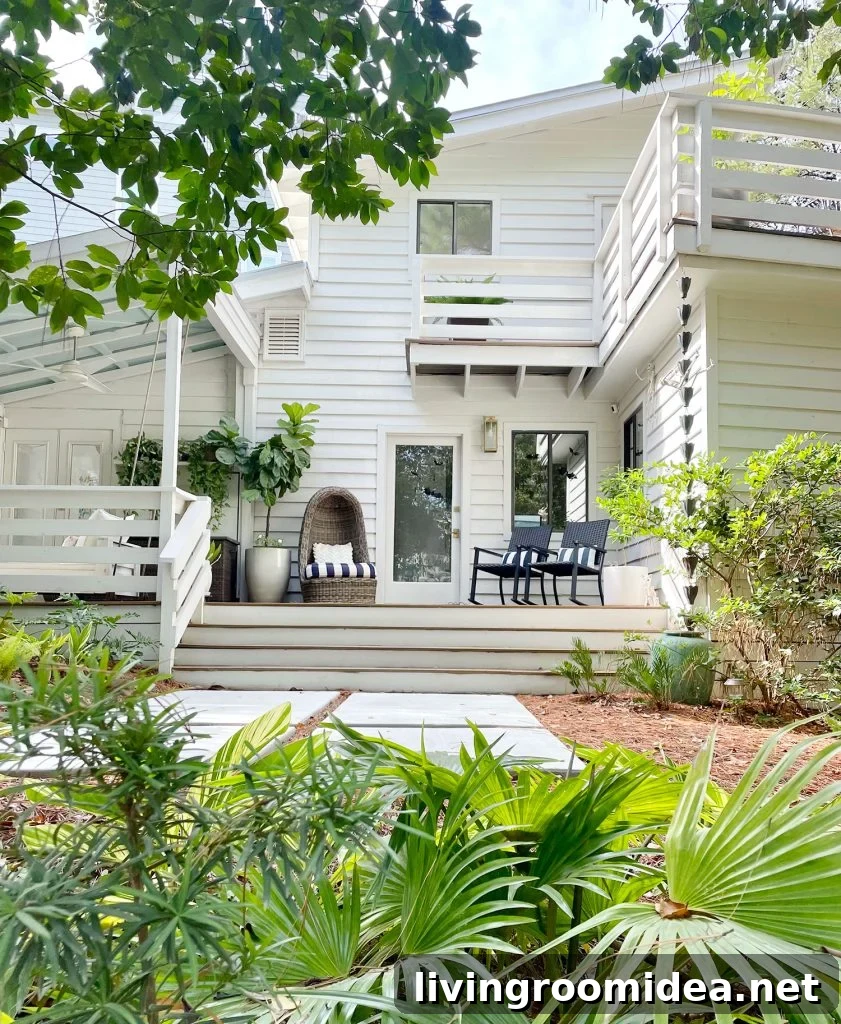
If you’re thinking about downsizing, building a new home, or choosing a house with family-friendly flow, here are the key layout features that make our smaller home function like a much larger one. I’ll end with one cautionary note to consider when making layout choices.
#1: Separation Between Bedrooms
This is our top layout priority. None of our three bedrooms share walls with each other. The kids’ rooms are separated by a short hallway and our bedroom sits on the opposite side of the house. All bedrooms are on the first floor.
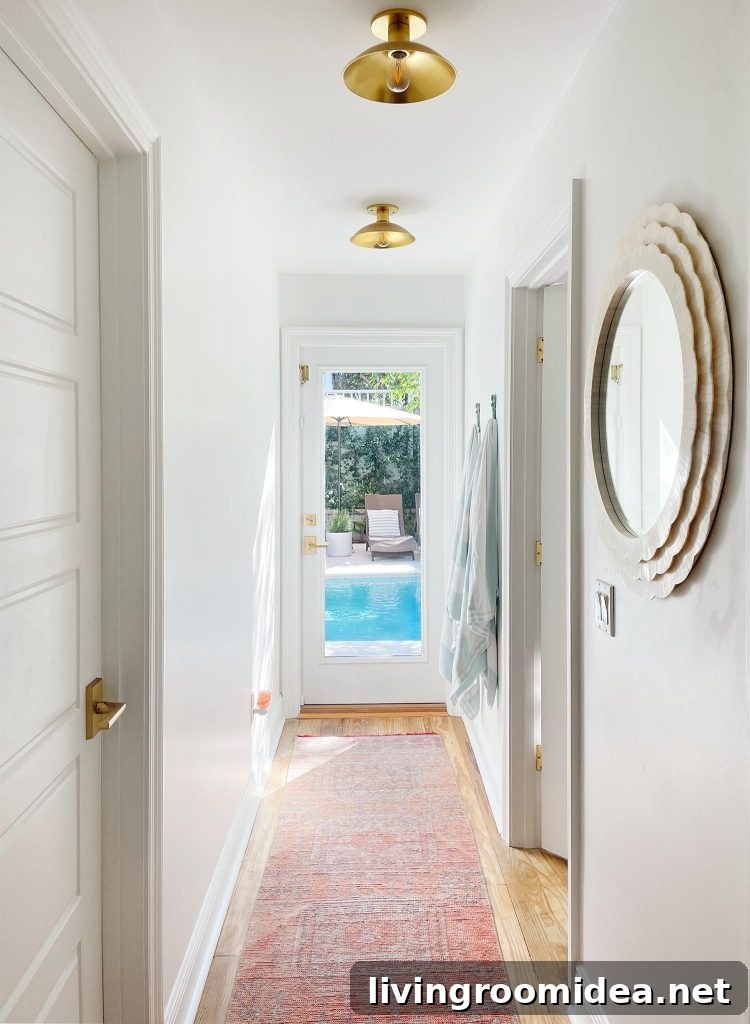
This arrangement reduces nighttime disturbances and gives each child a sense of privacy. They can listen to different music or podcasts without overhearing a sibling through a shared wall. After living this way, it’s hard to imagine going back to bedrooms clustered together.
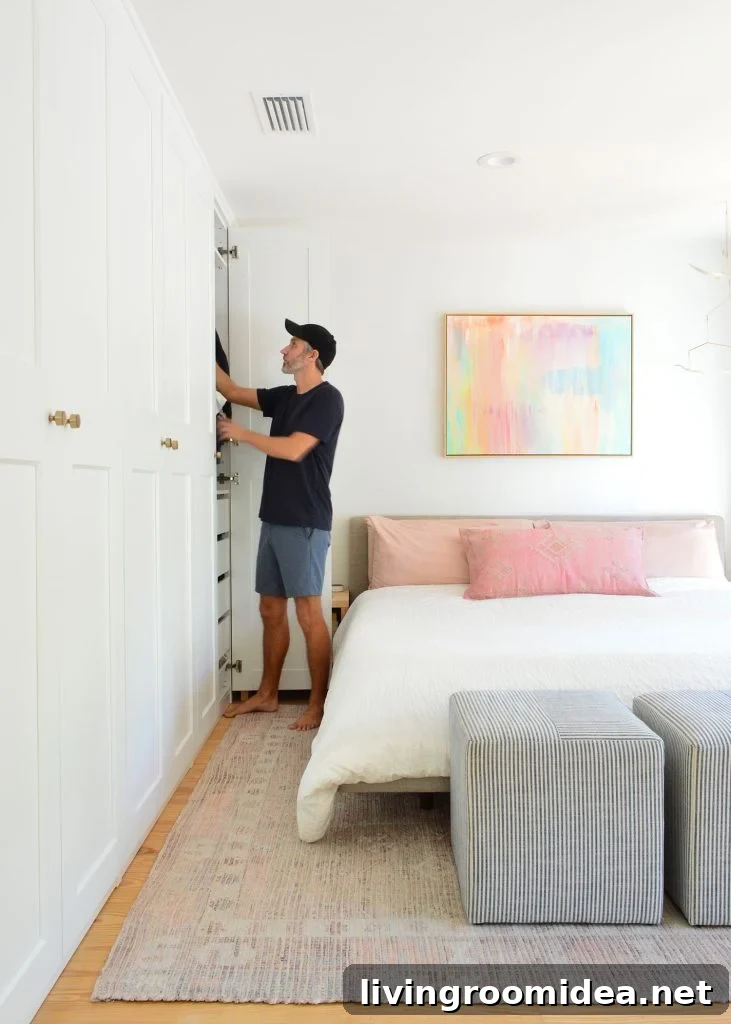
People often worry a small house means being constantly “on top of one another.” Spreading bedrooms apart is a simple layout choice that helps avoid that feeling, even in a home with modest square footage.
#2: Two Distinct Living Areas (One On Each Level)
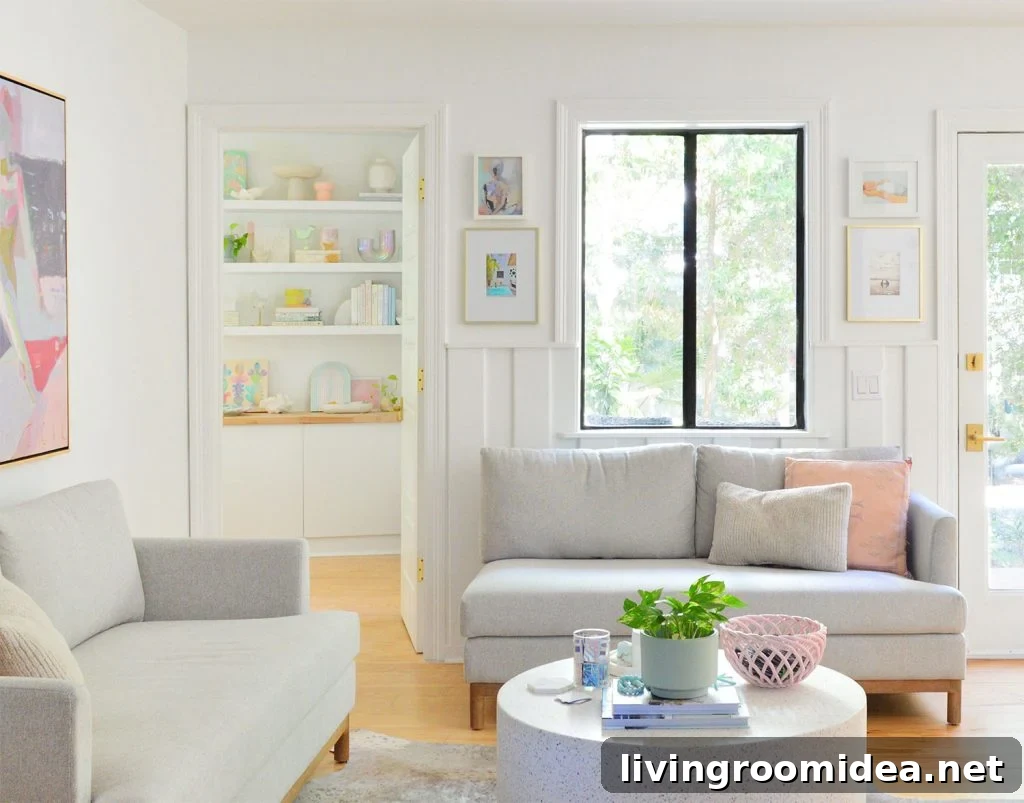
Having a casual sitting area on the first floor and a larger family room upstairs has been a game changer. Initially we planned to keep the downstairs as kitchen and dining only, but turning half of that space into a comfortable hangout has made the house much more usable and social.
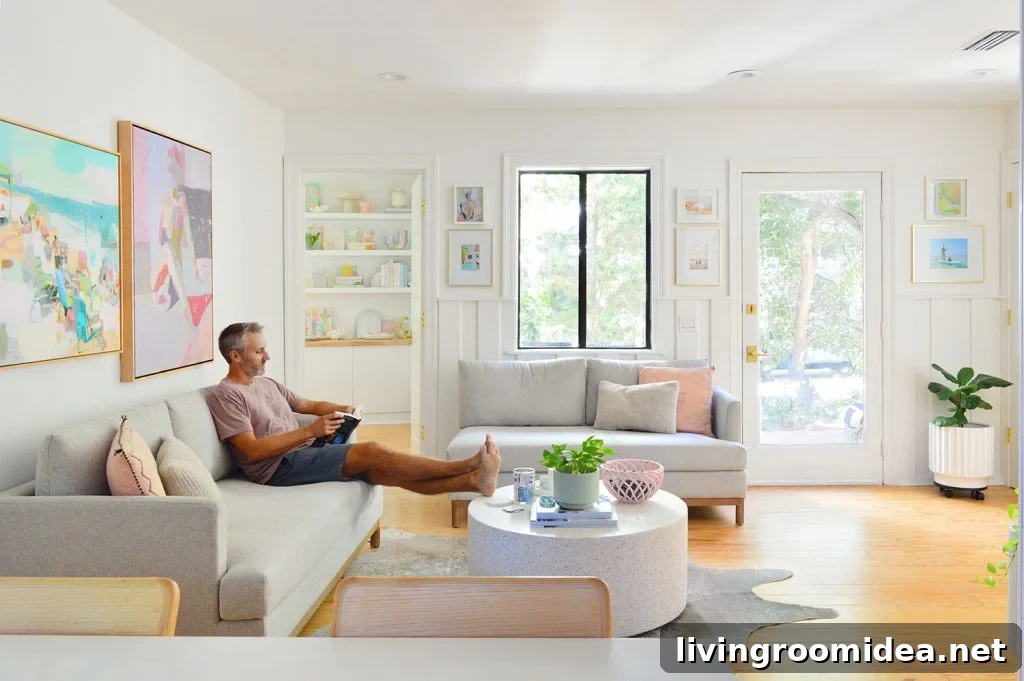
When we renovated the kitchen, we deliberately kept a lounge zone on the main level. We later upgraded the seating to bigger sofas and it became the day-to-day family hub: morning routines, homework moments, evening hangs and hosting friends. The upstairs family room remains a more casual, activity-heavy space.
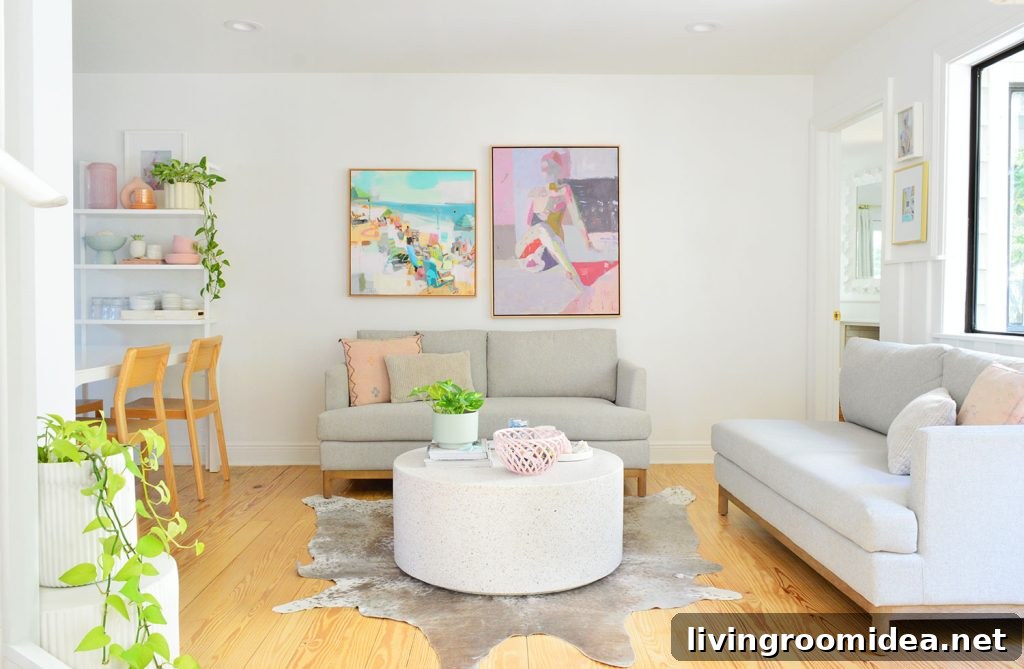
Two living zones on separate floors let adults relax downstairs while kids play loudly upstairs without bothering each other. Even with just the four of us at home, this layout encourages spreading out: one kid can watch TV upstairs while the other reads or does homework downstairs, and everyone stays comfortable.
#3: One Big Flexible Multi-Use Area
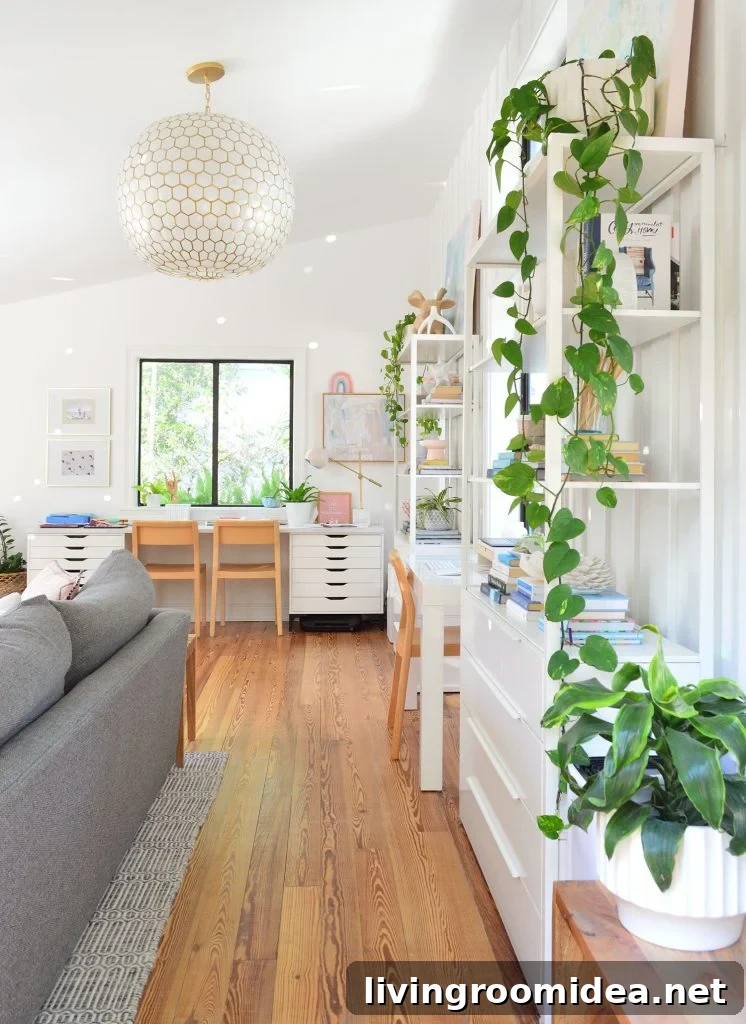
Our entire second floor is one large room that serves multiple functions, much like a finished basement in other homes. This upstairs family room handles everything that used to take three separate rooms in our previous house: an office, a kids’ craft area, a TV and sleepover space, and even a spot for piano practice.
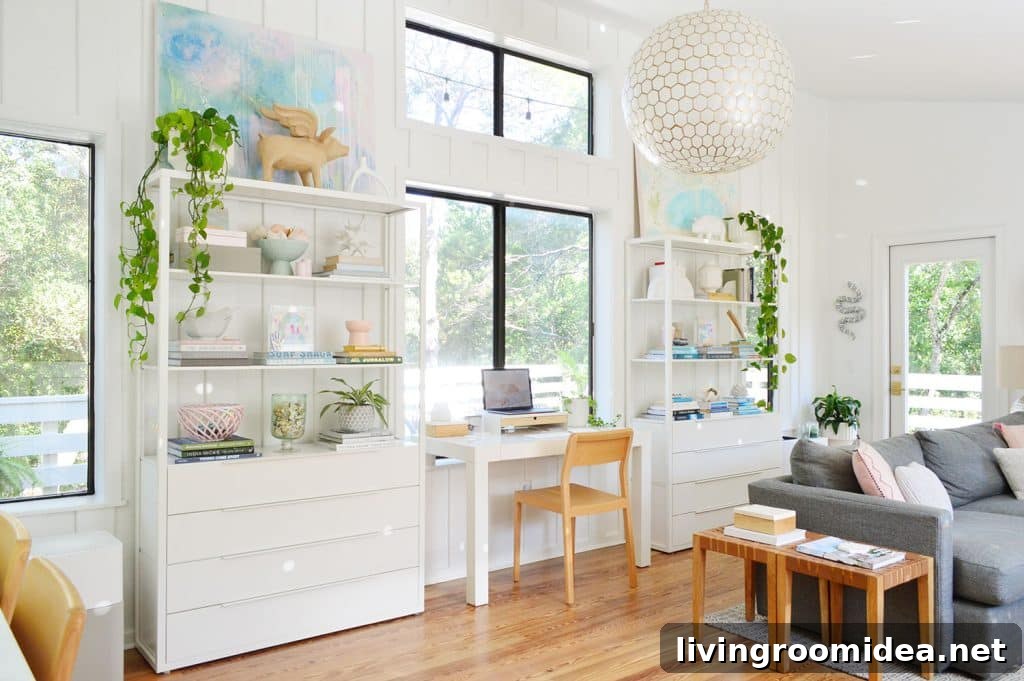
Because the room is large and tucked upstairs, messy or noisy activities stay contained. The kids can work on art projects or build forts while adults gather downstairs. The space’s flexibility means it adapts to whatever the family needs on any given day.
#4: Ample Outdoor Space
Although our lot is much smaller than our previous property (about a tenth of an acre), we designed and arranged outdoor areas to maximize function. Multiple outdoor zones effectively expand our living space and make the home feel larger.
- Front porch with a hanging daybed and rocking chairs for quiet reading or relaxing
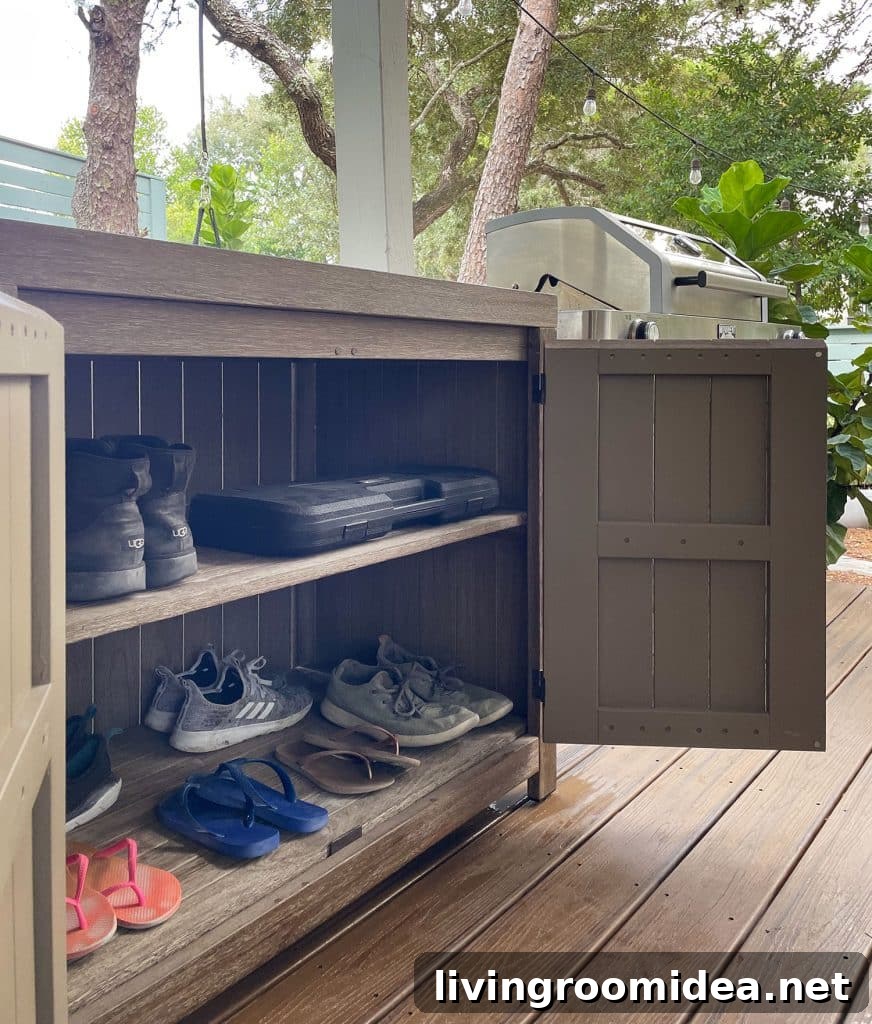
- Kitchen porch with generous storage and a grill right off the kitchen
- An upstairs deck nearly as big as our family room that acts like a third living area
- A backyard pool area with an expanded patio, firepit, outdoor dining, and lounge seating
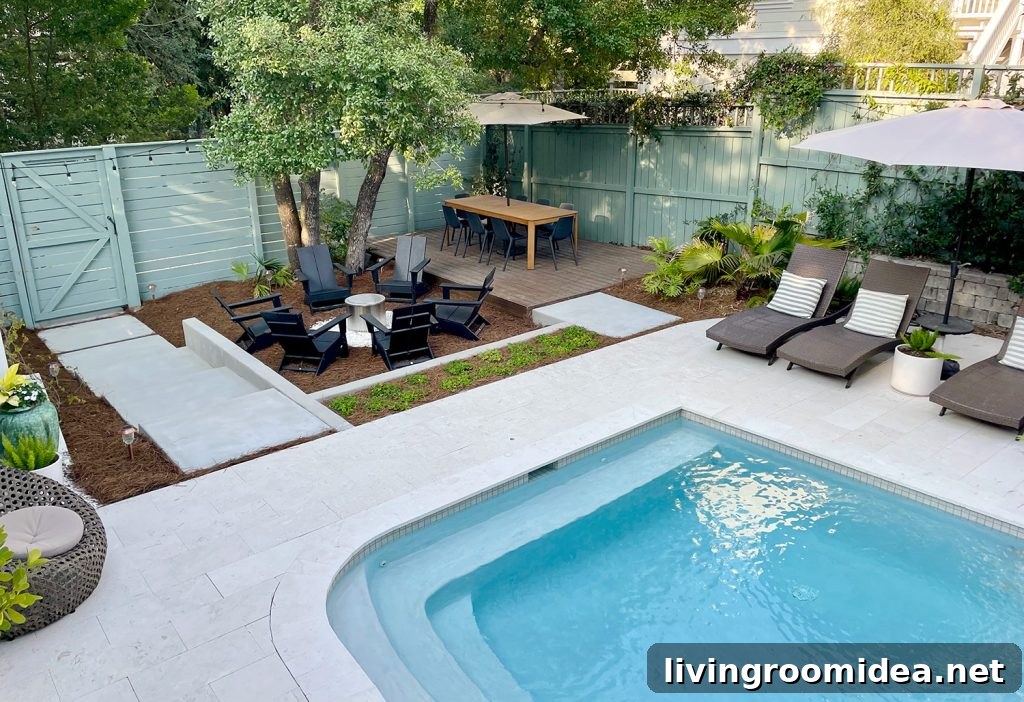
These outdoor spots let us shift activities outside when the weather allows—reading in a hammock, taking a call on the deck, or keeping shoes in an outdoor cabinet to free up interior storage. Moving utility equipment outdoors (we replaced our bulky water heater with a tankless system) also freed useful interior space.
#5: Lots And Lots Of Glass
Our house has an unusually high number of windows and glass doors for its size, which brings in abundant natural light and visually connects indoor spaces to the outdoors. The result is rooms that feel brighter, airier, and more expansive because your eye continues beyond the walls.
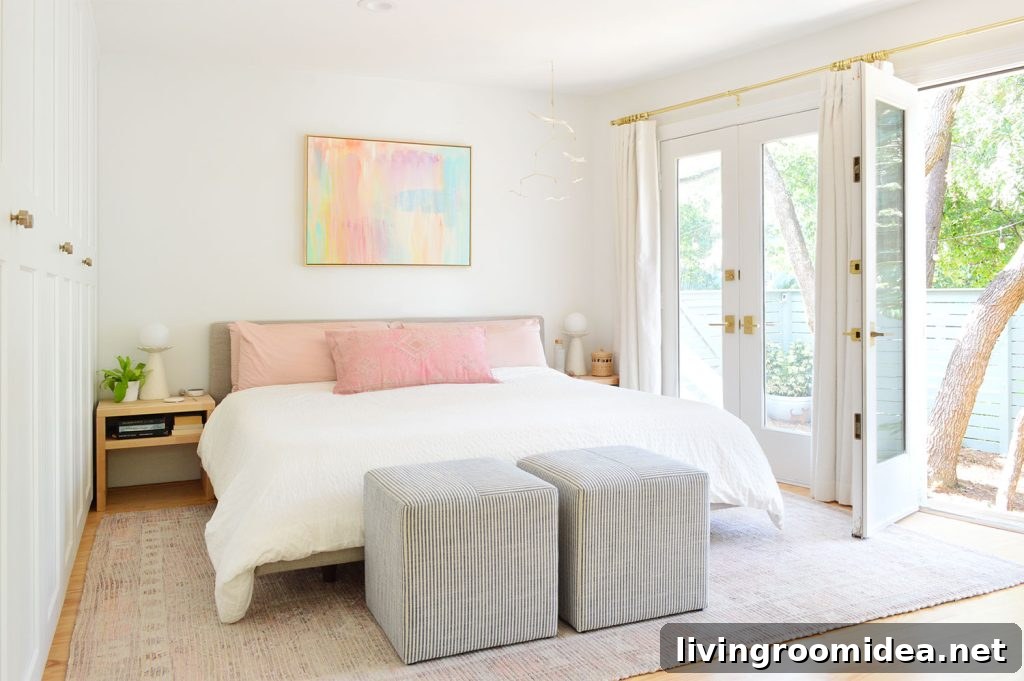
We’ve kept most windows uncovered so the outside reads as an extension of our living space, only using blinds or blackout curtains where privacy or light control is necessary.
#6: Prioritizing “Space To Live In” Over “Space To Pass Through”
In a smaller house, minimizing square footage dedicated solely to circulation—long hallways, grand foyers, or expansive open stairs—gives you more usable living area. Our home has very little wasted transition space, which lets us allocate more room to places people actually use and enjoy.
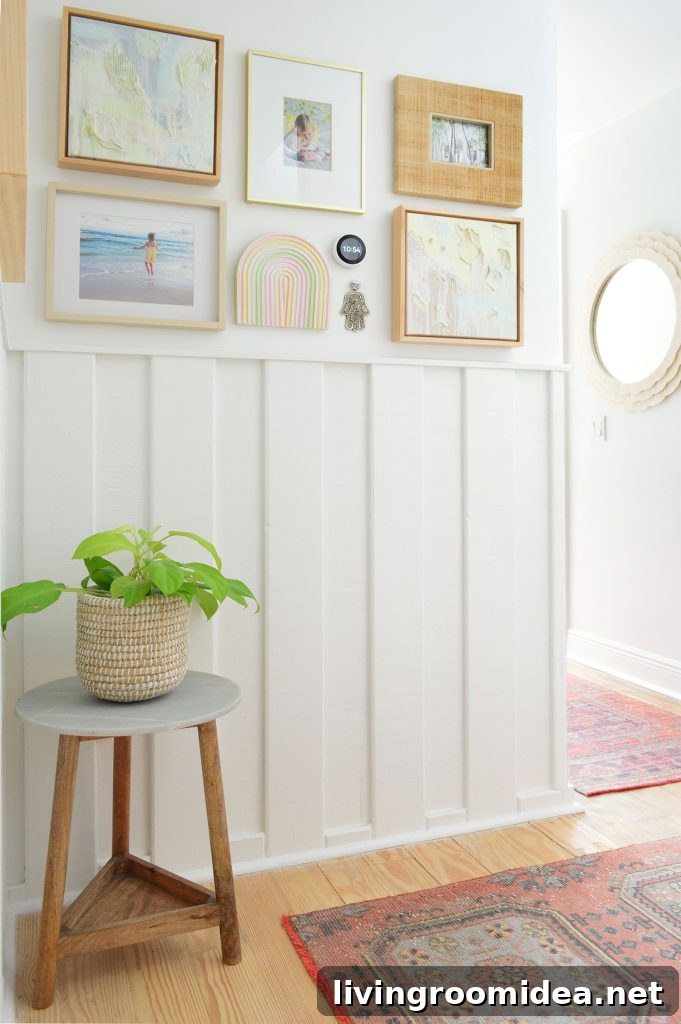
For example, choosing built-in pantry cabinets and a functional kitchen layout over an airy, open staircase preserved critical storage and counter space. We prefer practical square footage that serves daily life rather than architectural flourishes that reduce usable areas.
One Layout Warning: A First-Floor Bedroom Off The Main Living Space
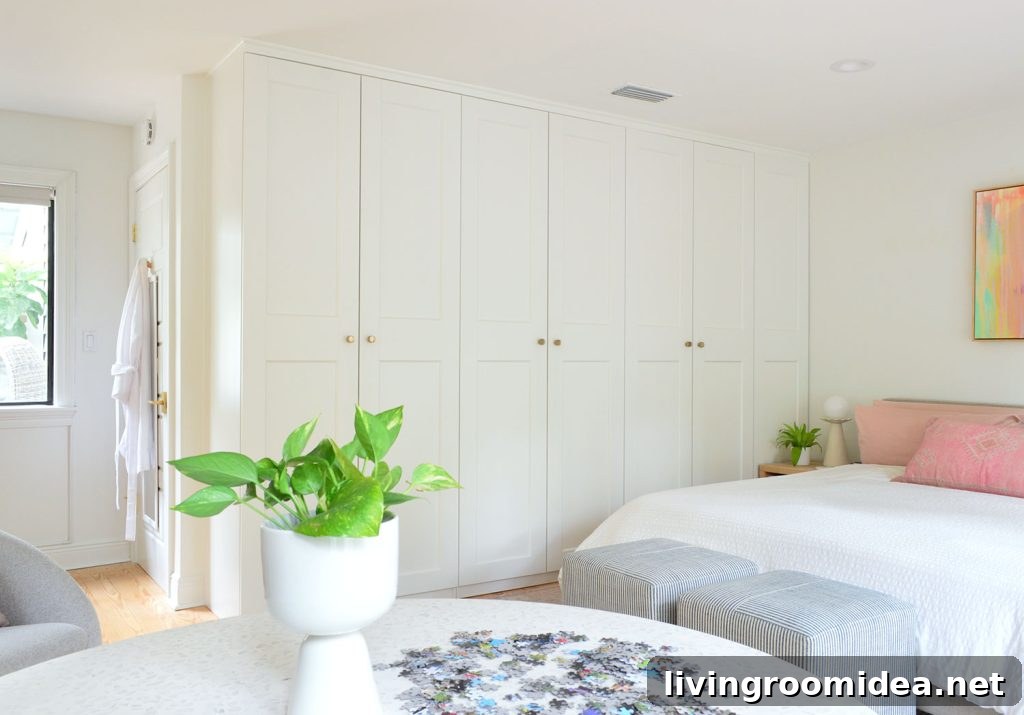
There’s one caveat to our layout that’s worth noting. Our bedroom opens directly off the main living area, which means it gets more daytime traffic than a bedroom tucked away down a long hall. That design works for our flexible family life—our bedroom doubles as a quiet work spot, a puzzle table hangout, or a reading nook for the kids—but it does reduce the sense of a private sanctuary during the day.
In our last house the bedroom was at the far end of a hallway and was used mainly for sleeping and dressing. Here, because the bedroom is convenient and comfortable, family members use it throughout the day. That’s not a problem for us, but if you crave a private retreat at any hour, a bedroom positioned off the main living space might not suit your preferences.
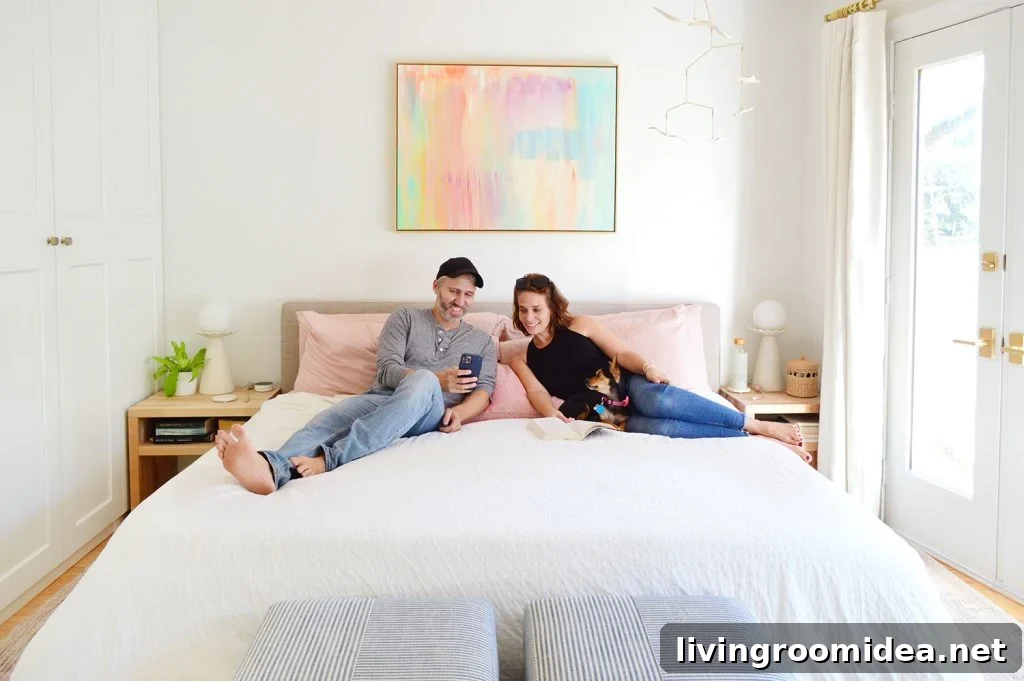
Some families will love the extra communal hours a downstairs bedroom encourages; others will prefer a more secluded master. Consider how you use rooms during the day before committing to a layout where a bedroom sits directly off your main living area.
Overall, thoughtful layouts — separated bedrooms, multiple living zones on different floors, a large flexible activity room, purposeful outdoor areas, abundant glass, and minimal wasted circulation space — let a smaller house feel comfortable, adaptable, and much larger than the square footage might imply.
*This post contains affiliate links, so we may earn a small commission when you make a purchase through links on our site at no additional cost to you.